Pig Breeding Experimentation Part 2.

Our first white x heritage breed litter was born in January. This entire experience, covering both litters, has been fascinating and a HUGE learning experience.

First of all, the two Large Black x Berkshire girls, from the same litter, look like they’re different breeds, the Large Black-looking girl (Miss Swan) being much larger than the Berkshire-looking girl (Socks).

Secondly, we had them in with the boar at the same time, and then long enough to cover a few consecutive seasons. We saw them couple on the first day, but not again after that, and had assumed they’d be due around the same day. However, by the time that Miss Swan dropped, Socks was clearly a ways off.

Thirdly, we were expecting them to have relatively small litters, and that happened when Miss Swan had a total of 5 in her first litter. With Socks being much smaller and barely looking pregnant, I was guessing she’d have 4.

Lastly, this was an interesting contrast between the white and black girls in general. We can tell when the white girls are getting close as their bellies drop and their teats fill up like water balloons. However, the black girls, who don’t produce as much milk, have much more subtle changes.

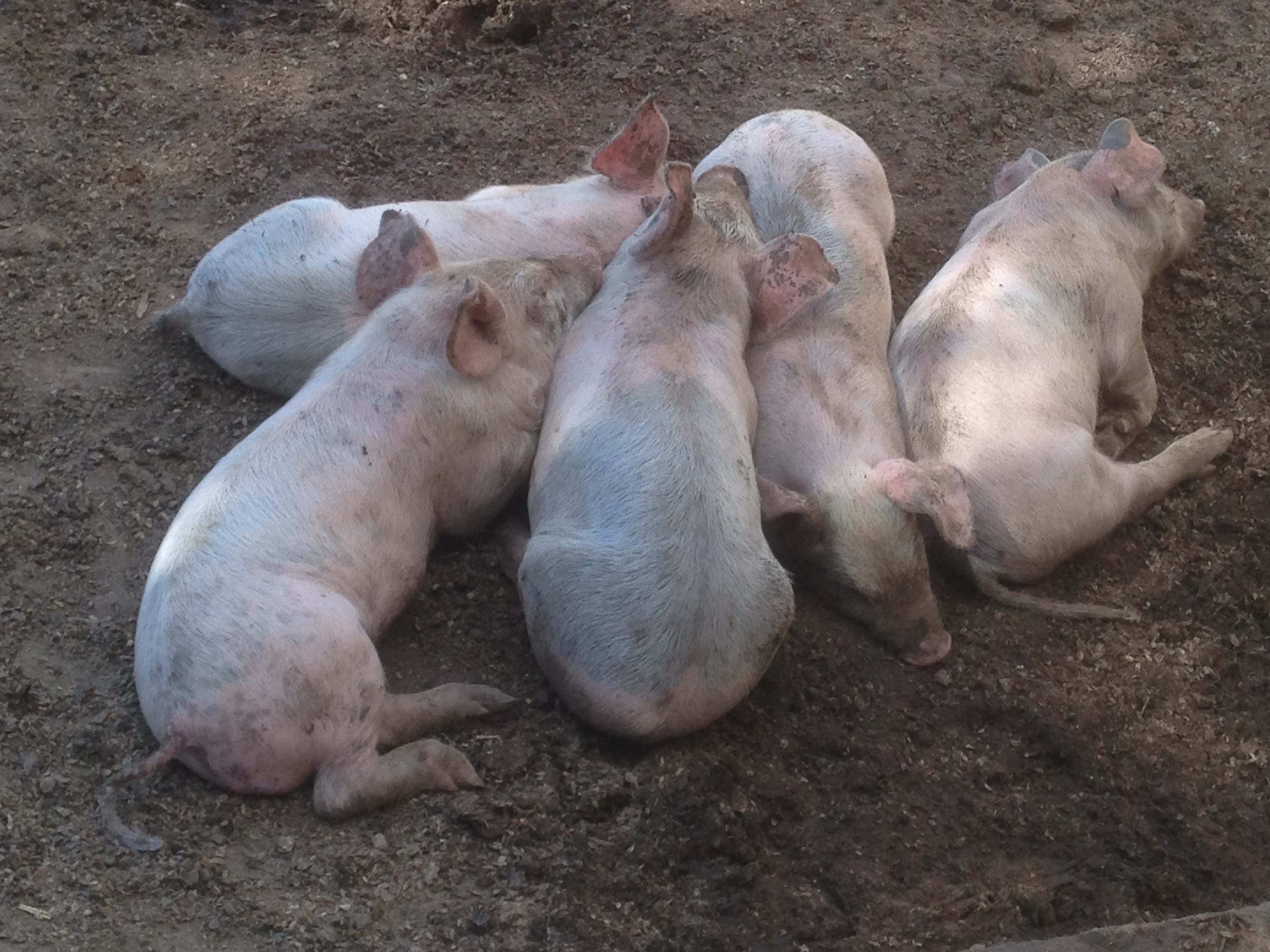
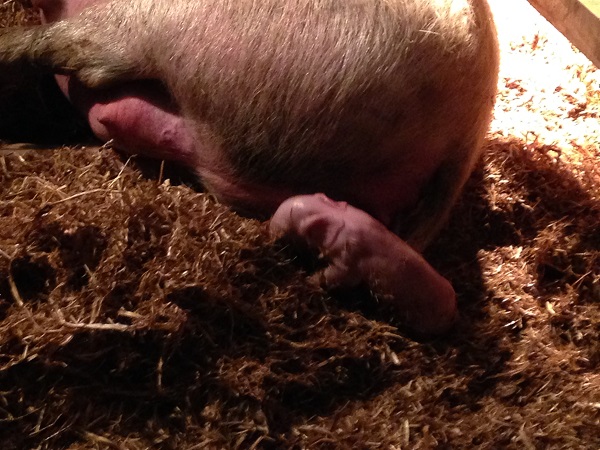
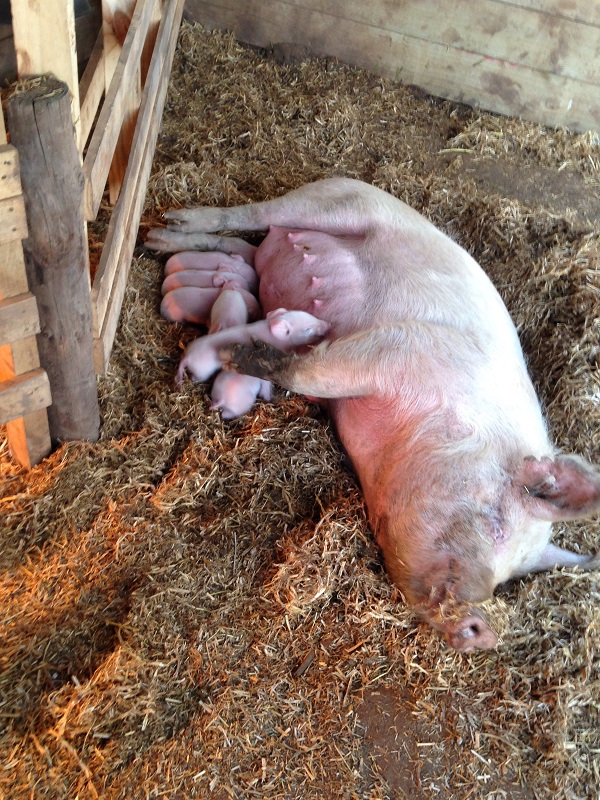
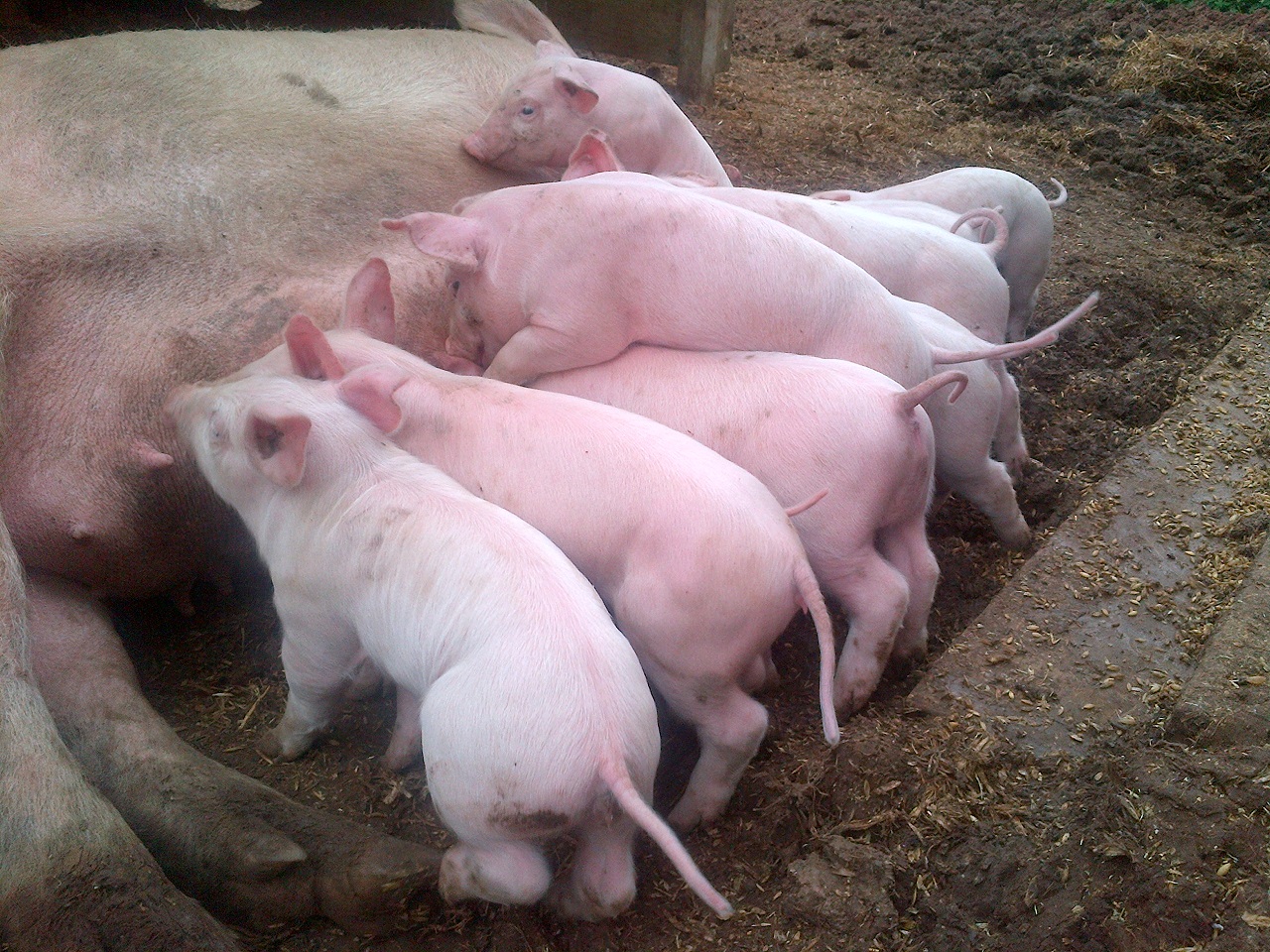
So where we thought that Socks would drop at the end of January and have 4 or so babies, she dropped 11 in the middle of February! The much, much smaller sow had more than twice the number of babies. There was one still-born, which was a boy who was almost twice the size of his litter mates. I suspect she struggled and he didn’t make it. She also squashed one during the first 24 hours, which is to be expected when you have that many. Still, it looks like she’ll wean 9, which is amazing for her breed and the first litter.

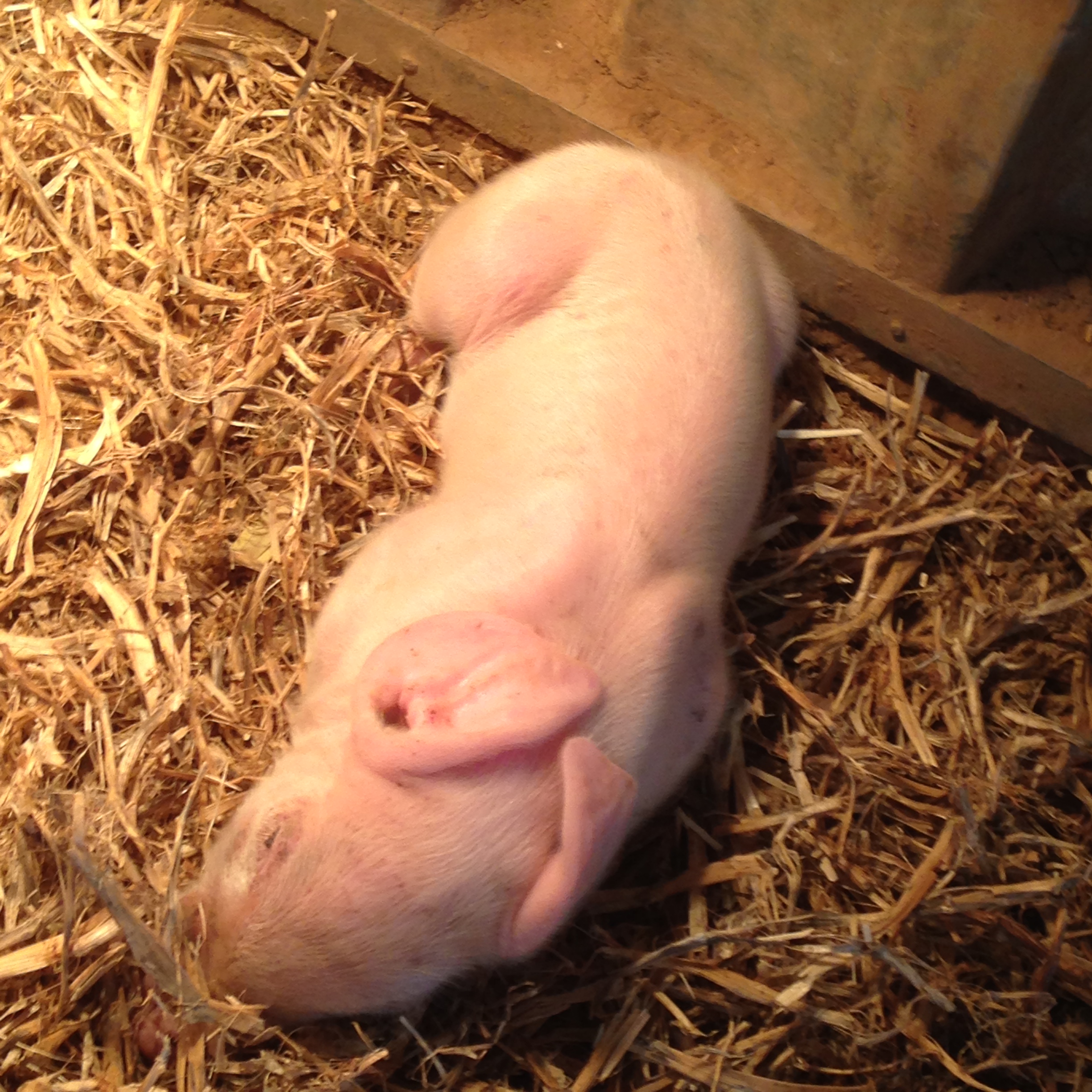
Only a few hours old.

Only a few hours old.

Inside a few hours they're up and about. The trick is containing the little buggers.

Inside a few hours they’re up and about. The trick is containing the little buggers.

I’d noted with Miss Swan’s babies that they were white with black marks/patches/spots, but all of Sock’s babies were born almost entirely white. However, we’ve seen that Miss Swan’s little boy, who was born mostly white, has been colouring up in the last couple of weeks. It’ll be interesting to see if this new litter will change colour at all. It probably doesn’t matter, but it’ll be easier to tell between the breeds if they at least look different. 🙂

The big test will be in the quality of the pork. Both mums look like they’re different breeds, and both had completely different kinds of litters. Logic says that the pork may vary quite a bit, but we’ll have to wait and see.

The first family meal.

The first family meal.

First baby loves!

First baby loves!

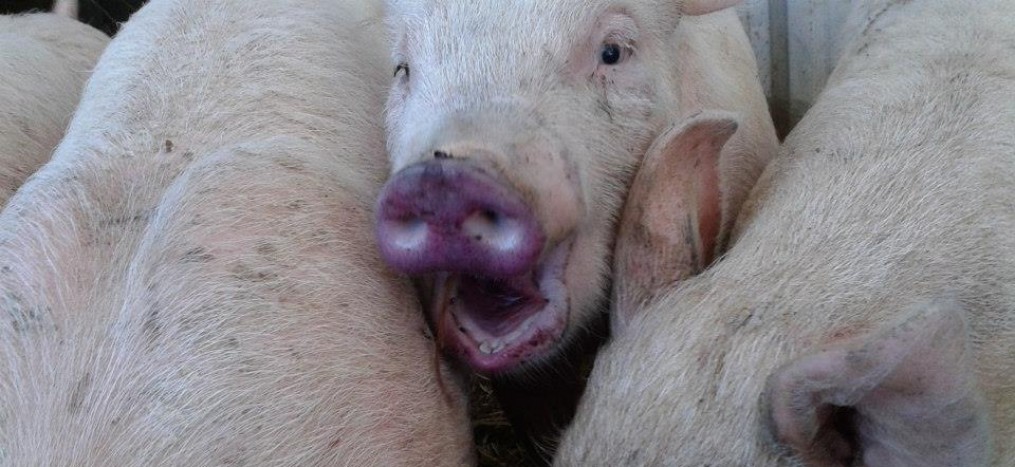
Beer Fed Pork! WHAT?!

Pigs are amazing. Clearly I’m about as biased as a person can be, but that statement can stand on its own: Pigs are amazing. They are friendly, gregarious, great parents, and they convert feed to meat more efficiently than any other animal. Those last two points are the reasons they are so mistreated in intensive farming situations, and the first two points are why it hurts them so much. All of those reasons together are why I want to do this for a living.

As efficiently as pigs convert feed to meat, they still eat a heap. They’ll eat quite literally anything, and they like to eat lots, and lots of it. That makes them expensive to keep, and that’s not even counting the extra strong fencing and housing they need.

I went and checked out a local intensive pig farm that’s on the market, and had a long, long conversation with the owner about husbandry and feed etc. Half of his total outlay for the year is feed. Granted they use highly processed and expensive feed, but it’s still a huge cost if you’re keeping pigs. With that in mind, we’re always looking for ways to find good cheap food for our herd. There’s no way we’ll skimp on quality or nutrition, but cheaper is clearly always an aim.

We buy a majority of our food from the farmers around us, with Farmer John making the introductions and often cluing us into what’s available. We get screenings or mixed feed that’s been left out in bags, and we get it relatively cheap. Where other pig farmers are spending $500 or more a tonne for food, we get ours much cheaper. Not only that, it’s all grown in the paddocks around us, some of it within sight of our home, meaning the carbon footprint is much smaller. We’re still working on the best food combinations for the different kinds of pigs (e.g. piglets, weaners, lactating sows, growers etc.), and will end up with probably 4 or 5 different regimes.

We’re lucky enough to collect the left over bread from a local-ish bakery every Sunday. A local church collects it the other 6 days of the week, but ironically on Sunday they can’t take it so we do. Bread is by no means a good balanced diet for any animals, but as something extra and a supplement it’s awesome. More than that, it’s literally just thrown into a skip if we don’t get it, and I’d go pick it up to save that waste if for no other reason.

We also get a fair bit of waste from the green grocer where my daughter’s boyfriend works. That probably isn’t enough to make a difference to the feed bill, but it’s great for the pigs and is thrown in a skip otherwise.

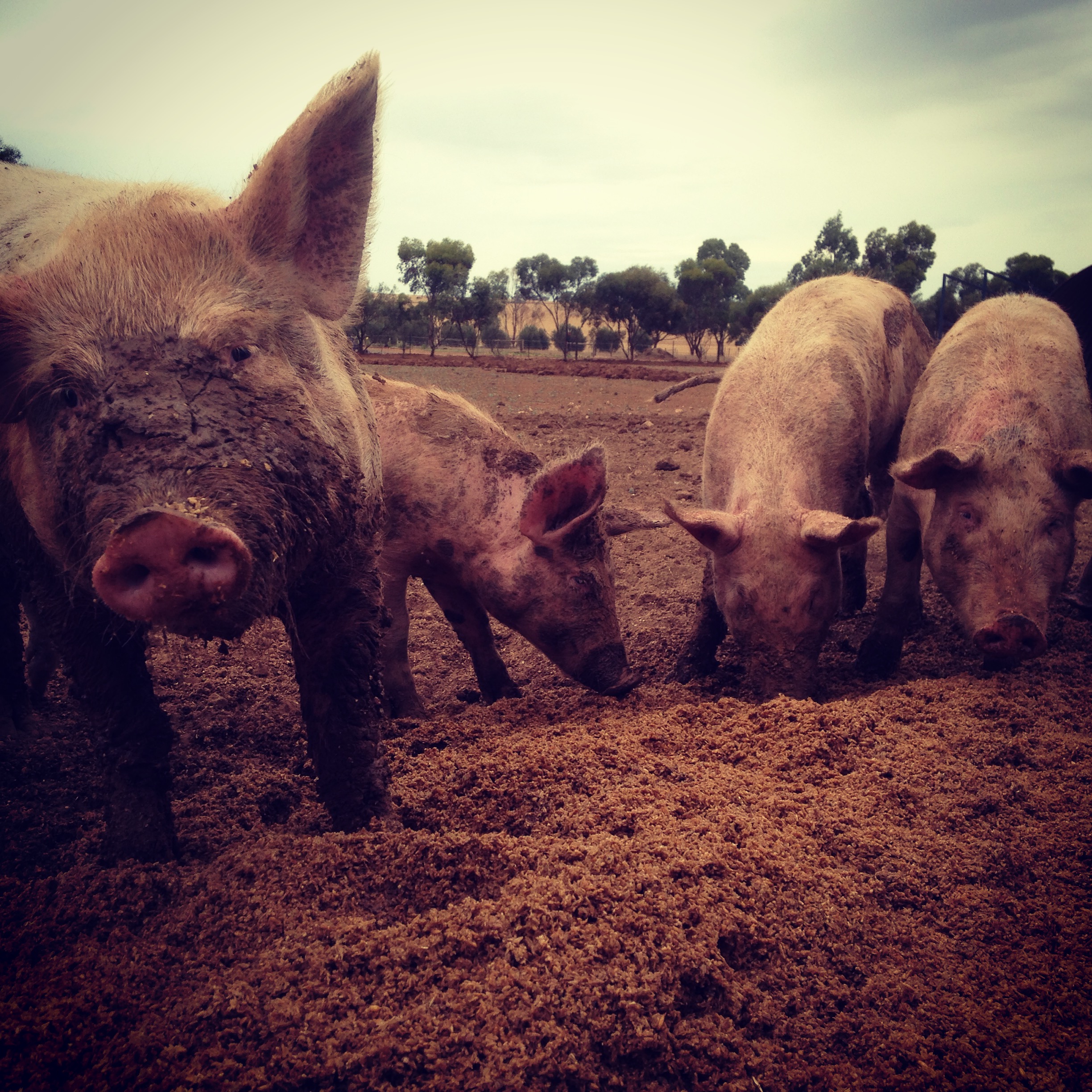
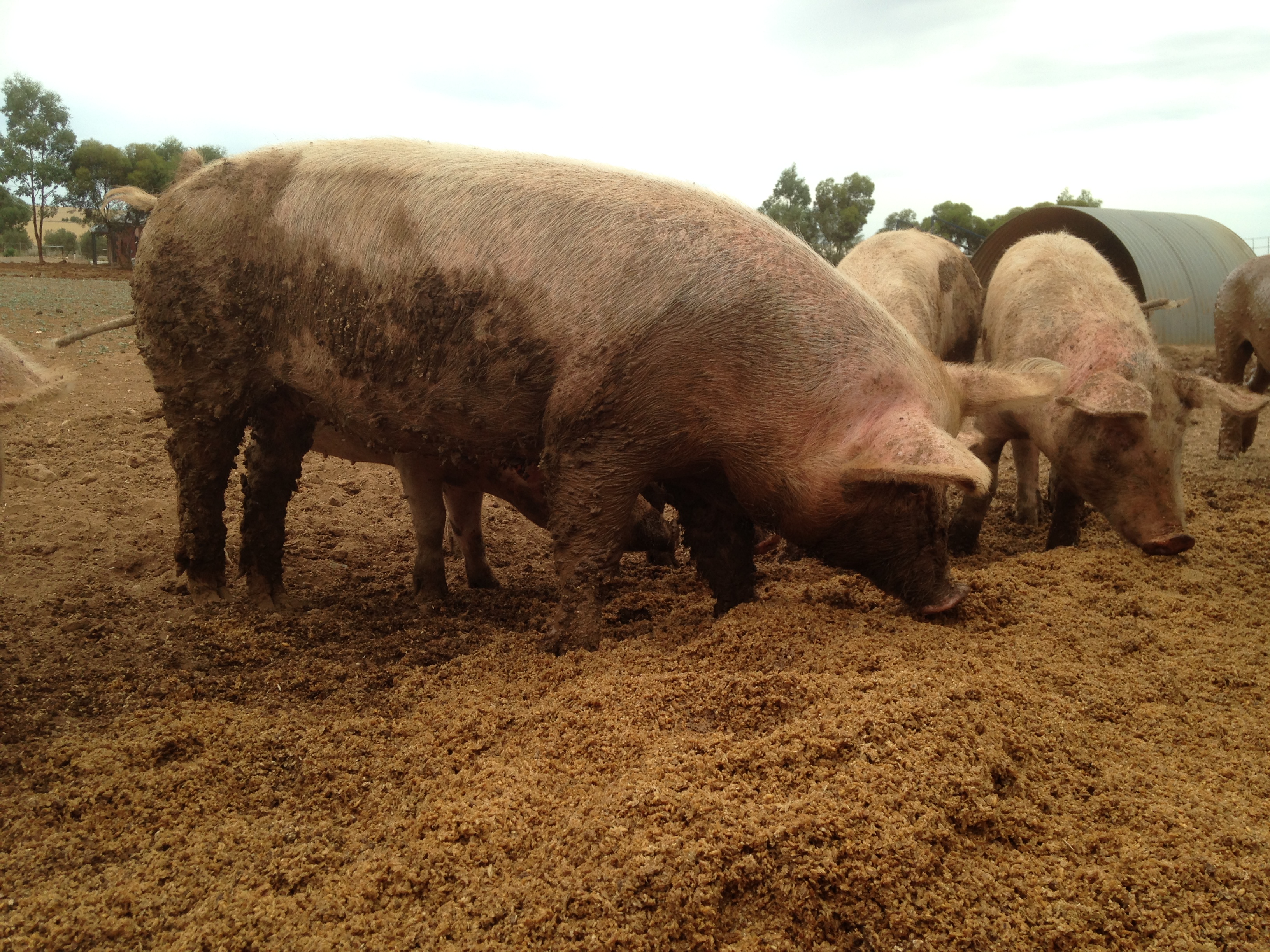
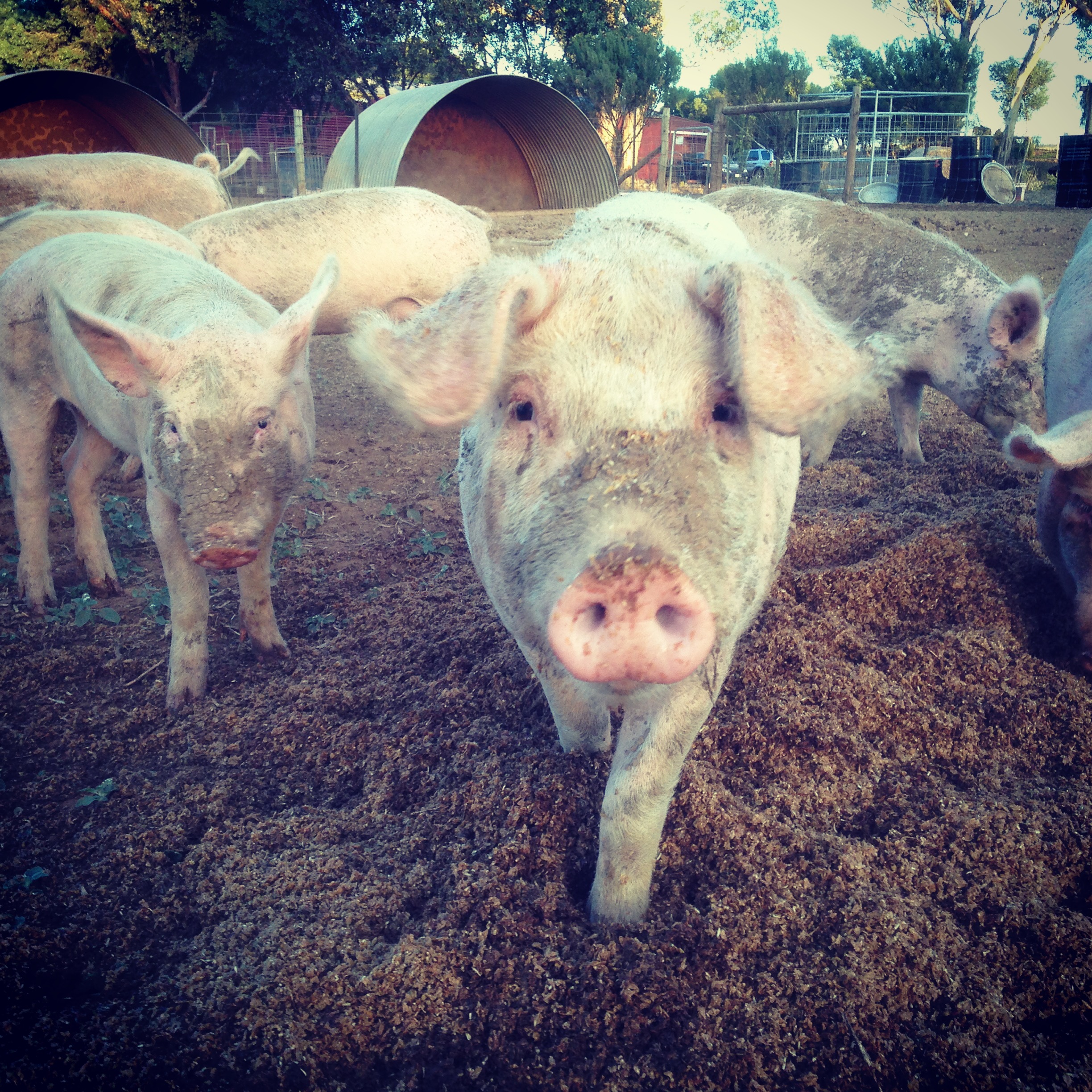
Our biggest win in this context, however, is spent brewer’s grain. We visited an Ethicurean pig farm in Victoria a while back where half of their feed comes from a local brewery, and we’ve been on the lookout for something similar ever since. The spent mash is basically just boiled barley, and our pigs are used to eating soaked grains. Not only that, this is another waste product that would otherwise go to landfill.

We were lucky enough to find Pirate Life Brewing via the daughter of a friend of dads. These guys recently started brewing in Adelaide, having moved from Perth. We actually found them just before their first brew, so we’ve been able to get every bit of their spent mash. The first week was lots more than we’d normally expect, as they were ramping up. We were expecting maybe a tonne, but ended up with around 5 tonnes. Still, we are keen for this not to go to waste and we’re equally keen to get good quality free food, so we took every bit. We fed it out to our pigs in large quantities, we found that our cows also love it, and the spare grain went to Farmer John’s cows.

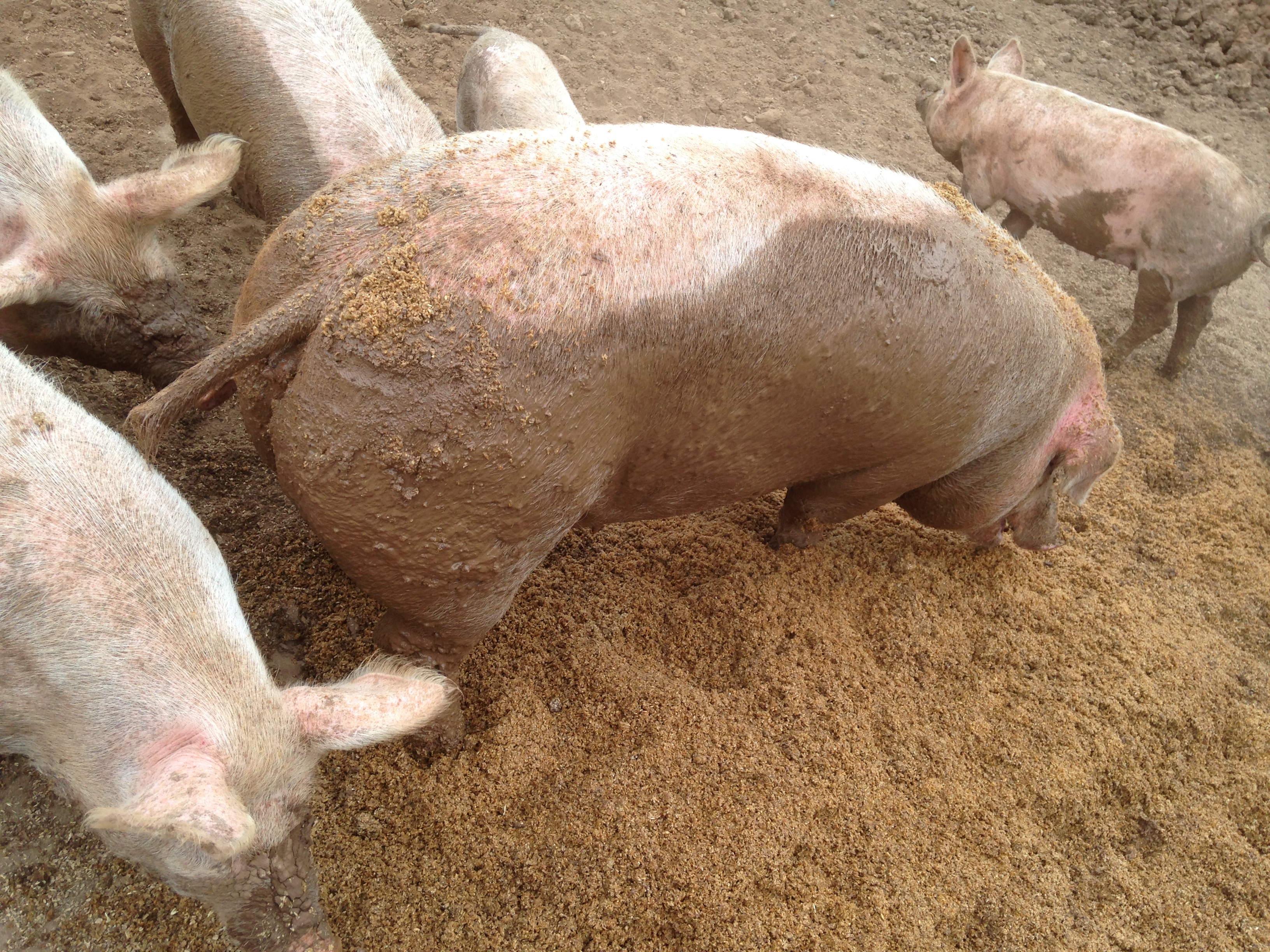
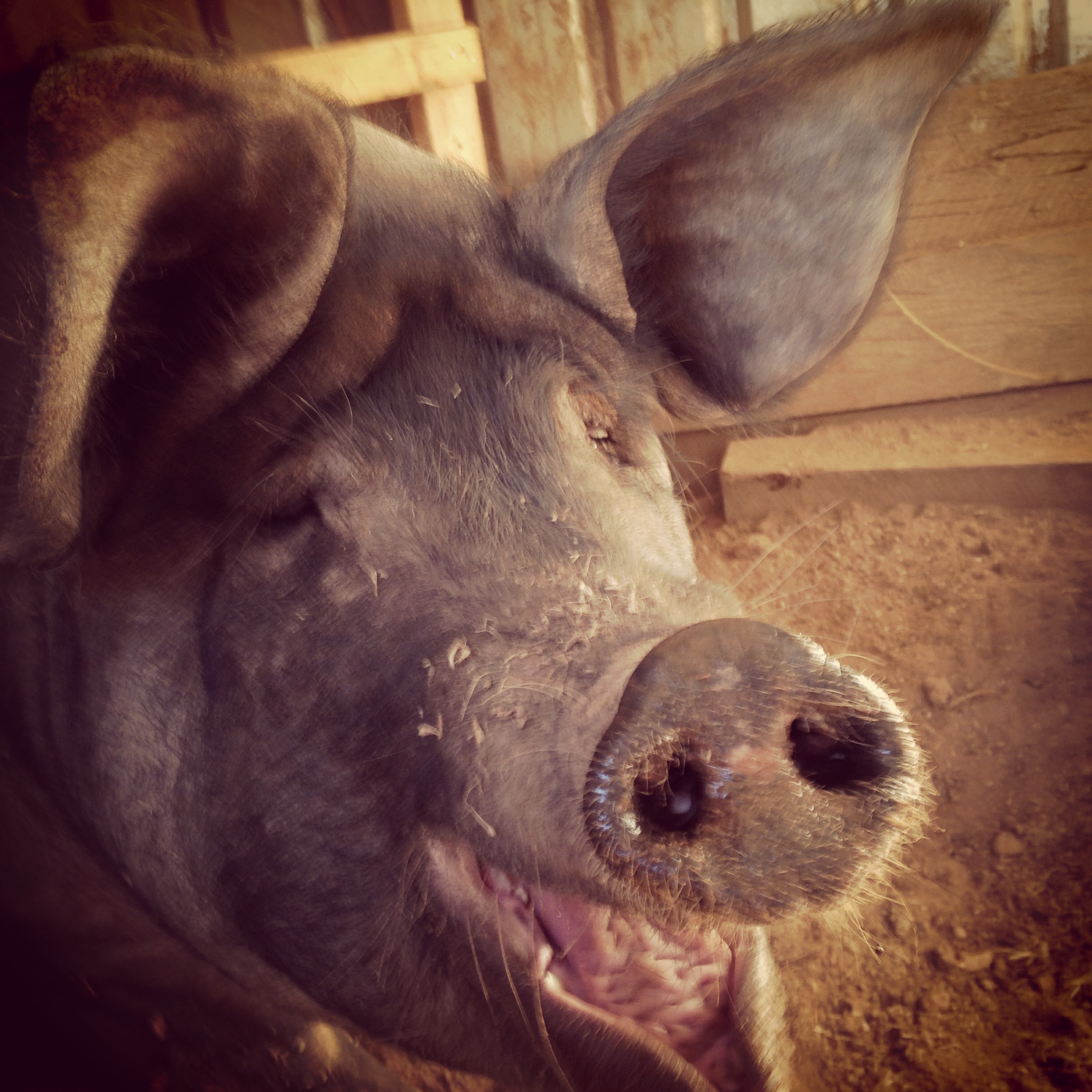
Ziggy Pig loves the brewer's grain.

Ziggy Pig loves the brewer’s grain.

Never too busy to pose...

Never too busy to pose…

We’re looking at getting their spent hops too. This is probably too bitter for the stock, but can be composted. There’s not a heap of it, and I’m keen for it not to go to landfill. I can see this bulking out my compost heap nicely. 🙂

All of the research I read said that spent brewer’s grain is great as stock feed, but you shouldn’t feed it to them as more than 50% of their diet. It’s high in protein and fiber, but relatively low in carbohydrates, which is not surprising as that’s the bit they use for the beer. It’s also not supposed to keep very well. From what I’ve read it only keeps 2 to 5 days in warm weather, and February in South Australia is much warmer than “warm weather”, and 5 to 7 days in cooler weather.

Some of our pigs have definitely had more than 50% of their diet as spent grain for the last couple of weeks, as we’ve had so much of it. They also get the bread, greens, and soaked wheat, but the bulk of their food has certainly been the spent grain. The lactating females get a lot of other stuff, but the growers, not pregnant (unpregnant?) sows, and the boar have been eating lots of the waste grain, as have the cows. In future we’ll feed it out around 50/50, but right now we’re just throwing it at them, they love it, and they’ve certainly dropped no condition.

It’s also keeping better than we expected. We’re keeping it in 44 gallon drums that are just in the sun, but we’ve had little mold. Anything that looks like it might be getting moldy gets thrown on the ground, but up to now I’d be surprised if we’ve had more than a couple of bucket loads like that. A huge majority of the grain has gone to the animals. Oh, and the poultry is always around to clean up any grain on the ground left behind by my clumsy shoveling.

The pigs LOVE the brewer's grain.

The pigs LOVE the brewer’s grain.

Photogenic pig is photogenic!

Photogenic pig is photogenic!

It’s tough to forecast how much spent brewer’s grain we’ll be getting in the future, but we suspect at least a tonne a week. It could make up our entire feed ration if it was a bit better food nutritionally; however, we’ll be supplementing it with the grain we buy from the farmers around us.

I suspect that this salvaged food will end up making up at least half of our feed ration, and potentially a bit more. It’ll save us quite a bit of money, make us more viable as a commercial entity, and it also saves a huge amount of material going to landfill. Environmentally, it’s about the biggest win-win you could ever imagine. 🙂


Let The Pig Breeding Experimentation Begin!

Back in April last year we acquired our first heritage breed pigs. They were 3 piglets around 4 months old, and we bought 2 girls and 1 boy. Initially we wanted to use the boy as a spit-pig but feed his sisters on as baconers. However, we decided to keep the girls as breeders to see how they went.

The father of these piglets was pure Large Black and the mum was pure Berkshire. They were both huge, and both just lovely, friendly pigs. The weird thing is that the two girls, despite being litter-mates, look like different breeds. Miss Swan looks like a Large Black, not surprisingly being giant and entirely black, while Socks looks like a Berkshire, being smaller and having a white star/blaze and 4 white feet. It’s fascinating thinking about how they came from the same litter, and yet identify genetically with different parents.

Anyway, we wanted to put our boar, Boris, over them. Boris a Large White/Landrace cross, though I think he tends to favour the Landrace side. At around 9 months old both of these girls was large enough to take Boris so we put all three of them in together. They lived together for between 2 and 3 months, and I’m confident for at least a full three seasons.

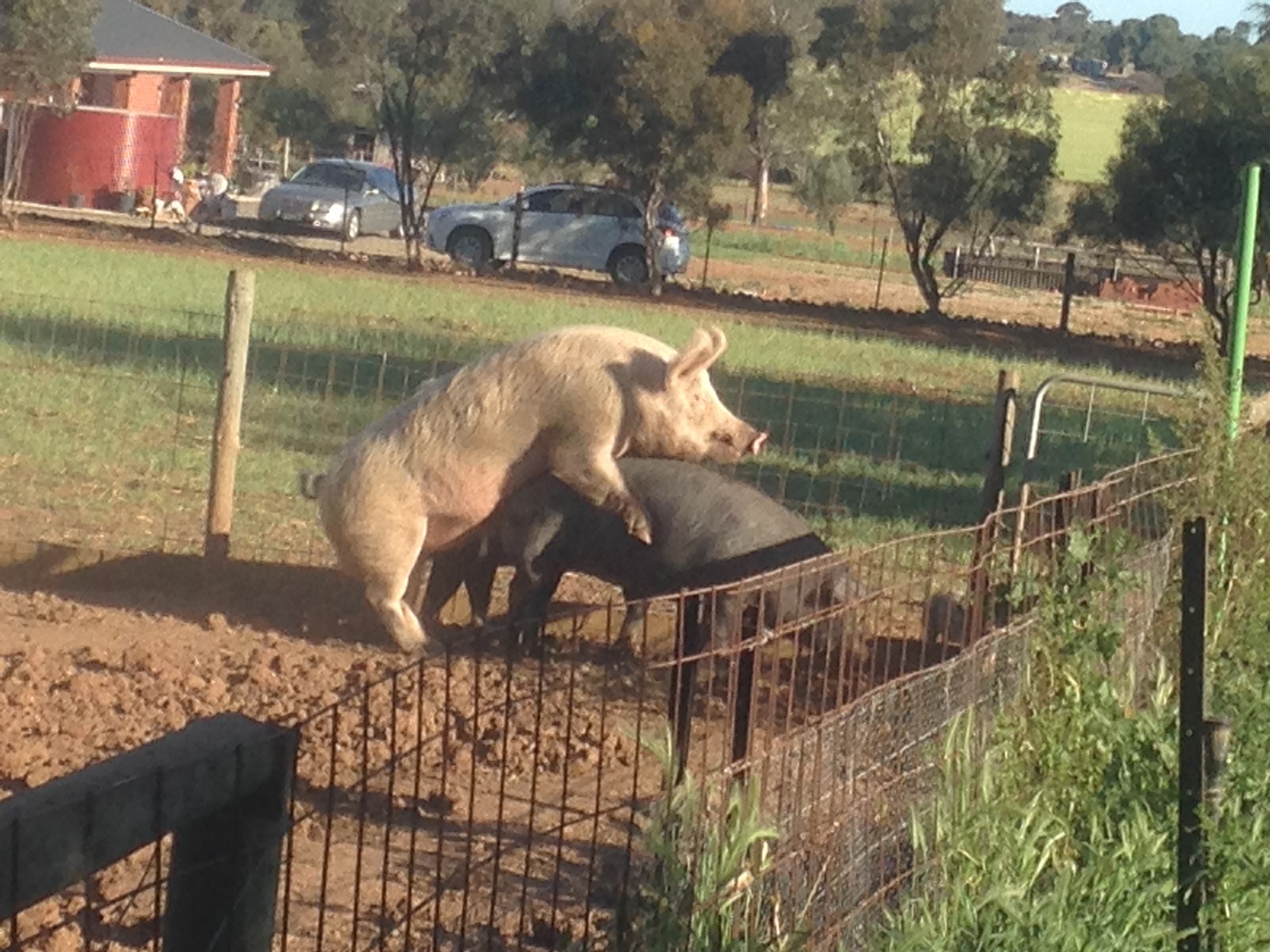
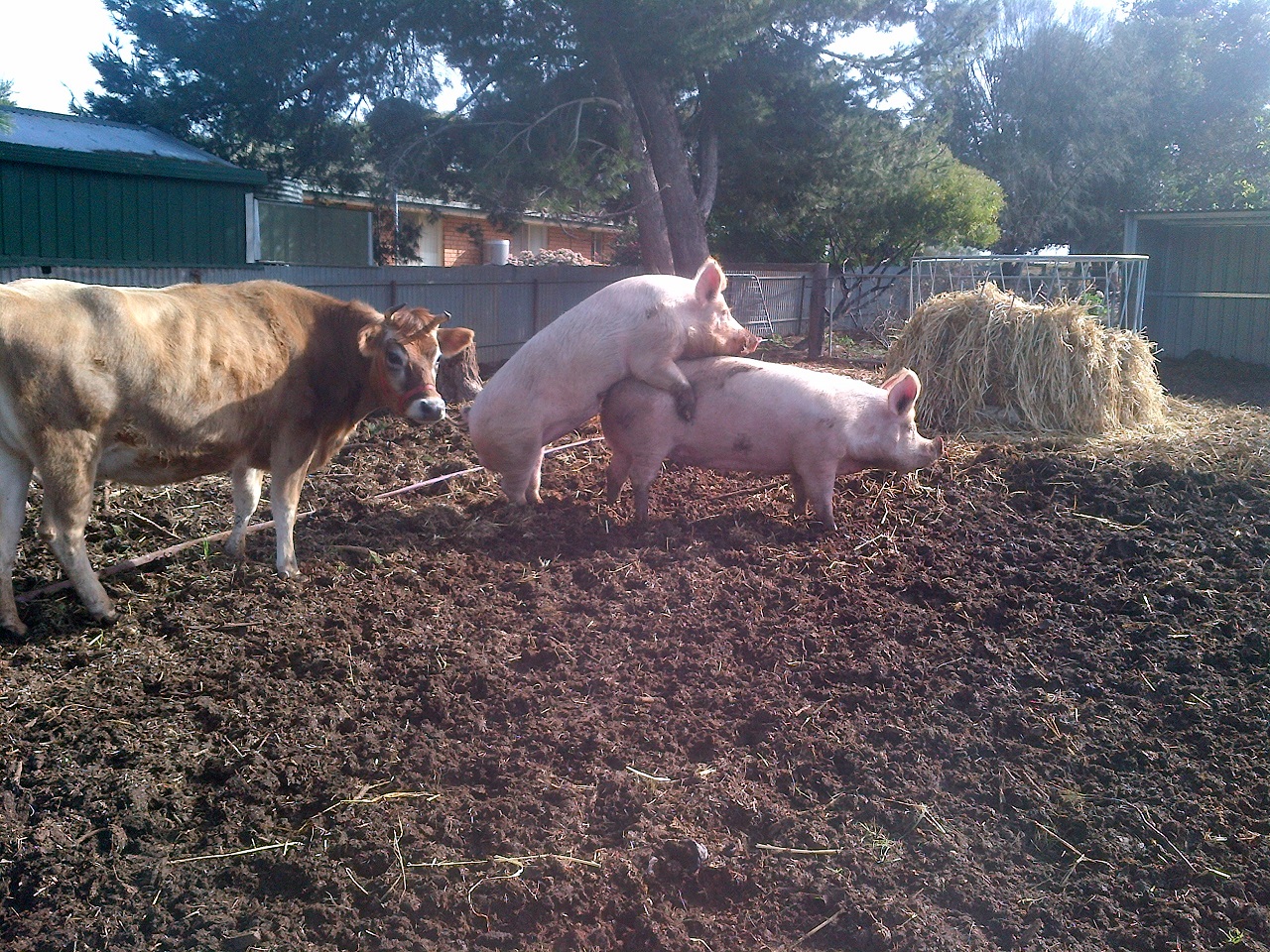
Not to put too fine a point on it, but this is Boris doing his job and doing it well!

Not to put too fine a point on it, but this is Boris doing his job and doing it well!

We thought the girls were in season when we decided to put them all in together. We’re getting pretty good at picking that, though to be honest the sows are none-too-subtle about it. We saw them couple pretty much right away, as evidenced by the picture above. We saw Boris couple with both girls and so figured they’d both be pregnant at the same time and drop around the same time. We want to farrow the girls in pairs. We’ve tried farrowing them truly together with some fairly disastrous results. Our plan now is to have them drop in pairs, keep the mums separate for a week or two, and then have them all in together. This will help us foster babies if we need to, and the mums just like to have company.

We monitored the girls for the next couple of months, and didn’t see them come into season again or couple with Boris. This is the tricky part though, as we’re not out there all day and so can’t watch them 24/7. However, like I said, an in-heat sow isn’t subtle and we were sure we’d see it if it were to happen. As it turns out, we were wrong.

While this cross-breeding is experimental to us, it’s obviously been done before. The offspring of the white/black crosses are called Blue Merles, and I don’t think that term is limited to pigs but counts for a number of species. Commercially, the Large White/Landrace sows are favoured because they have lots of babies and produce lots of milk. They then finish that line off (Terminal Sire Line) with Durocs to give the boofy offspring that grow quickly and give good hams etc. The heritage breeds, on the other hand, have smaller litters, but the meat is better quality, having better marbling and depth-of-flavour. I wanted to see if Blue Merle pigs would give us the best of both worlds.

As a side note, I’m not hung up on the heritage breeds. People will bang on about them, and there’s no doubt they’re lovely pigs and well worth saving as breeds. However, there are many people growing them now, so the breeds aren’t in danger. To me, the ethical part of raising any animal for food, be it pigs or something else, is in how they’re raised. I’m happy to raise white, black, or spotted pigs. Having said that, the brother of Miss Swan and Socks (George) was noticeably tastier, so we were keen to experiment with the black breeds. I’d never dump my white girls and replace them with heritage breed sows, but I would phase them out depending on how our cross-breeding experiments go.

You’ll also hear that the black breeds are better for free-ranging as they handle the heat better. That’s only half true. They certainly don’t get sunburned, which is a bonus, but they get heat stressed much faster. That actually stands to reason if you think about it. White reflects heat and black absorbs it, so our black girls will be panting and in need of a soaking much quicker than our white girls. We’re also working on a home-made sunburn remedy for our girls involving the copious amounts of aloe vera we grow. I’ll post about that should we work it out.

We’re getting quite good at picking when the white girls are going to drop just by looking at them – their stomachs drop and their teats fill out. I keep a spreadsheet recording all of the matings and births, so we have a good idea when they’re due, but we can pretty much pick it visually now. That’s a little harder with the black girls, as they don’t have as much milk. With all of that in mind, we were struggling getting closer to the due date of our black girls. About a week out I was sure that Miss Swan was due shortly, but I wasn’t even sure that Socks was pregnant. She’s much smaller than Swan, and just didn’t show the signs that the white girls do.

Based on when we saw them mate their earliest due date was January 24th. They’re pregnant for 112 to 114 days. They’re also in a heat for a few days, and can mate across that entire period. That means we can only estimate their earliest due date, but it can actually be several days later. In this case, Miss Swan dropped on January 27th, giving us 5 gorgeous babies.

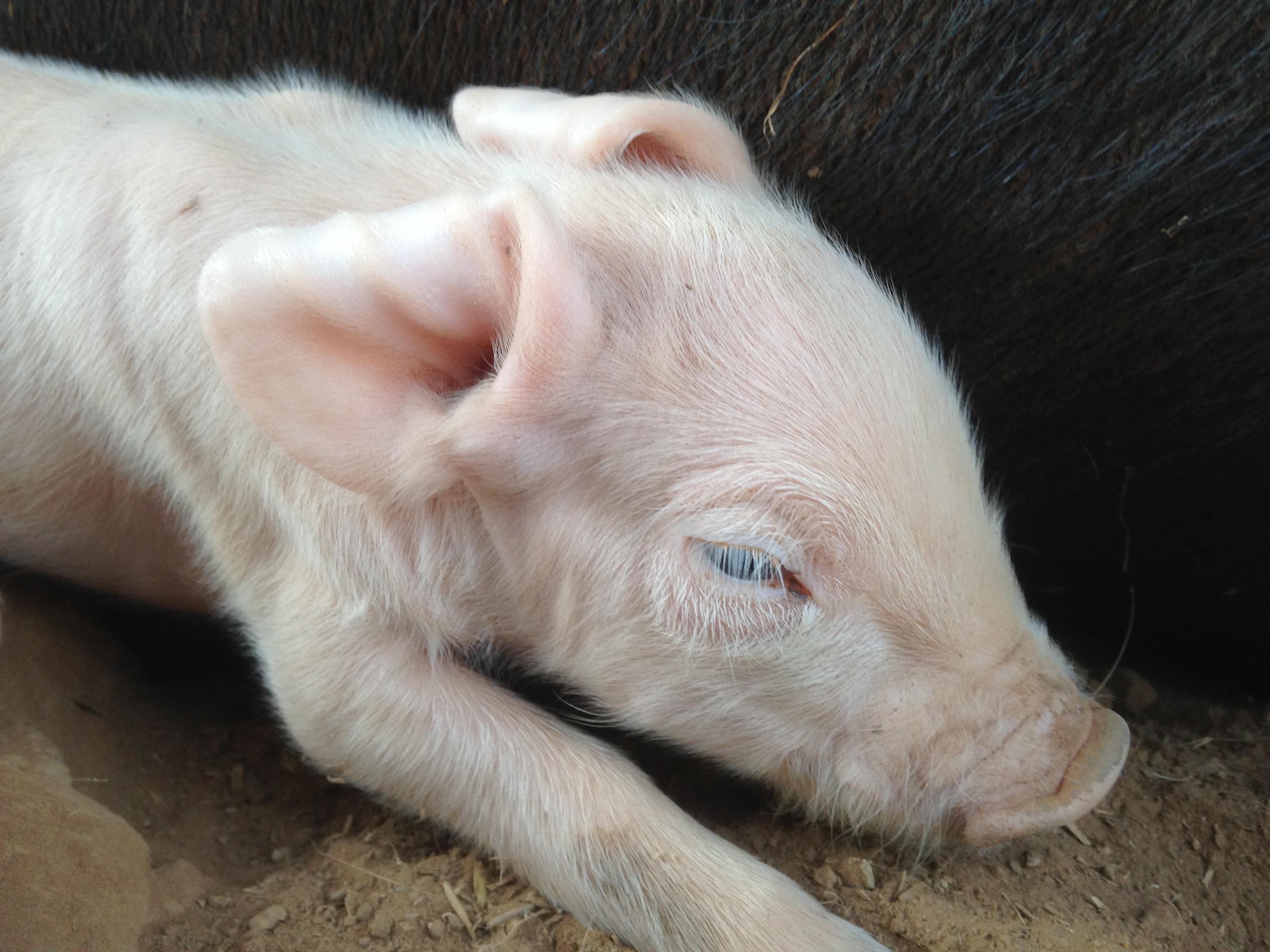
This is Dumbo. No prizes for guessing where his name comes from.

This is Dumbo. No prizes for guessing where his name comes from.

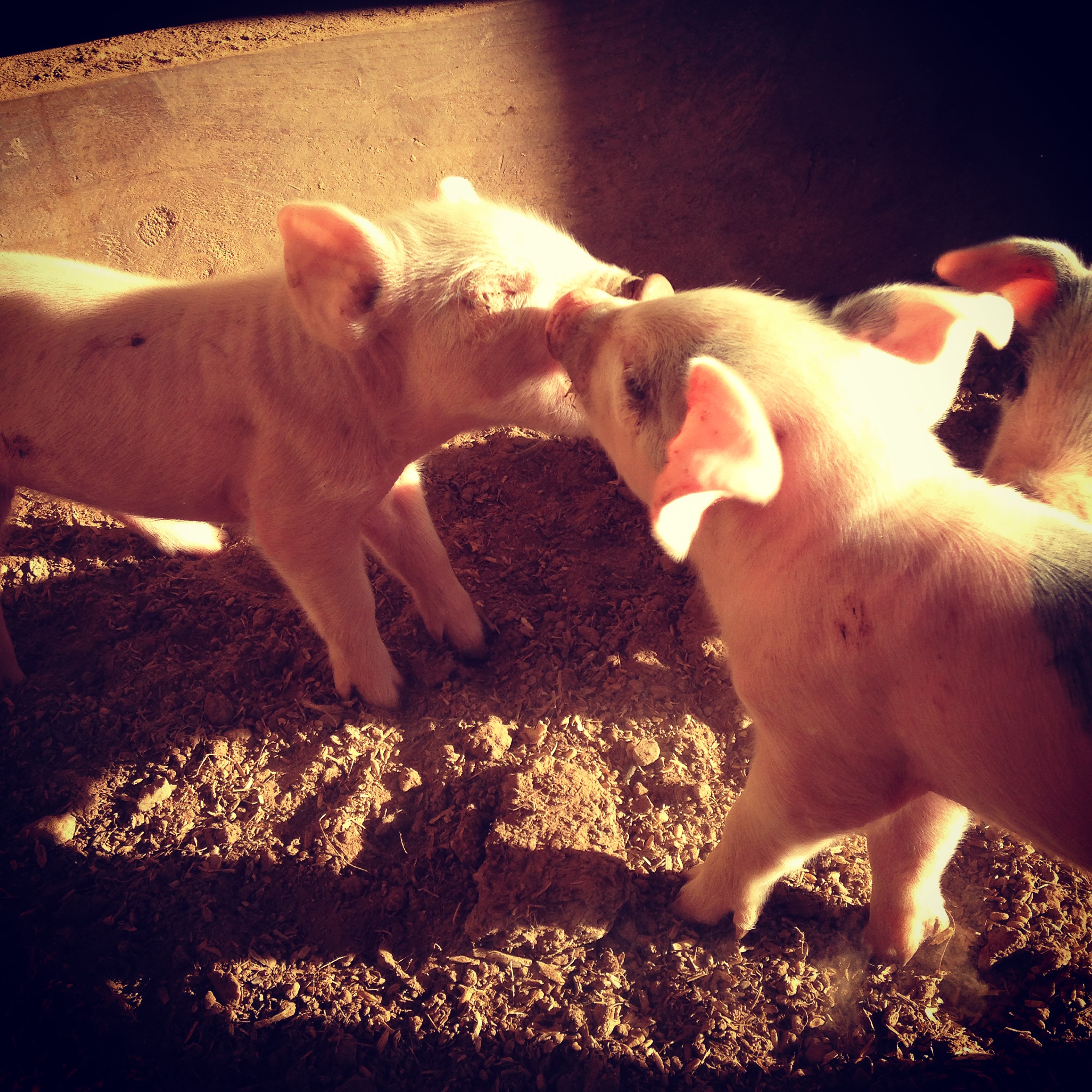
This might look like cute piglets kissing but it's actually cute piglets beating the hell out of each other.

This might look like cute piglets kissing but it’s actually cute piglets beating the hell out of each other.

Blue Merle goodness!

Blue Merle goodness!

This entire experience was fascinating to me. First of all, Swan is a very large pig, and not yet fully grown, and she gave us only 5 babies. First litters are often smaller, though we had a white girl drop 13 her first time, and the heritage breeds normally have smaller litter sizes. I was happy with that, and would have no problem with smaller litters if the result is a better grade of meat. In this case there was also 4 girls and 1 boy, which is a great ratio. We much prefer girls, so 80% was perfect. The other thing that struck me was their colour. The 4 girls were spotty, and a few had patches over their faces which were adorable, but the boy came out almost entirely white. I thought that was cool, and we gave the girls pirate-themed names (Captain, Jack, Sparrow, and Chang). However, at four weeks old the boy (Dumbo) has half his back covered in black spots. They clearly develop their colours as they grow, and I had never read about that anywhere.

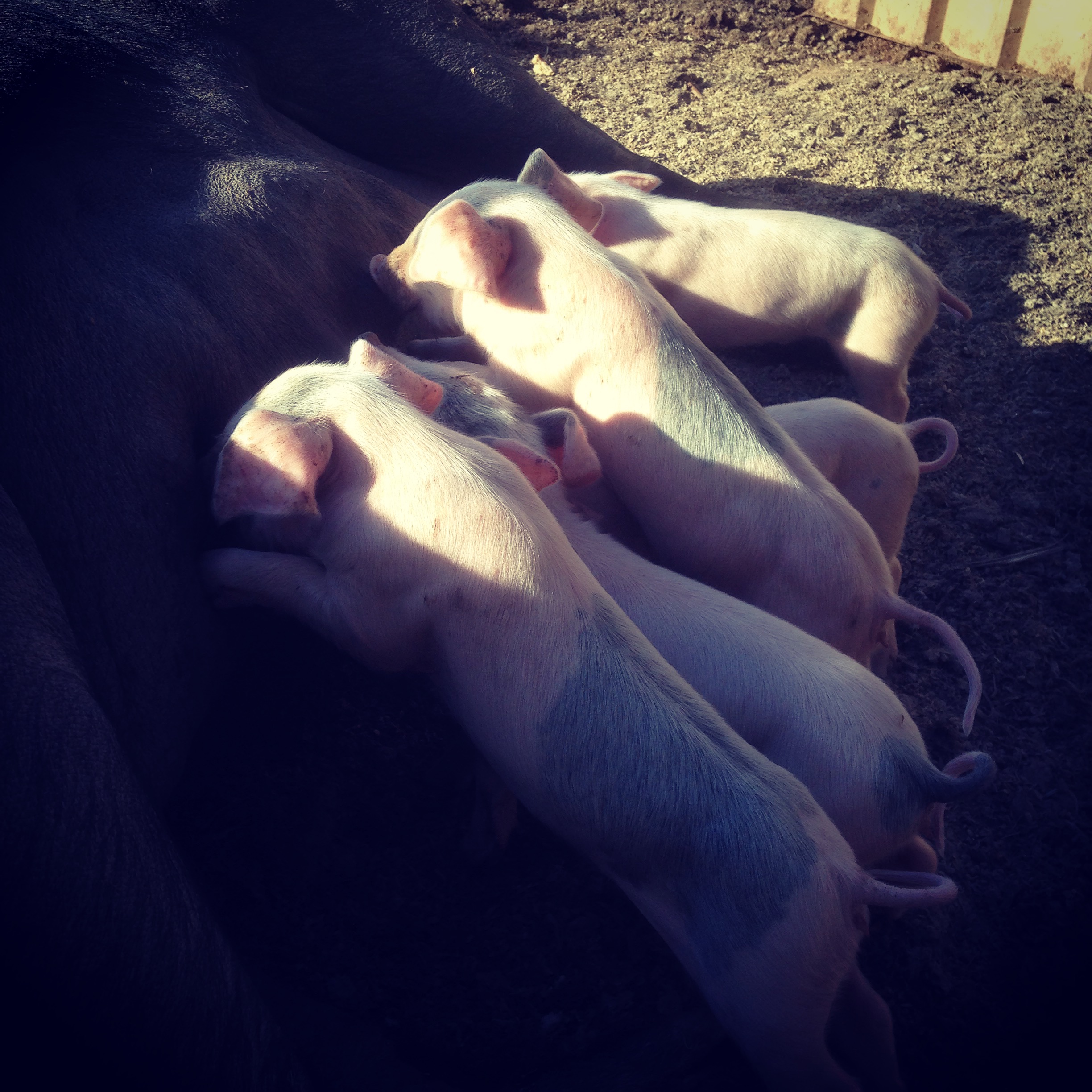
Piglet breakfast alfresco.

Piglet breakfast alfresco.

This is Captain at nearly 4 weeks old. She's a sweety!

This is Captain at nearly 4 weeks old. She’s a sweety!

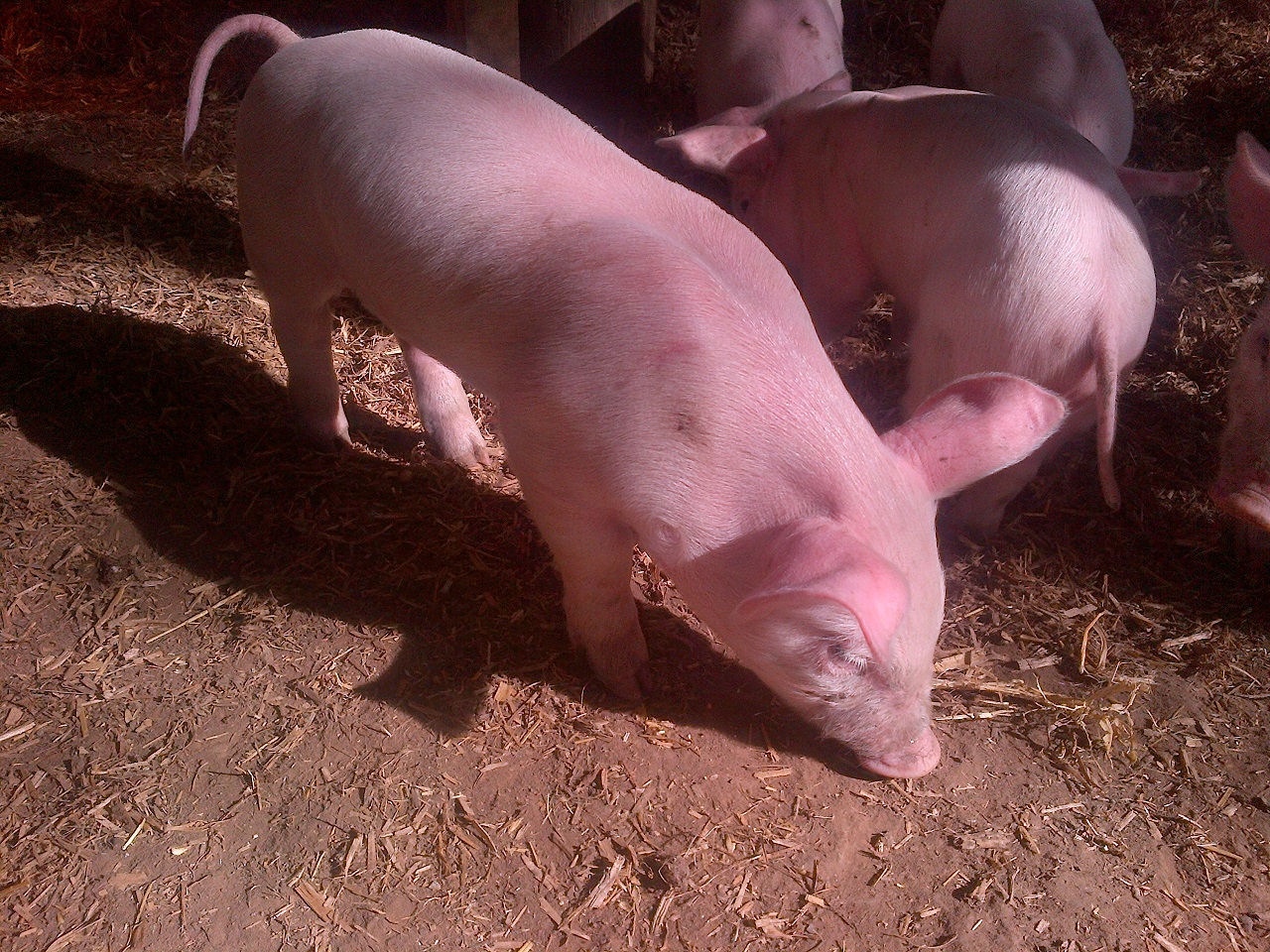
The last thing of note with these piglets is their size. At 4 weeks old they are super boofy in the shoulders and really quite large. They are easily the best piglets we’ve ever had, and I have high hopes for the quality of the pork.

This is at just shy of 4 weeks. There's no real frame of reference, but they're the largest piglets we've ever had.

This is at just shy of 4 weeks. There’s no real frame of reference, but they’re the largest piglets we’ve ever had.

Dumbo is slated to be the spit-pig at our wedding, assuming he grows big enough in the next couple of months. I’m really keen to see how it goes. It’ll be a bit bitter sweet, which is apt for a wedding, as these are also the most affectionate piglets we’ve ever had. They always end up friendly in the end, but this litter has been super-affectionate right from the start. Dumbo races over to me and flops on my shoes for a belly rub every time I go in there. 😦

Though we’ve not tried the meat yet, I’m confident that this experiment has worked well. While I’m not going to race out and swap our white girls for heritage breeds, I may swap our boar out for a Large Black.

Miss Swan doing it for the lolz.

Miss Swan doing it for the lolz.

Oh, and Socks obviously didn’t drop at the same time as her sister. It was only when her sister dropped that I was confident that Socks was even pregnant. At the time we figured she was probably a fully cycle out from her sister, meaning she’d be due 3 weeks later. I’m going to save that for another blog entry though, as Socks’ litter was even more surprising!

Harry The Hereford Heiffer!!!!!

Our “retired” neighbour, Farmer John, has an 80 acre scrub block about a kilometer from our house. I say “retired” as I think he still works more than anybody I’ve ever met, with the exception of me of course. 🙂 Anyway, he has this scrub block and he runs cows on it. He buys them from the markets as little fellas, puts them on the scrub block with fairly low stocking rates, and lets them get fat. Over summer he’ll supplement their feed with cracked grain and/or rolls of good hay. The result is true free-ranged, grass-fed beef.

The problem we face here is that farmers can be strangely risk adverse. It’s strange because their entire living is risky and completely dependent on the elements. With that in mind you’d think they’d take risk in their stride, but many of them really don’t. In this case, Farmer John buys these little calves, fattens them up, produces an absolutely premium product, and then sells it cheap to a middle-man. He’s happy because he doubles his modest investment with no risk. I bet that middle-man is happy because he’s getting a product where he can make 500% on the cheaper cuts and over 1000% on the prime cuts. Hell, John even pays to get the beasts transported down there, the middle-man just sits back and has this amazing product delivered to his door. That bothers me.

We don’t currently have the land to run cattle, though we want to change that in the not-too-distant future. It occurred to me that we could enter into a business arrangement with Farmer John, change is business model, cut out that middle-man, and get this amazing product to the people we know. To me this had the double benefit of helping John, who is the best of men, and opening up an affordable line of ethically raised beef to my friends. That makes me smile.

It took some convincing, but we have John on board. We’ll own the risk, as I think that’s really the only way I could tempt him into this kind of change. This first time will proved the concept to him, after which we can look at making it a true partnership. The advantages here are significant:

  • More money to John for the product. Farmers are screwed enough by having prices dictated to them. This helps us break that ridiculous paradigm.
  • Less cost for John, as he’s not transporting them to an abattoir 2 hours away.
  • The husbandry becomes less finicky for John too. The middle-man pays less than the piddling amount he pays anyway if the carcasses have fat over some middle-man-dictated threshold. I’d actually rather the cows have slightly more fat, as the meat is better. Fat is flavour!
  • There is a much smaller carbon footprint, as we’re taking the beasts to a local abattoir. The carbon footprint here is relatively small anyway, as they’re raised close to home and any supplementary food is grown in the paddocks around them.

I see all of this as a small but meaningful step towards breaking the mind boggling supermarket duopoly we have in this country. It’s baby steps, but if we can start cutting out that middle-man then we can help ensure that our meat animals are treated well. Every little bit helps…

Farmer John has 3 or 4 cows that’ll be ready in the first quarter of 2015. We put out an expression of interest via social media, just to gauge the demand. As it turns out, there are a lot of people out there who want access to this kind of meat, and we could pass on John’s beef a couple of times over.

This post isn’t actually about those cows though. That’s just all set up for this story… 🙂

One of John’s cows gave birth about a year ago. He was unhappy with that, which surprised me. I’d be delighted with a free cow. However, that low-risk, quick-turnaround farmer mindset kicked in. John just saw it as a delay to selling the mother, and a money sink as he’d have to feed them both on. He offered this new calf to us, letting us keep her up on his scrub lot until we wanted to get her processed. Linhda named her Harry, Harry the Hereford Heiffer. 🙂

I’d normally feed a cow on for 18 months to 2 years, but that’s not really an option when she’s living on somebody else’s property. We took her to The Other Farm last week, with the aim of having lots of BBQ meat for the Summer and for when my brother and his family visit in January.

This was a good test of the logistics of our budding new commercial relationship too. We had to go pick her up in our newly jazzed up stock trailer and transport her to the abattoir.

Stock trailer on a temporary trailer ramp. Farmgenuity at its greatest!

Stock trailer on a temporary trailer ramp. Farmgenuity at its greatest!

John’s cattle yards and ramp are built for trucks, so there was farmgenuity involved to build a temporary ramp for the trailer. It worked a treat though, and we’ll get something more permanent in place shortly.

The real test though was for us. We’ve been here a few years now, and I thought we were 100% country if not 100% famers quite yet. We breed, grow, load, move, kill, butcher animals all the time now, and I saw us as pros. Oh, how wrong I was. 🙂

We’re used to animals that are tame. Our wildest animal will still come up and eat out of your hand and let you give them a love. Our tamest animals will let you drop the tail gate on the trailer, step out of the trailer, and then follow you into a holding yard at the abattoir. Harry, on the other hand, was born in the scrub block and had never been handled. She was WAY different to what we were used to.

John and I herded her into a yard and were closing some gates when she ran back towards us. I was going to jump in, arms spread out, to herd her back, when John barked at me. I honestly didn’t know why I shouldn’t get in there with this effectively wild quarter-tonne animal. It never even entered my mind that she’d try and go through me.

Harry ended up going up the ramp in short order, I closed a gate behind her, and she jumped into our trailer. She was unhappy with that, and banged around a bit, but she calmed down as soon as we took off. She transported perfectly, and unloaded at the other end without a lot of problems.

On a side note, the holding pen we were going to unload her into had 4 other cows in there, all about Harry’s size. My plan had been to open an adjoining gate, get in there, and coax them into the next door pen. Again, it had never occurred to me that these animals would pose a danger to me. After seeing Harry’s reaction to us however, I let the young guy at the abattoir move them across. He was a pro at it too, using the swinging gates to get himself up and out of their way.

Dad, Linhda, Peyton, and myself were all there for this entire process. After seeing Harry’s unhappiness we were all a little distressed too. We’d just never experienced an animal that was upset in any meaningful way, and we had a long, long, long talk about it. This was especially important in light of the fact that we want to do the same with 3 or 4 of John’s other cows.

To me, this all comes down to keeping perspective. Harry lived her entire life in what must be close to Nirvana for a cow. She lived completely stress free, and was in amazing condition. She literally had a half-hour of stress in her entire life, and that was in the loading and transportation part we were involved in. For most of that transportation part she was sitting down and calm anyway – it was really only the loading that she was upset about. She spent the night in a yard with other cows, and would have calmed right down.

The cows we’re getting from John in a month or three are actually half-tame, and shouldn’t be stressed when we load them. They’ve been loaded and handled before. Harry was pretty much the extreme test for us, being wild born and having no real human interaction. This was an invaluable lesson for us, and actually proved the logistical part of our plan to us. We now know that we can do this, do it properly, and do it in a way that is safe for both us (if I’m smart enough to stay out of the yards) and the animals. We probably couldn’t have asked for a better initiation.

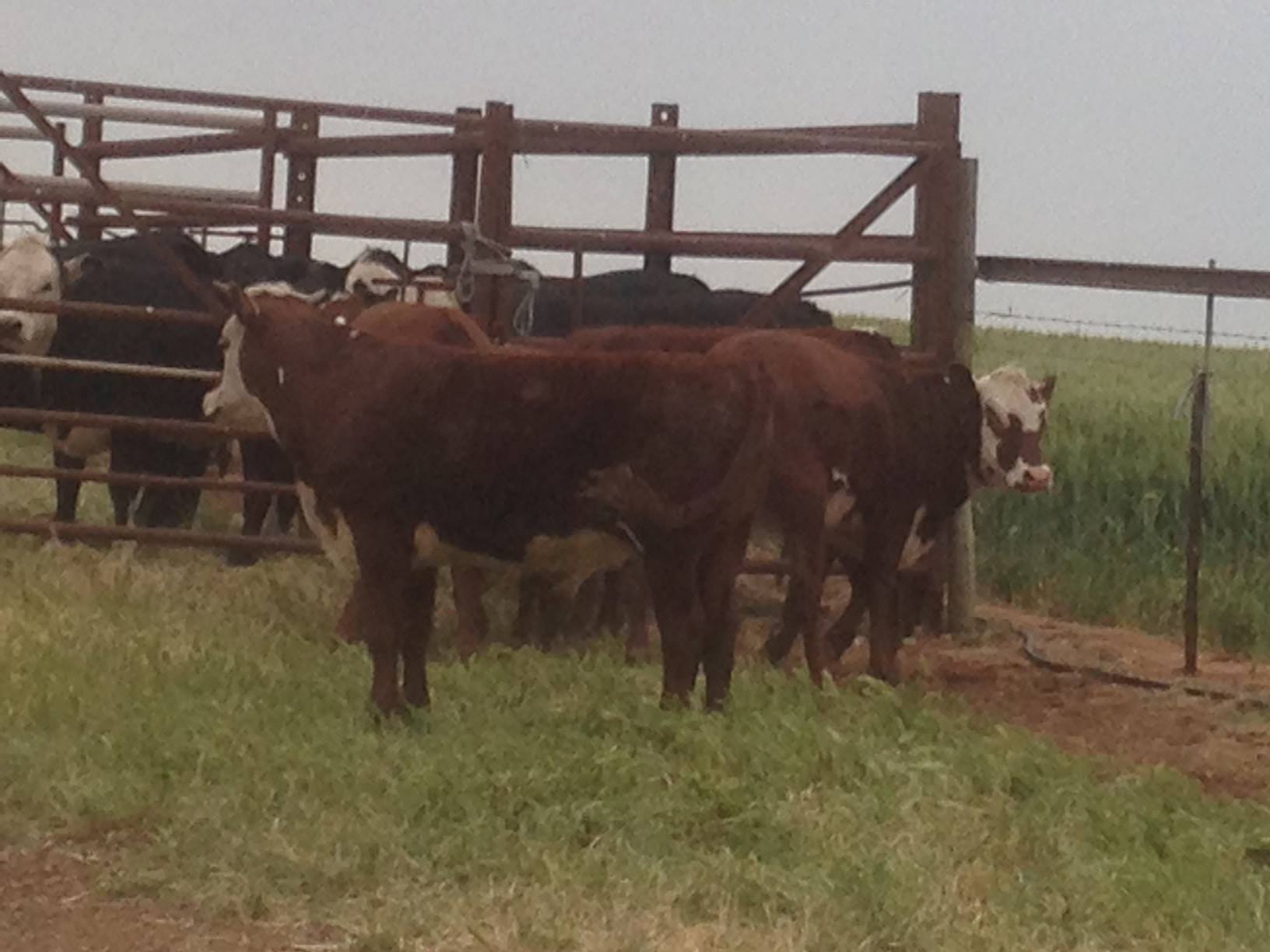
Harry is at the back, facing out to the right. She was a little camera shy :)

Harry is at the back, facing out to the right. She was a little camera shy 🙂

Lucky Duck!!!!!

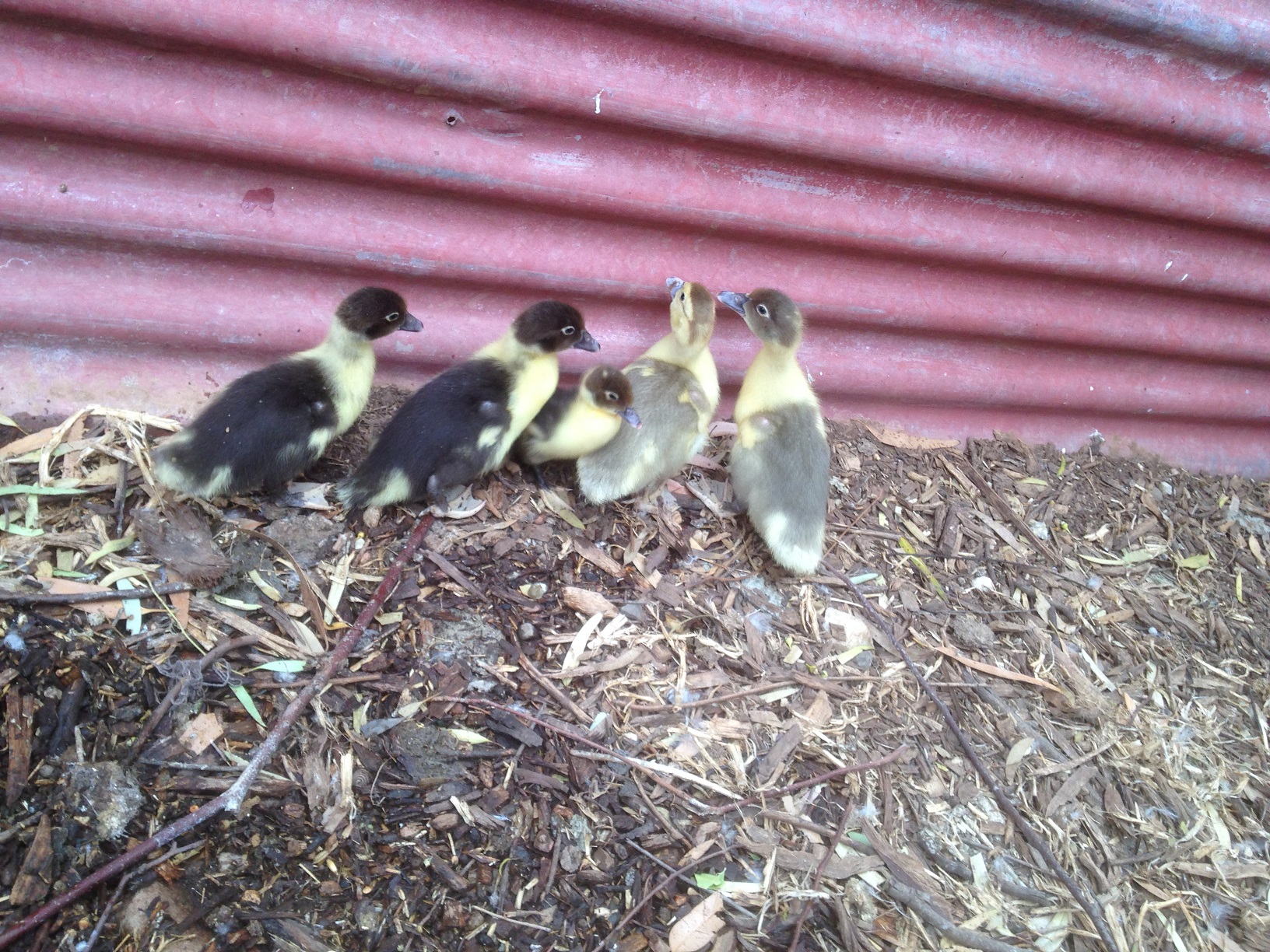
Our ducks started sitting on eggs at the start of October. They ended up on 10 or 12. They don’t have a great record when it comes to hatching. They’ll be sitting on a stack, but end up hatching only 2 or 3. In those cases, most of the eggs that don’t hatch are duds; however, you always get a few that have ducklings in them but that have been left.

To us, who are admittedly amateurs, it looks like the mums hatch a few eggs, seem happy with those babies, and then forget the rest of the eggs. Part of the problem might be that there are always 2 or 3 broody mums at the same time, and so the eggs hatch over several days. The mums may get the first round of babies, figure they’re done, and so stop being broody. Either way, it sucks and we’ve been working on ways to fix it.

This time around we had 6 hatch, though we had a couple of squashings as the drake was still in there. Being a mammoth muskovy, he’s a big boy, and the babies aren’t safe. The squashed babies may not have hatched properly, so it may not be entirely his fault. We moved him out anyway.

One of the three mums was sitting on one egg in the corner. The other two were together the entire time, and were quite aggressive to that lone girl. Once the 4 babies were born it got to the stage where they just attacked the single girl, and I let her out of the run. Her egg sat there on its own, and after a day I figured it was dead. I picked it up, and it felt light. It was certainly stone cold, and I couldn’t hear or feel movement. I was positive that it was dead after checking it over, and so threw it to the pigs.

I need to set the stage here. I didn’t just throw it to the pigs. I took it to a trough and slung it in. My aim was to crack what I was sure was a rotten egg. As it turns out, it split around the middle, and exposed half a duckling. I was amazed to see that it had been fertile. I was freaking astounded when that duckling started to move.

I grabbed the duckling up before the pigs could make a snack out of it. I was sure that I’d killed it. I mean, it was mostly dead from being out all day and being stone cold. I had no idea if it was still a few days from being due to hatch, and I’d thrown it with force into a pig trough. None of those things are conducive to a healthy or happy birth.

It’s normally a bad idea to hatch chicks or ducklings manually. You let them do as much as they can, maybe giving the weak ones a small hand. That was clearly not an option here, and I manually hatched this guy as quickly as I could.

We had a brooder set up full of chicks, but I couldn’t put him in there. I ended up getting a small glass tank and putting that in the brooder – the duckling got the heat he needed without being swamped by crazy chicks.

The duckling was moving around and making noise, but I had no faith at all that it’d make it. I mean, how could it?! However, the next day I got up and he was up and moving. Over the next few days I had him with me as much as I could, and spent quite a few hours working at my desk with this little duck snuggled between my jumper collar and my neck/shoulder.

I named this duck “Lucky”, and clearly don’t have to explain why. 🙂

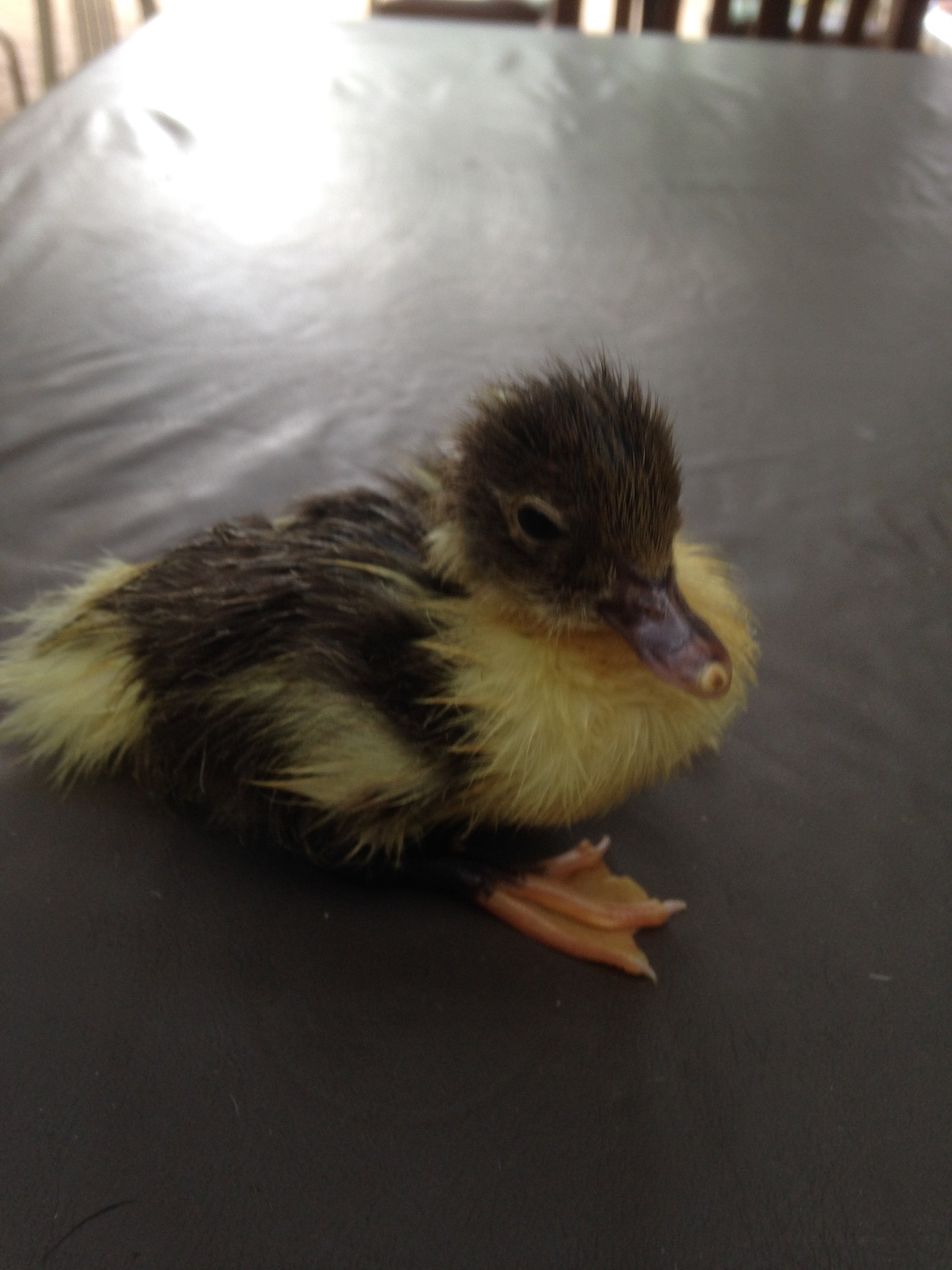
Lucky at about a day old.

Lucky at about a day old.

Lucky spent several days living in his little BIB (Brooder-In-a-Brooder), and was eating and drinking. As much as I loved having him around, it made sense to get him back with his brothers/sisters/cousins. I was worried how the mums would react though. Lucky was much, much smaller than the other ducklings, and the mums had never been involved with him.

It took a couple of tries over a couple of days, but the mums eventually accepted Lucky. It was amazing seeing him running around with his much bigger siblings. The largest duckling is literally 3 times the size of Lucky, but he fits right in and is always part of the pack.

Lucky is the middle one. The size difference is noticeable.

Lucky is the middle one. The size difference is noticeable.

This has taught me to be careful with the eggs I think are duds. The mums left behind 4 or 5 other eggs. I checked them and each had a fully developed duckling, though all had been left and were dead. We didn’t have a single infertile egg in this batch, and potentially could have ended up with a dozen ducklings. I like the mums hatching them, rather than taking the fertile eggs off of them. What we’ll do next time though, is let the mums hatch their handful and then we’ll take the rest of the eggs and put them in the incubator.


Learning All The Time…

We’ve been ridiculously time-poor lately, to the point where the blog is a couple of months behind. Looking back, however, we actually managed to squeeze a fair bit of farm stuff into that couple of months. I’m going to summarize that time by listing the many, many, many things we learned.

Chooks – breeding them and eating them.

New babies!

New babies!


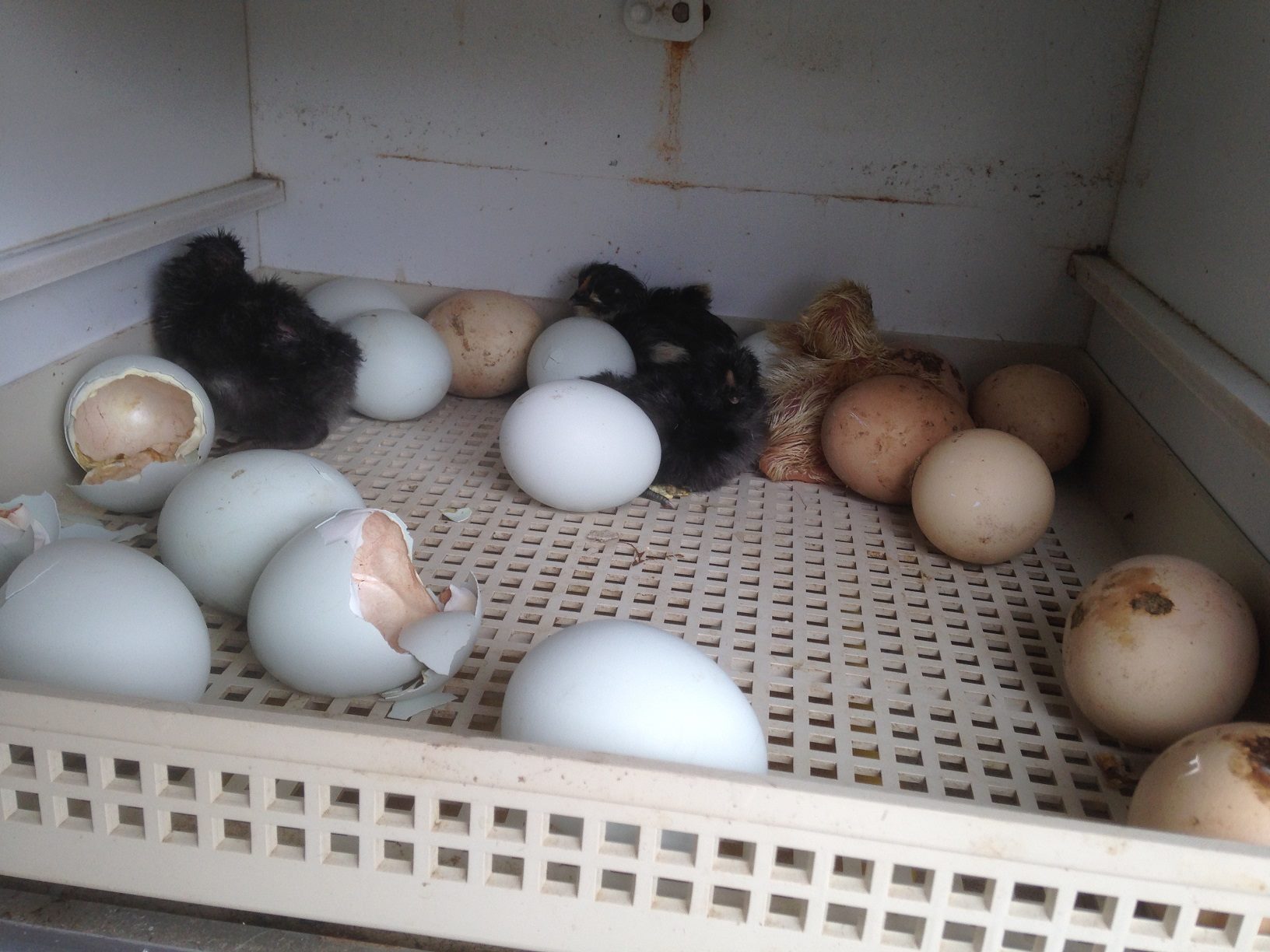
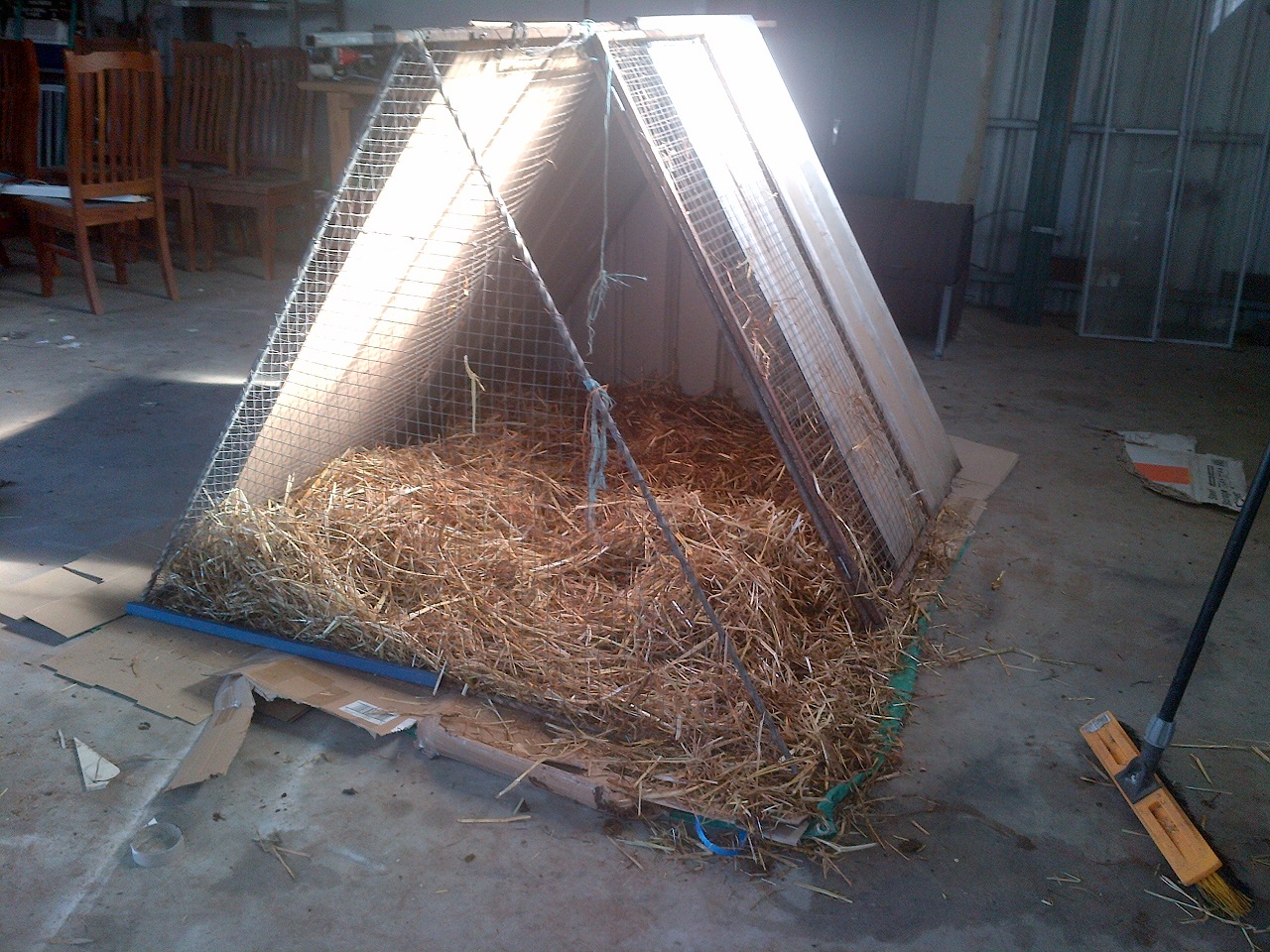
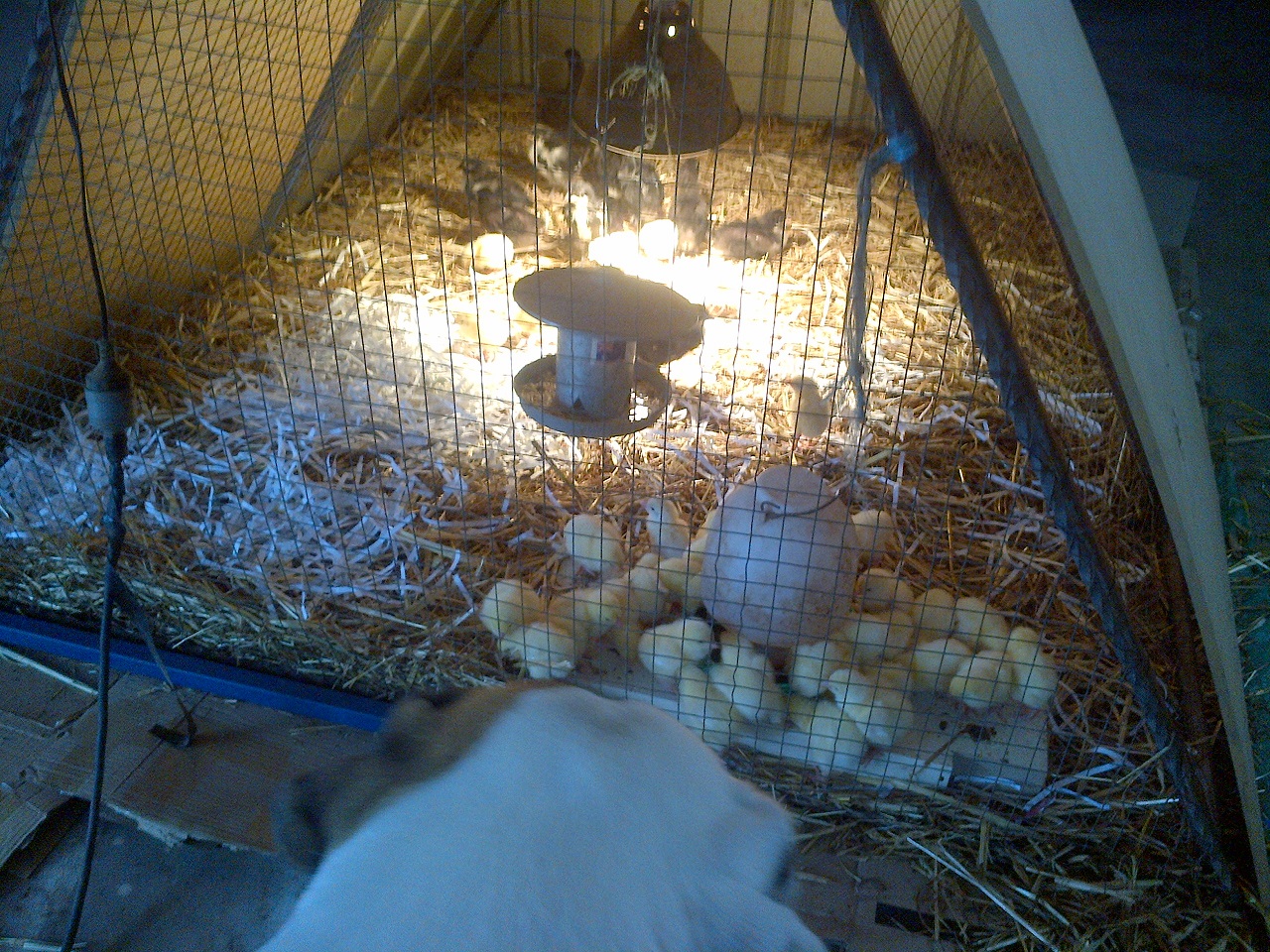
We hatched a couple of batches of chooks – both ours and a friend’s. Our hatch rate is good, but we’re losing the babies after the fact. I think we made a couple of mistakes, including putting them out in the brooder too soon when it was a cold night, swapping them to grain too early, and having too many in our larger A-frame brooder. Even with those mistakes we still have a heap of young ones on their way up. Now we need to have room to keep them. Along those lines, we created our 5th poultry area around that time, putting some egg ducks around the side near Farmer John’s place.

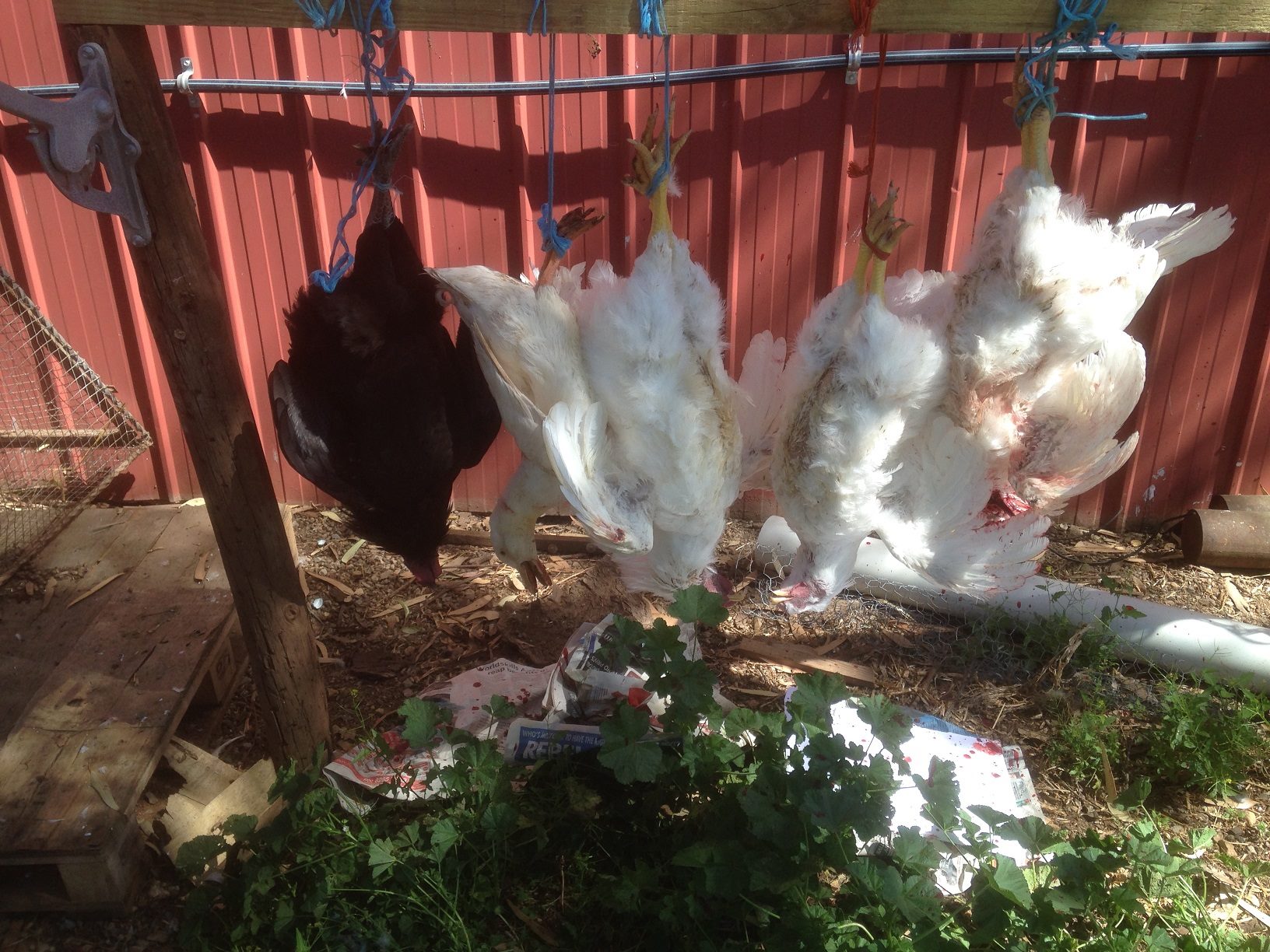
We processed a couple of batches of chooks, and both went well. The new neck-breaker works very well, though you have to be aware that the birds do still flap around which can be disconcerting if you’re not ready for it. The automatic plucker works a treat if kept down to 2 or 3 birds. In theory it can take a half-dozen, but that doesn’t work well.

Lining up the meat birds...

Lining up the meat birds…


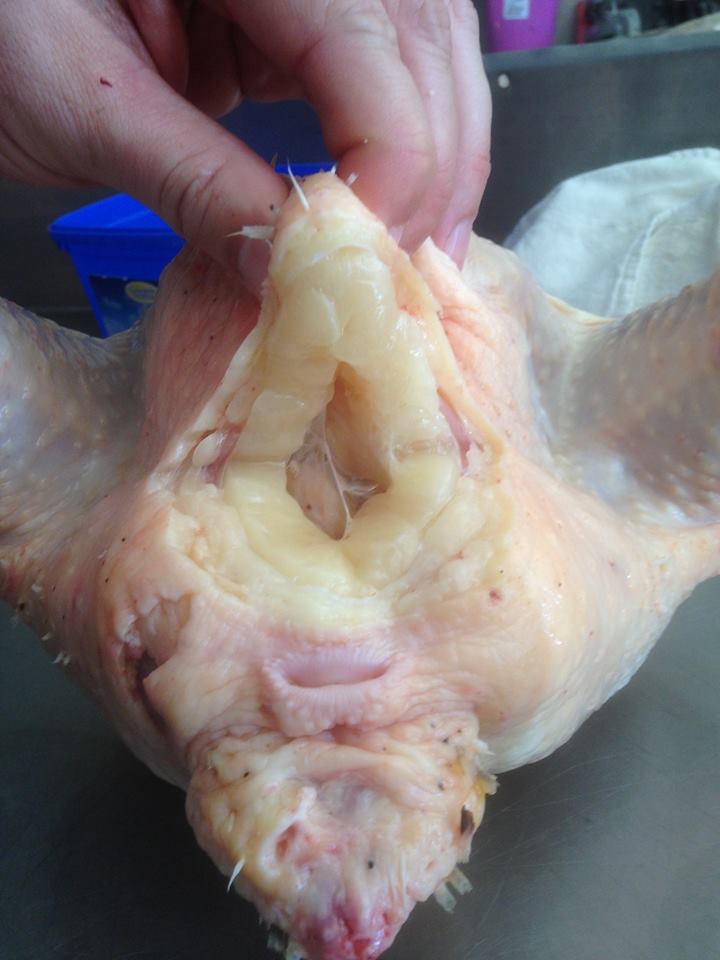
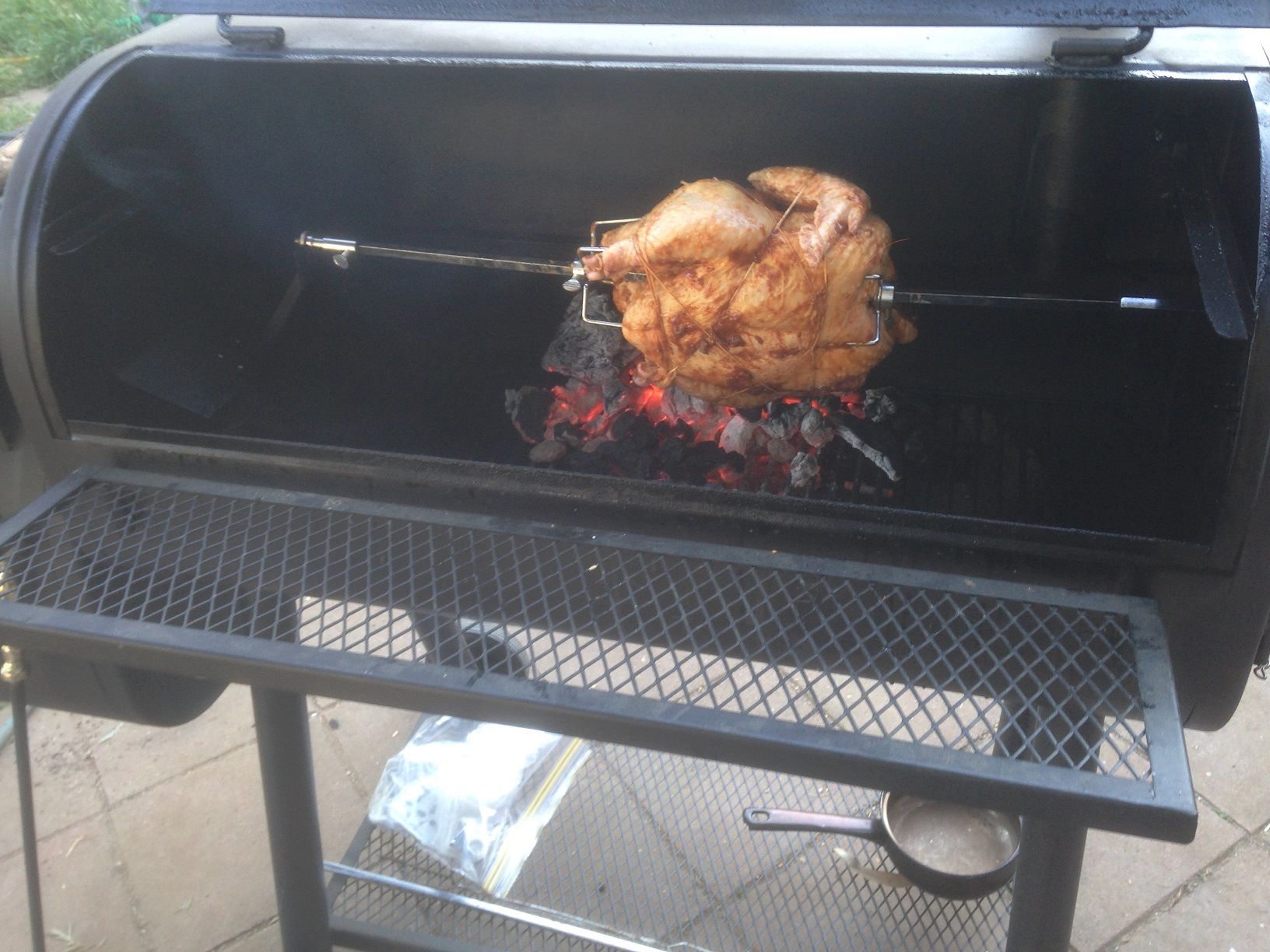
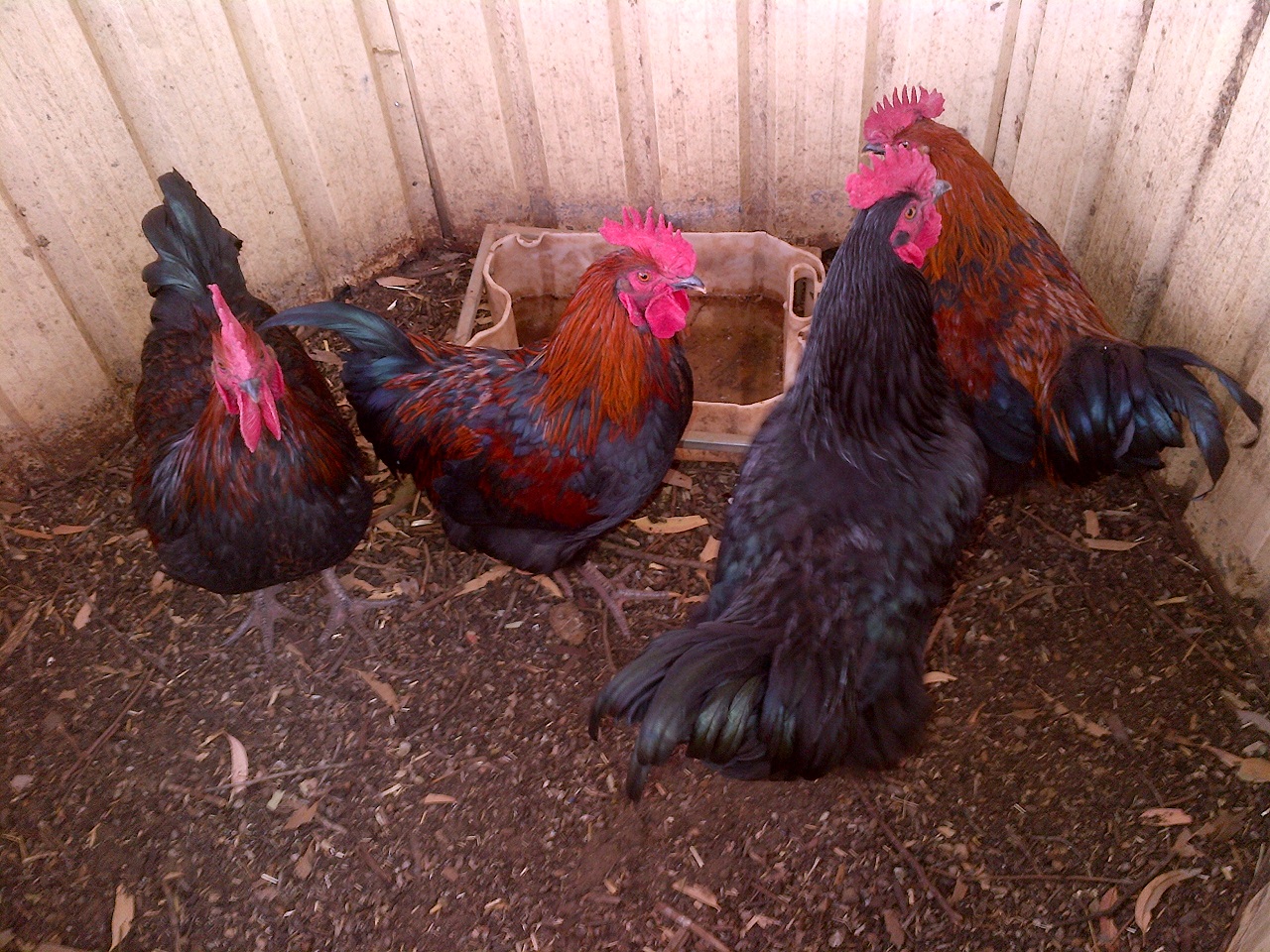
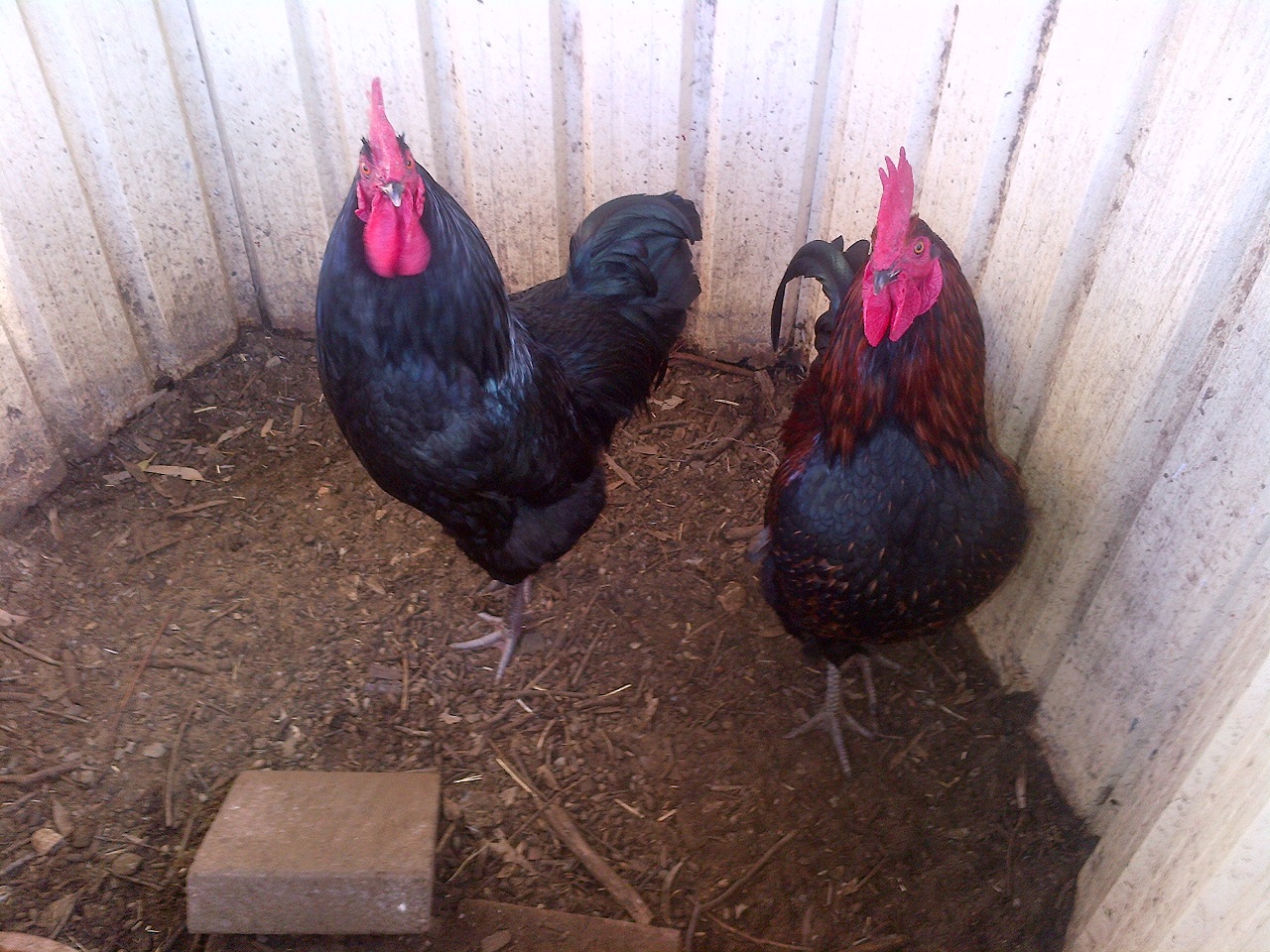
The other thing we know for a fact is that “dual purpose” birds aren’t always great for meat, particularly not roasting. Our Australorps and Australorp cross roosters are lean and dark. The meat is great for soups, stock, and slow cooking, but really no good for roasting. The Cobbs, on the other hand, are amazing roasters, as evidenced by the layer of fat in them.

That layer of fat is why the Cobbs roast so well.

That layer of fat is why the Cobbs roast so well.

Best. Charcoal. Chicken. EVER!

Best. Charcoal. Chicken. EVER!


This just demonstrates to me that we need to push forward with our plans to make our own cross-bred dual purpose bird. I want one that leans heavily towards meat. I don’t care if the birds give us only 150 eggs a year – I’ll keep 30 of them if I need to. I just want babies I can raise as nice, fat roasters.

The other thing we learned is that the automatic plucker may not be great for ducks. The one duck we processed just seemed to fluff up in the plucker. We’ll try the Muscovy ducks we have, which are actually geese, and see how they go. If push comes to shove, we can always just skin them.

Pigs – also breeding and eating them.

Honey Pig had 13 babies at the start of September. All were born live, but two were definitely on the edge and neither made it the night. The big thing we learned here is that mumma pigs will clean up the dead babies if left to it. That worried me at first, but research showed that it’s a natural instinct. Gross, but natural.

The thing that strikes me about this is that Honey’s litter mortality is 15%, which is around the industry standard. Like all of our sows, she gives birth in a farrowing shed with a creep area set up for the babies – no stalls, no crates. She can be a straight-up bitch at times, but she’s a great mum and I love her. 🙂

We took a couple of batches of pigs to “The Other Farm” over this time period. The first included Bertha, our first teenage pregnancy, who was the star of our own pig-in-a-day. She was planned to be a baconer for us and some friends some months earlier when we discovered she was pregnant. It didn’t save her though, as she was a terrible mum and really seemed to like busting fences.

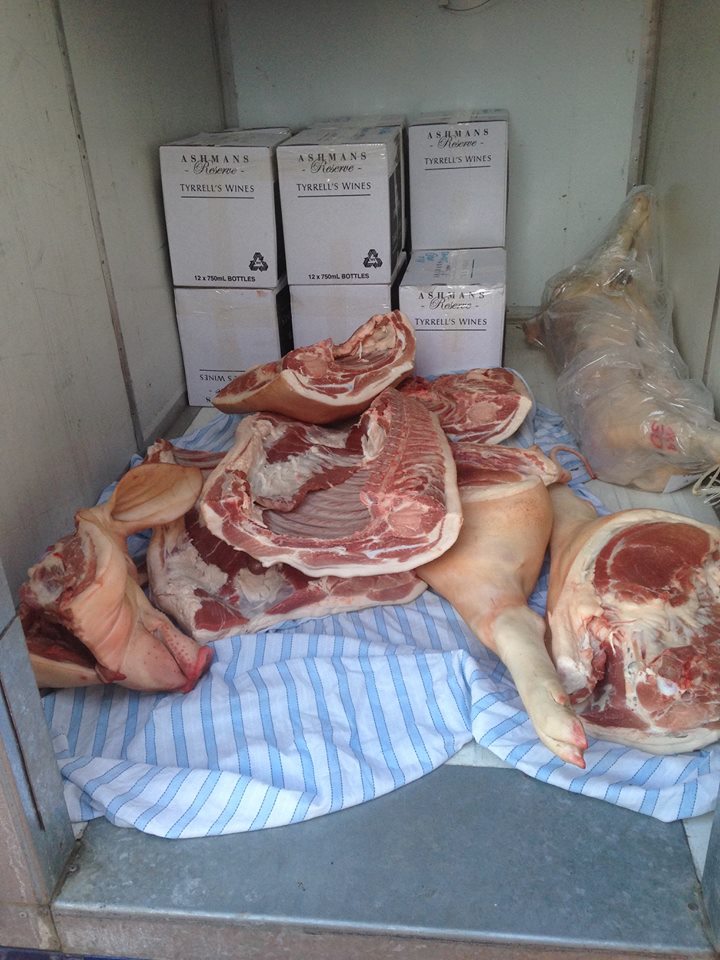
Bertha! You don't realize just how much meat 90kg is until you have to deal with it.

Bertha! You don’t realize just how much meat 90kg is until you have to deal with it.

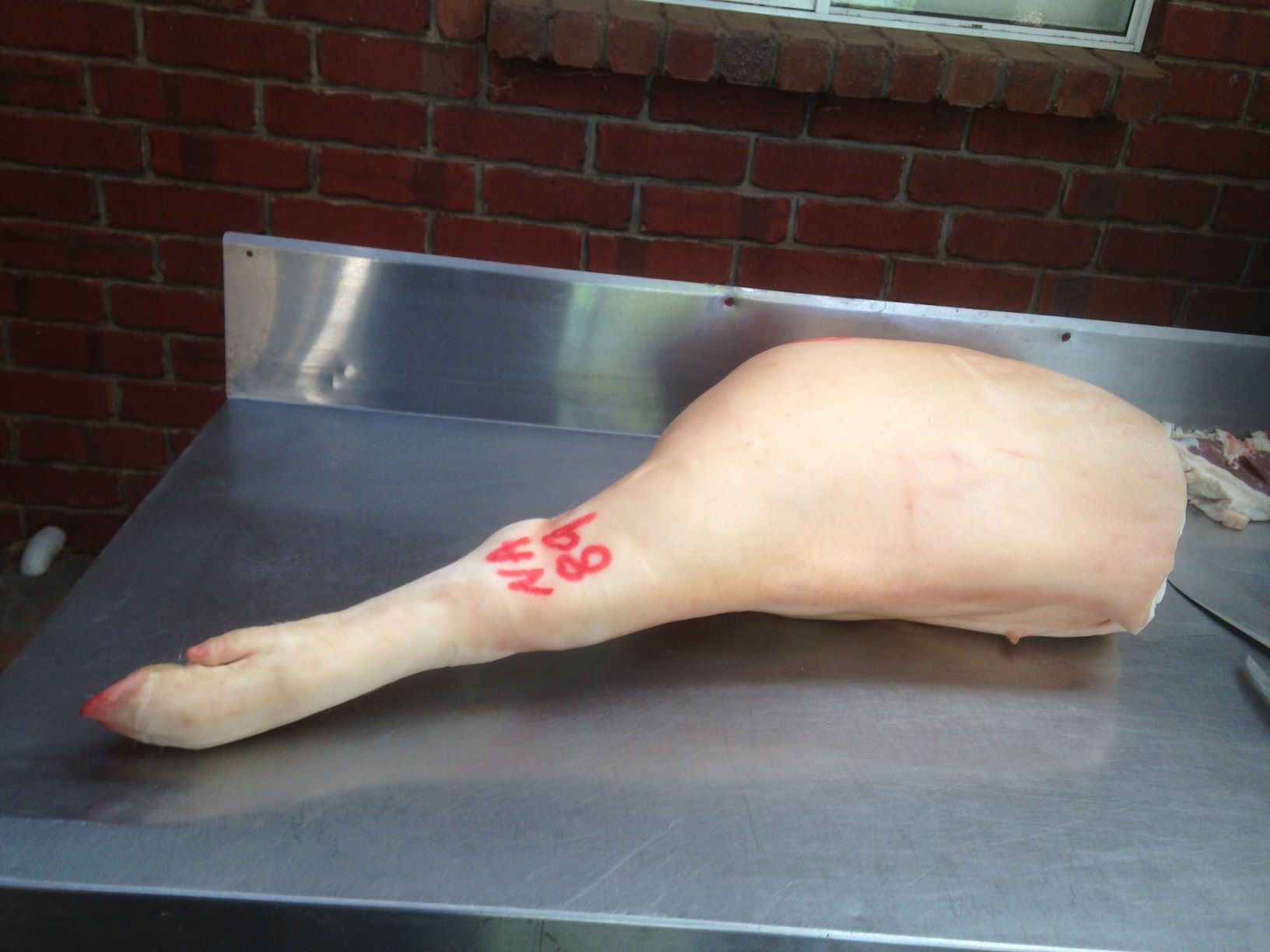
This became 2 hams.

This became 2 hams.


Bertha dressed out to 89 kilograms, and was the perfect size with the perfect amount of fat for what we were after.

We experimented more with bacon and sausages, and it worked out well. We need to play with both quite a bit more, but the results are invariably fantastic.

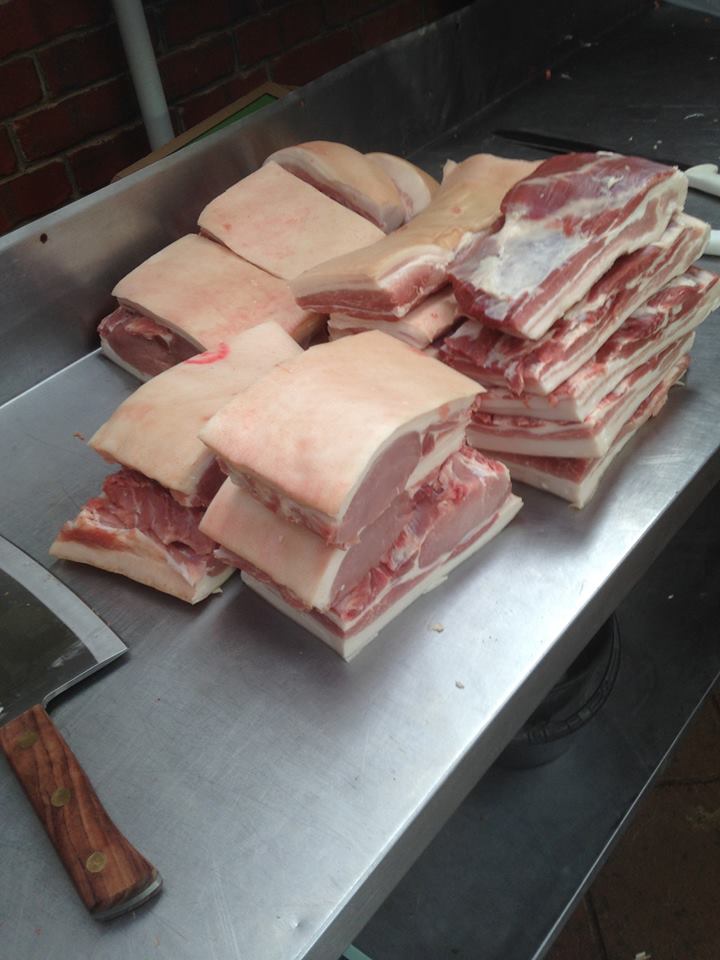
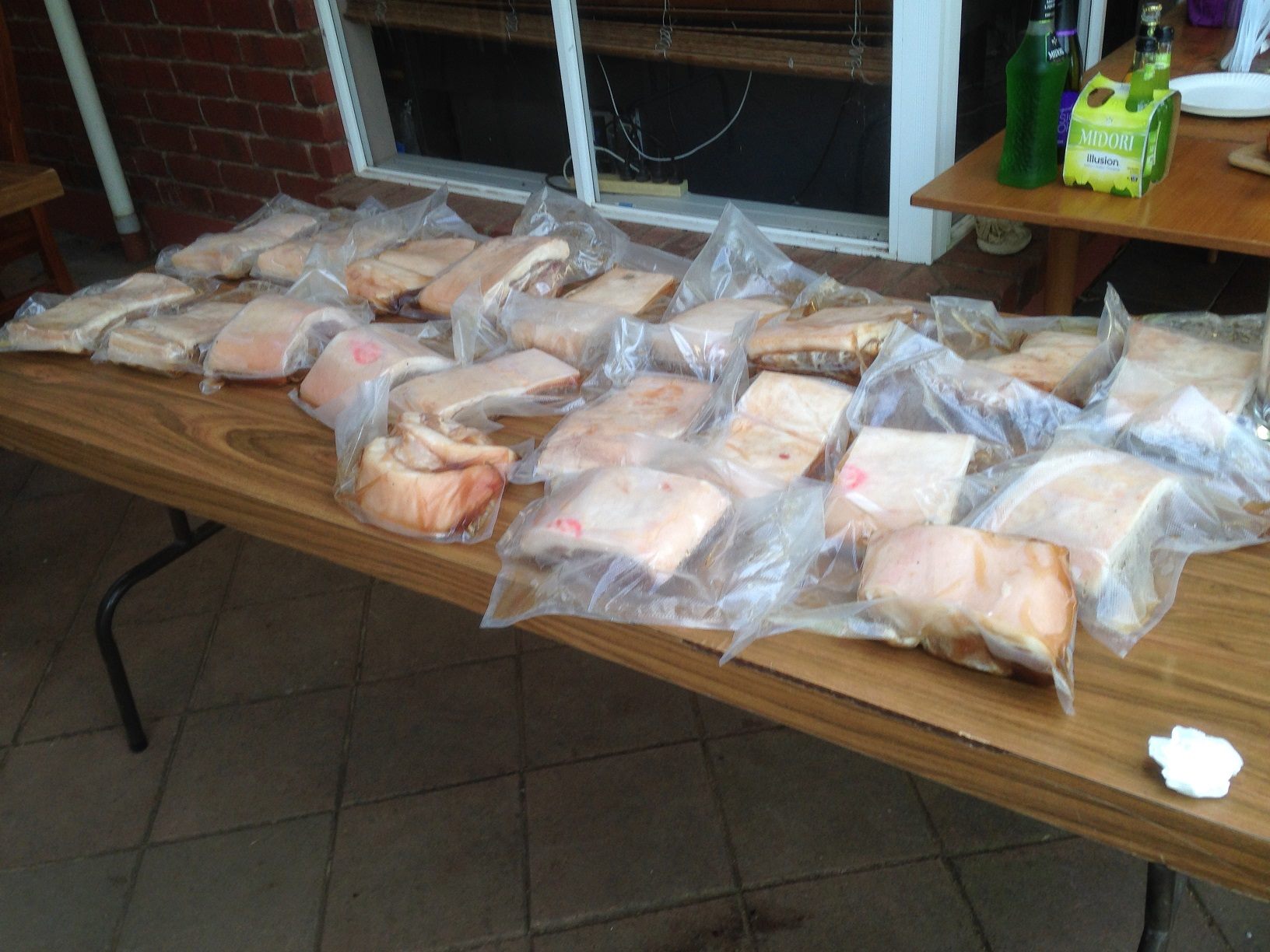
Belly and loin cuts ready to be baconed!

Belly and loin cuts ready to be baconed!

Bacon vac-sealed.

Bacon vac-sealed.

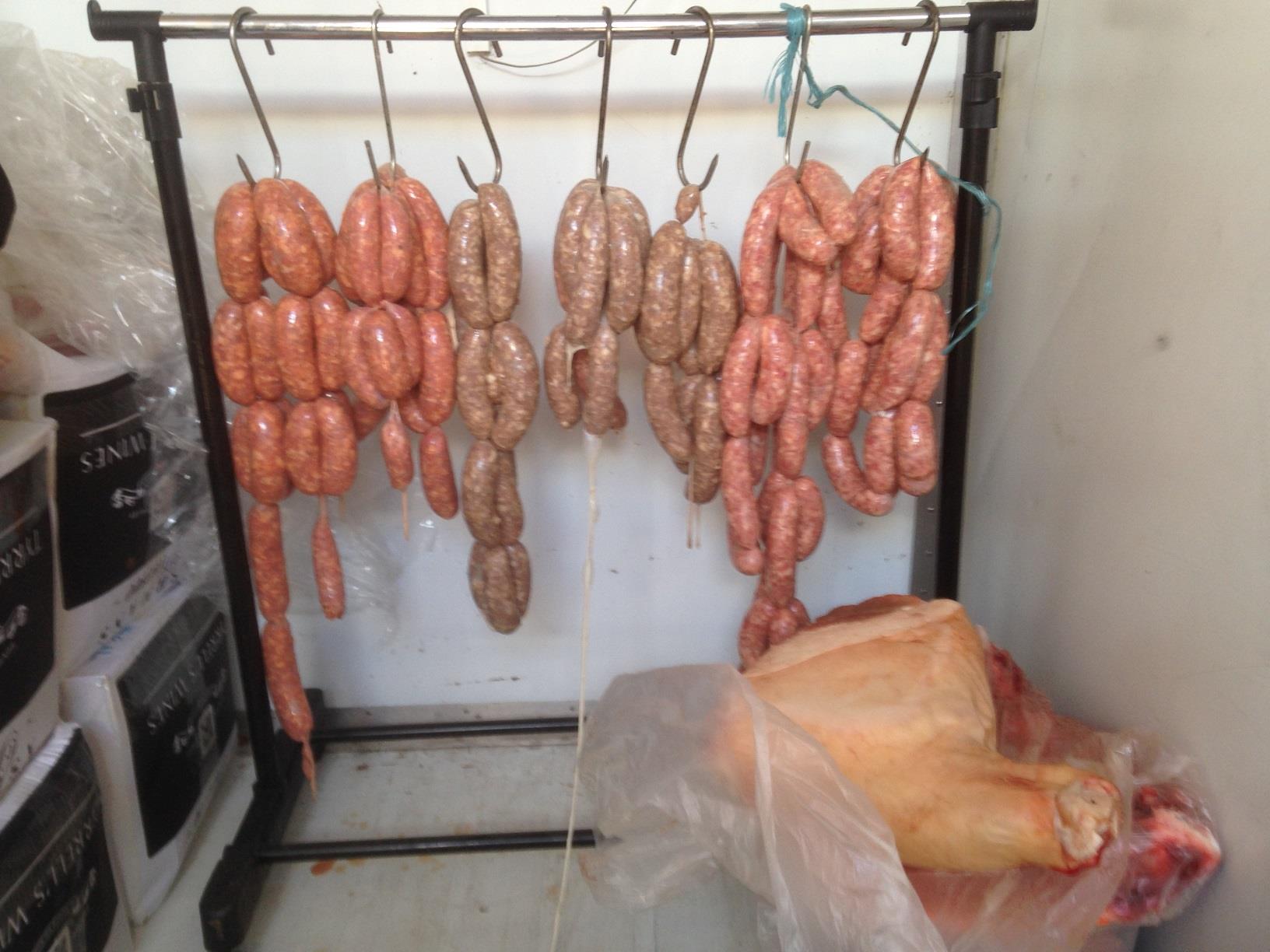
Bertha sausages.

Bertha sausages.

With the exception of the bread, this is a fully home-grown, home-made breakfast!

With the exception of the bread, this is a fully home-grown, home-made breakfast!


I think we’re a bit spoiled when it comes to these home-made smallgoods. I’ve had results that I thought were average relative to what we’ve done in the past, while friends who try the same product rave about how good it is. That’s a nice problem to have. 🙂

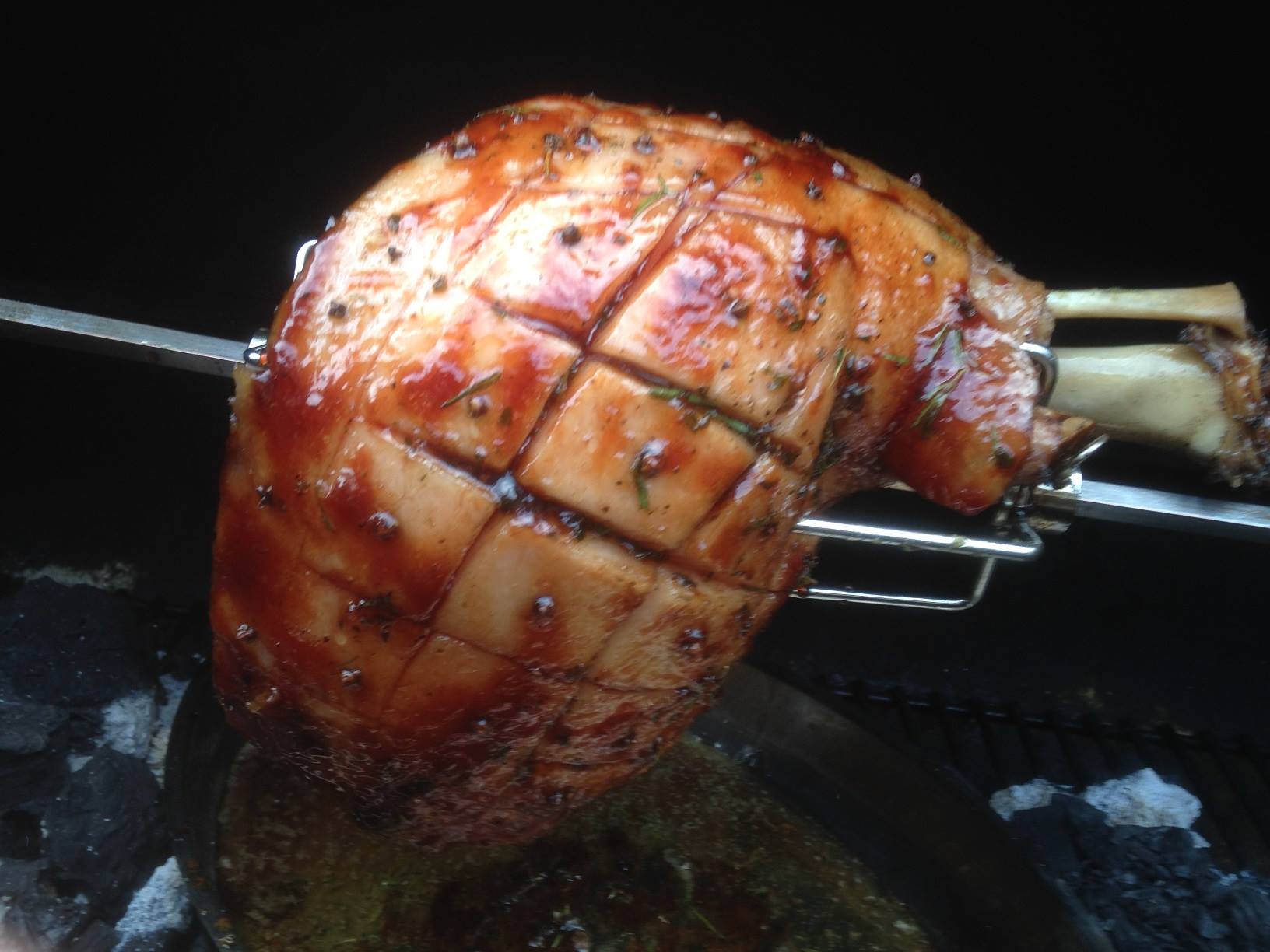
We also tried our first hams from Bertha. Linhda put down 2 wet-cured hams, and they both turned out well. Again, we need to play with the recipes a bit, but the results were delicious. After curing we smoked the hams and then baked them. We’re still a ways from air-dried ham.

Baking the first ham.

Baking the first ham.


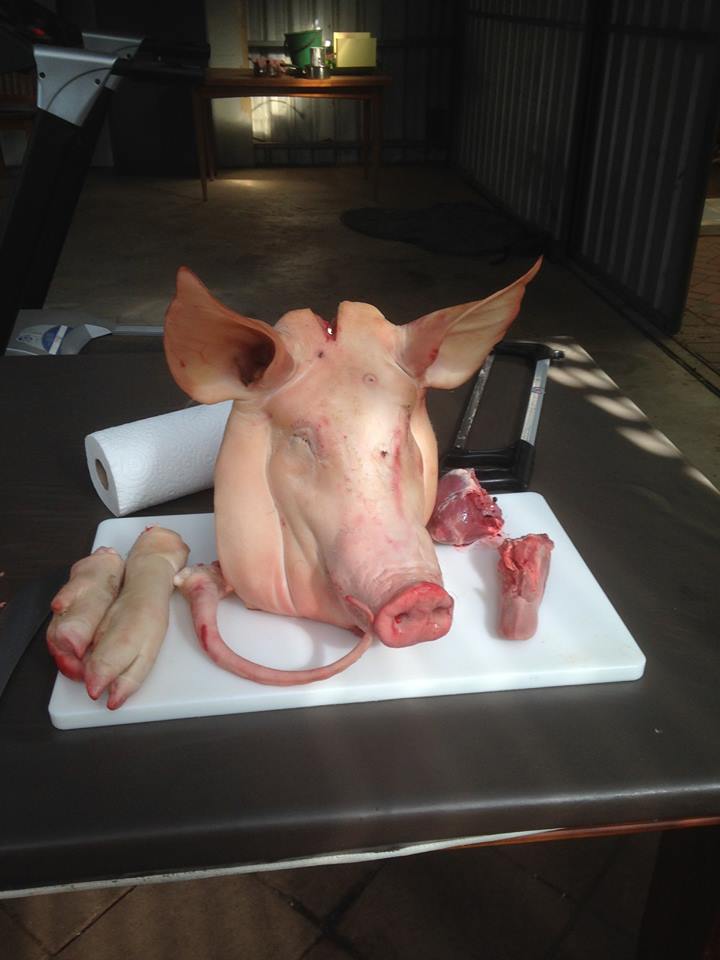
The other thing I’m determined to get right and to make a staple is brawn. I started making it to ensure that we used the entire animal, and was mildly surprised that it was so tasty. 🙂 This time I think we got it almost right. The only thing I want to do is increase the spice a bit.

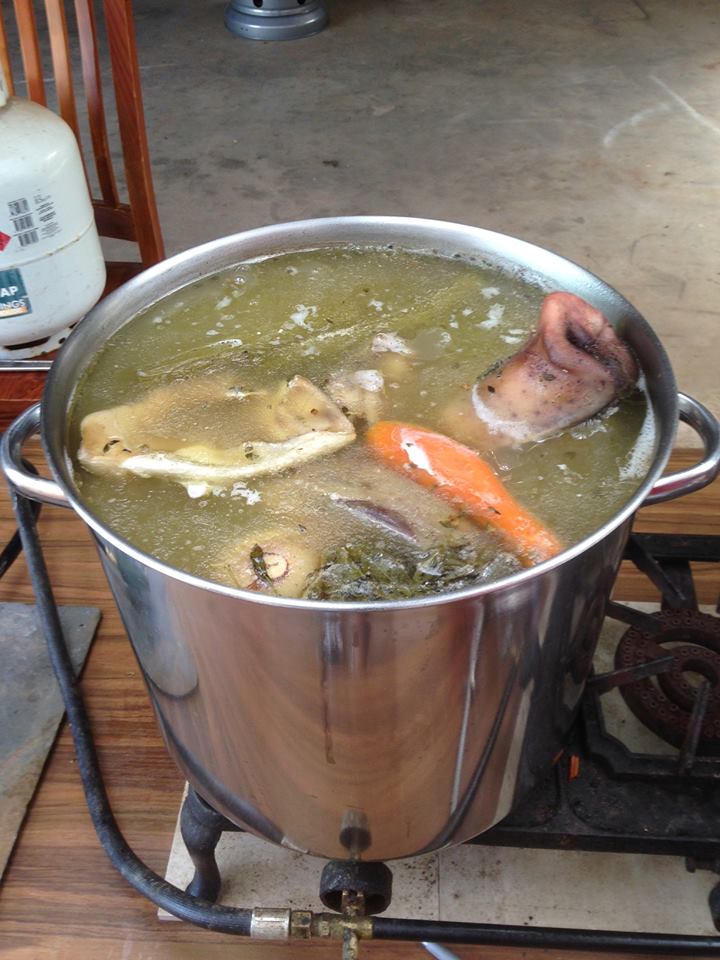
Bertha Brawn ingredients - head, trotters, heart, and tongue.

Bertha Brawn ingredients – head, trotters, heart, and tongue.

Simmering away.

Simmering away.

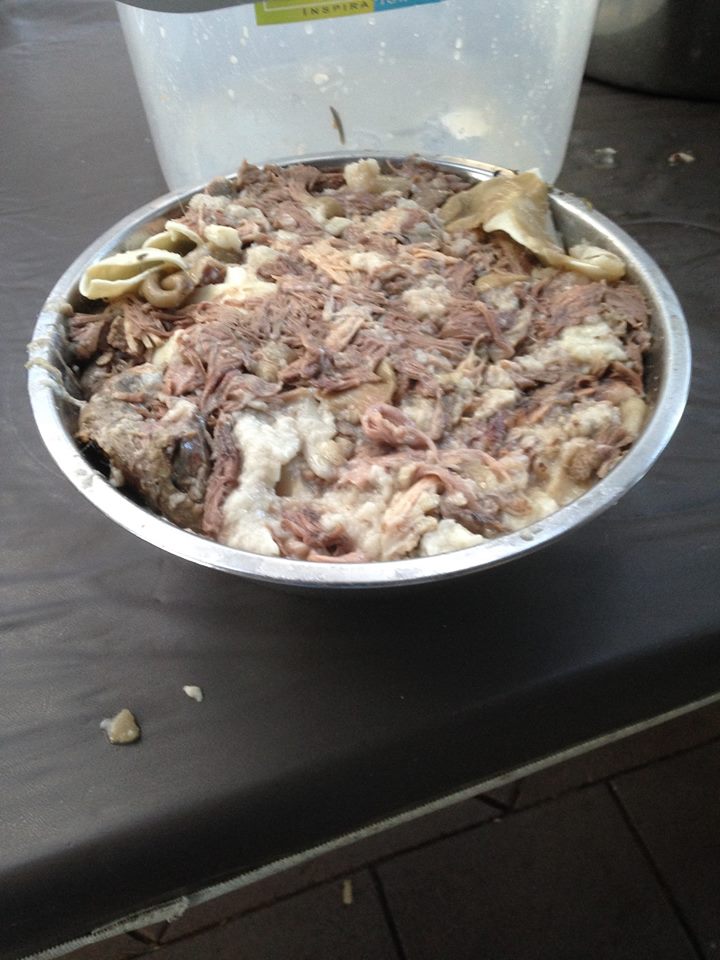
Meat, fat, skin all stripped off.

Meat, fat, skin all stripped off.

Put into a container, pressed in firmly, with a little bit of aspic on top.

Put into a container, pressed in firmly, with a little bit of aspic on top.

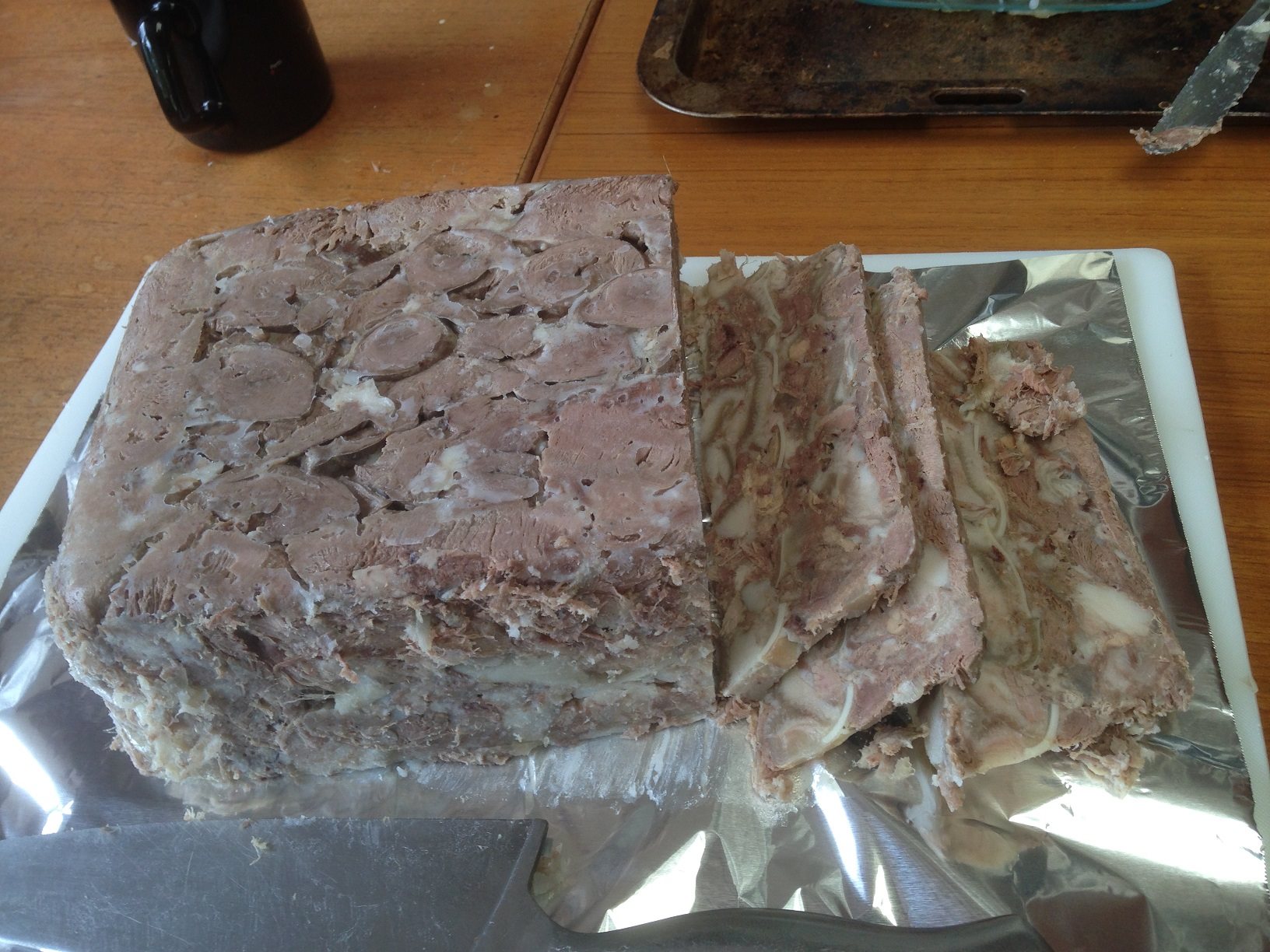
And the results were perfect!

And the results were perfect!

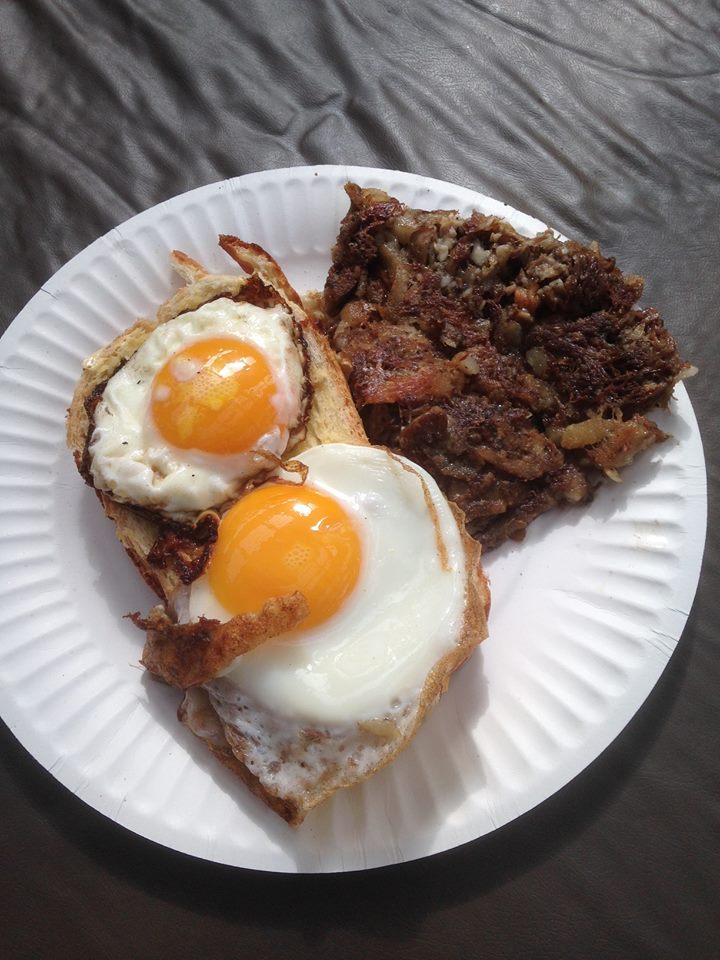
My favourite way to eat brawn - frying it removes most of the grease and it crisps up beautifully.

My favourite way to eat brawn – frying it removes most of the grease and it crisps up beautifully.


We also made stock, which is standard now for this kind of activity. I bang on about how good home-made stock is, and how you can’t really know the difference until you try it. Seriously though, it is amazing.

Home-made stock. Delicious!

Home-made stock. Delicious!


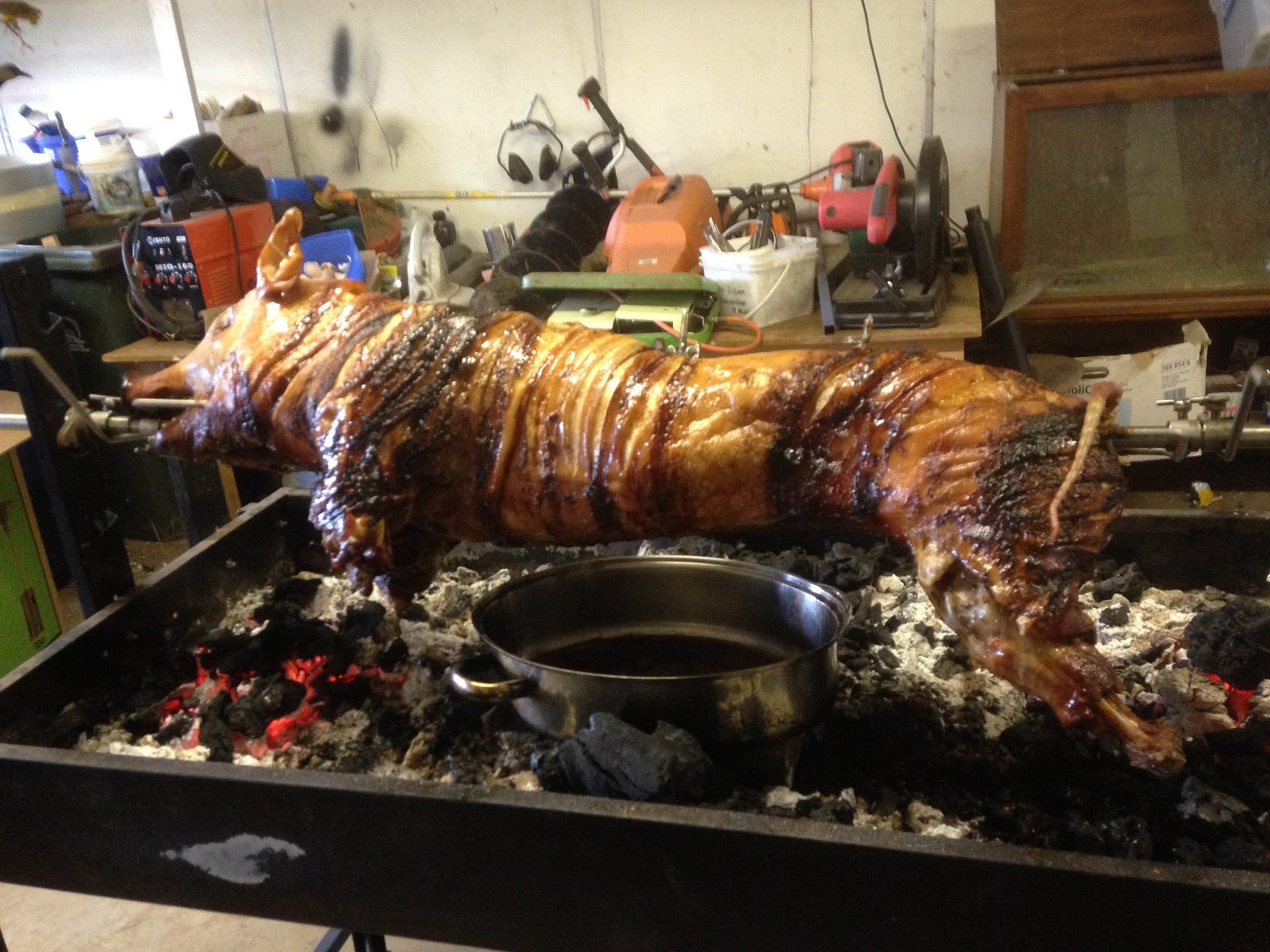
We also had the obligatory spit-pig. 🙂 This one was for Gemma’s 18th birthday party. We’re getting better with the spit-pigs, but it’s still more art than science.

Spit-pig for Gemma's 18th.

Spit-pig for Gemma’s 18th.

We also took one of our original sows to “The Other Farm”. This was huge for us, and for me personally. My end-game with our little hobby farm was always to get pigs, and that started with two sisters and their brother – Honey, Smoked, and Ham. Ham ended up in our freezer within 5 months or so, and the two sisters were our first breeders. While Honey had just had her 3rd litter, Smoked couldn’t get pregnant after her first. She was in with Boris through 5 or 6 consecutive heat cycles, and while they certainly mated, she wasn’t getting pregnant.


In these cases the small-holder faces a difficult choice. Well, difficult if you love your pigs the way I love mine. A quarter-ton sow isn’t a pet, no matter how much you interact with them. If she’s given you many litters and you have the space, then you can give her some slack and I’d never begrudge the food it would take to let her live her days out in peace. However, when she’s young, given you one smallish litter, and has many unproductive years ahead of her, the practical choice is to make her a “chopper”.


I saw this as a big test for us, and again, for me personally. As hard a decision as it was, I think it was the right one, and we shared Smoked Pig with 3 other couples. We spent an entire weekend processing her 170kg dressed weight, making bacon, sausages, brawn, and stock.


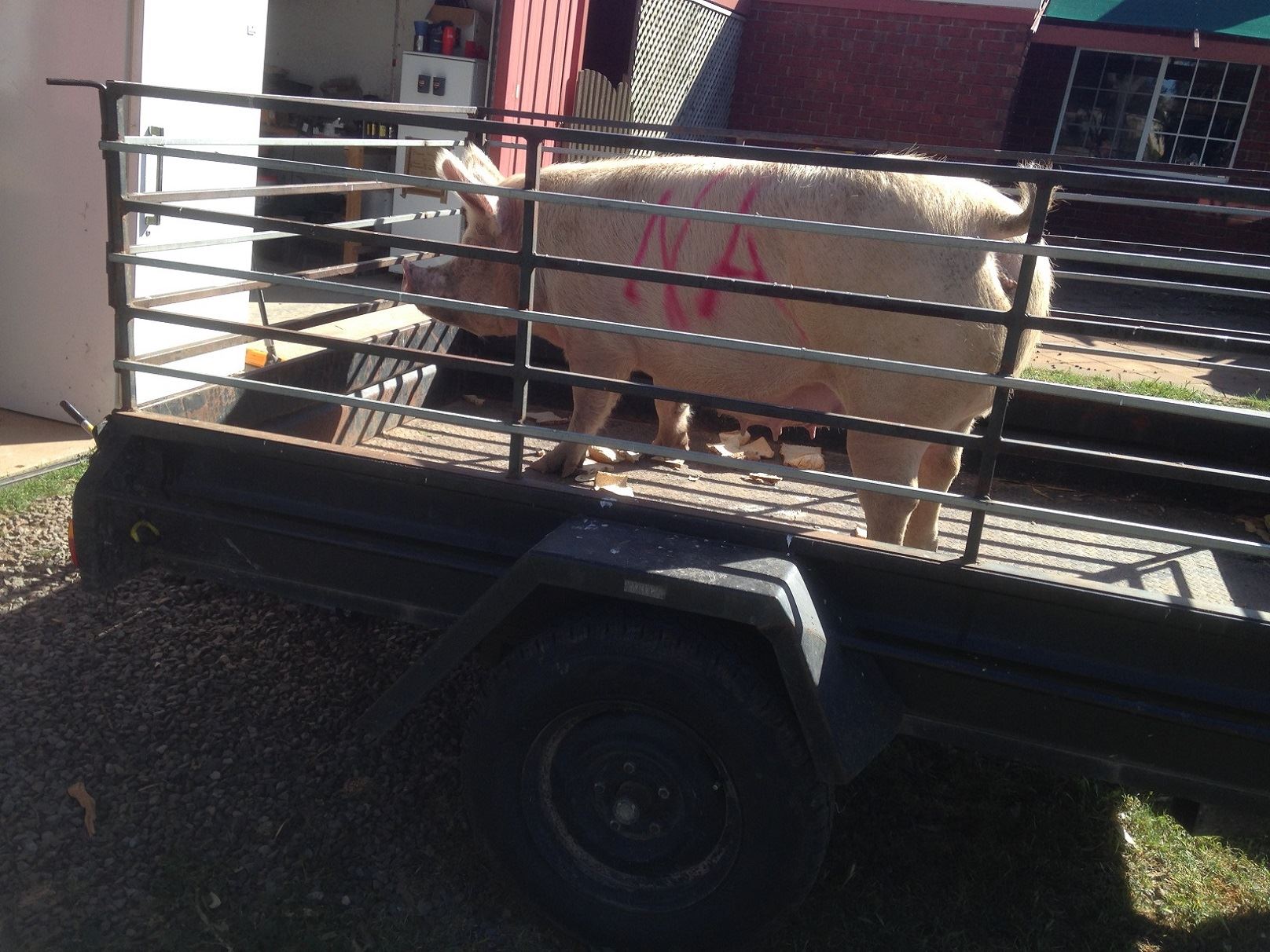
Smoked loaded and ready to go :(

Smoked loaded and ready to go 😦

That's from Smoked. They looked like dinosaur bones!

That’s from Smoked. They looked like dinosaur bones!


The mince and sausages from Smoked were amazing. I think the bacon left a little to be desired, though the other couples loved it. I think that the denser, slightly less fatty meat just didn’t take the cure as well. I think next time we’ll process the entire carcass into mince and sausages.


We made fresh pepperoni and smoked it for the first time. The results were fantastic! Unlike a cured sausage, these still need to be frozen. However, I’d use this over any store-bought version. I’ve only wanted to eat home-made pepperoni pizza since making them. 🙂


Home-grown, home-made, home-smoked pepperoni.

Home-grown, home-made, home-smoked pepperoni.


The brawn from Smoked was particularly good. The best part about that, however, was making it with friends. I got to demonstrate full use of the carcass to people who otherwise wouldn’t consider making that kind of dish. It went down well, and everybody had greasy fun making it.


Over this time period we took 7 or 8 porkers to “The Other Farm”. We changed up the timing of this a bit, and the results are great. Rather than taking them at the 5 or 6 month mark, we fed some on to 7 or 8 months. This puts them at around the 70kg mark, and I think we’ll get them a little bigger once we change around some feed mixes. There isn’t any more fat, and the prime cuts are just a little bigger. I think we’ll end up feeding all of our porkers on to this stage.


The last pig activity for this period was putting a couple into The Patch after most of the veggies were harvested. I think we’ll end up changing the veggie patch location, and will end up using chickens in the rotation rather than pigs. Still, having pigs in there is pretty cool, and they certainly have a blast.


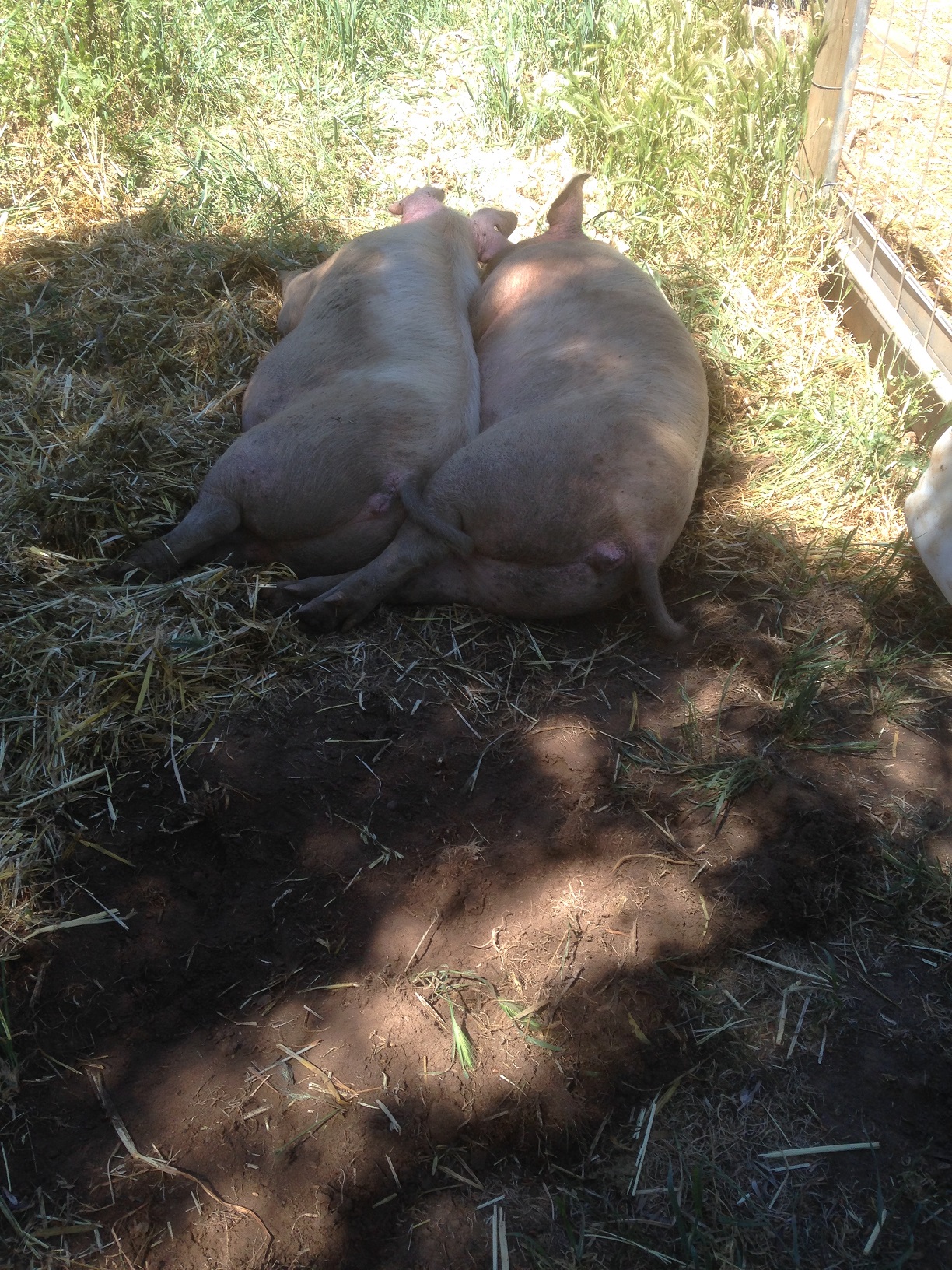
Two of our sows spooning after spending the day eating their way through my veggie patch.

Two of our sows spooning after spending the day eating their way through my veggie patch.


Bees!


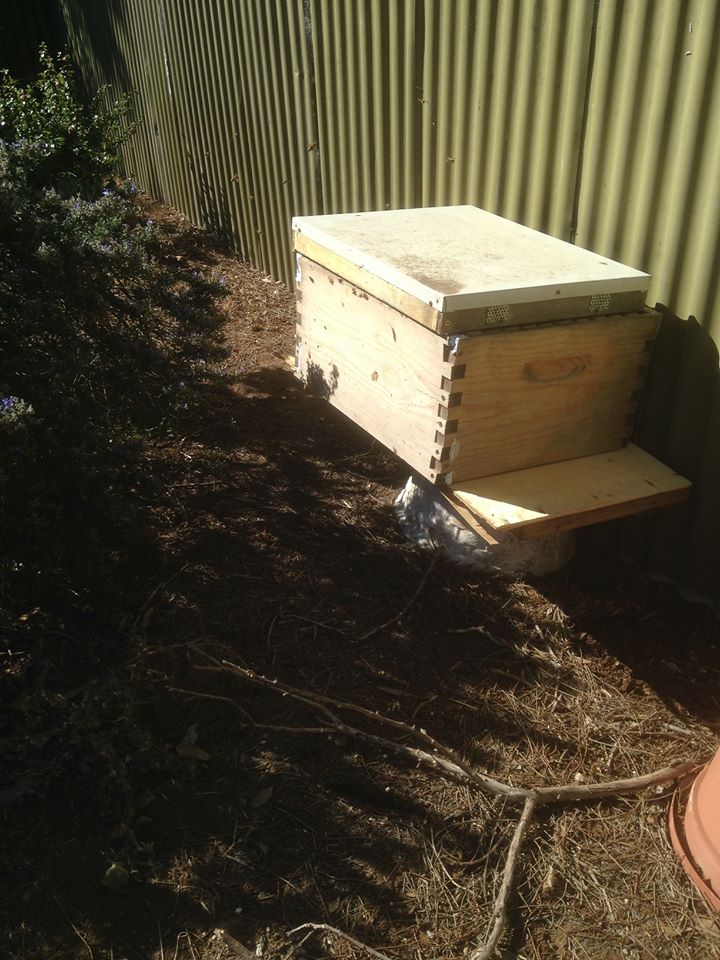
We managed to find an amateur apiarist to come help with our bee hive. Coincidentally, our hive split the day before he was due, the swarm taking up residence only 10 feet from the hive. The apiarist was able to catch this swarm and keep it, which was great.


We fixed up my hive – putting in a third super and fixing up the brooder box, which actually fell to pieces when we picked it up. The big lesson learned here is that I need a proper bee keeping suit. The apiarist had on overalls and a professional suit, and he got stung once. I had on a home-made contraption, and I got stung. A lot. Mostly on the stomach. It wasn’t awesome.


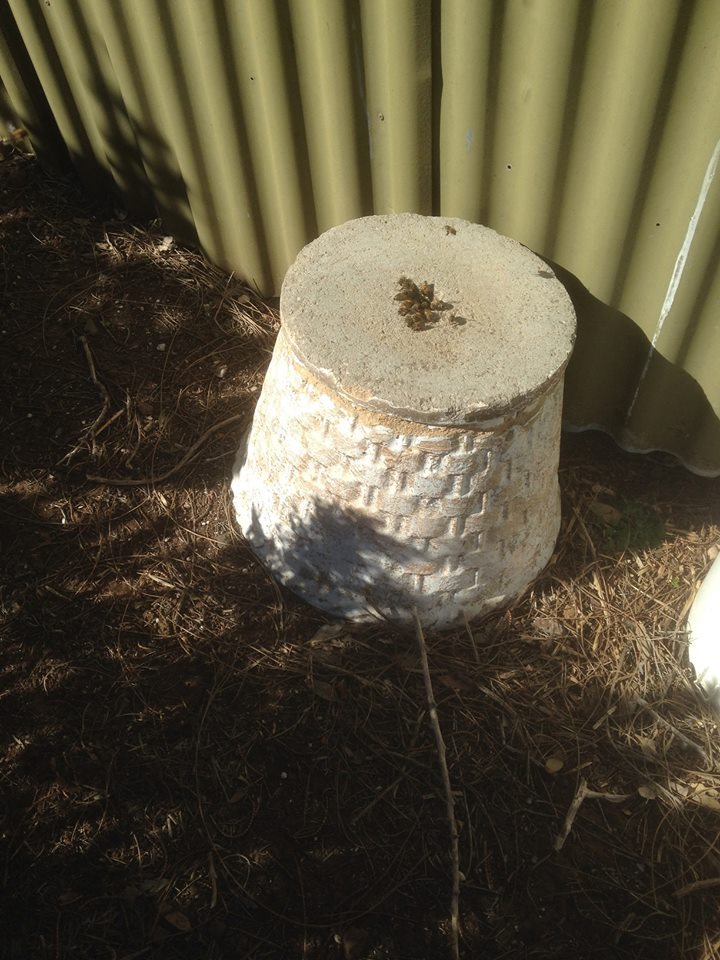
Farmer John found a swarm in an inverted concrete planter. Dad and I came up with a way to catch it by rigging a super on top of the planter so the bees are forced to enter and exit through it. The theory has worked well so far, and now we’re trying to work out how to move them out of the planter…


A swarm in a concrete planter. They must've been there for a little while, because that planter is FULL!

A swarm in a concrete planter. They must’ve been there for a little while, because that planter is FULL!

Step 1 - put down a base that'll support a super.

Step 1 – put down a base that’ll support a super.

Step 2 - put on the super so the bees need to go in and out via it.  We have no idea what Step 3 is...

Step 2 – put on the super so the bees need to go in and out via it. We have no idea what Step 3 is…


September and October were surprisingly productive, especially when you consider the dozen or so pigs we had processed. Our next challenge is to find more land, preferably over 40 acres, and see if we can increase our operation. Wish us luck.


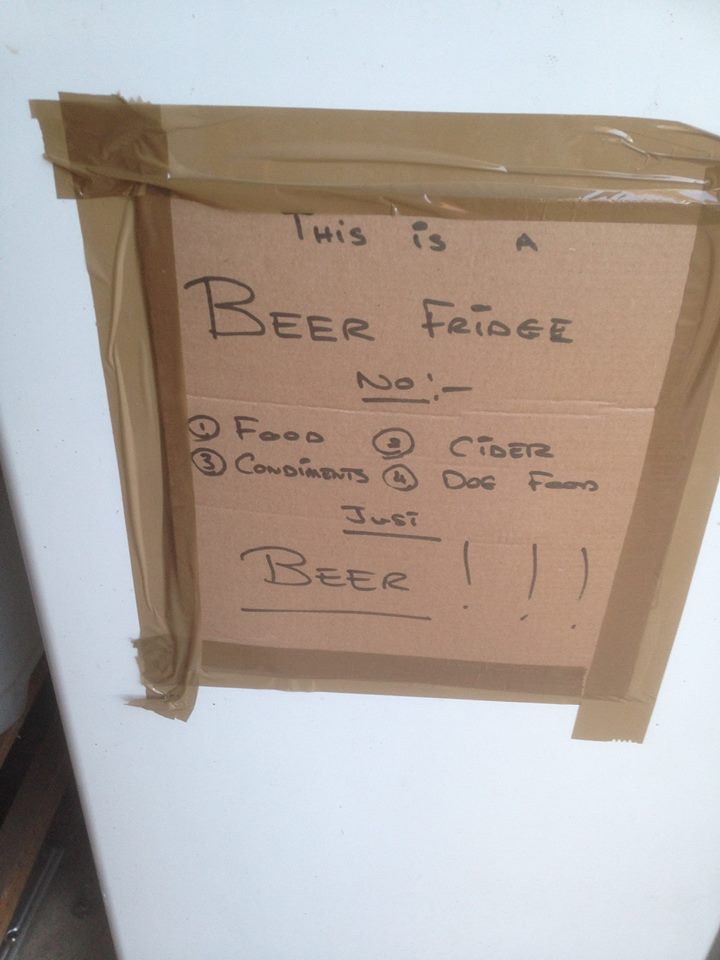
Apparently dad is sick of the beer fridge being abused.

Apparently dad is sick of the beer fridge being abused.

Ziggy Pig LOVES to drink from the hose.

Ziggy Pig LOVES to drink from the hose.

Ethics vs Morals

People question the ethics of eating meat all the time, and it invariably leads to some raucous debate. That often leads to some raucous name-calling, but we’ll be avoiding that here… 🙂

First of all, there’s a difference between ethics and morals, and so by extension, between ethical and moral behavior. I believe that most of the arguments are really about morals, which is why so many of those discussions end badly. Let me explain.

Ethics are rules of conduct recognized in respect to a particular class of human action or a specific group or culture. Morals, on the other hand, are principles or habits with respect to right or wrong conduct. Morality is, by definition, a personal compass for right and wrong.

To take that one step further, ethics have an external source, that being our social system. By extension, that means that ethics are dependent on others for their definition.

Morals have an internal source, that being us as individuals. That means they are not dependent on others, but are an intensely personal thing.

Now, think about the way intensively farmed animals are treated in this country, and in pretty much every other country you can think of. If ethics are defined externally and come from our social system, then intensive farming is actually ethical. We condone it as a society every time we order that pulpy, shitty pork from Coles or Woollies. We give our implicit permission for it every time we buy battery-farmed eggs, or those ridiculous 7 week old fatty chickens that are peddled as a healthy option. By society’s very actions, be they driven by ignorance or apathy, we are making intensive farming ethically acceptable.

However, I found intensive farming morally reprehensible. I really can’t express just how angry it gets me, and I’ll save that rant for another post. For now, suffice it to say that while intensive farming may be accepted by society, and so be ethically acceptable to a lot of people, it should be questioned morally.

I firmly believe that ethics and morals should be constantly challenged, as they’re worth nothing unless they can stand up to scrutiny. May aim is to show people an alternative way to source their meat. By connecting people to where their meat comes from, I hope to challenge their moral stand-point on intensive farming. If you can influence enough individuals, then you can start influencing the society of which they are part. If you can do that, you can swing the ethical compass. If you can do that, you can affect true and lasting change.


Learning From Our Mistakes…

After visiting an Ethicurean Pig Farm in Victoria a few months ago, we had decided to try farrowing our pigs in pairs. They apparently do it with great success, and the benefit of having them all in a social/family group seemed self-evident. My concern was the higher risk of piglet mortality through squashing, but we were told that this wasn’t a big problem.

The other important thing to understand here is that this is all still a learning experience, and we’re going to have to try a heap of different things before we find exactly what works for us. Unfortunately, our largest learning opportunities come from the times where things go awry, and that’s the case here.

Both girls were due near the start of August. Both had been in with Boris at exactly the same time, and we’d seen him couple with the both of them on the same afternoon. However, they were in with him for a couple of weeks, and there’s really no telling exactly when they got pregnant, or if they got pregnant at the same time. In addition to this, there can be some variation in how long they’re pregnant for. The result is that we know the earliest date they could be due (112 days from when we saw them first couple), but it could actually end up being some days later.

Ziggy was huge, while Stumpy seemed much smaller. We’d been thinking that Ziggy would go first, simply because her belly was nearly dragging on the ground and she was clearly uncomfortable. However, in the end it was Stumpy who dropped first.

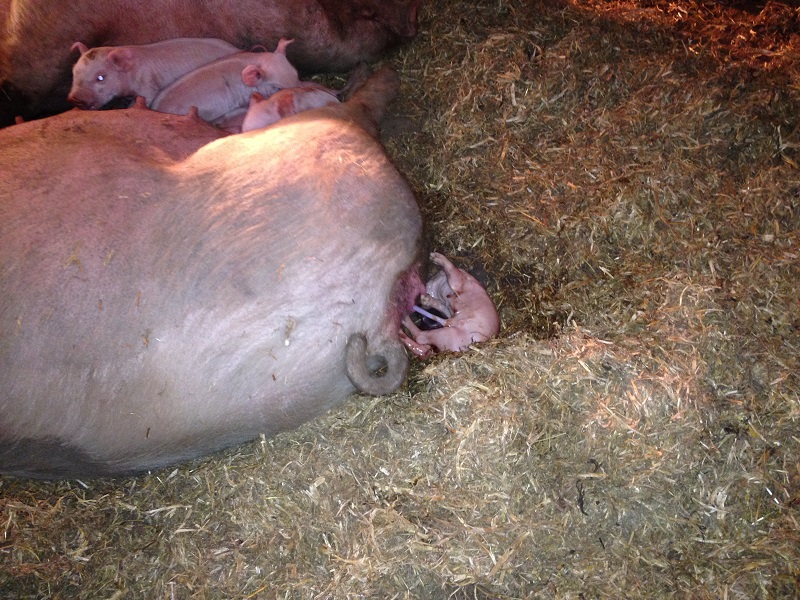
Stumpy starting her first litter.

Stumpy starting her first litter.

Stumpy's first two. She was apparently a little distressed between births, and would get up and move the piglets around.

Stumpy’s first two. She was apparently a little distressed between births, and would get up and move the piglets around.

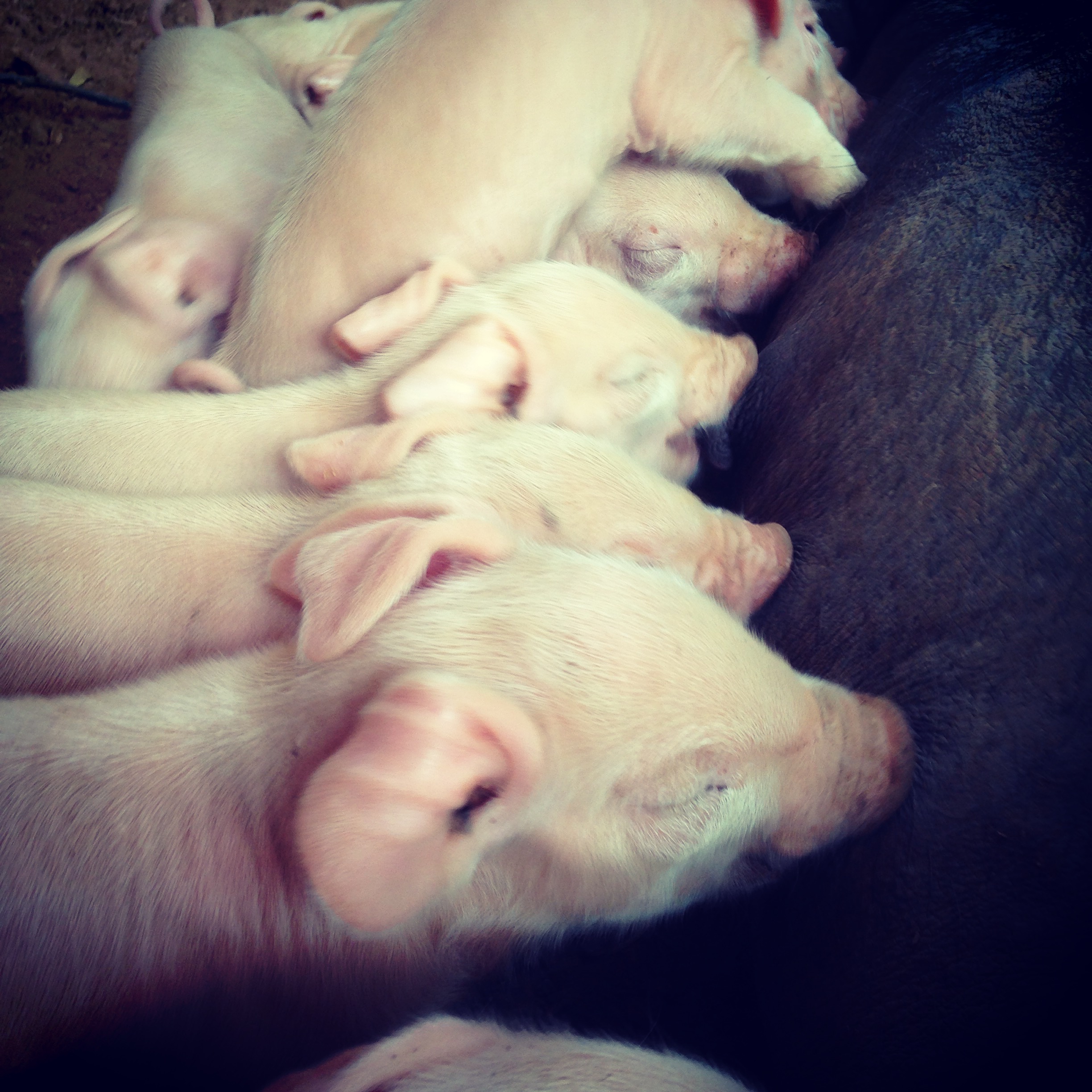
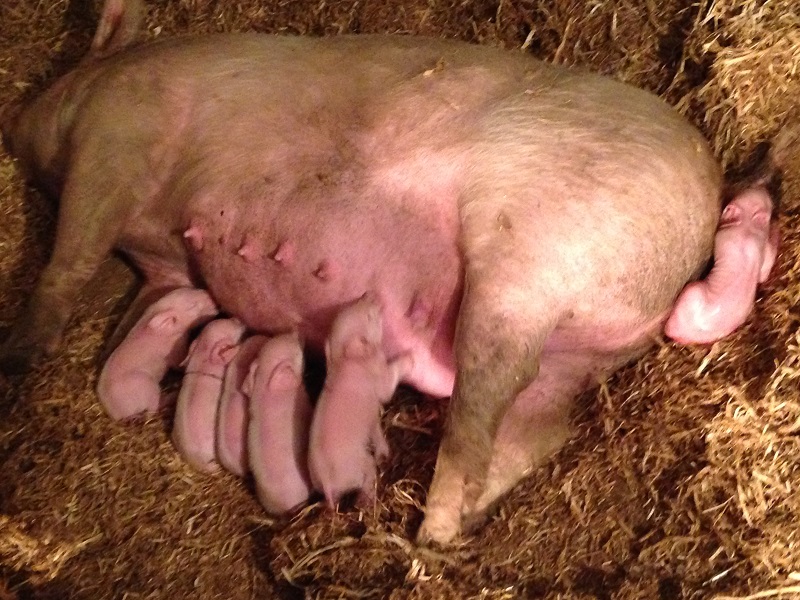
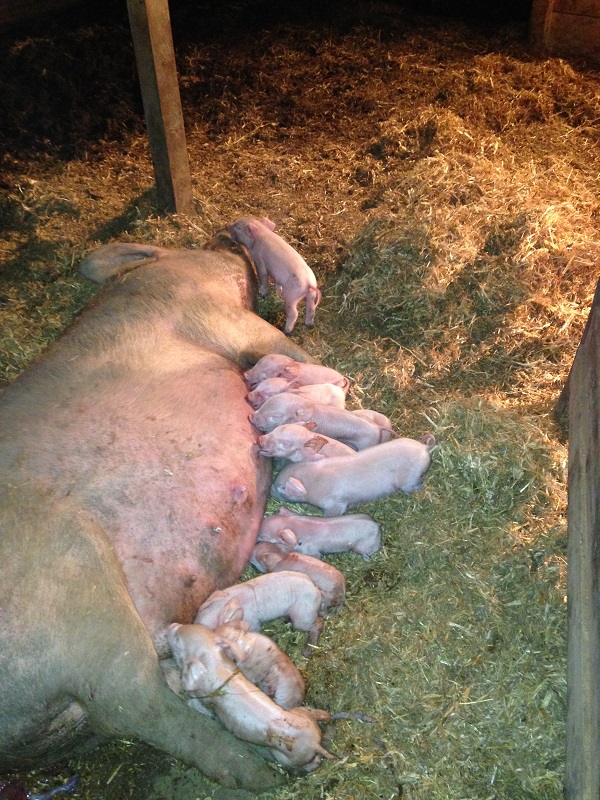
Stumpy nursing her first 5 as she finishes giving birth to the last one.

Stumpy nursing her first 5 as she finishes giving birth to the last one.

Stumpy ended up having 6. That’s not terrible for a first litter, but we’d be expecting nearly twice that for subsequent litters. She had no still-borns too, which is nice.

A happy mum :)

A happy mum 🙂

Ziggy dropped a full 4 days later, and had a whopping 13 babies! She struggled with a few of the deliveries, which is not surprising when she had so many her first time. Two were stillborn, and another wandered off into the corner, away from the heat lamps, and didn’t make it.

Ziggy dropping while Stumpy and her babies hang out.

Ziggy dropping while Stumpy and her babies hang out.

One of Ziggy's first few coming out.

One of Ziggy’s first few coming out.

That really is a lot of piglets!

That really is a lot of piglets!

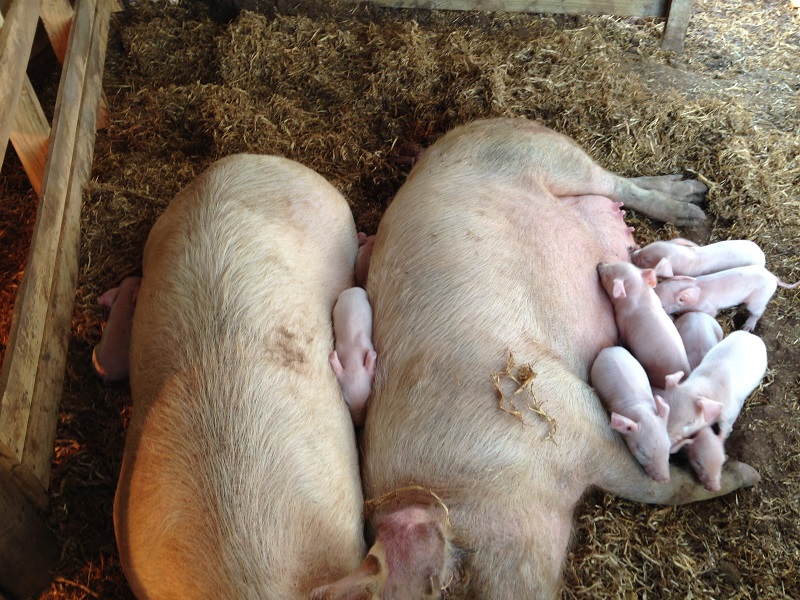
We ran into problems pretty much right away. The two mums, who are sisters and have lived their entire lives together, just wanted to spoon and lay with each other. They weren’t laying against the creeps, and the babies were forced to come to them for a feed.

Ziggy and Stumpy just wanted to hang out and spoon, which is not surprisingly dangerous for tiny piglets.

Ziggy and Stumpy just wanted to hang out and spoon, which is not surprisingly dangerous for tiny piglets.

The danger is fairly obvious here.

The danger is fairly obvious here.

The result was that they lay on and squashed 6 babies. Combine that with the stillbirths and the one that wandered off, and we lost 9 out of 19. That is clearly something we need to remedy.

From now on, I think we’ll still keep the girls in pairs, but have them give birth separately. That way we can have them tend their babies for a few days, maybe a week, and then put them in together. At that stage the babies should be large enough to avoid the mums, and the mums will be alert enough to avoid the babies. We’ll try this the next chance we get.

In the meantime, the new piglets are the best litter we’ve ever had. They are boofy, healthy, and robust. These mums were bought from a local piggery, and the blood lines and breeding are tightly controlled. They are true F1 crosses of Large White and Landrace, and the genetics are obviously part of why these babies are so solid.

You'll have trouble finding healthier, more robust piglets anywhere.

You’ll have trouble finding healthier, more robust piglets anywhere.

You can see how boofy these litters are.

You can see how boofy these litters are.

I was away when the babies were born, and didn’t get home until they were a couple of weeks old. They are super active, running around and playing like puppies. I’ve been spending quite a bit of time in with them, trying to make up for lost time, and their natural curiousity cracks me up.

Curious piglet is curious.

Curious piglet is curious.

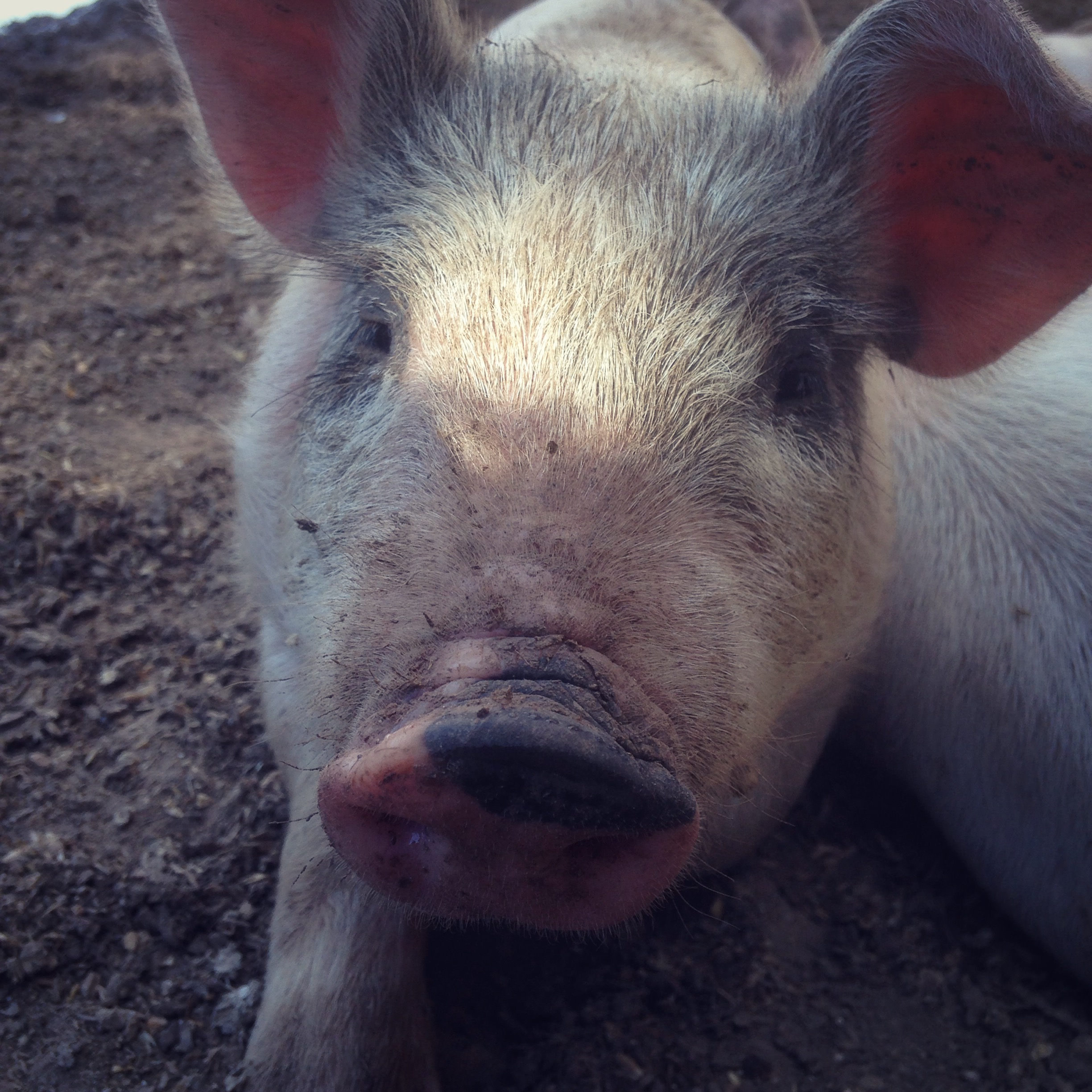
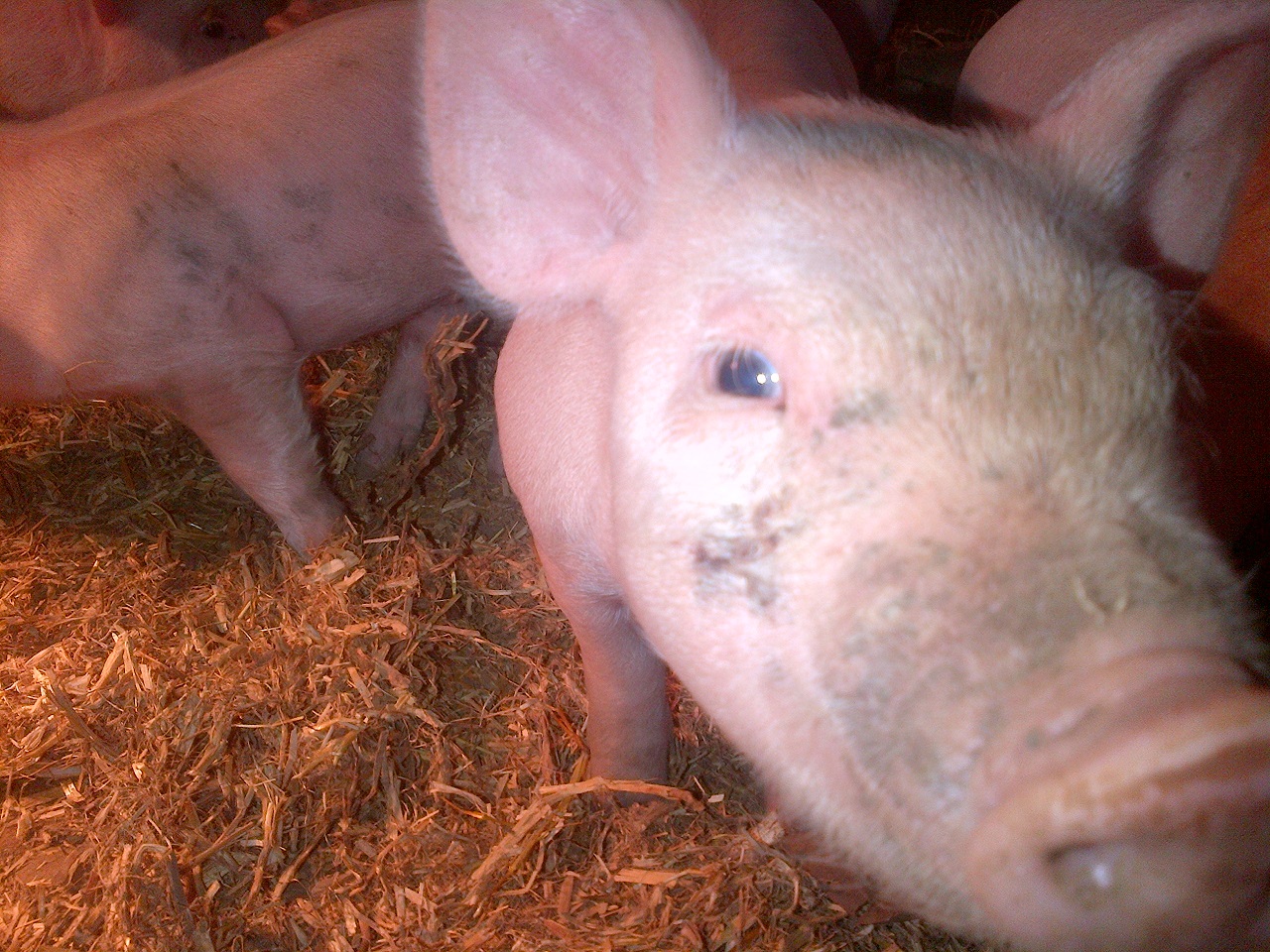
Extreme piglet close up!

Extreme piglet close up!

We’d been debating on going with the white breeds or phasing over to black breeds. We will probably experiment with the breeds, and some cross-breeding (I’m keen to put a Duroc over both our white and our black girls), but right now I’m happy with these gilts. There’s something to be said for pigs that produce litters of this size, and probably more importantly, who are such amazing mums.


July Catch Up

I had to go overseas for work in the first half of August. Lots happened in the couple of weeks before that, and lots even happened while I was away, but none of it was blogged because of the stupid overseas trip. Time to fix that…

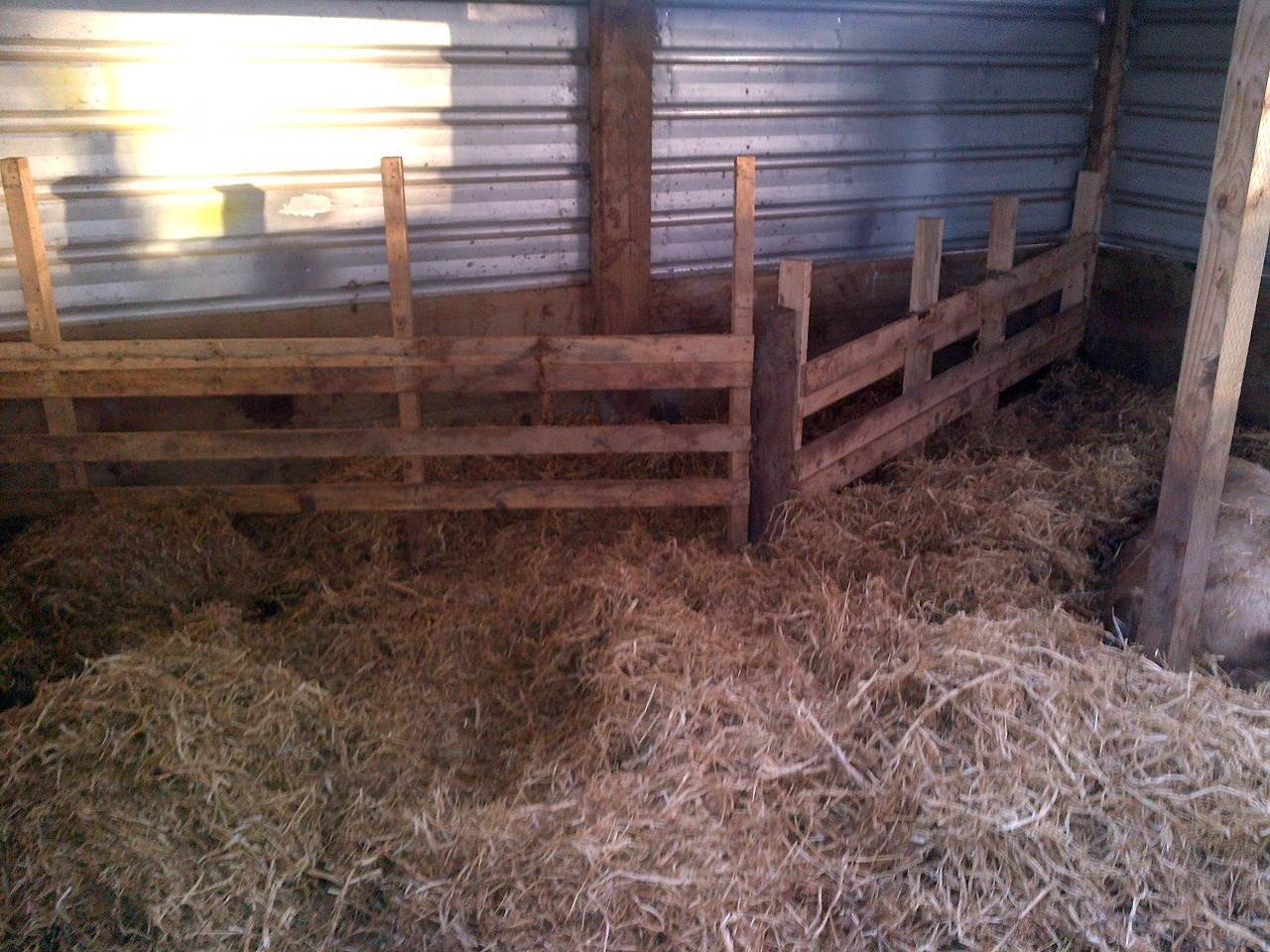
We finished off the farrowing shed with a double creep area.

New double creep area done!

New double creep area done!


This worked well, and we put in a couple of heat lamps. The plan was to farrow the girls in pairs, and let them nurse together. As it turns out, that didn’t quite work as we expected, but I’ll cover that separately elsewhere.

We managed to score an awesome brooder from a friend.

New giant brooder.

New giant brooder.

Awesome new brooder in action.

Awesome new brooder in action.


It’s huge, and should be able to fit the large batches of birds we want to do.

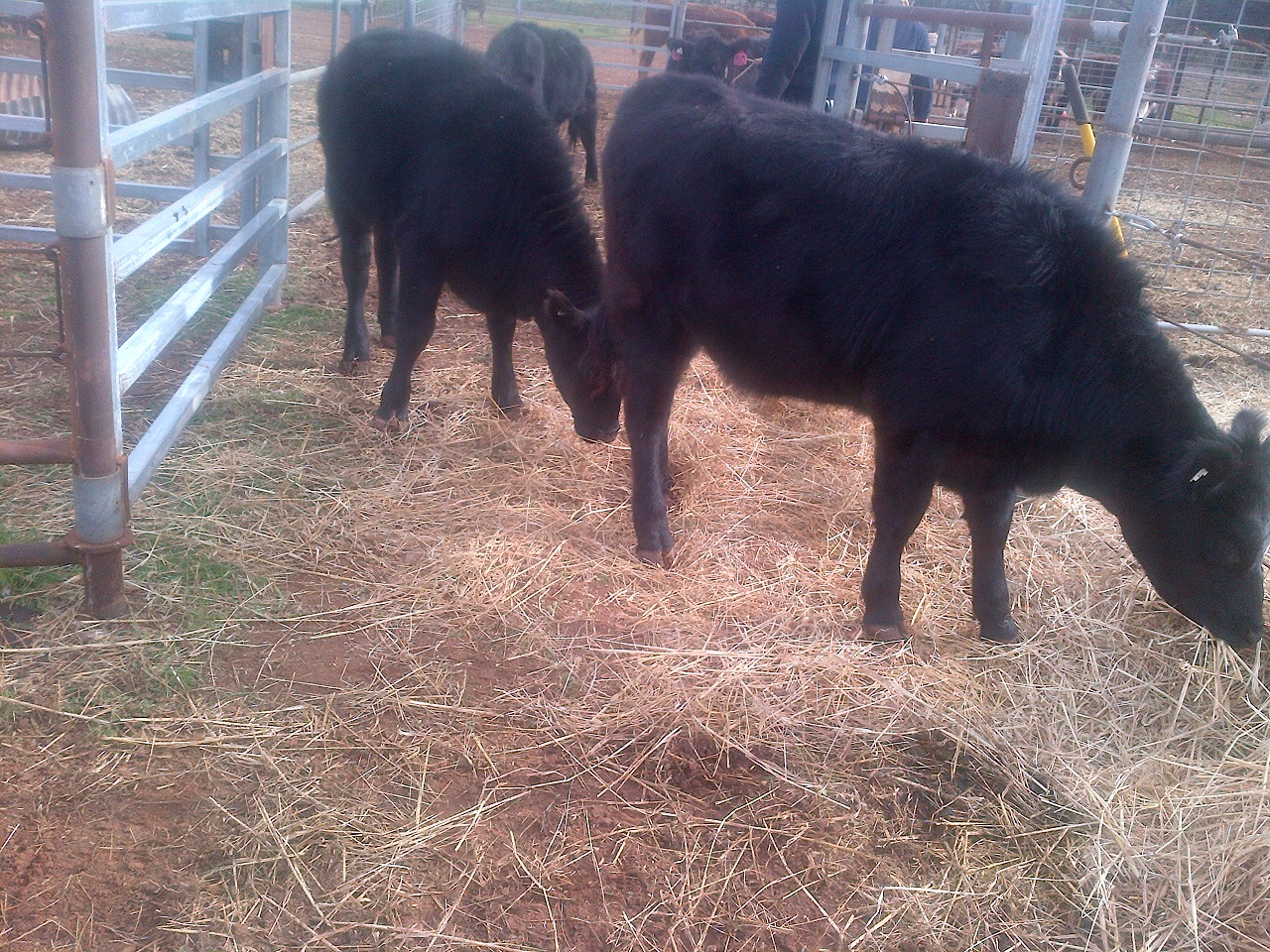
We bought two pure-bred Black Angus calves from a property a couple of hours north of us. We got a steer and a heifer, and both are around 6 months old. Ideally, we’ll feed them on for another 18 months. However, that is a lot of meat all at once, so we might feed one on for a year and the other for 18 months.

Our new stock additions!

Our new stock additions!


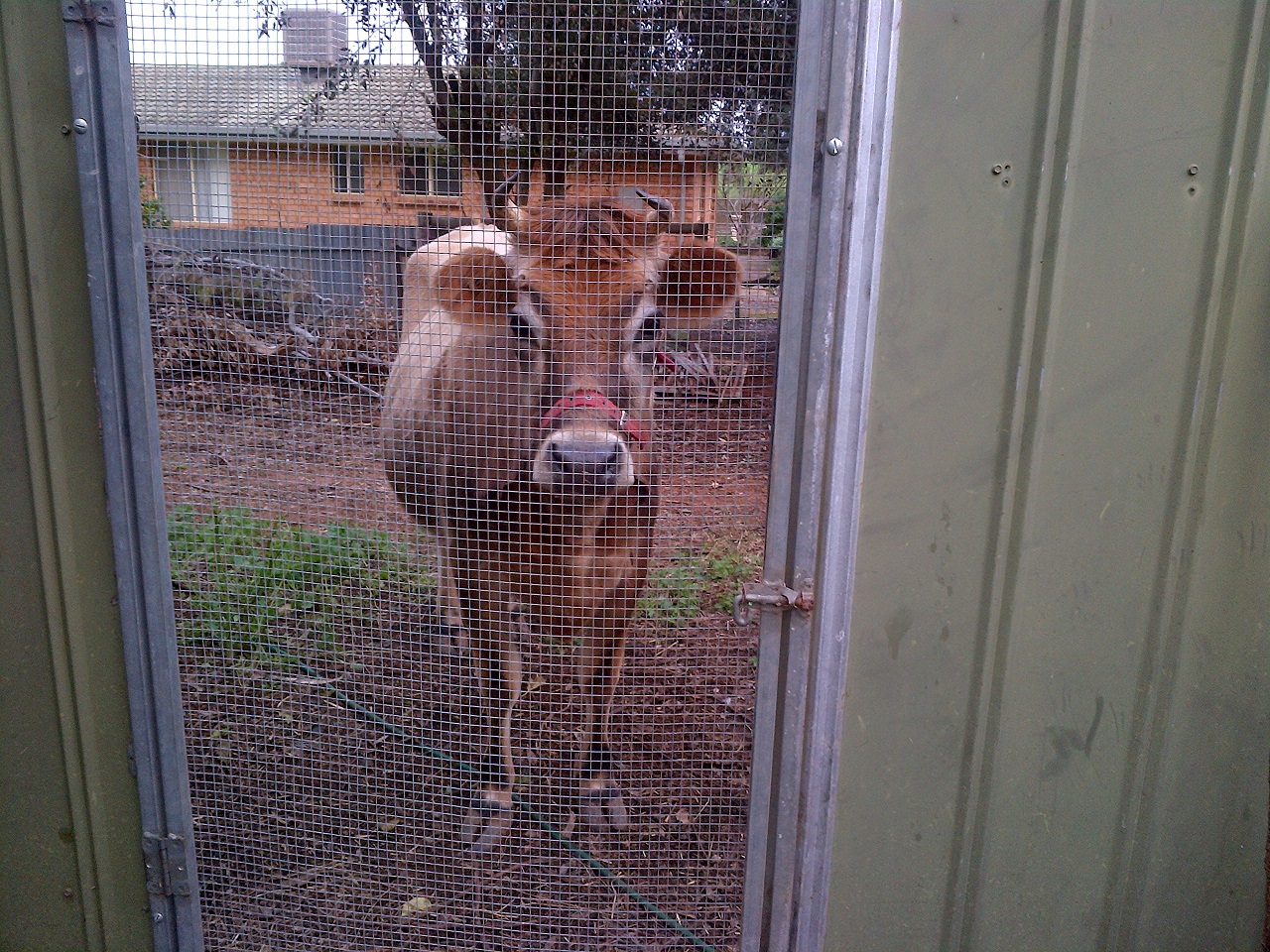
Clarisse, who was supposed to be pregnant when we got her, went back to the people we bought her from to spend some time with their bull.

Clarisse waiting to be loaded into the float for a trip to her new fella.

Clarisse waiting to be loaded into the float for a trip to her new fella.


I was going to get her AI’d again, and contacted her original owners to get the AI guy’s contact details. They have a young pure-bred Jersey bull who has apparently done the job recently, and they offered to have her back for a couple of months.

Clarisse meeting her new room mates.  I was worried, as she can be a bit of a bitch, but they all seemed to get on.

Clarisse meeting her new room mates. I was worried, as she can be a bit of a bitch, but they all seemed to get on.

Clarisse's new baby daddy. He's only young, but we've been assured he's up to the job.

Clarisse’s new baby daddy. He’s only young, but we’ve been assured he’s up to the job.


For milking, it doesn’t matter what breed of bull gets her pregnant, and there are some sound arguments for using a beef breed as the progeny is then better for eating. However, if she drops a girl, then we have quite a valuable milking animal. If she drops a boy, then we still have a decent eating steer.

Ziggy and Stumpy were coming along in their pregnancies nicely, and were firmly ensconced in the new farrowing shed.

Ziggy does it all for the lols.

Ziggy does it all for the lols.


Lastly, Smoked came into season again.

Clarisse is not at all sure what's going on!

Clarisse is not at all sure what’s going on!


This is the third time she’s been in season in a row where we’ve seen Boris service her. This has to be her last chance. She needs get pregnant in order to save her bacon, if you know what I mean…

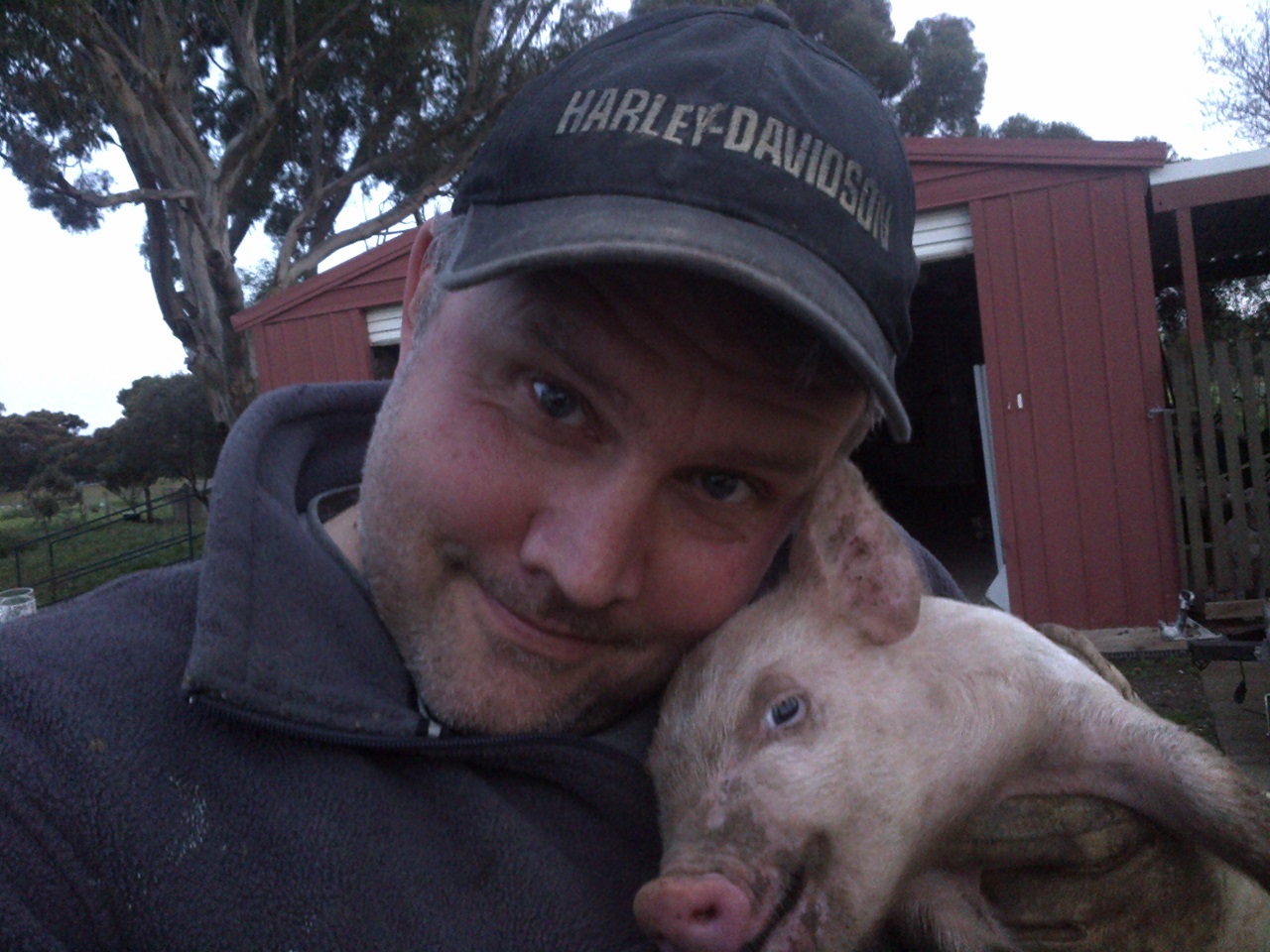
I forget what was wrong with this little guy, but I had to grab him out for some reason. It seemed like a great chance for a piglet selfie.

I forget what was wrong with this little guy, but I had to grab him out for some reason. It seemed like a great chance for a piglet selfie.

Processing Chooks.

Starting off the meat chook posts with how to process them probably makes no sense, as you need to grow the fat buggers first. However, we’ve had a shot at processing them twice now, the latest time in early July, 2014 (last weekend). Our technique has already changed a heap between those two times, and I think we’ve got it worked out. I want to capture all of that now while it’s still fresh.

Growing them is also an evolving process, though we’ve had 3 large lots professionally processed over the past couple of years. We’re breeding our own now, and have some cross-breeding programs we’re about to start. I’ll blog about that stuff separately though.

Processing your own animals, be they poultry or something bigger, is a super-emotive subject. Even for people who grown their own meat, actually killing the animals themselves is often a step too far. However, I’m a huge proponent of this for a couple of reasons. Firstly, I know definitively that the animal has been treated correctly. Secondly, I can keep all of the viscera, blood, and feathers and recycle them in my compost. In fact, after we’ve eaten the bird we also dry the bones and grind them for meal for the veggie patch. For the birds we breed, they are born, live, and die here, with not a single atom ever leaving the property.

Having said this, I’m not sure I’ll be killing my own pigs, cattle, sheep, or goats anytime soon. That takes a level of skill I don’t have yet, though I’d love to find a home butcher who would come and teach us. Until I have somebody to show me exactly how to do it properly, there would just be too much risk of maltreating the animal.

Doing your own chooks is super easy though. We purge ours first, putting them in a large aviary for 24 hours with free access to water but no food.
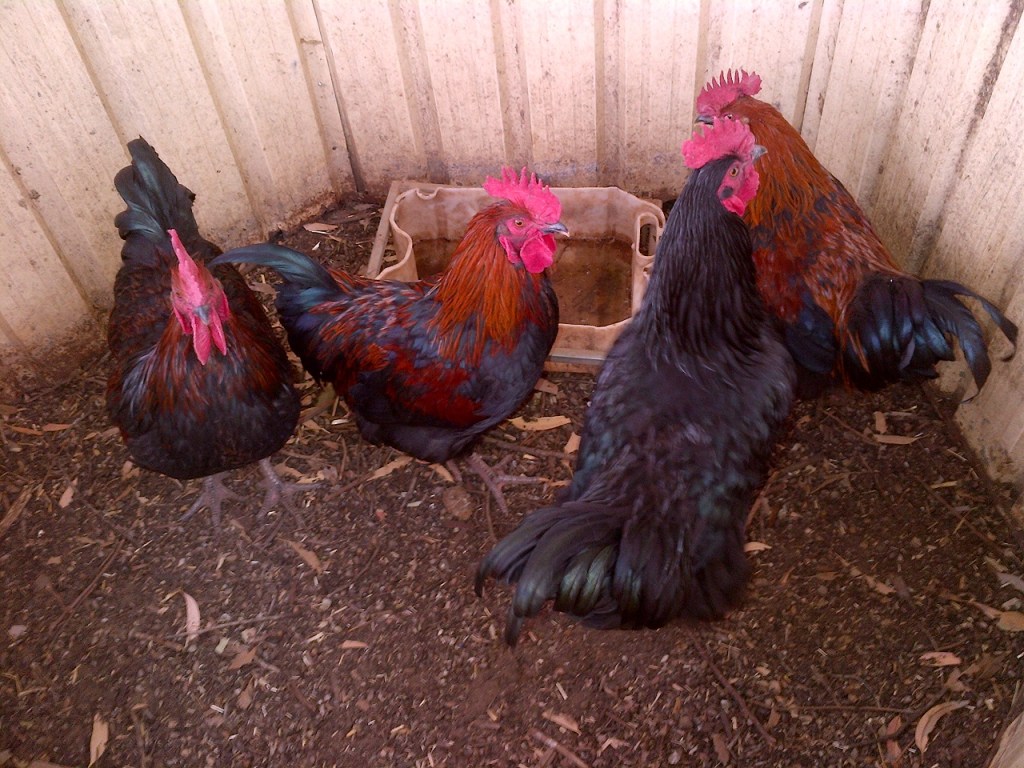
The first four boys we processed.
The first four boys we processed.

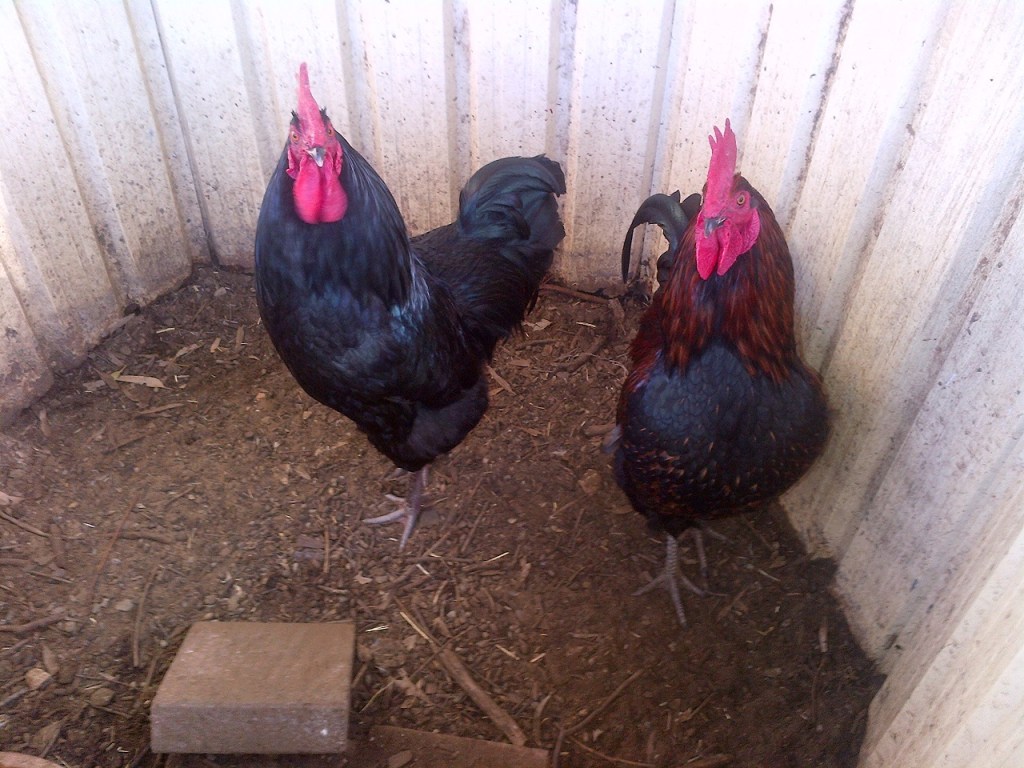
The second two roosters we processed. They were a little older, and certainly handsome boys!

The second two roosters we processed. They were a little older, and certainly handsome boys!

This ensures that their stomachs are empty and reduces the chance of faecal contamination. It also makes sure their crops are empty, the organ they have at the bottom of their neck where they store food. You can really see the crop after chooks have a big meal, as it looks almost like a smaller, wobbly, third breast. They can really fill those things up!

It’s important to reduce the stress on the animal as much as possible. A day or half-day without food isn’t going to hurt them, though you need to make sure they have as much water as they’d need. The real stress point here is handling them. You need to reduce the amount of time you have a hold of them, and make the kill as quick and efficient as possible. This part is still something we’re evolving, but I think we have it right.

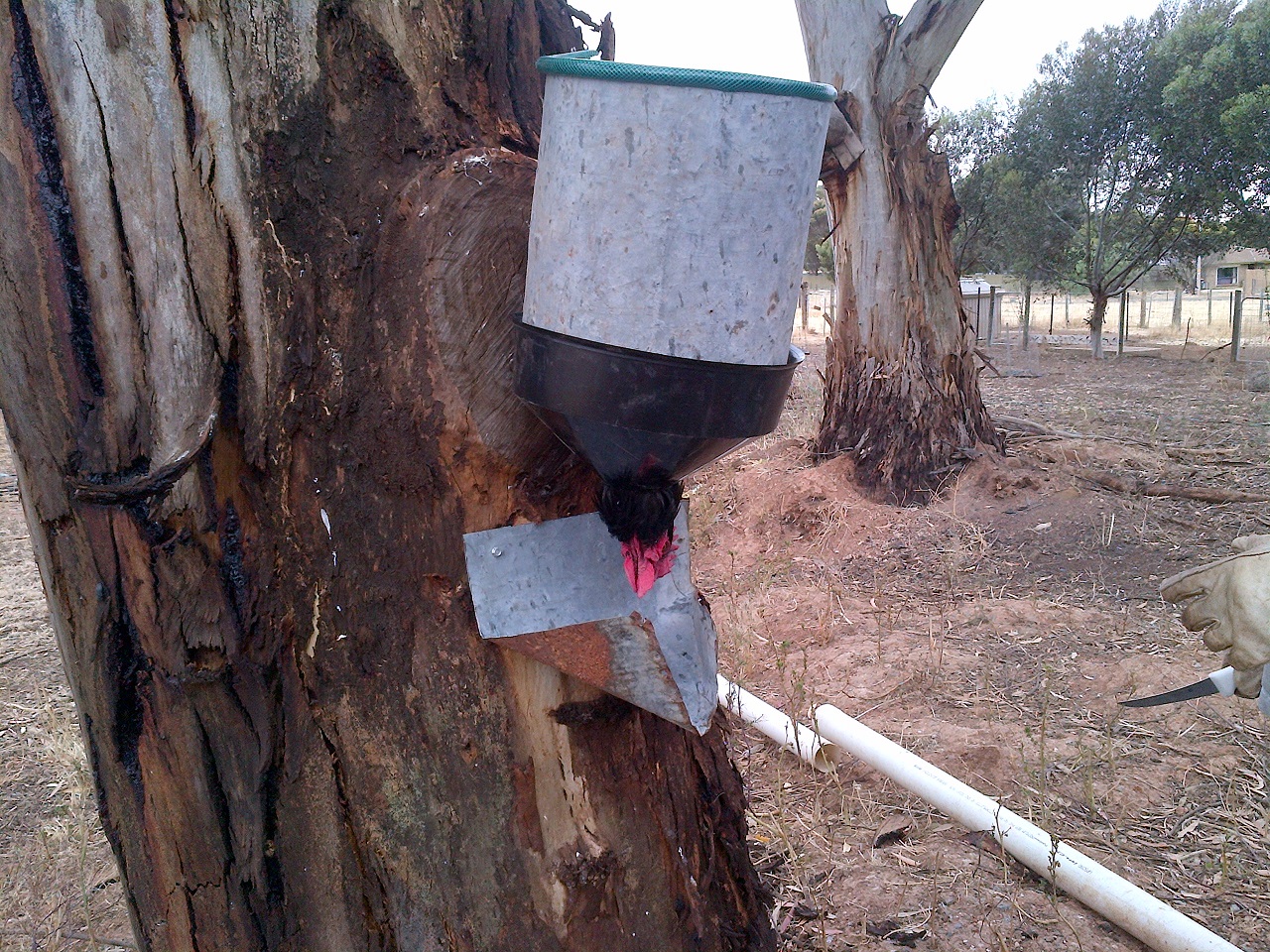
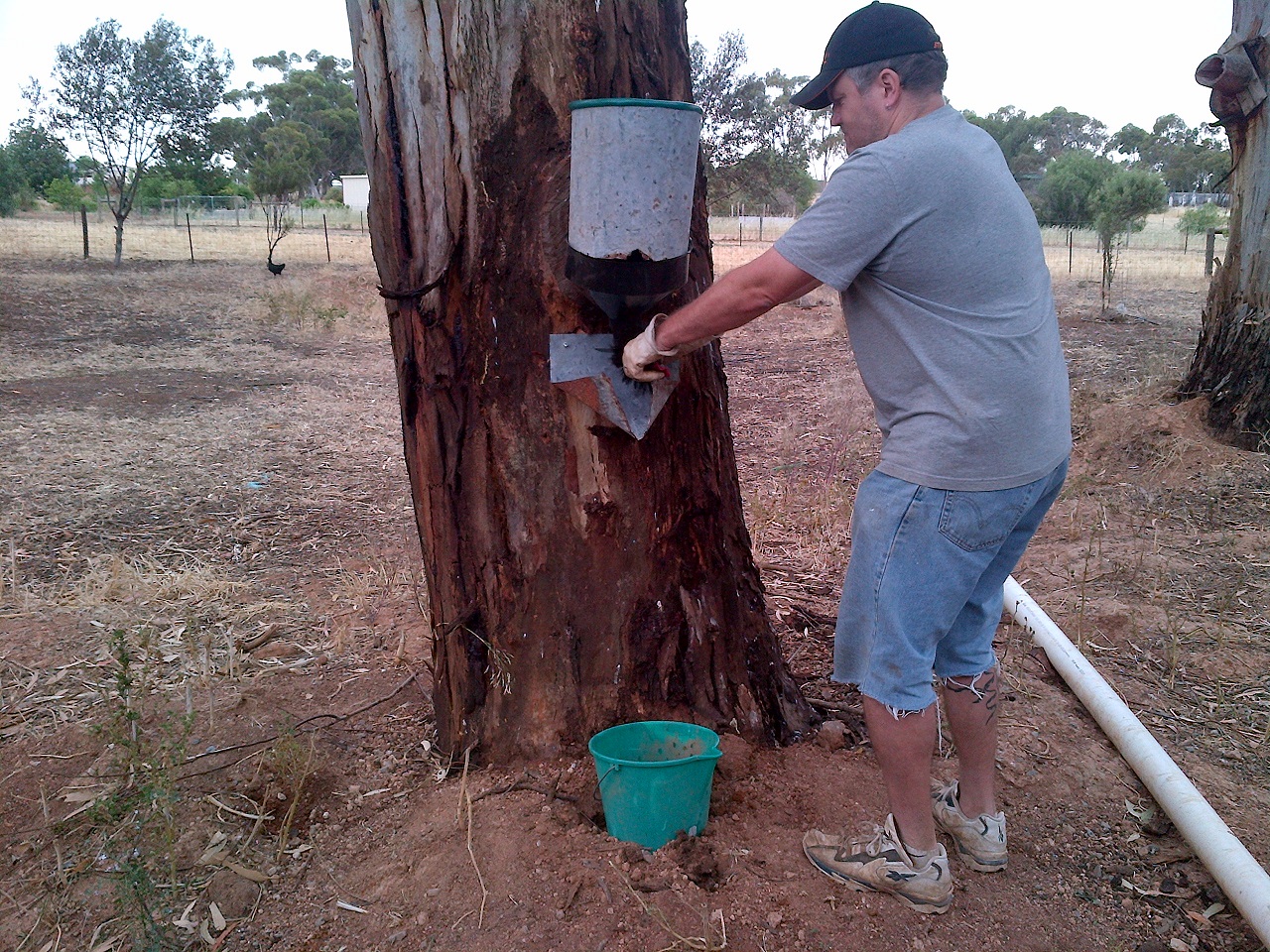
Our first time we used a home-made kill cone. The kill cones are designed to hold the bird, upside down, and allow you to easily cut their throats and bleed them. It sounds gross, but is very effective and surprisingly stress-free for the birds. They calm down when put in the cone, with no struggle or stress at all.
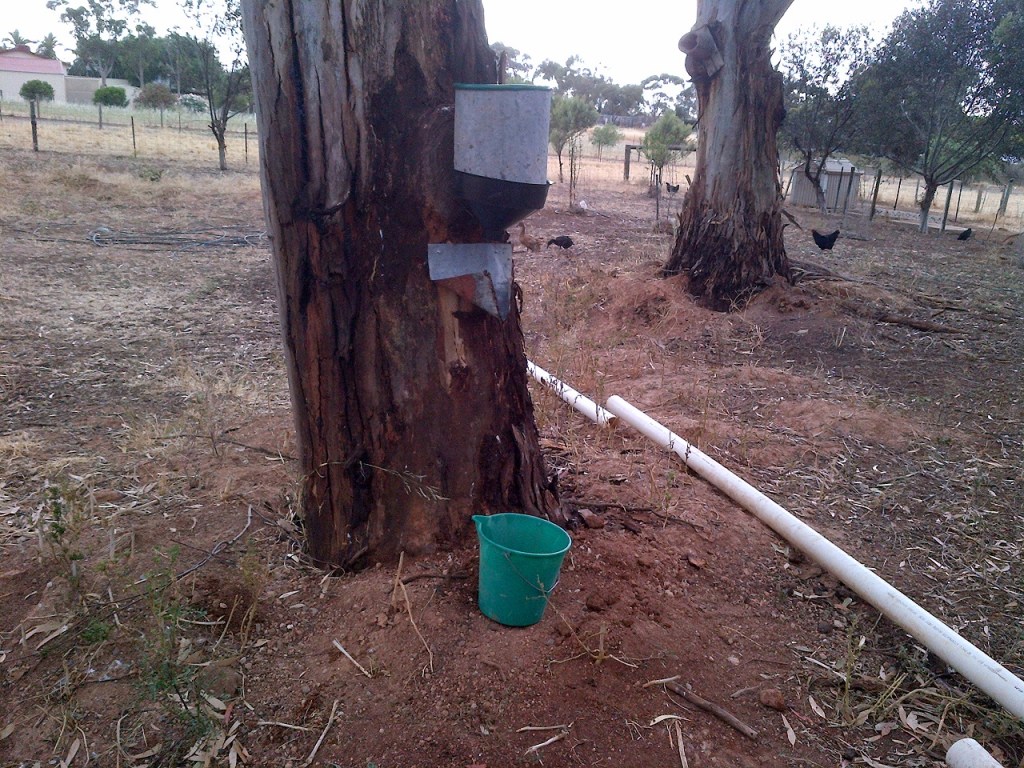
Our home-made kill cone. We put in a baffle and bucket to collect the blood.
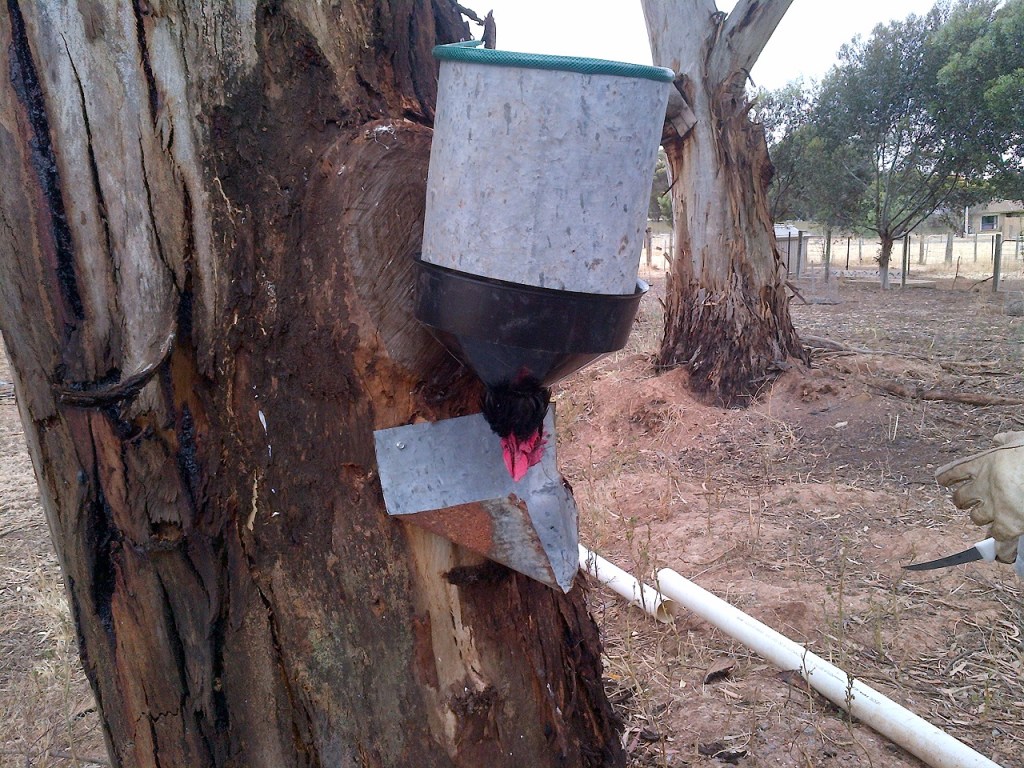
Our home-made kill cone. We put in a baffle and bucket to collect the blood.

The chooks are completely calm in the kill cone. It's fascinating, but they don't struggle at all.

The chooks are completely calm in the kill cone. It’s fascinating, but they don’t struggle at all.
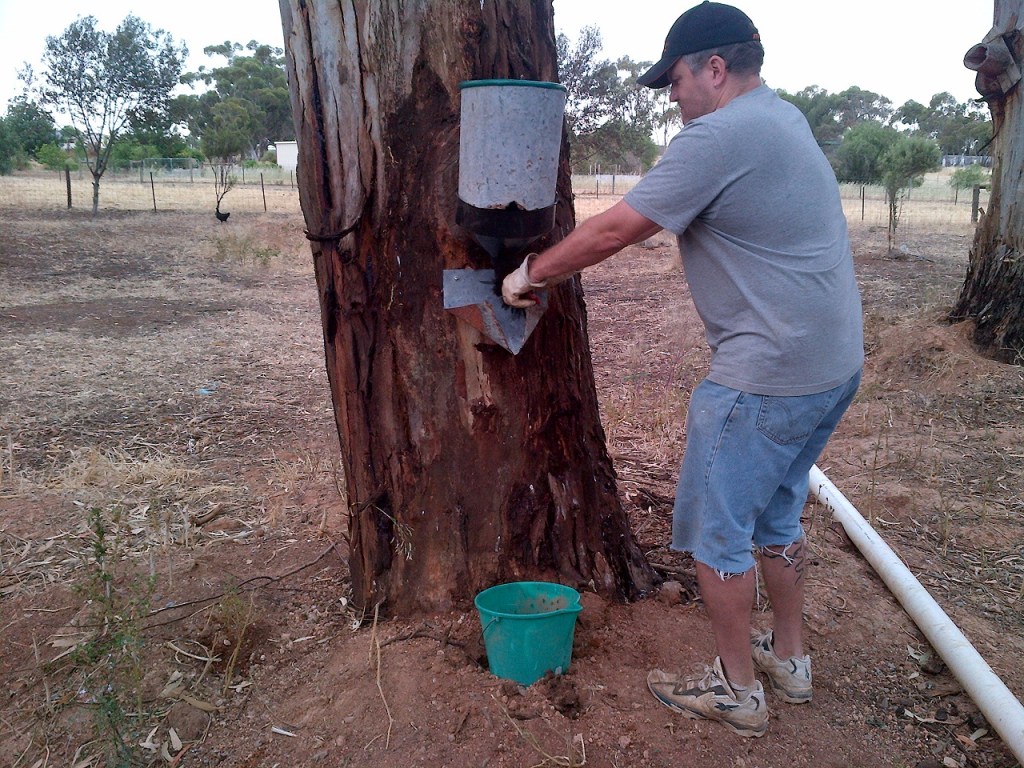
I took their heads off the first time, but most people seem to just cut their throats.

I took their heads off the first time, but most people seem to just cut their throats.

Our home-made version worked okay, but didn’t hold them tightly enough after the kill, meaning we had to hold them. The next time we decided to not use them at all, but rather decided to wring their necks and just hang and bleed them. I’m unhappy with that solution too, as it’s not as quick as I want. It worked, but there’s too much risk of things going awry if you have big strong roosters and maybe not enough strength in your hands. Next time we’ll use a Humane Chicken Killer . We’ve seen these used on the Australian version of River Cottage, along with some videos on the interweb. They are an absolutely risk-free way of ensuring the animals die instantly, after which they can be hung and bled.

The first time we did it I took the heads off, figuring there was no reason not to. The second time I cut their throats, as we had an automatic plucker to try, and I figured that leaving the heads on would reduce the chance of spreading blood through the plucker. I think in reality either works, and either allows you to bleed the animals.

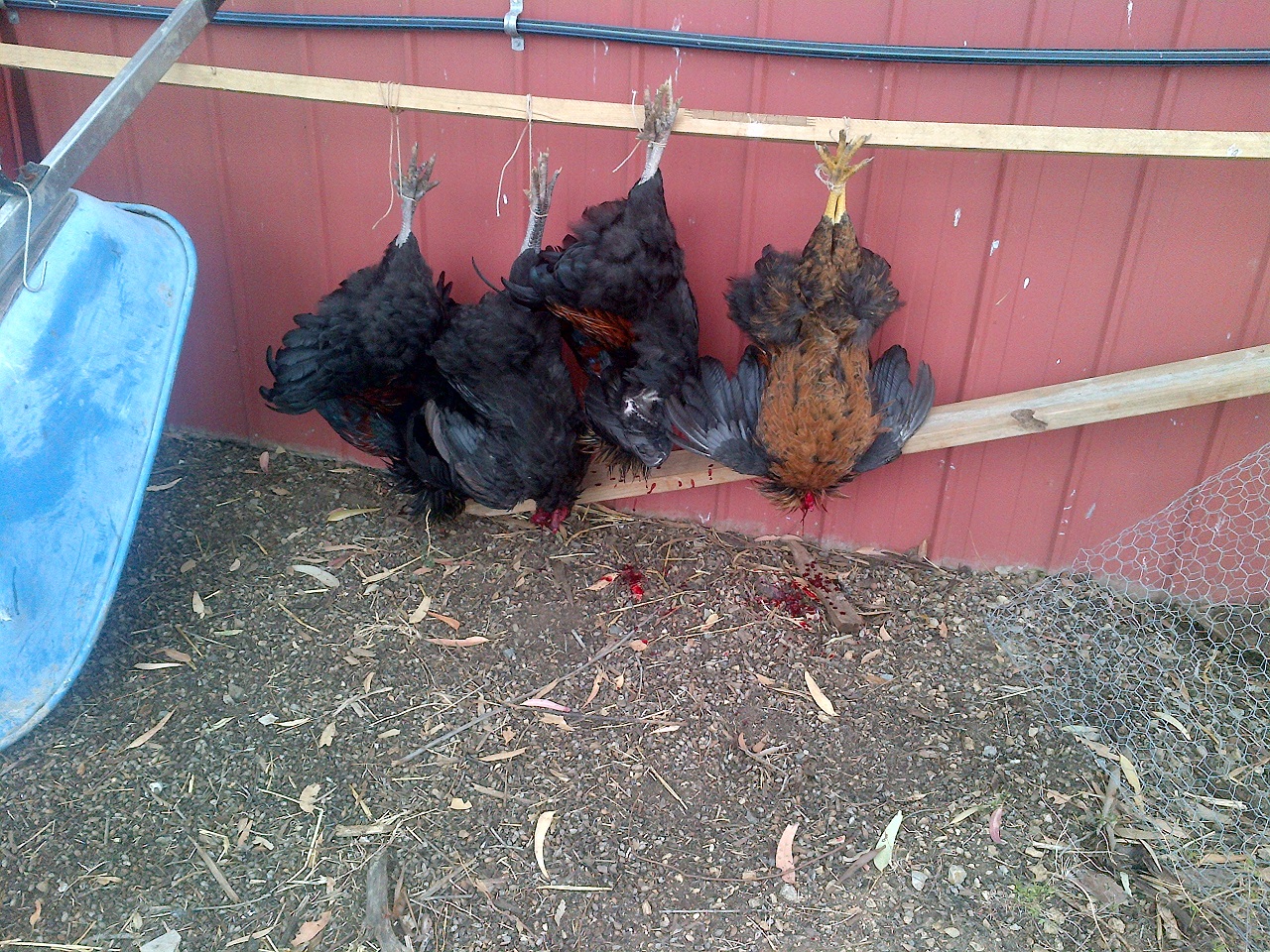
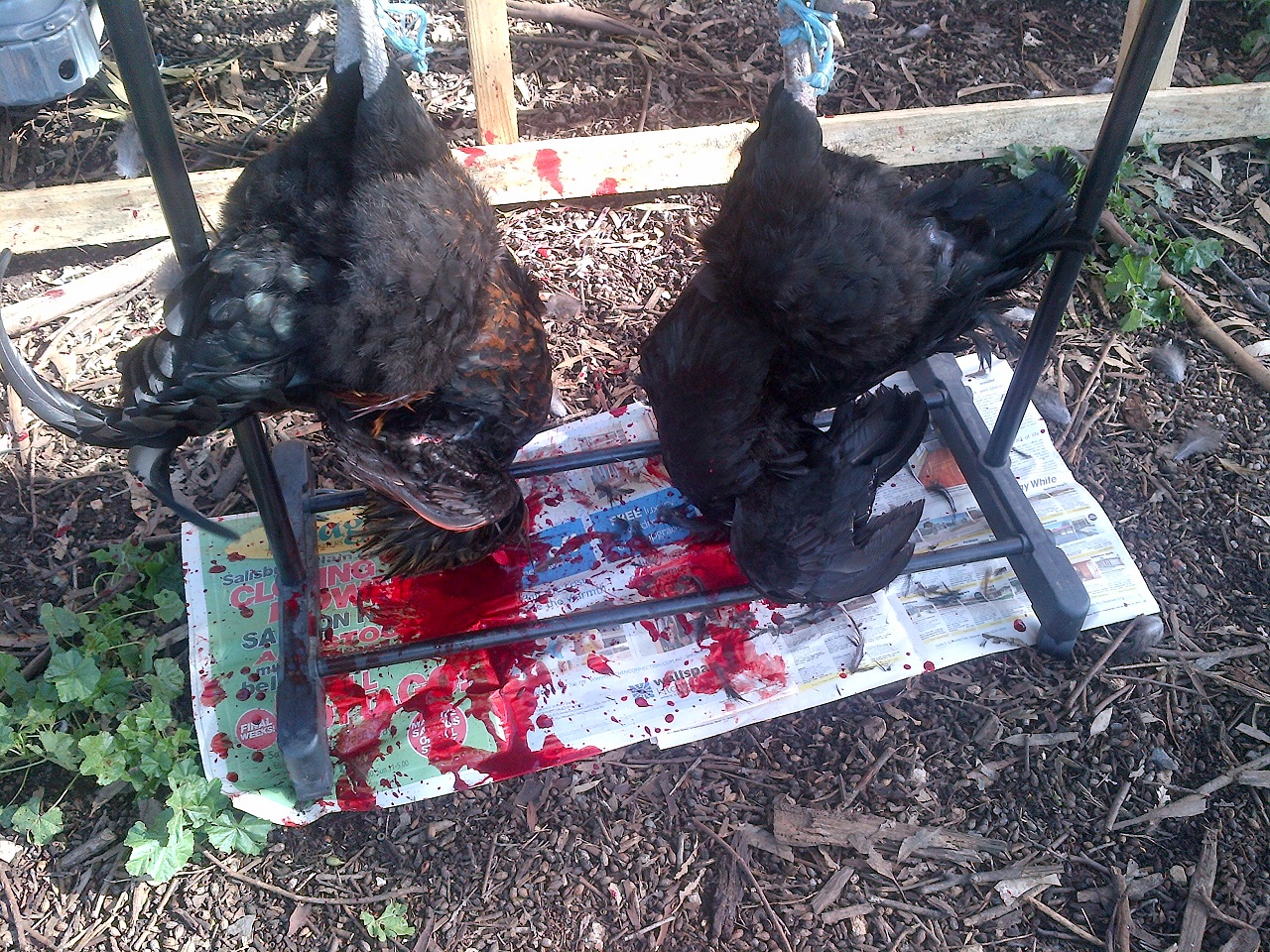
Heads on or off, you hang the animals long enough to bleed them completely. It doesn’t take long – 5 or 10 minutes. You can bleed them onto straw or paper, and then put it in the compost. The first time, where we used the kill cone, we bled them in the cone into a bucket. The second time I hung them over paper to bleed. Both versions ended up with the blood in my compost.
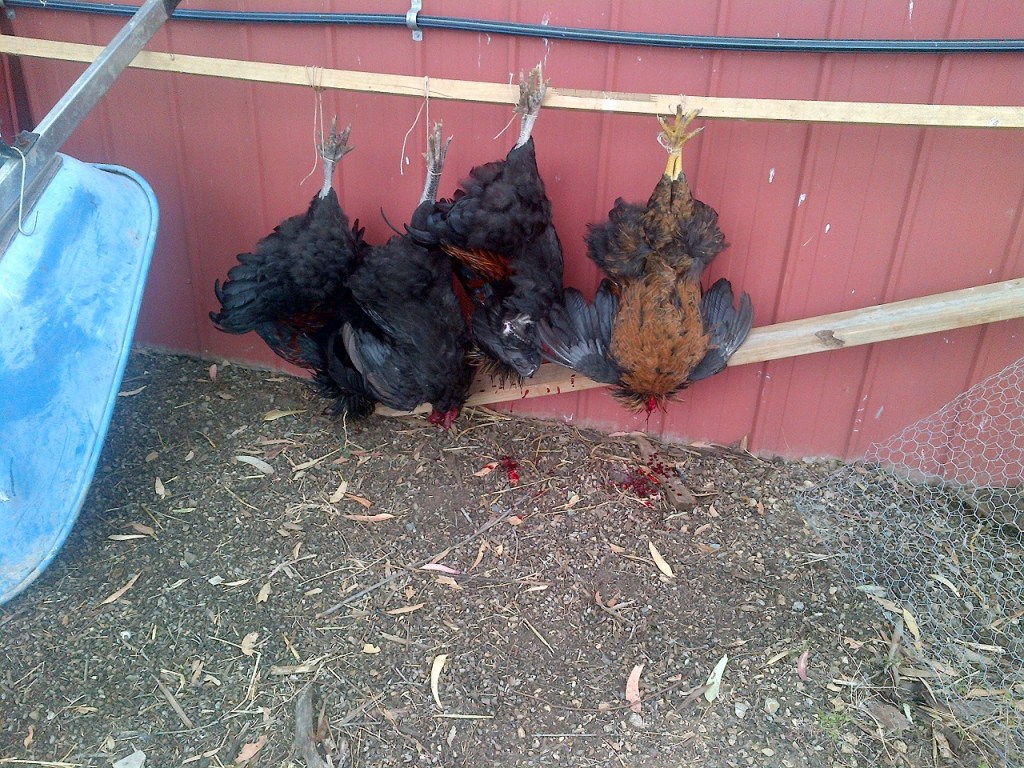
These boys were already bled and were just hanging to make sure.
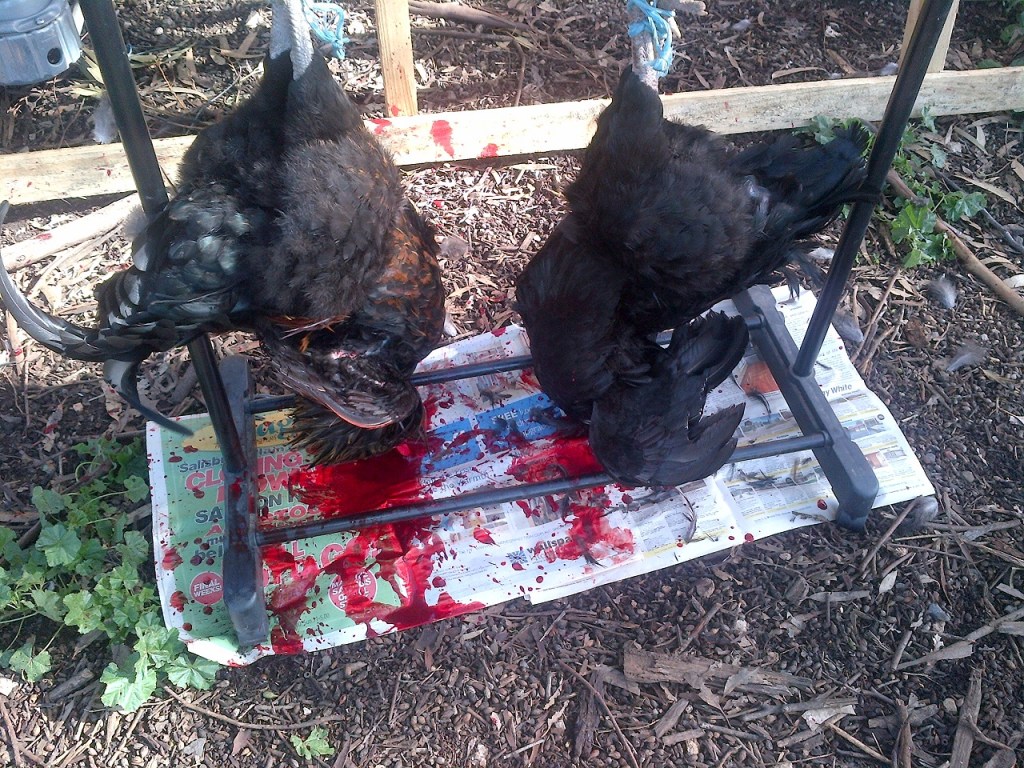
These boys were already bled and were just hanging to make sure.

These boys I bled onto paper so I could collect the blood.

These boys I bled onto paper so I could collect the blood.

The next part, to my mind, is the really only painful part. Plucking chooks is horrible. Some people don’t mind it, but I find that hand-plucking is perhaps the most tedious thing I’ve ever had to do.
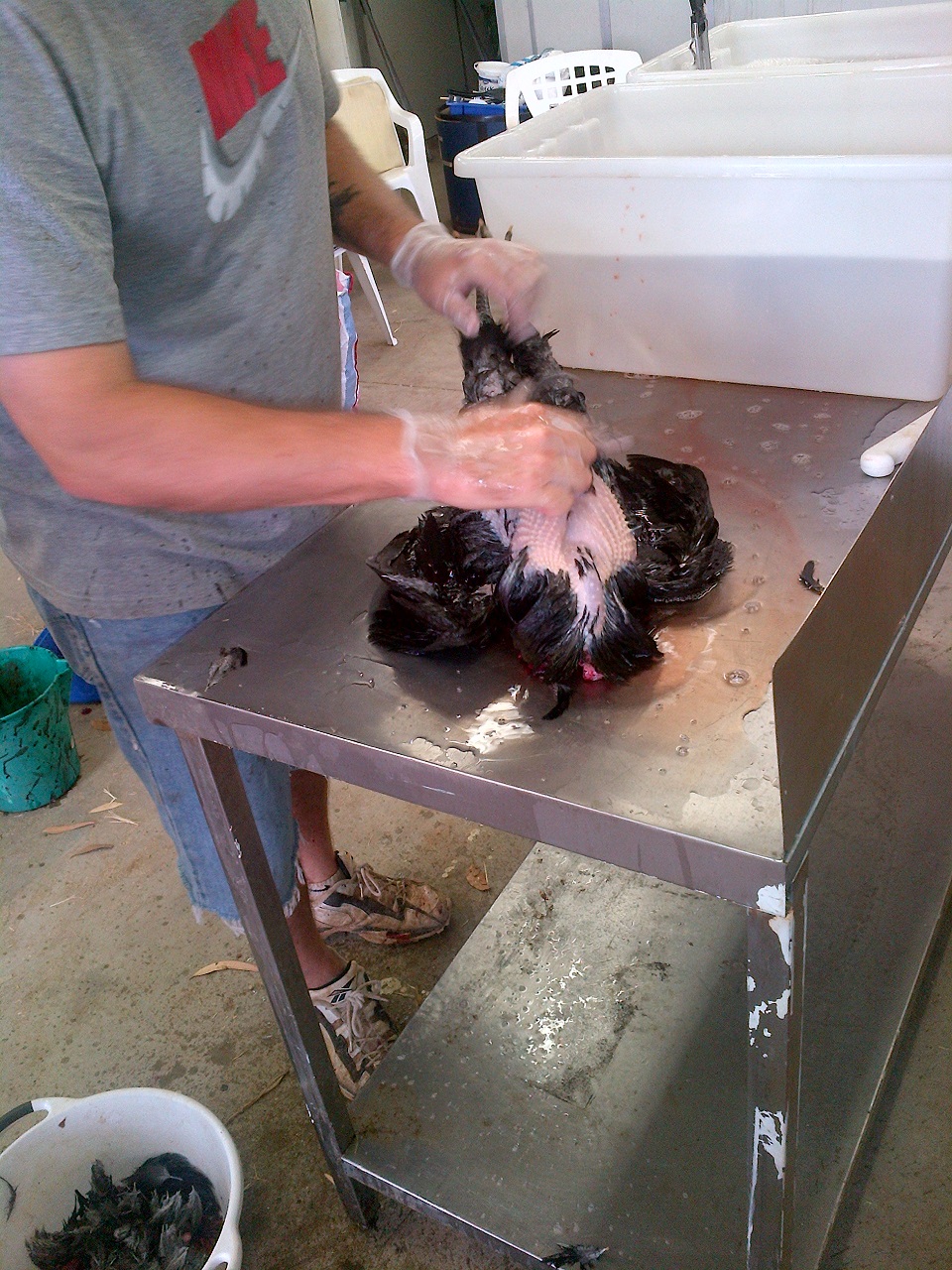
Hand plucking sucks balls.

Hand plucking sucks balls.

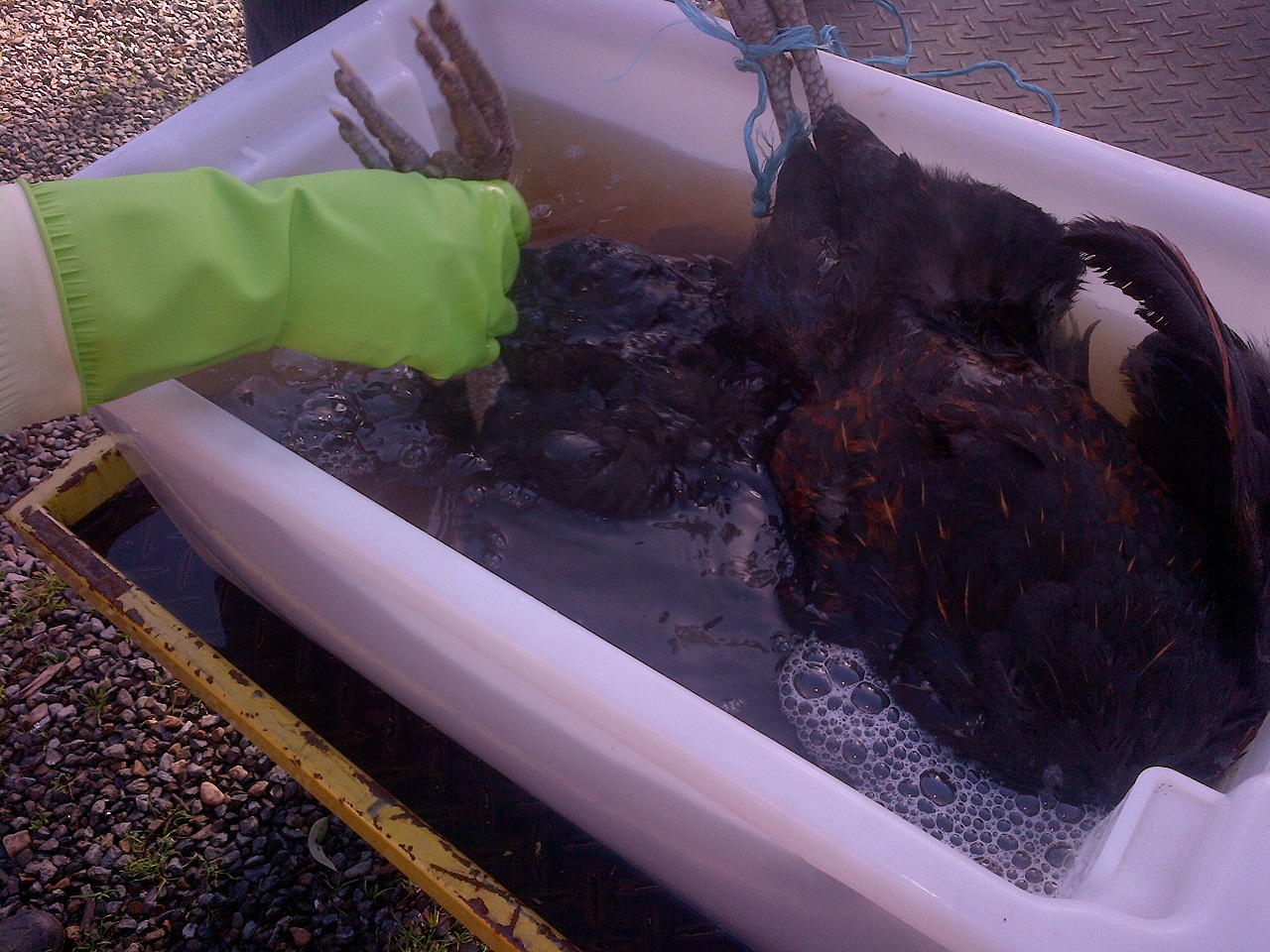
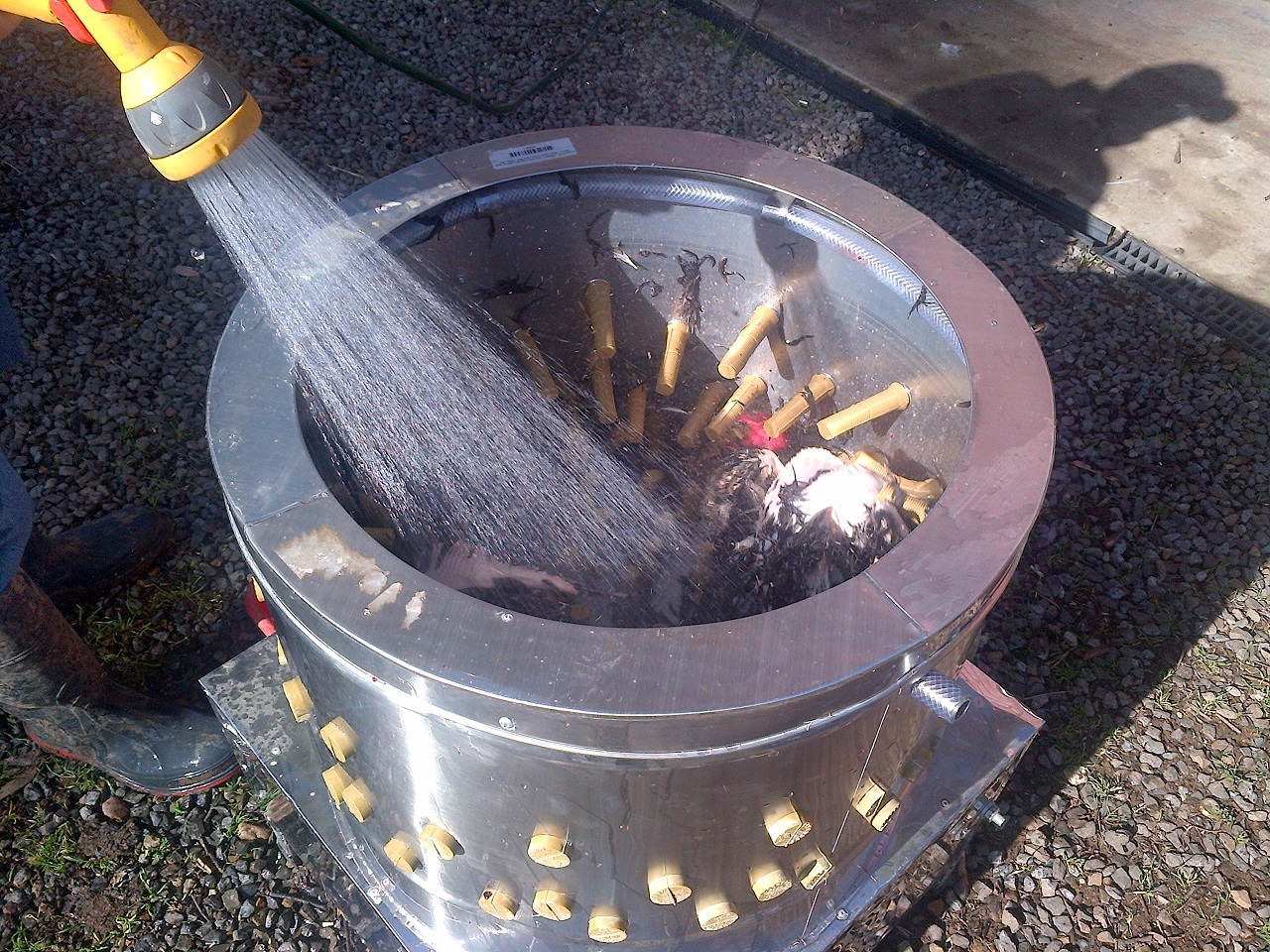
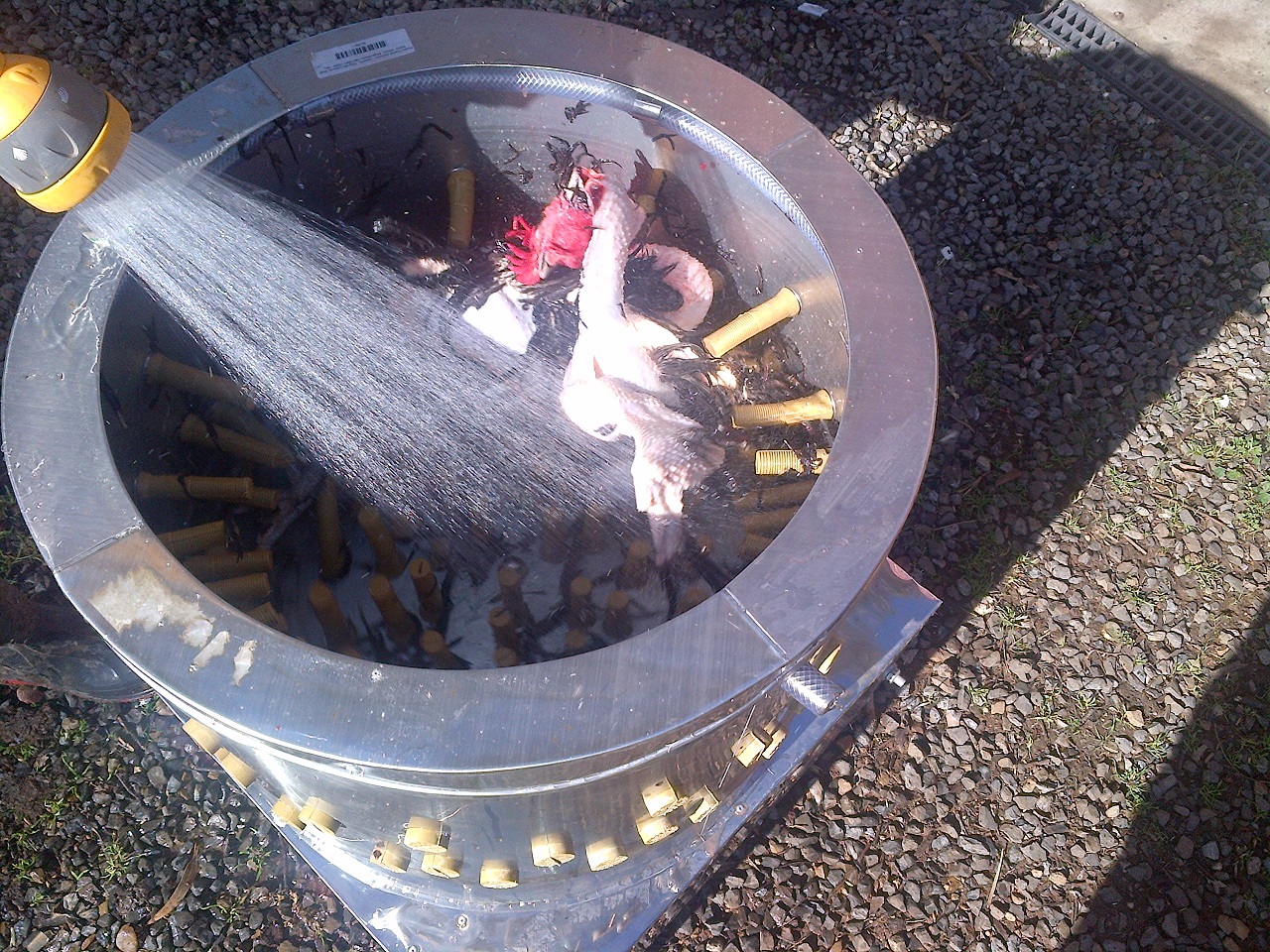
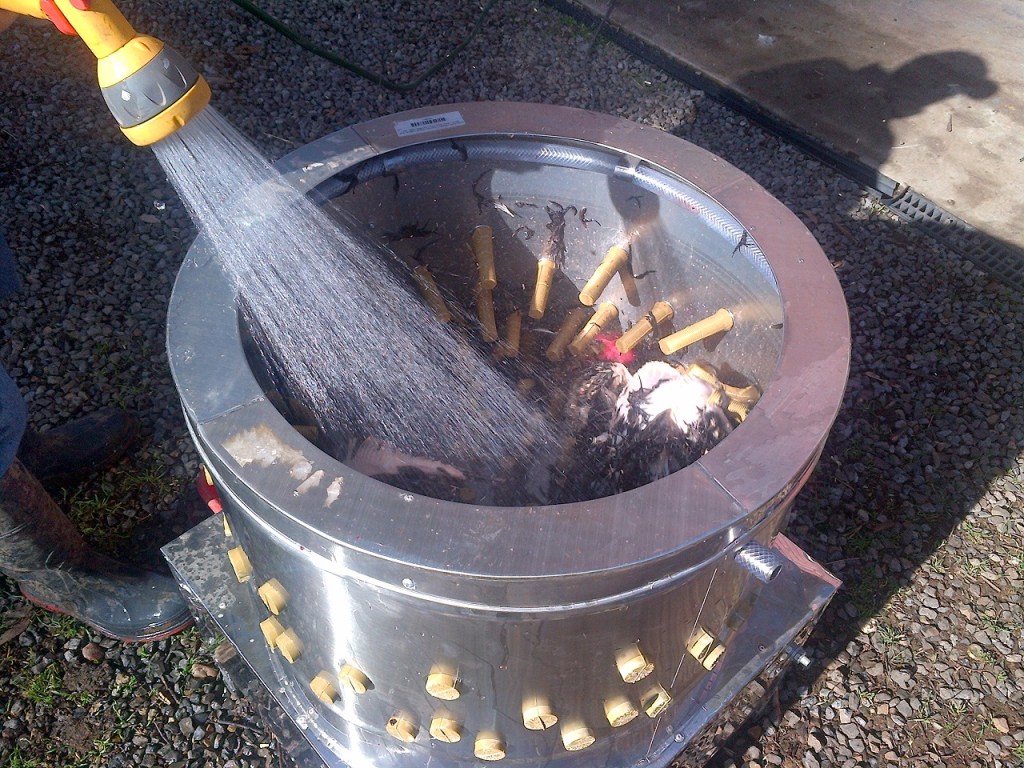
After the first time, we decided to find an automated solution. Linhda found an automatic plucker at an auction in the city, and it’s an amazing machine. It looks like a washing machine full of rubber fingers. It has an attachment for a hose, but it doesn’t output a heap of water. Rather than that, we just used a hose and poured water in.

Before either technique you need to scald the bird.
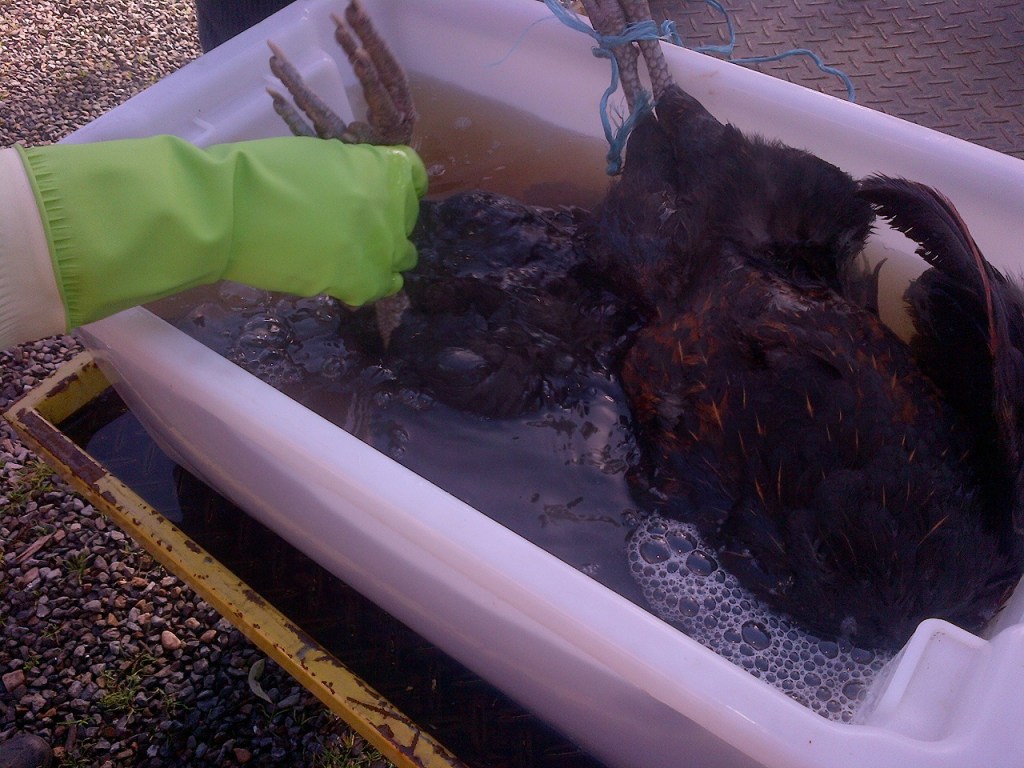
Scalding is important, and really seems more art than science.

Scalding is important, and really seems more art than science.

You use water around 65 or 70 degrees Celsius, and soak the bird for maybe 30 seconds. This loosens the feathers, and makes the plucking easier, though there are people who prefer dry-plucking.
This is around the 20 second mark.
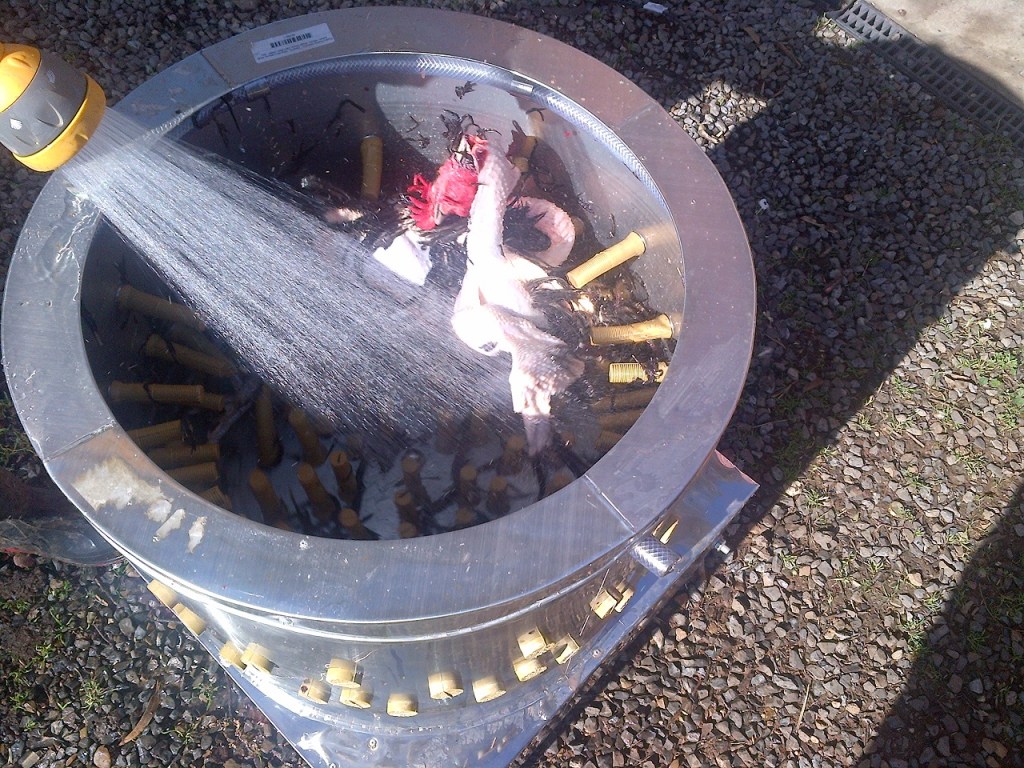
This is around the 20 second mark.

This is around the 40 second mark.
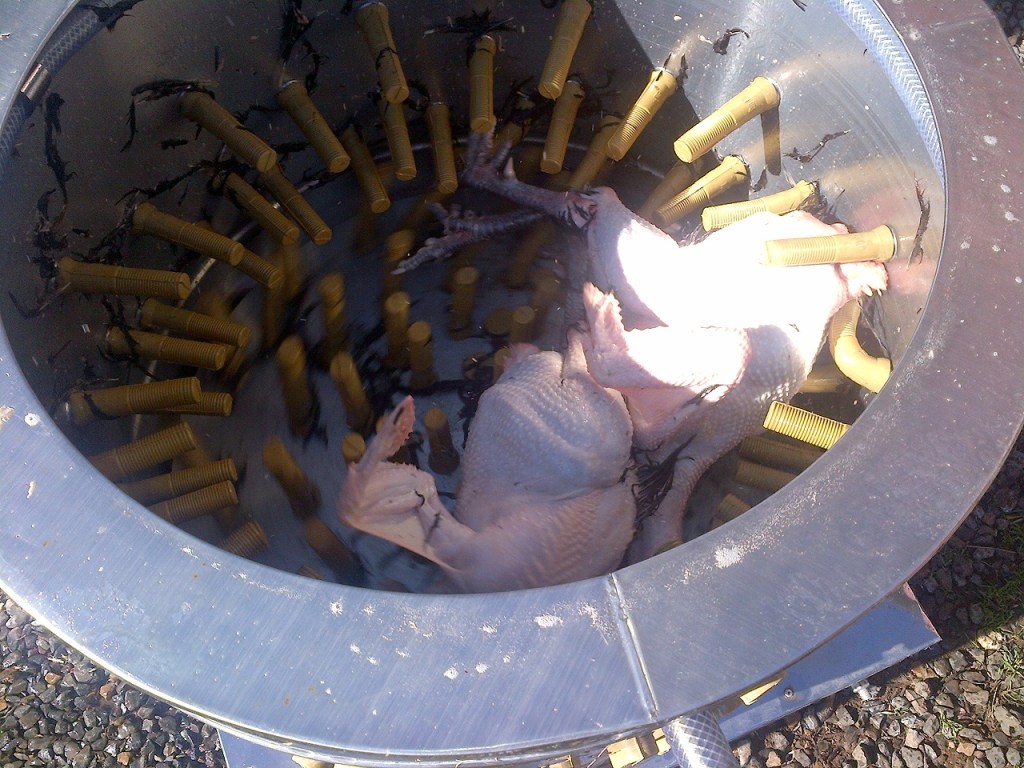
This is around the 40 second mark.

This is around the 1 minute mark.
This is around the 1 minute mark.

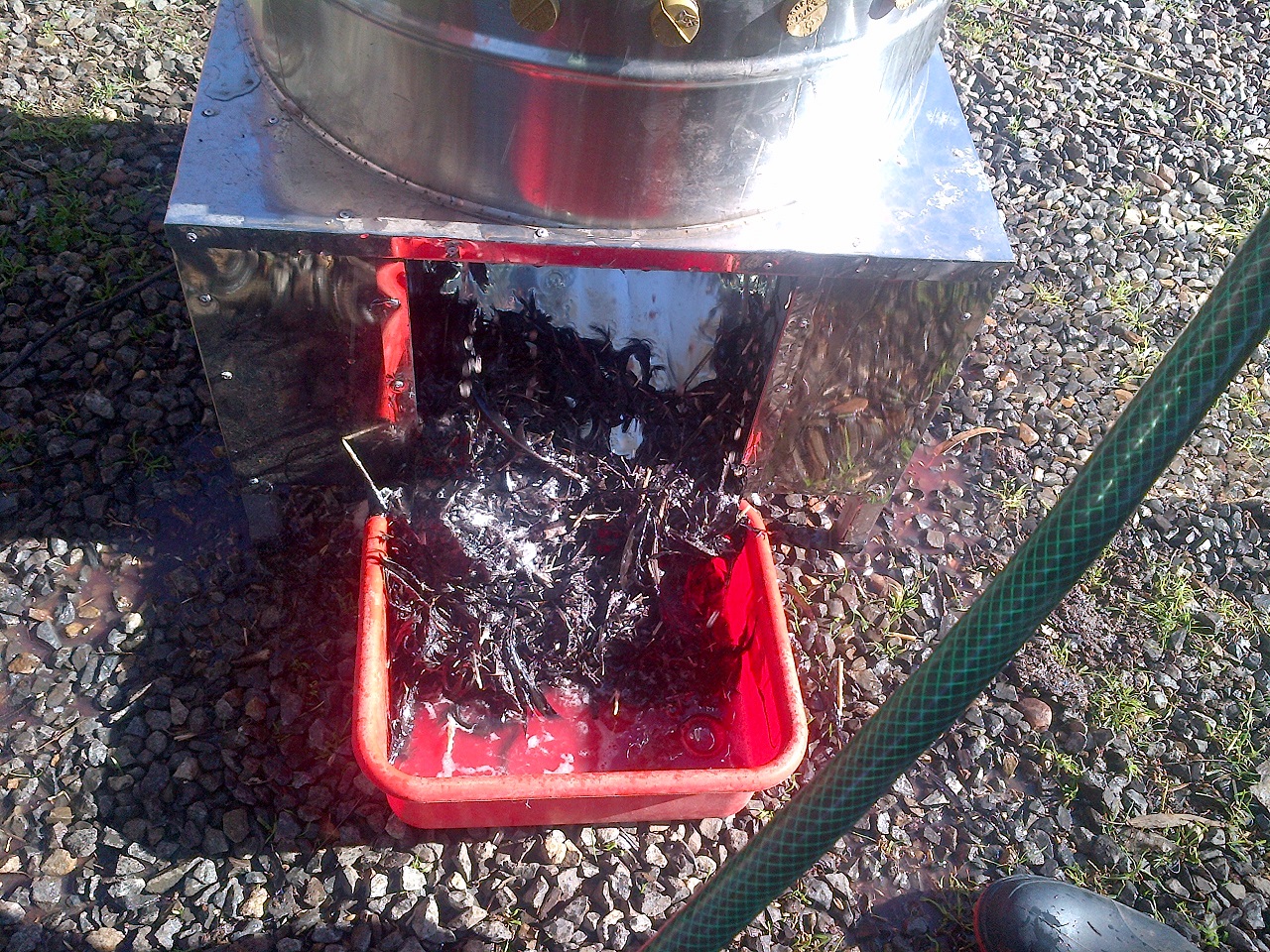
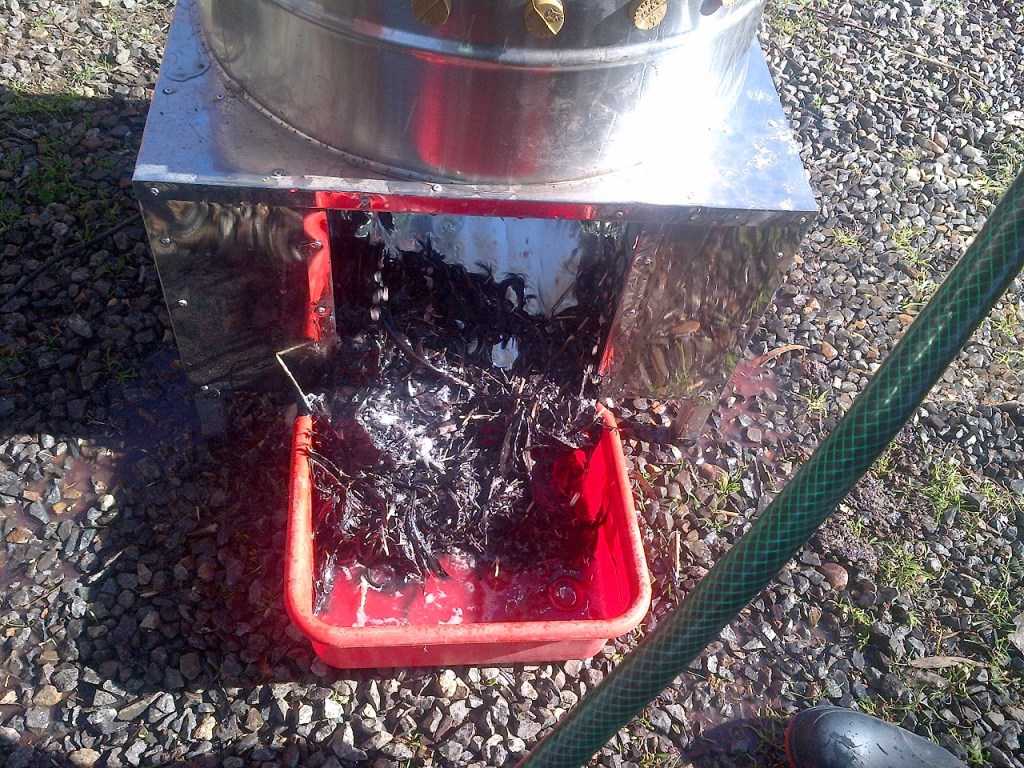
This is the feathers from 2 birds.  All nicely bundled and ready for the compost heap.
This is the feathers from 2 birds. All nicely bundled and ready for the compost heap.

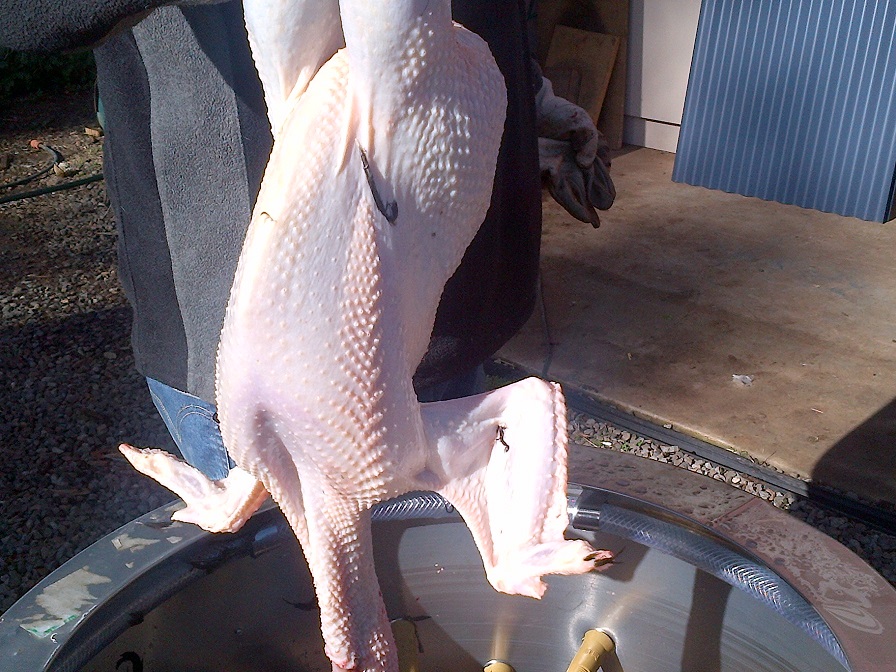
This is the result. So, so, so awesome!

This is the result. So, so, so awesome!

Hand plucking took us maybe 20 minutes, most of which was using pliers to pull out pin feathers on the wings and tail. The plucking machine, god bless it’s mechanical little soul, will take maybe 6 chooks at a time, and gave us a completely clean carcass in under a minute. Best. Machine. EVER!

The next step is the gutting, which is a lot of people will find gross. Personally, I found it fascinating, and after doing it a couple of times you’ll probably get them done in under 5 minutes.

You need a fine sharp knife, as it’s mostly delicate work.
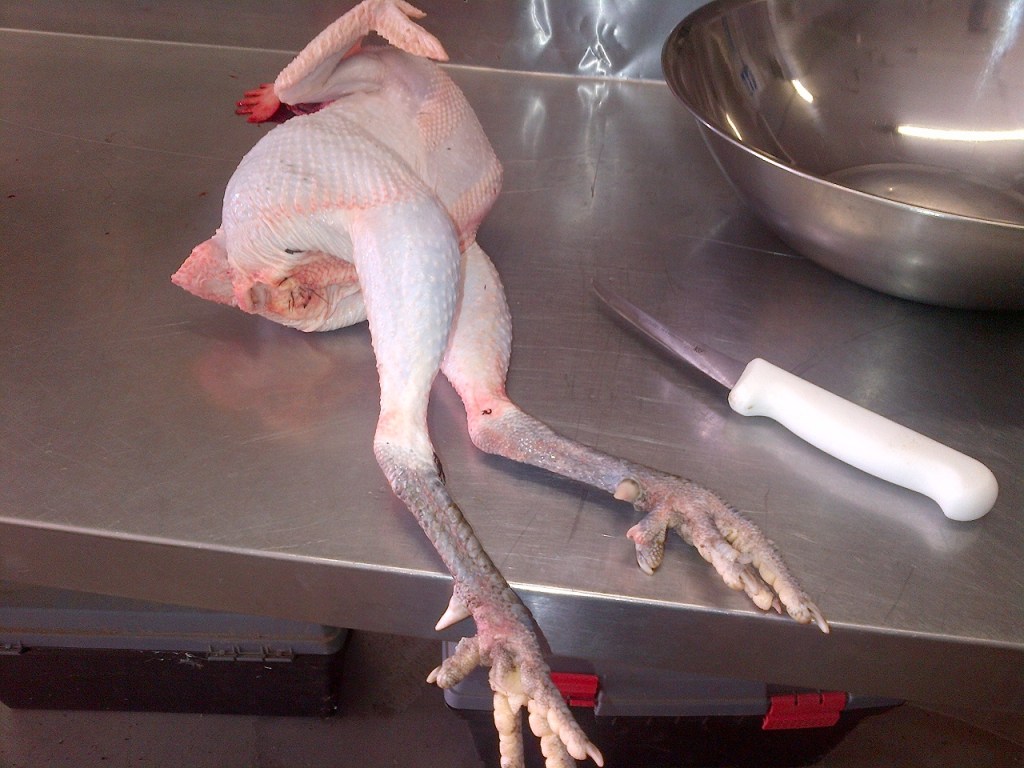
A fine sharp knife is *everything* in this process.

A fine sharp knife is *everything* in this process.

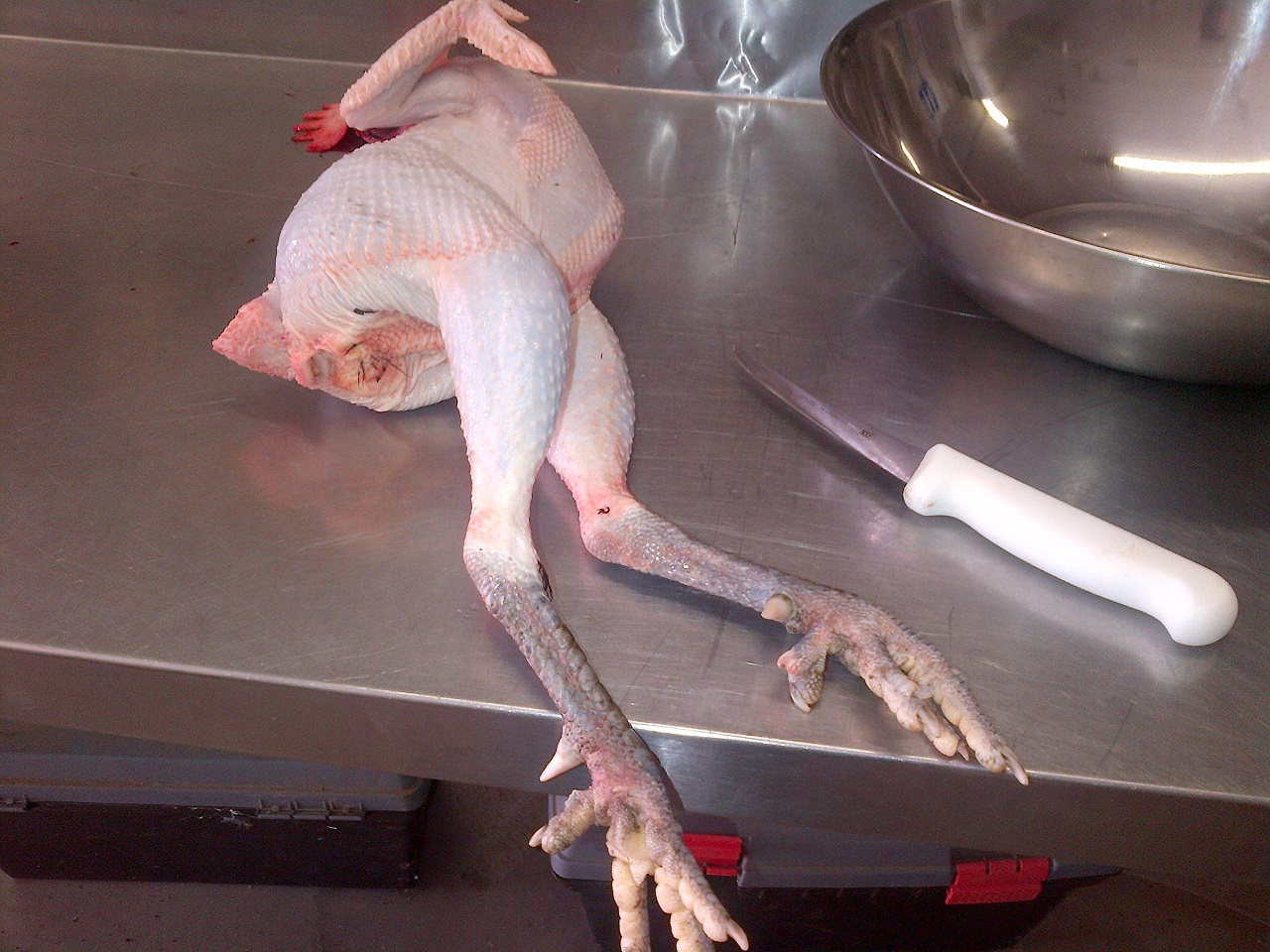
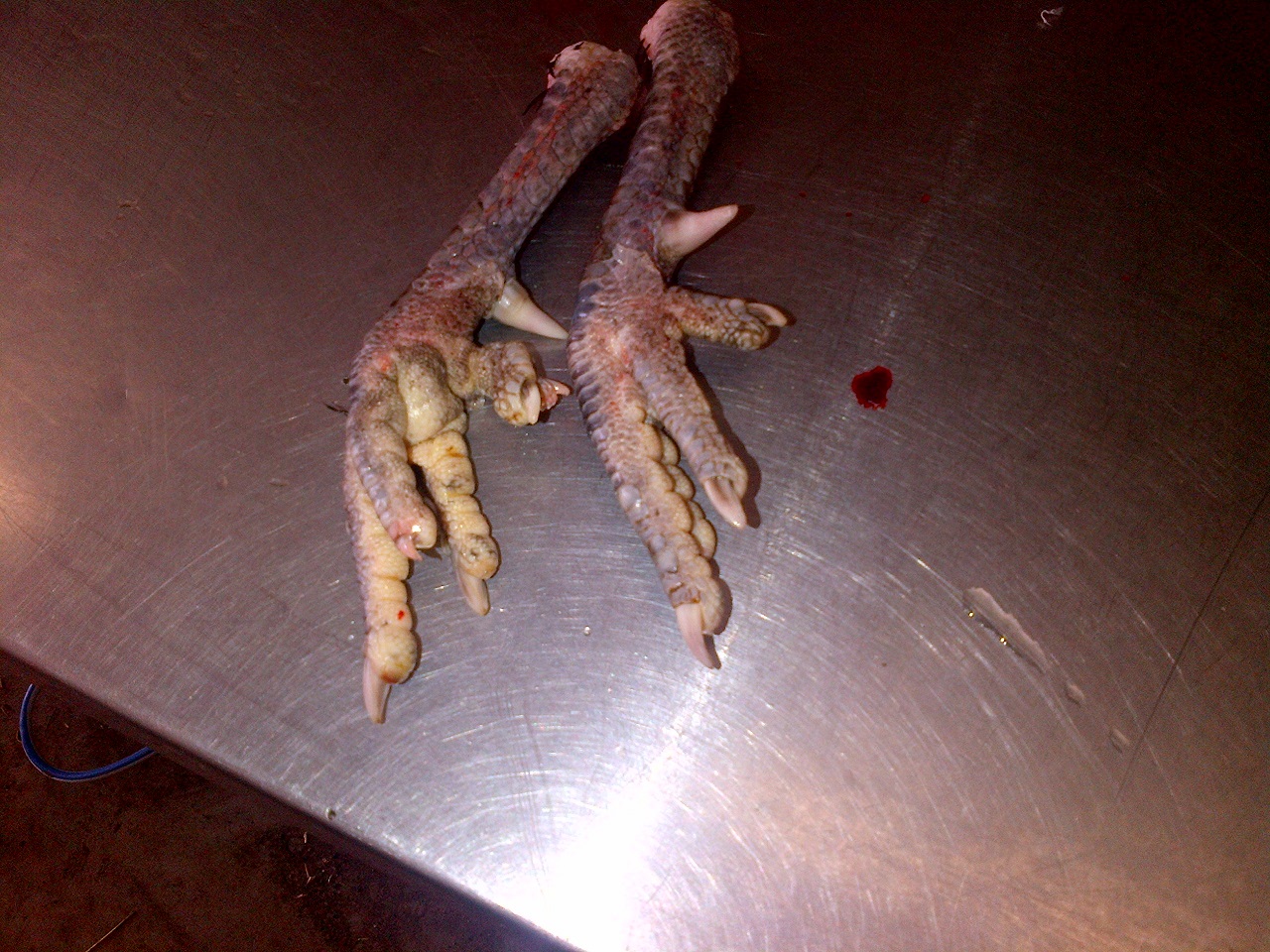
First of all, you take off the feet. That’s fairly easy, as the joint is easy to see and feel. You run your knife around the joint and basically pop the feet off. There’s no need to force the knife through bone or anything hard.
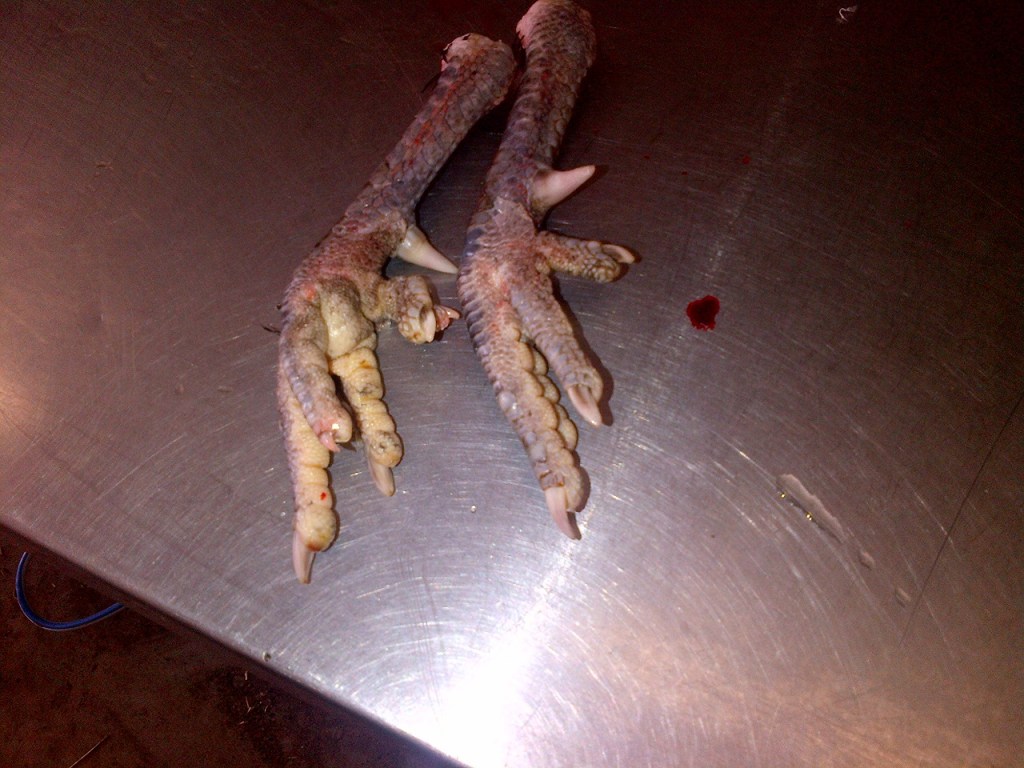
Taking the feet off is surprisingly easy. Some people eat the feet. I've tried them a couple of times, and they're not for me.

Taking the feet off is surprisingly easy. Some people eat the feet. I’ve tried them a couple of times, and they’re not for me.

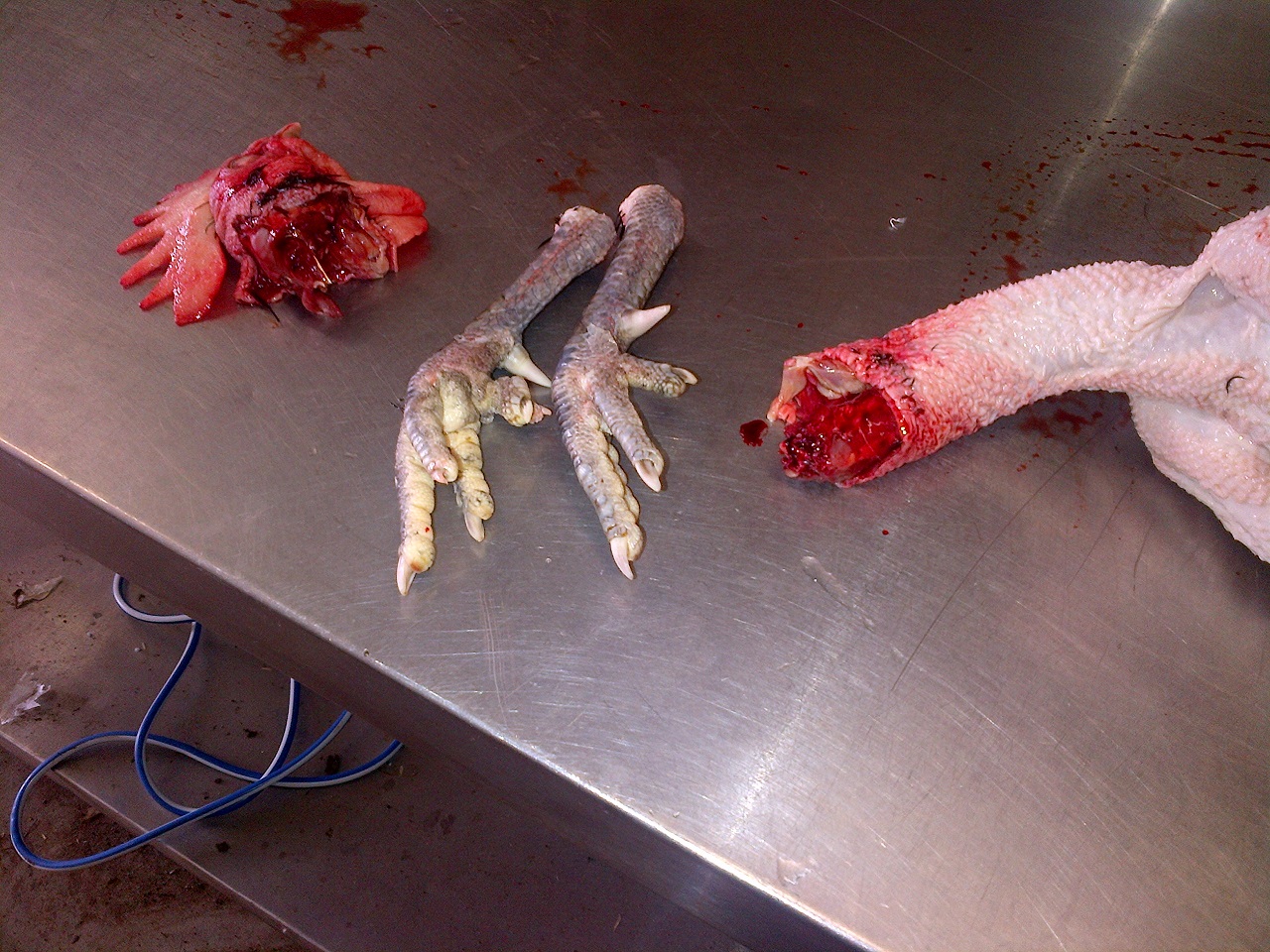
You then take off the head, assuming you didn’t do that in the slaughter stage.
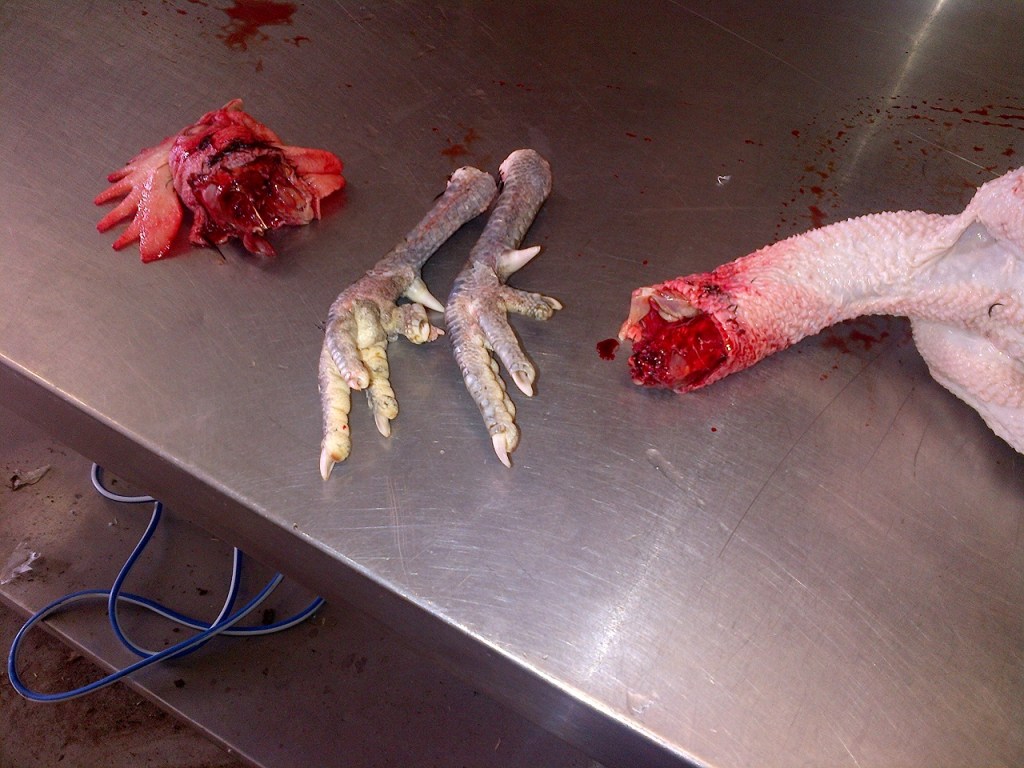
Carcass, feet, head.

Carcass, feet, head.

It’s also at this stage that you remove the neck. You basically find where it attaches near the shoulders and cut it off. It’s incredibly tough, and I’ve given up trying to cut or break it out. Rather I use sharp secateurs, and snip the little bugger out.

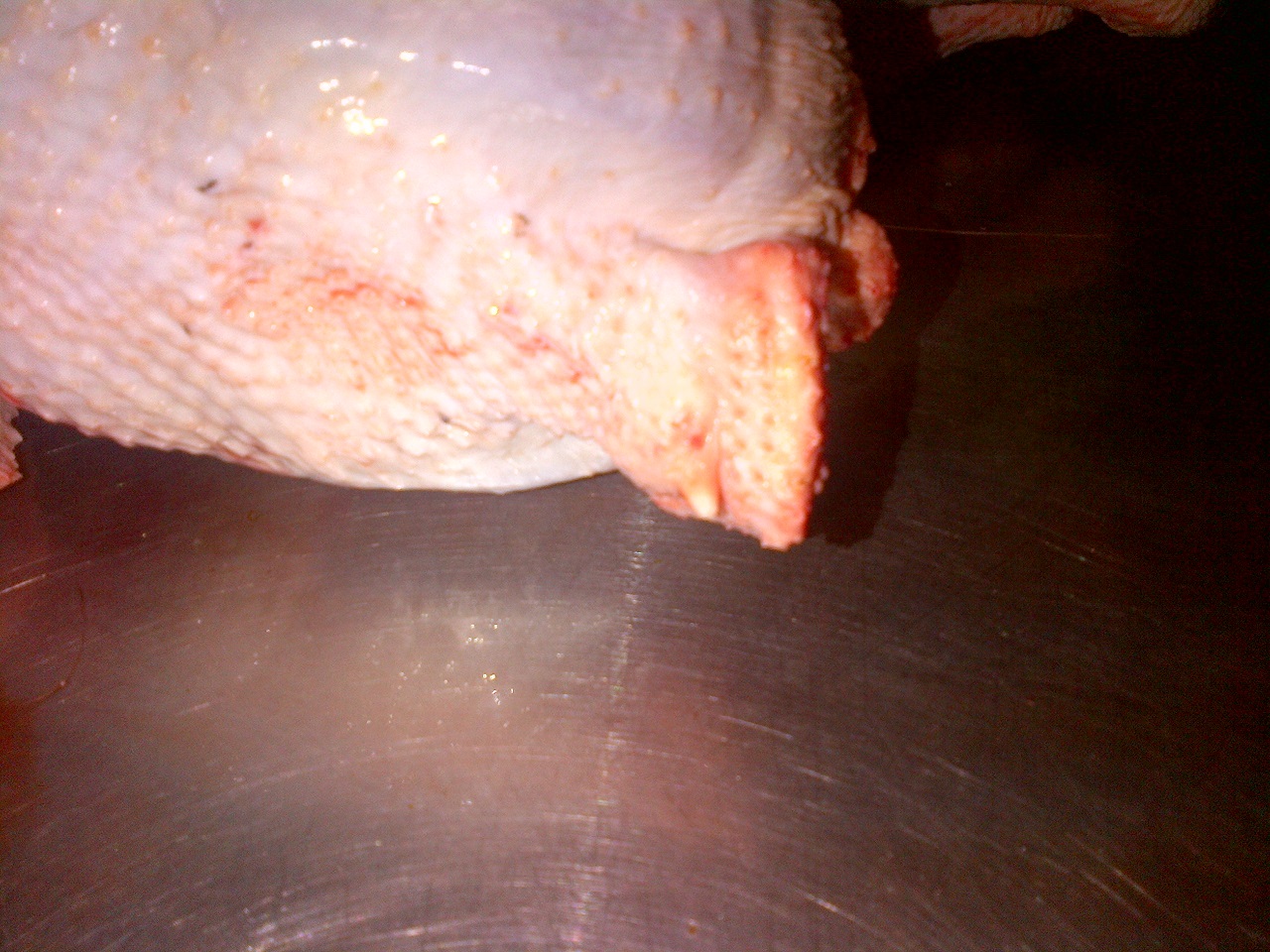
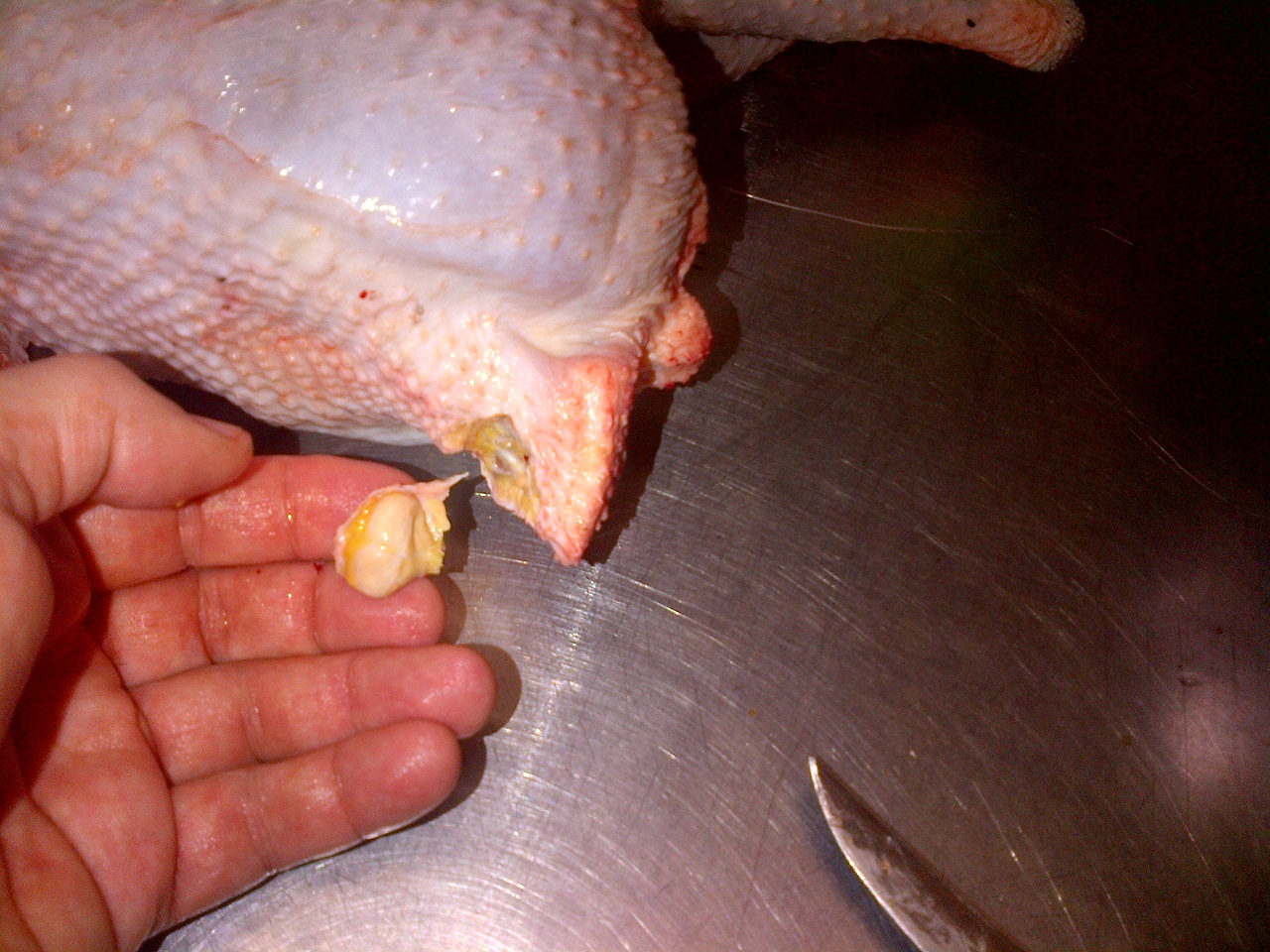
Chooks, like most birds, have an oil gland at the base of their tail, which is called their uropygial gland. That needs to come off. Some people take the tail off completely, but for roasting birds I’d suggest you leave it on. That’s mainly because I love that part (the Parson’s Nose) and so I think you should too. 🙂 Either way, finding the oil gland is easy. It’s right at the base of the tail, is a clear lump, and has a little opening.

You can see the oil gland at the base of the tail, with the opening closer to the tip.

You can see the oil gland at the base of the tail, with the opening closer to the tip.

Taking it off is easy. With a sharp knife you almost just scrape it out, and it’ll come off whole.
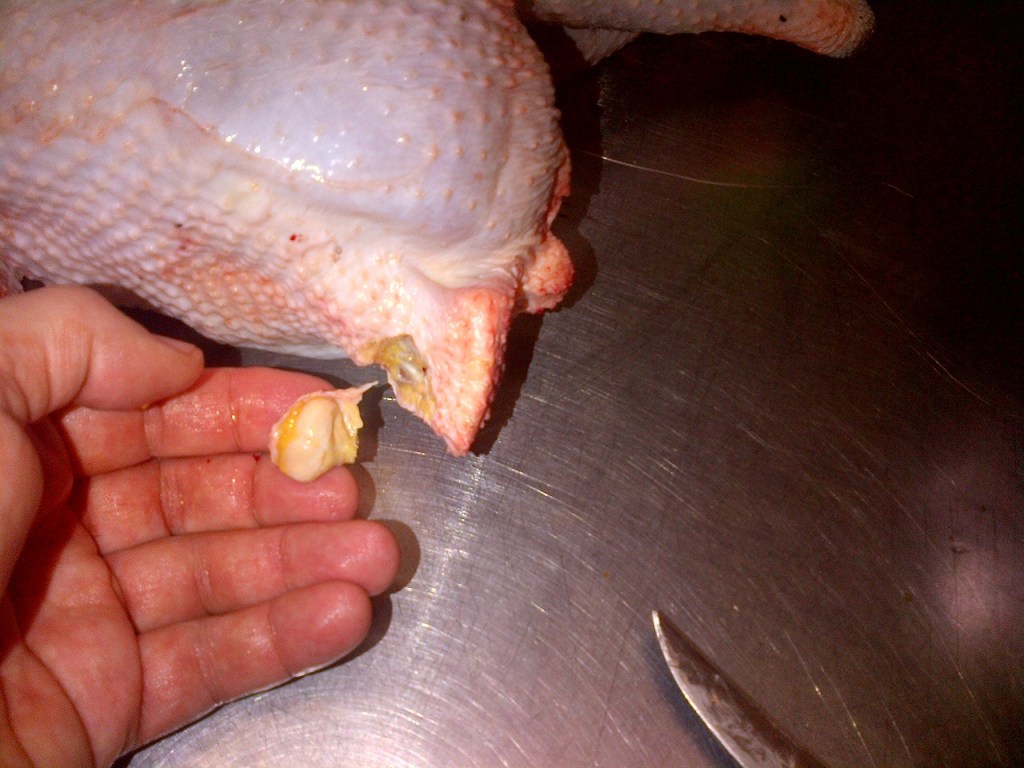
It comes out pretty easily.

It comes out pretty easily.

To gut the bird you cut a small slit laterally low in the belly, just above the vent. You can pull this open, or cut it a bit more, to accommodate your hand. You basically just reach in and pull out everything in there.
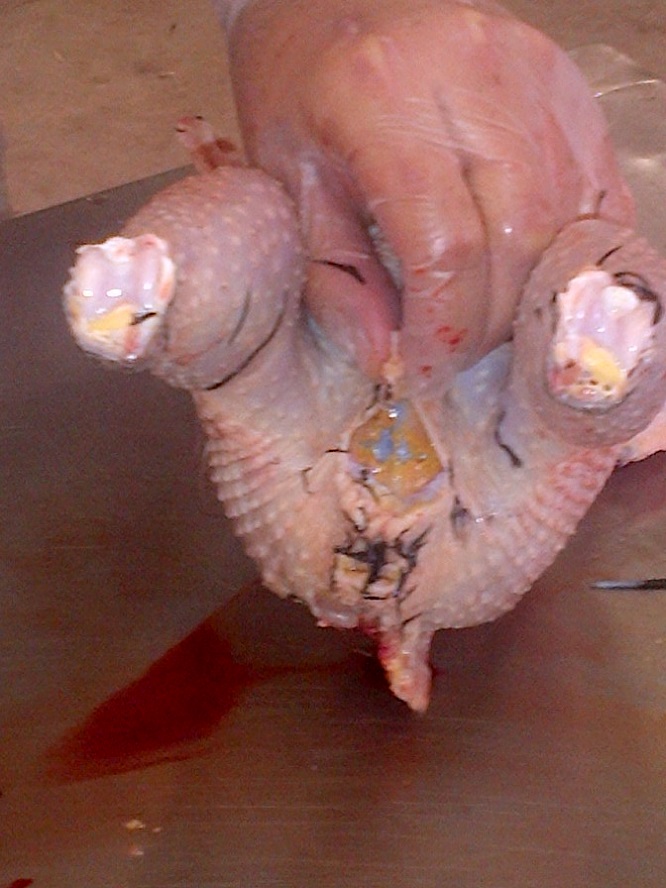
Start your cut laterally above the vent.
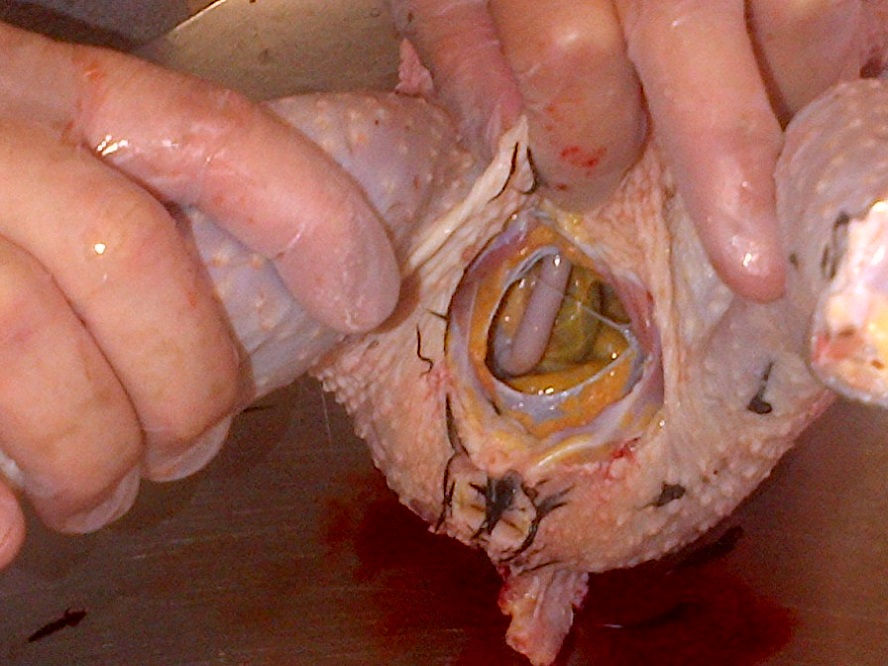
Start your cut laterally above the vent.

It might seem gross, but if you've bled the bird properly at least it won't be bloody... :)

It might seem gross, but if you’ve bled the bird properly at least it won’t be bloody… 🙂

There are a couple of potentially tricky bits here, but they’ve actually worked out well for me. I’ve read where people take out the oesophagus and crop back when you’re taking the neck out. However, that doesn’t work so well for me. Rather, I detach them from the neck, and leave them until I’m gutting the bird. As I pull the guts out, the feeding and breathing tubes come out at the same time quite easily. The crop is attached, but empty because we’ve purged the birds, which might be why it’s easy.

The other tricky part is supposed to be the lungs, but I’ve not found them hard. I’ve read how people just can’t get them out, and they have special scraping tools that use water to help. However, for me they’ve always just come out with my fingers.
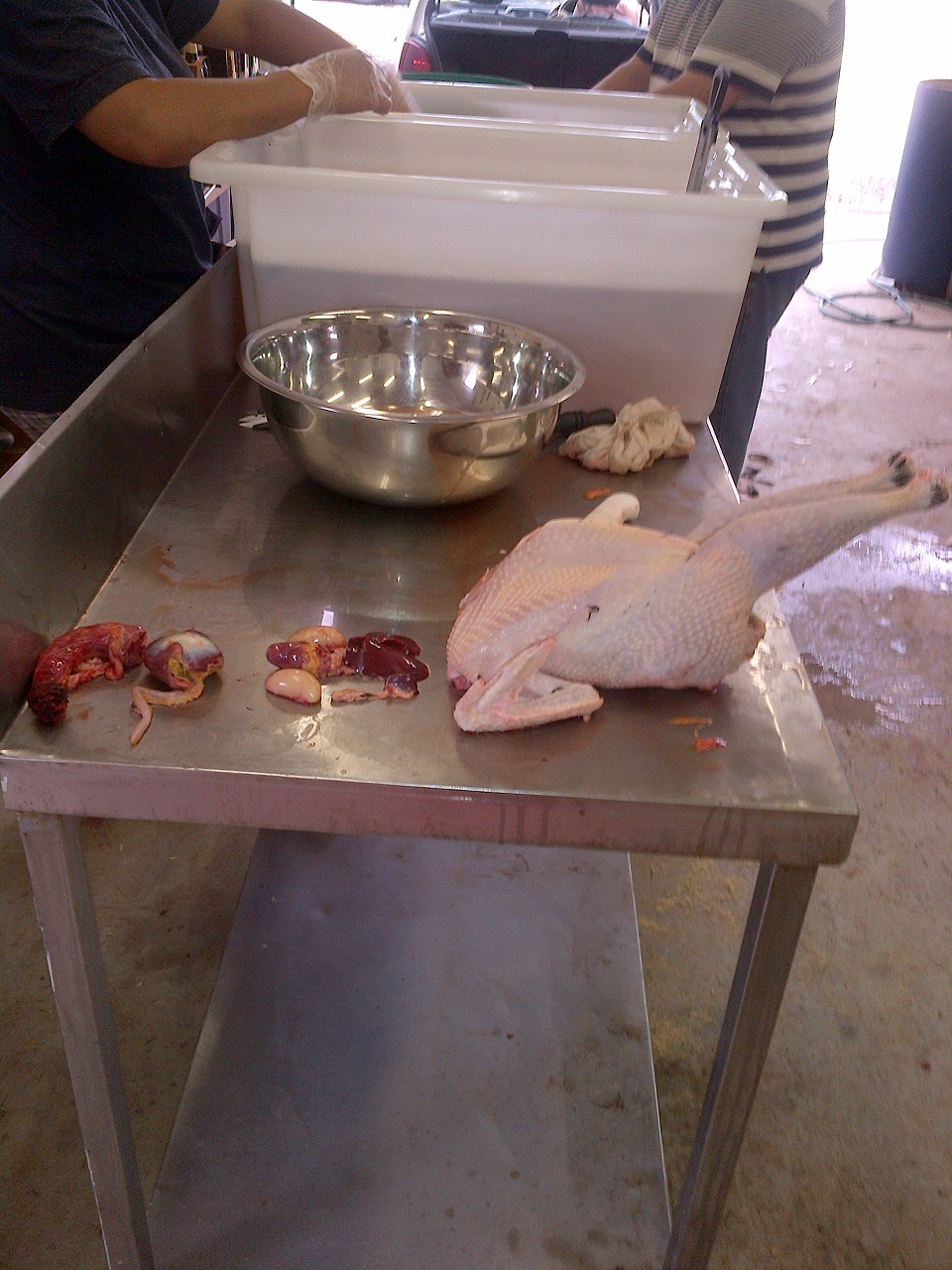
Carcass and offal arranged in order.

Carcass and offal arranged in order.

With the plucking machine, you can go from live bird to dressed carcass in maybe 15 minutes. We plan on doing it in a bit of a production line, where we can use the Humane Chicken Killer and hang/bleed maybe 6 at a time, get them in the plucker as we kill/bleed the next 6, and then have a couple of us gutting them. With that working the way I want it to work, we should be able to get a couple of dozen done in a couple of hours.

It’s important to get the birds on ice or in a fridge shortly after processing them too.

Like I said above, one of the main reasons we do this is because we get to keep all of the animal on the property.
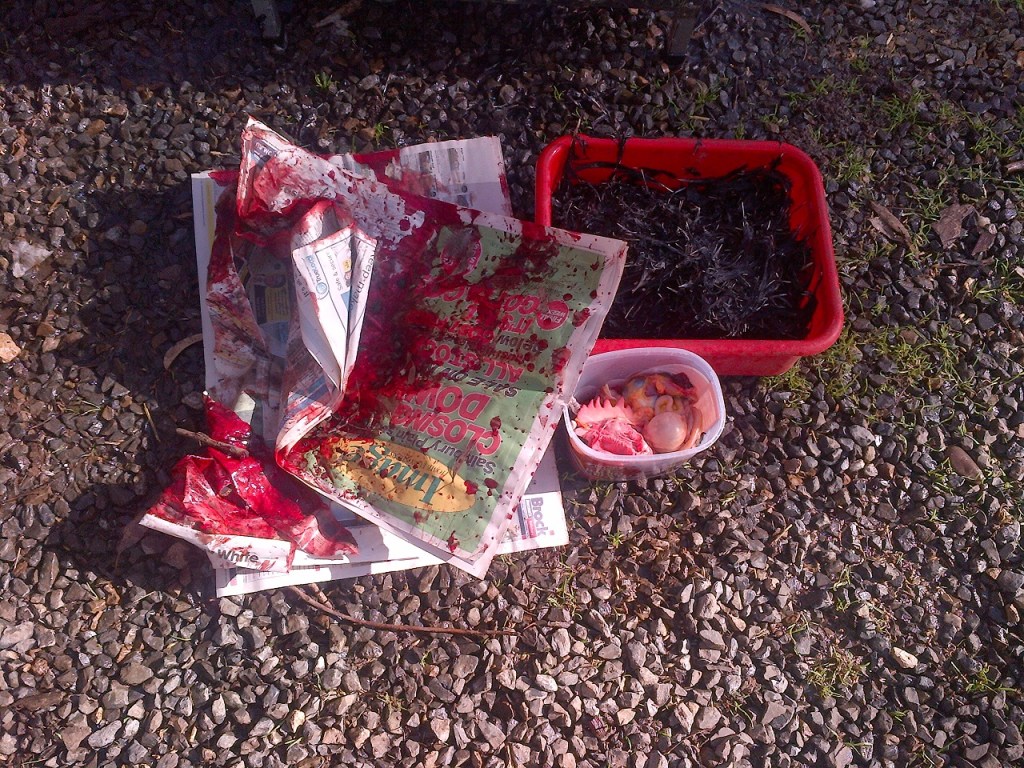
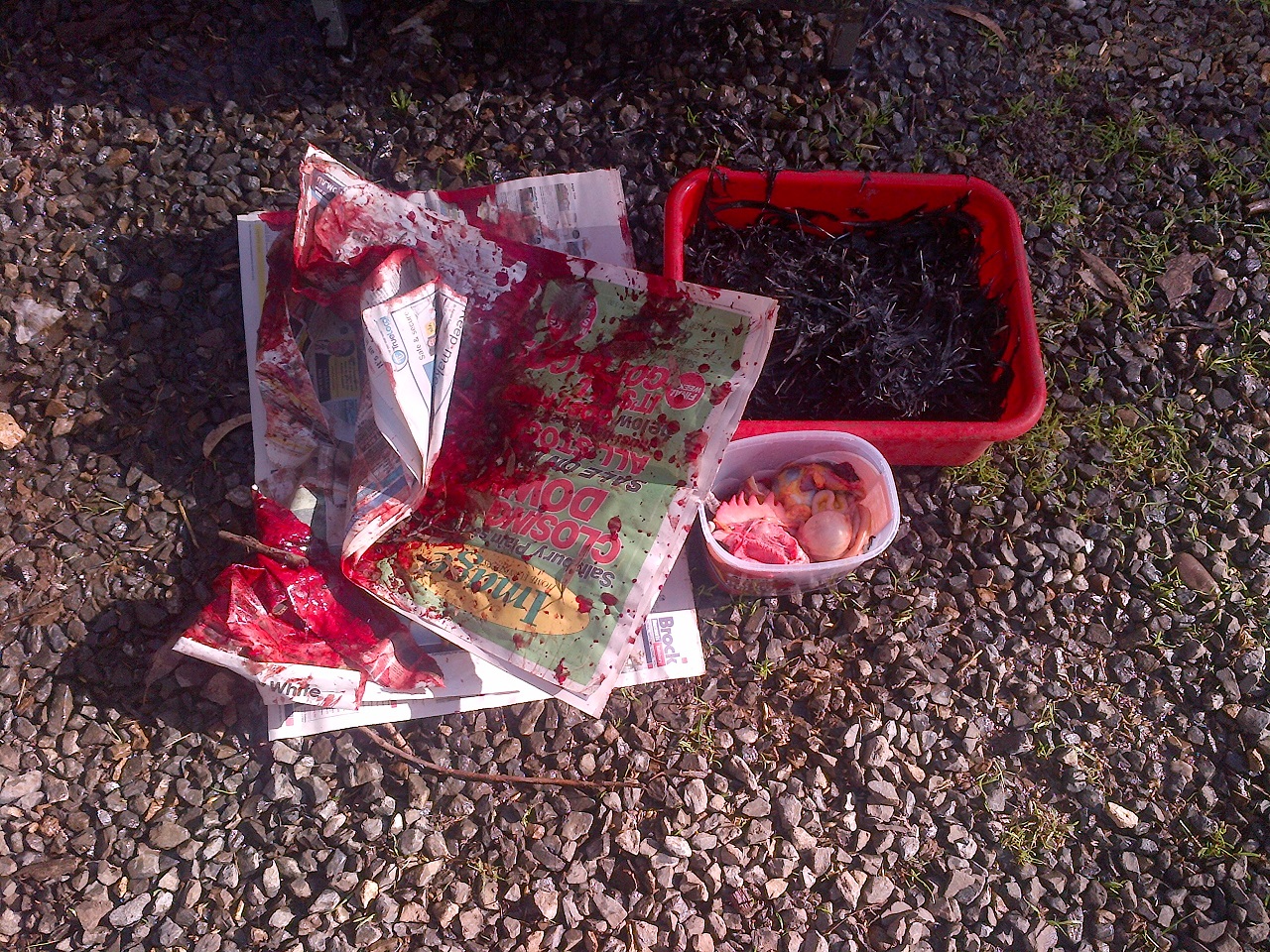
The viscera, blood, and feathers. None of the bird is wasted. Not a single atom.

The viscera, blood, and feathers. None of the bird is wasted. Not a single atom.

All of the waste from the processing is normally thrown out by the abattoir. While you can get the offal and neck back, they legally can’t give you anything like the guts or feathers, let alone the blood. Doing this yourself at home means that all of that is kept and used on the garden. Every single part of the animal is used, and you are 100% sure that it has been slaughtered humanely. To my mind, there is absolutely no better way to show the respect that your animals deserve.