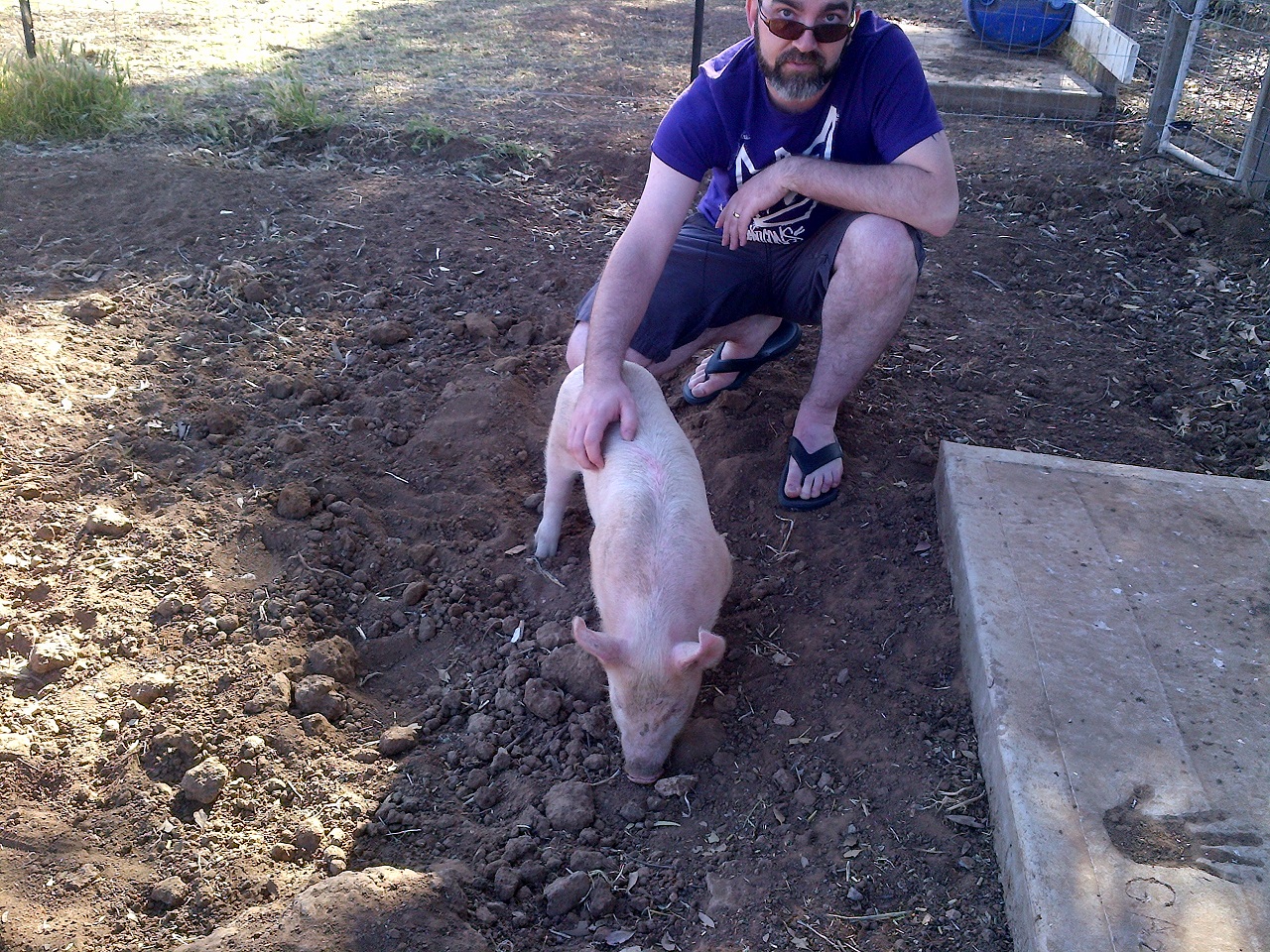
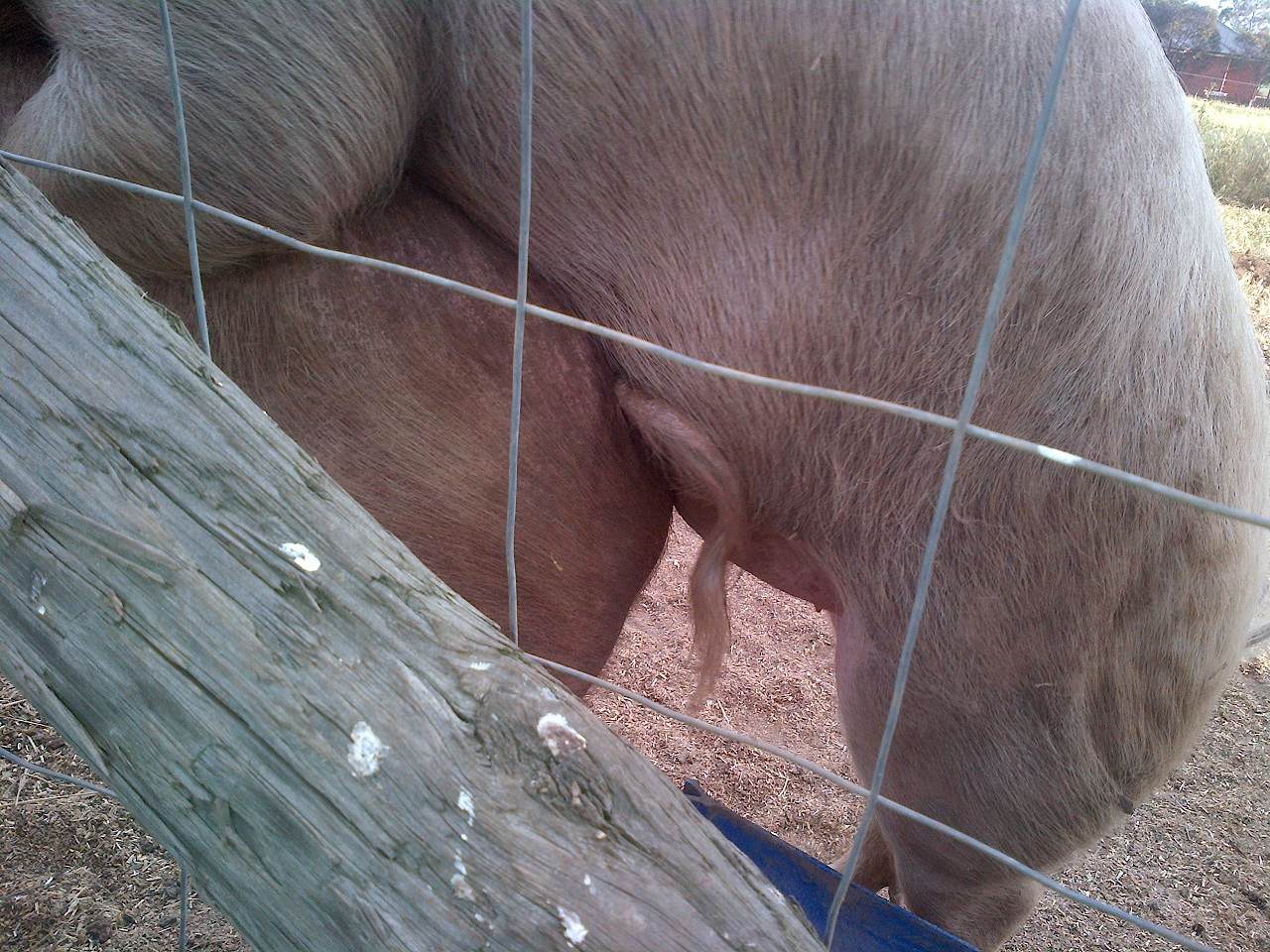
February 2014 Facebook Farm Statuses

  • I’ve always thought my kids were joking about my “farmer’s crack” when I’m outside working, until this week where I have a very interesting strip of sunburn…
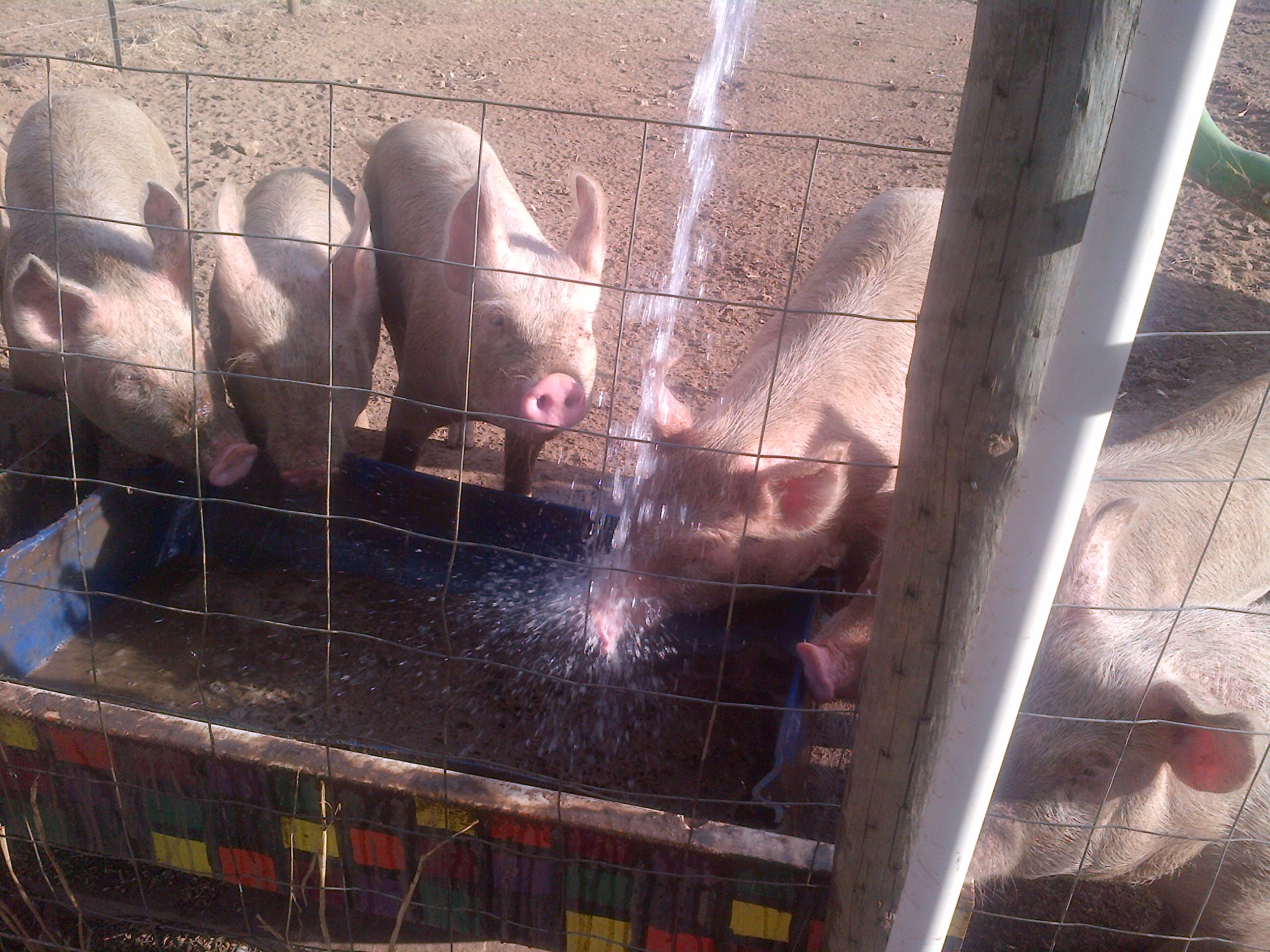
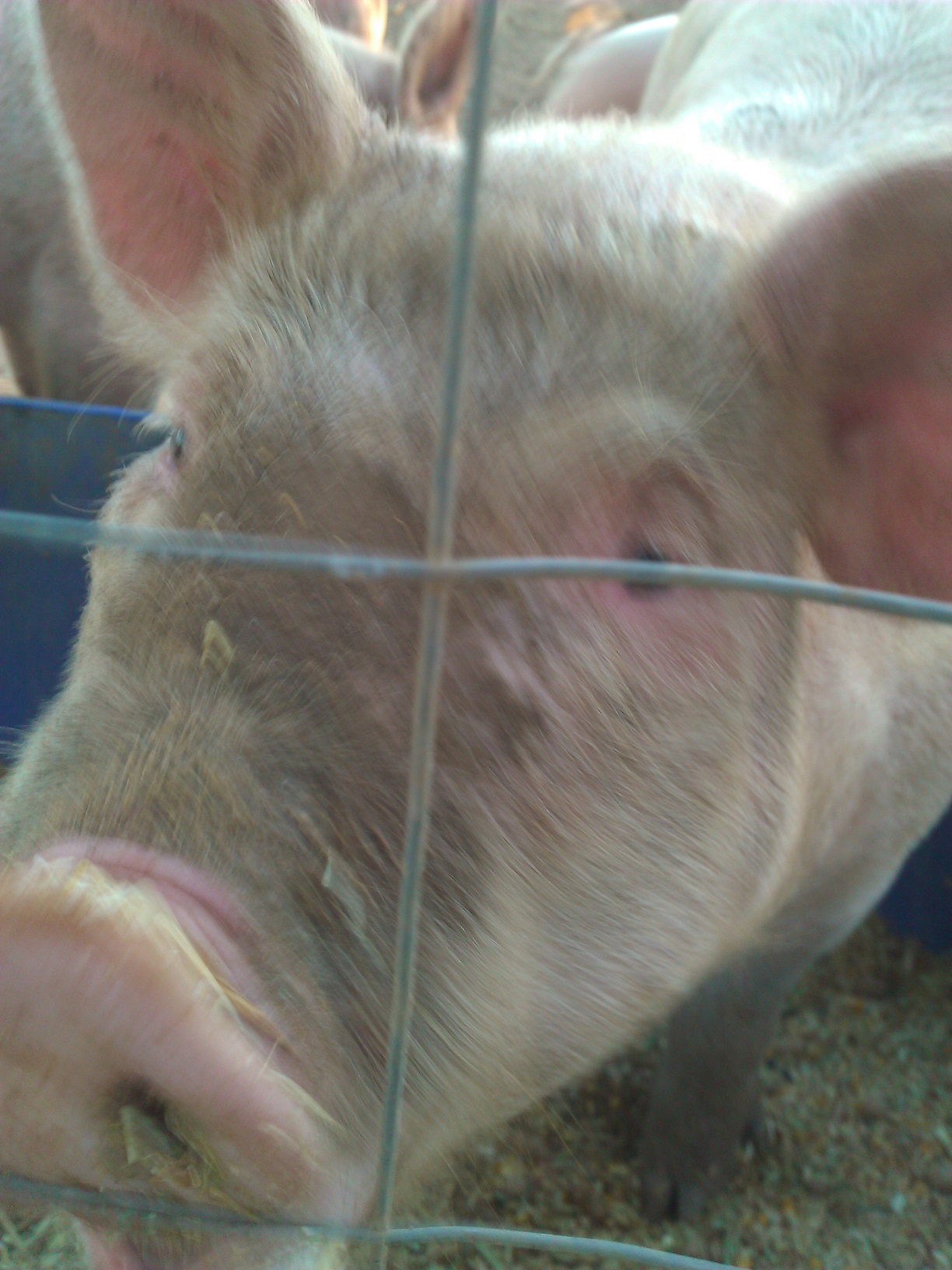
  • So, up at 5:30am to investigate noisy pigs (the boar was asking the question, the sow was saying “no thankyou”). I noticed some rats scurrying around one of the chook yards. I grabbed my air rifle and managed to shoot one, while precariously holding a torch, as it was running along a cable. Then at 6:30am I hosted an international phone conference, which included attendees from the US and UK, plus my General Manager, having to mute my phone when I wasn’t talking because the rooster was going nuts. I’m pretty sure that’s how all farmers start their day.
  • 40mm of rain since yesterday afternoon, and we’re expecting potentially that much today. We could end up with 15% to 20% of our annual rainfall in 2 days! That’s freaking unsane! Unsane I tells ‘ya!
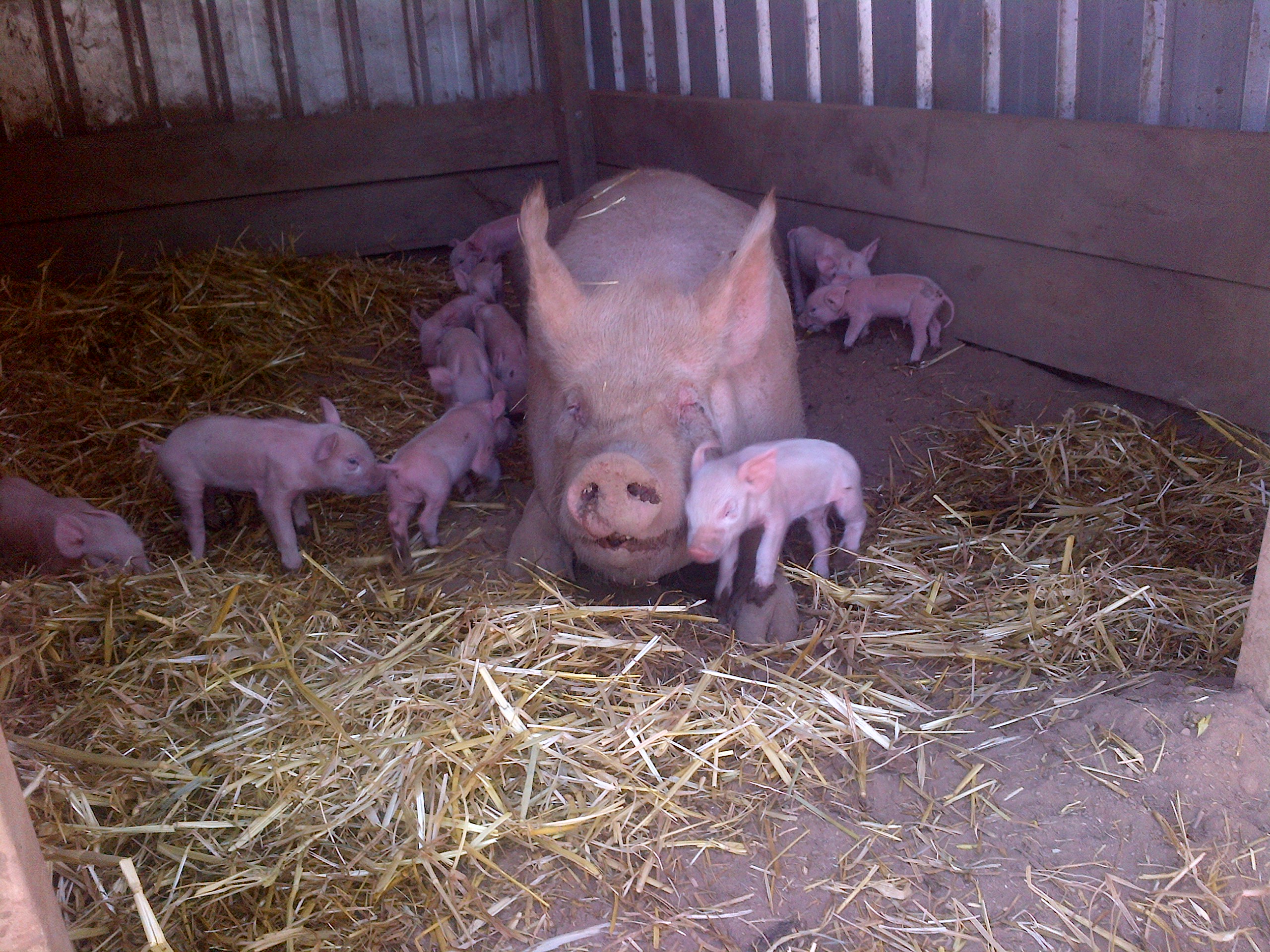
  • We had 11 piglets born this morning. There are graphic pics and videos to follow. You’ve been warned… 🙂
  • We borrowed a horse float from some bikie types yesterday. I can’t say for sure they’re bikies, but I’m pretty sure they know their way around a good revenge killing. Anyway, I was dropping off the horse float this morning in my awesomely manly farm truck, a truck for which the bikie type expressed his admiration yesterday, and as I pulled up a Belinda Carlisle song started on the CD player. Loud. There was little eye contact made after that… My response was to flick forward to a Cher song as I left and turn it all the way up. LIKE A BOSS!
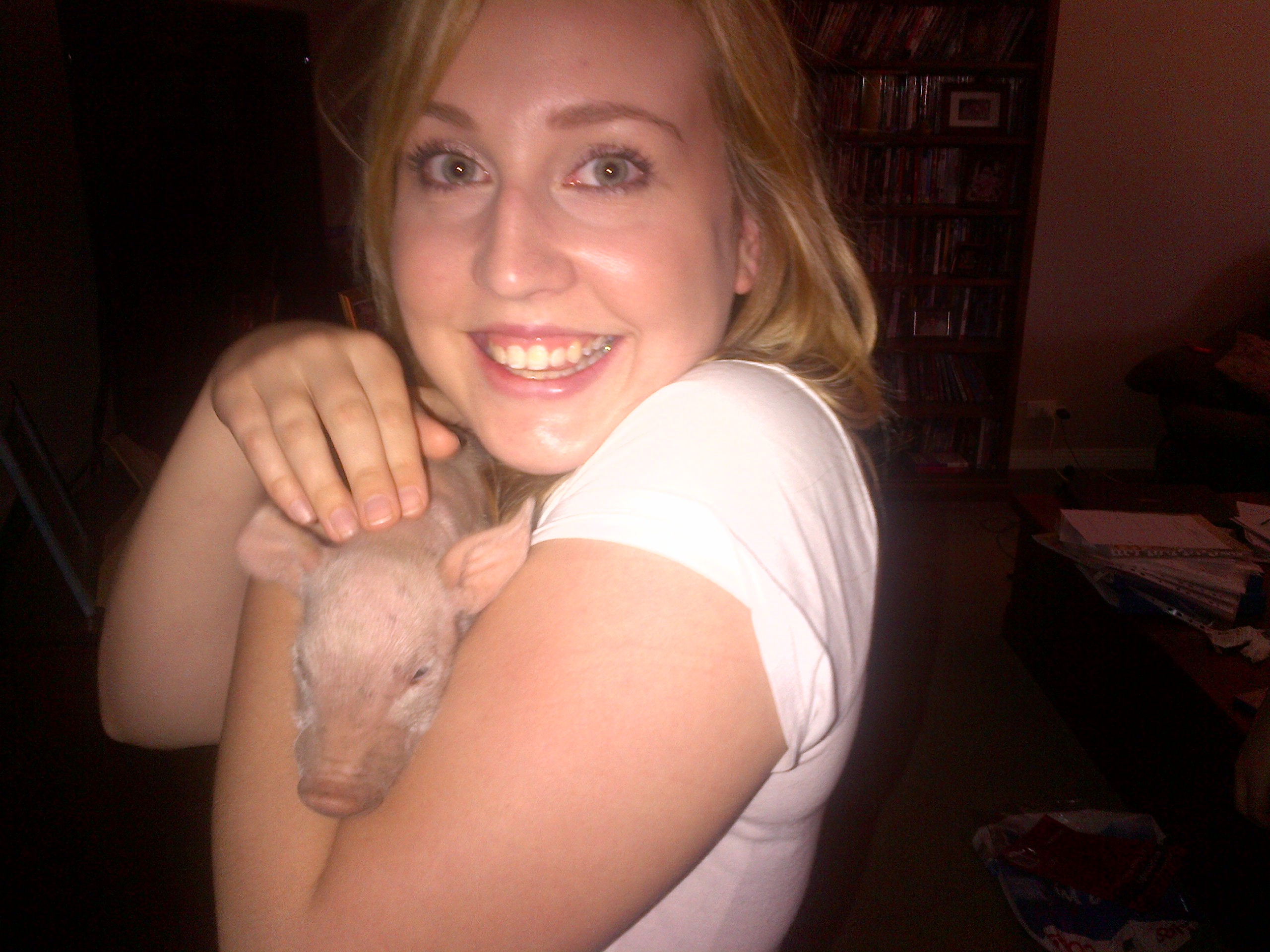
  • Want to make 3 sisters fight? Bring a 3 day old piglet inside and hand it to one of them for a hug…


Our baby-daddy, Boris!

Our baby-daddy, Boris!

Lesson Learned: Nothing Happening… Except Pigs!!!!!

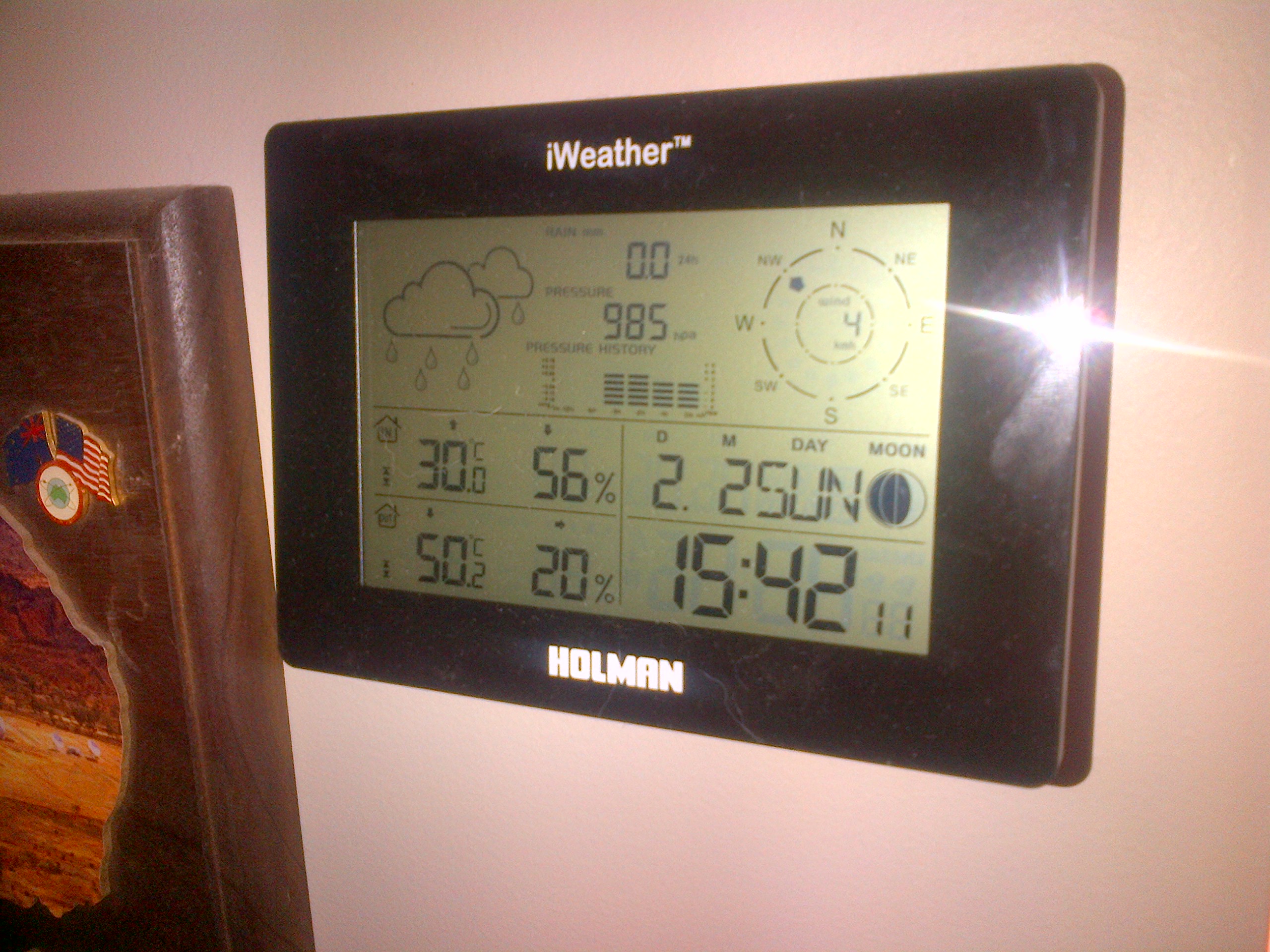
January, 2014  was hot enough to grind things to a screaming halt. However, the hottest day we saw was right at the start of February.

Believe it or not, it actually got about a half-degree hotter that day... :(

Believe it or not, it actually got about a half-degree hotter that day… 😦

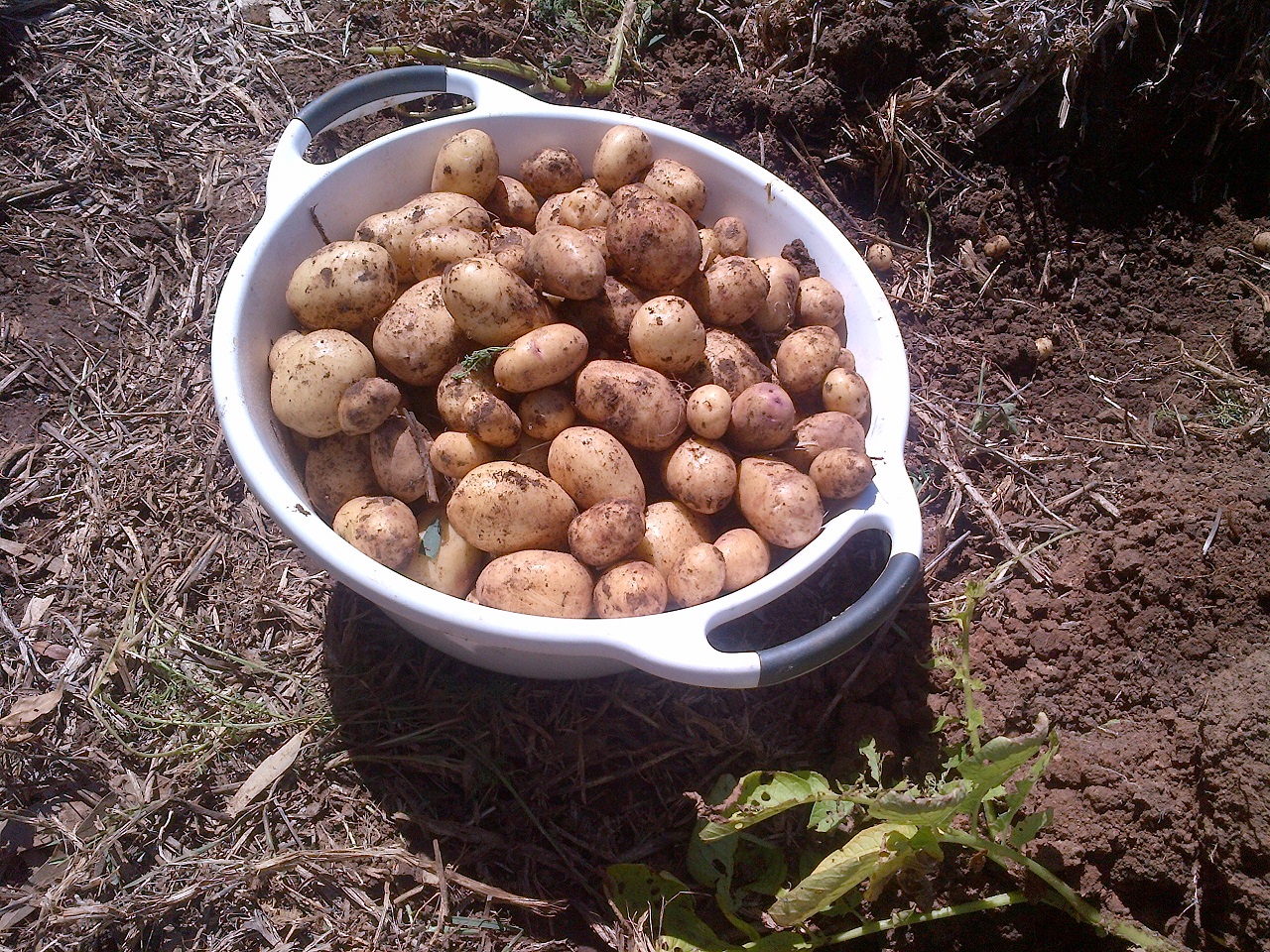
For the first couple of weeks, we had one Sunday where it was cool enough to actually do anything, so we caught up with veggie patch stuff. That involved the final harvest of things like our potatoes and parsnips.

New Potatoes!

New Potatoes!

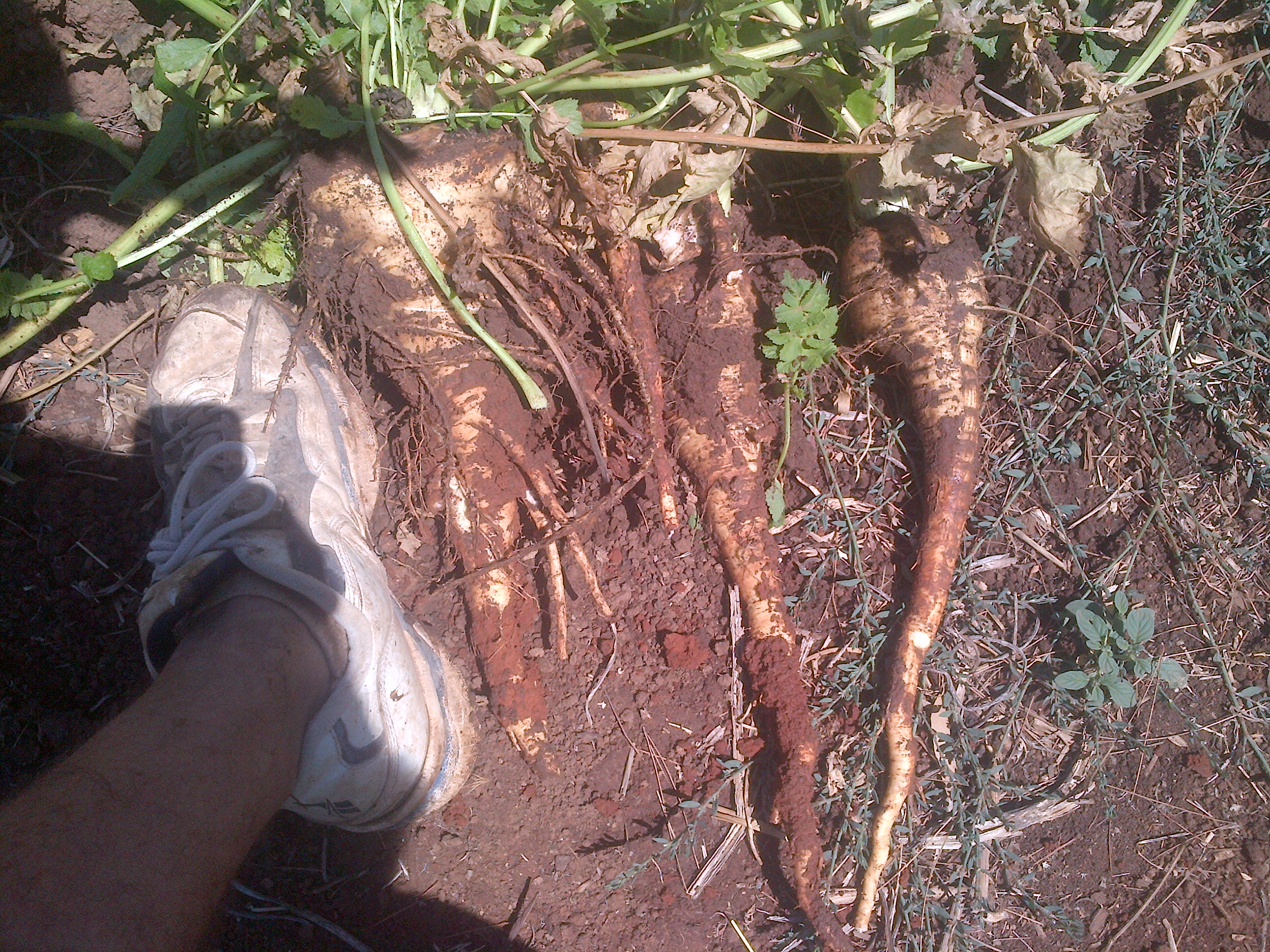
Last of the parsnip. My foot is there for scale. These last ones were huge!

Last of the parsnip. My foot is there for scale. These last ones were huge!

We did have some wins when it comes to meat self-sufficiency too.

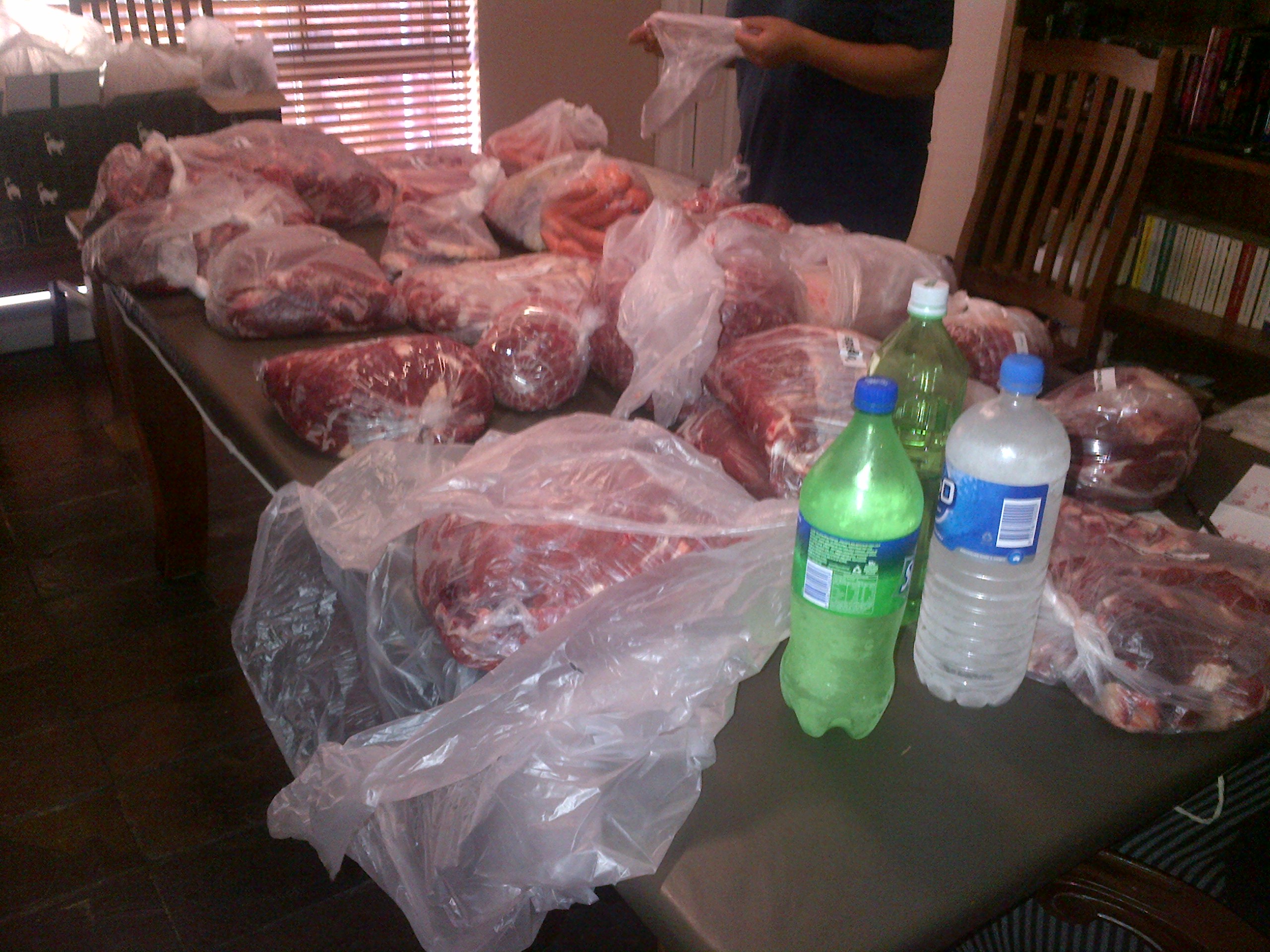
First of all, we took Steak, our last Fresian steer, to “The Other Farm”. He dressed out to 190kg, and the meat was just amazing.

This is the "after picture" of Steak. He was a good boy.

This is the “after picture” of Steak. He was a good boy.

People turn their noses up at the dairy breeds, mostly due to the leanness. Seriously though, this meat is freaking amazing!

People turn their noses up at the dairy breeds, mostly due to the leanness. Seriously though, this meat is freaking amazing!


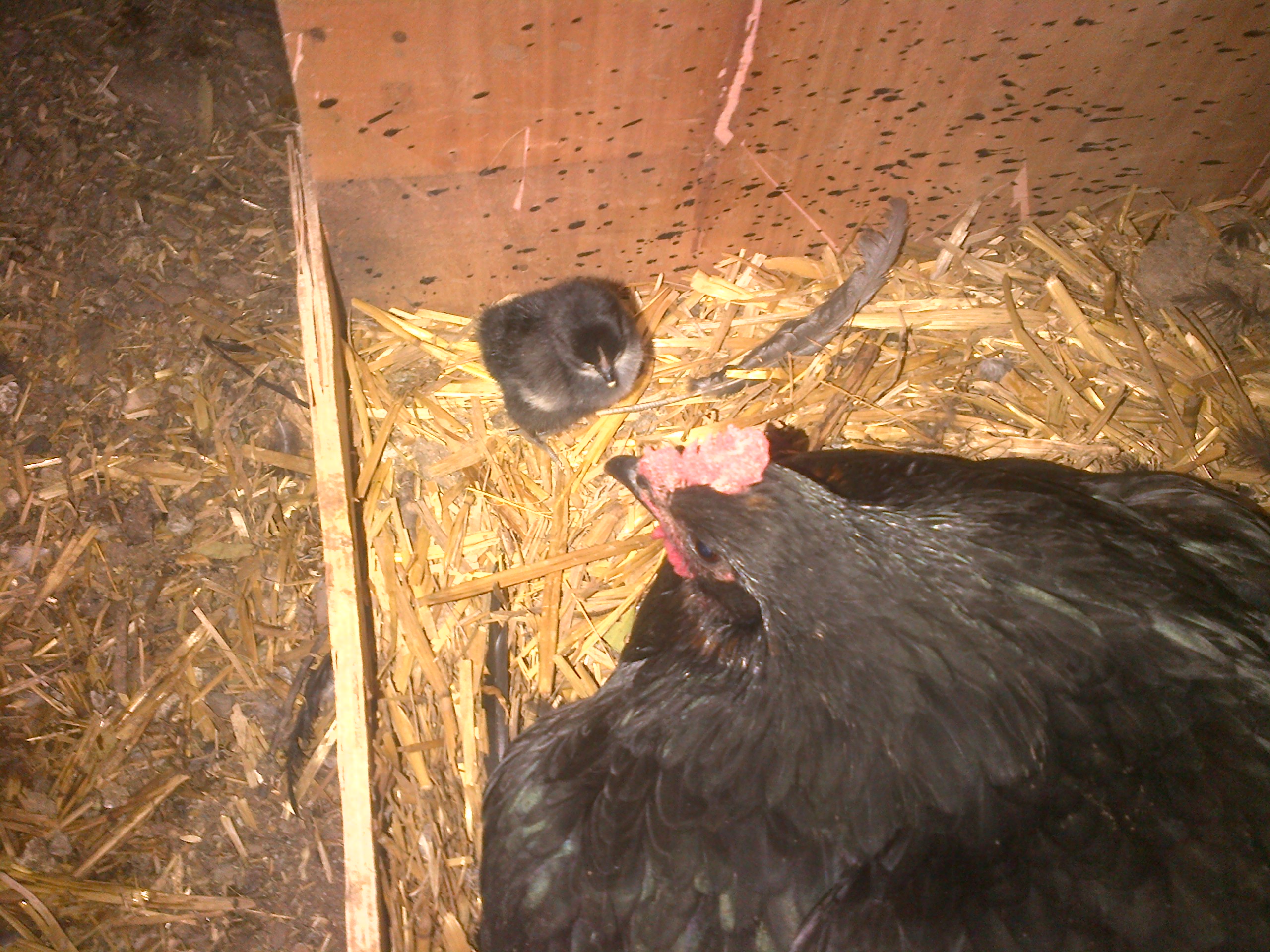
One of our Australorps had been clucky too. In fact, she’s been clucky the entire time we’ve had her, and barely leaves the eggs. She’s perma-clucky. Having more eggs than we ever know what to do with, we just let her sit on as many as she wanted. The result was 10 new babies in February.

Our first home-bred chick!

Our first home-bred chick!

Chicks in the brooder.

Chicks in the brooder.

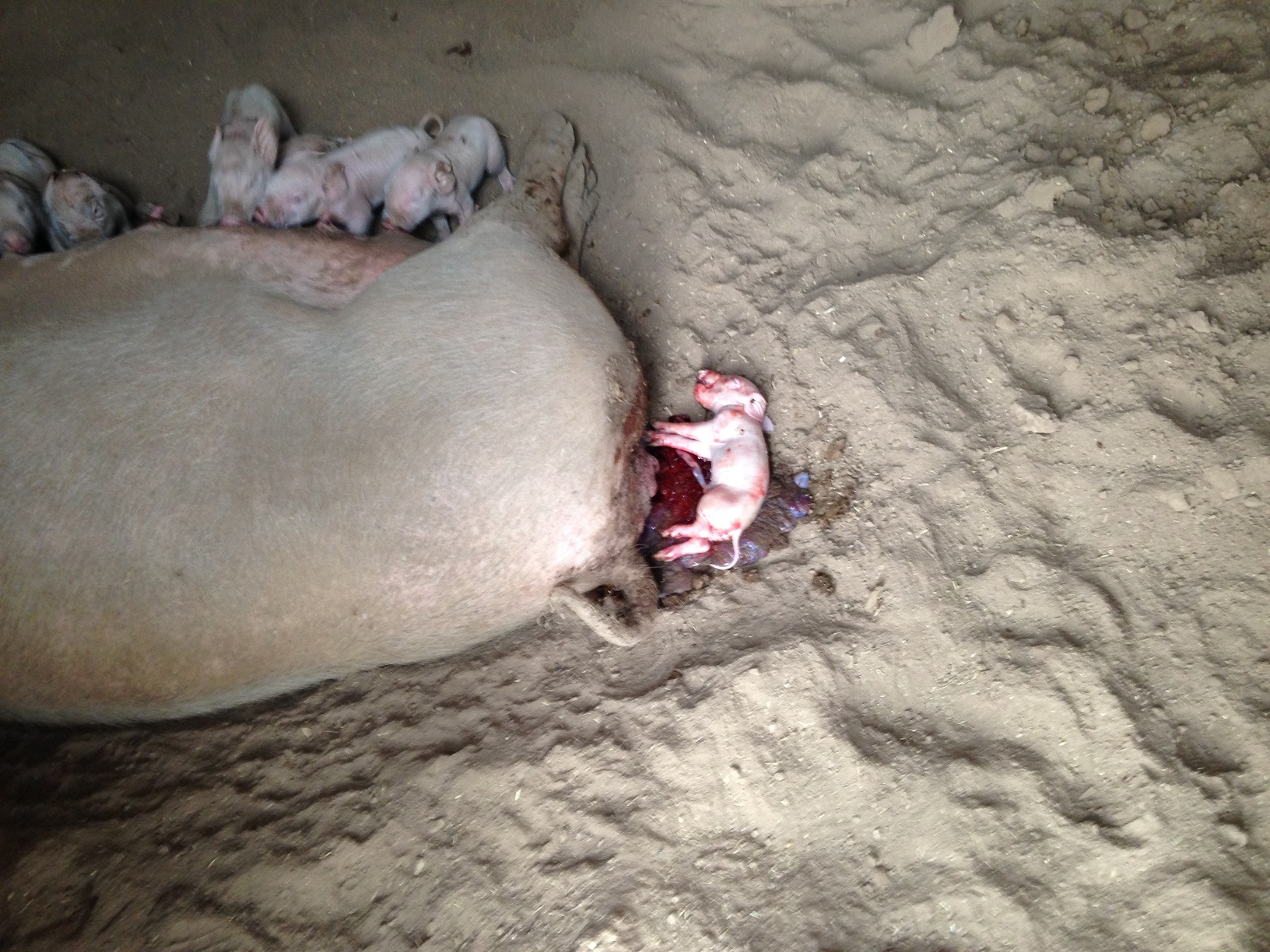
The biggest news, however, was our latest litter of piglets! Honey Pig did us proud, and had 11 babies.

The miracle of birth! The mess, gross miracle...

The miracle of birth! The mess, gross miracle…

Alert pig. Knackered mum.

Alert pig. Knackered mum.

Piglet noms.

Piglet noms.

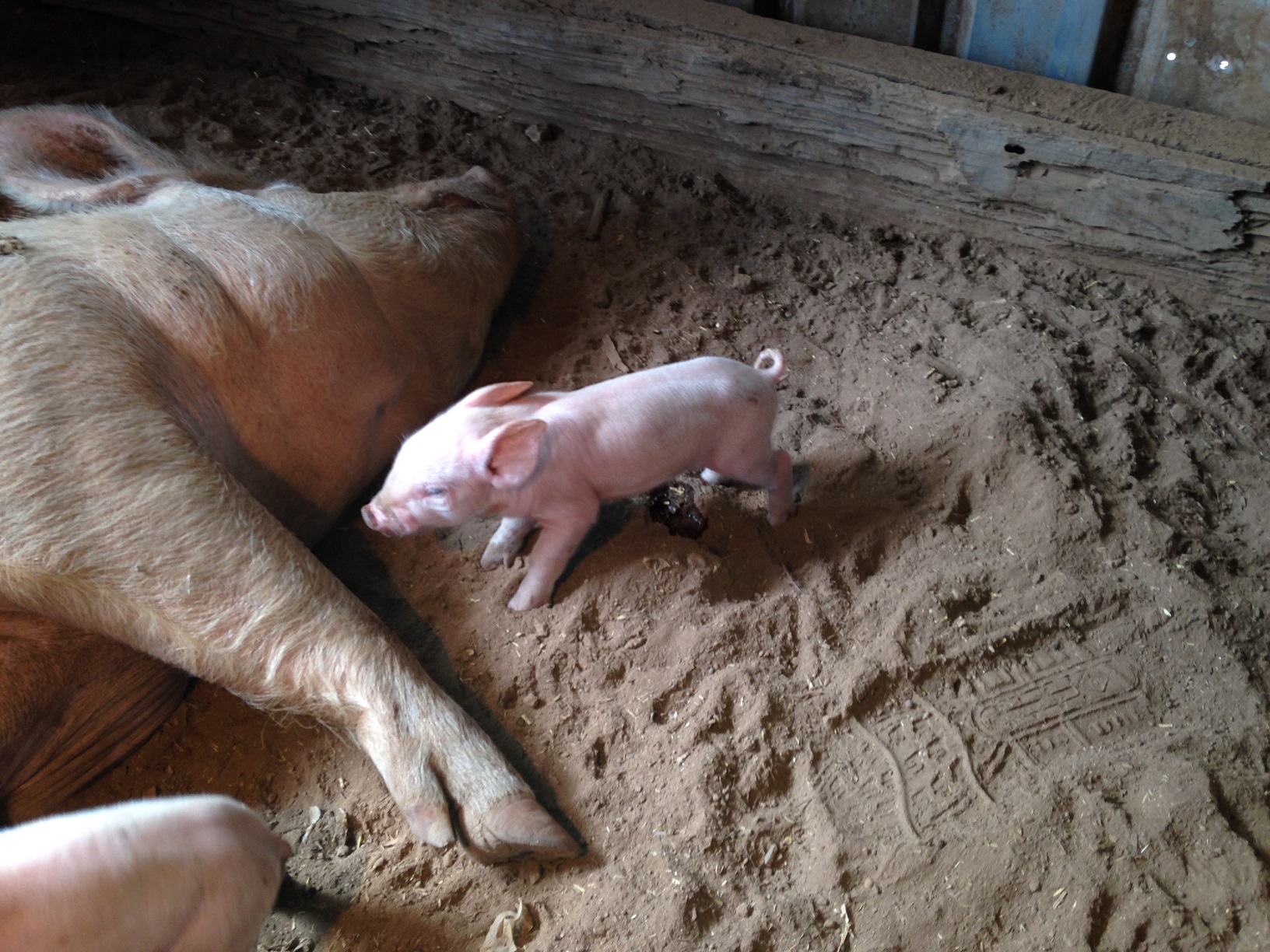
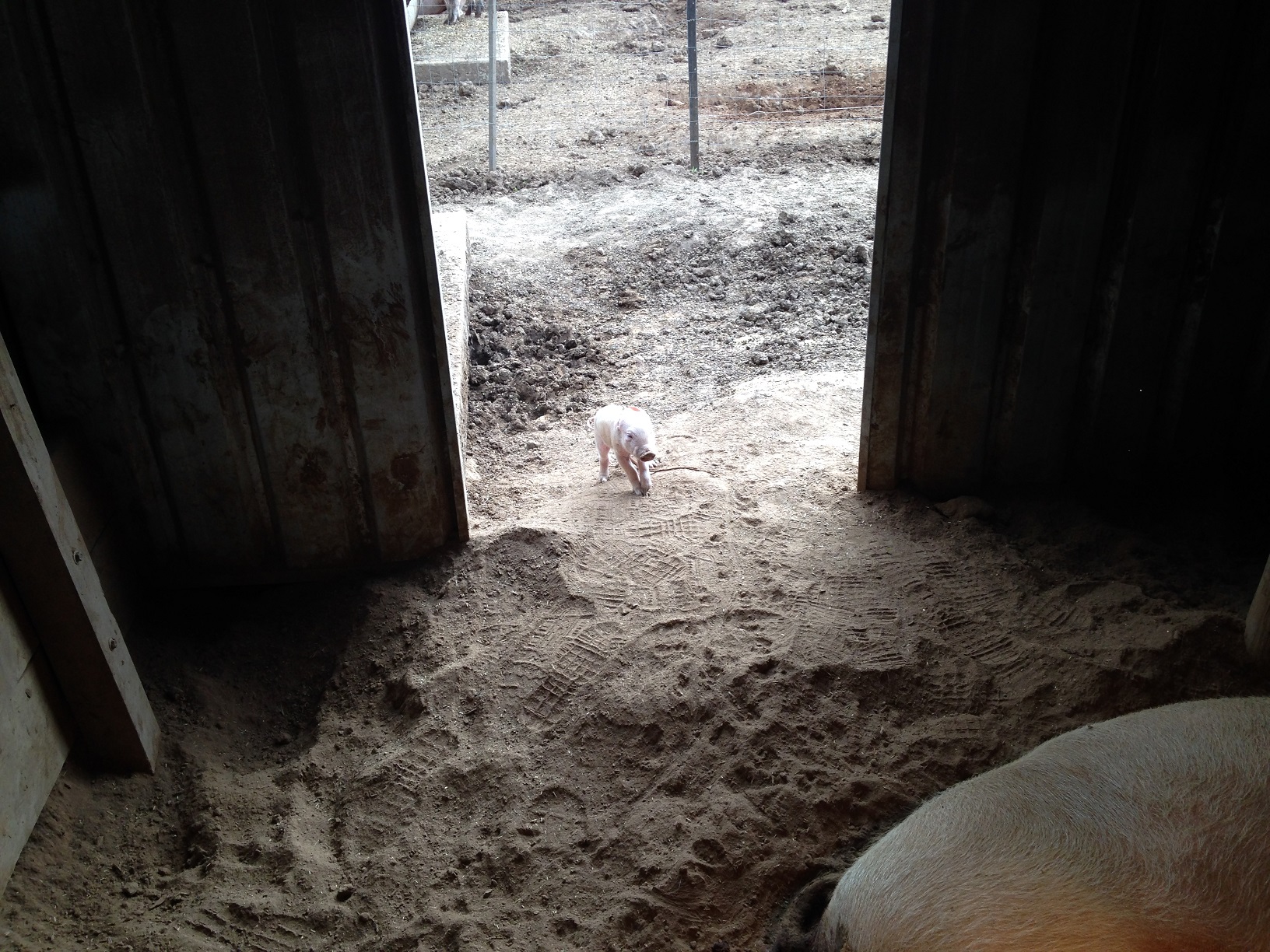
That piglet is maybe 3 hours old. They're adventurous little buggers.

That piglet is maybe 3 hours old. They’re adventurous little buggers.

No, that piglet isn't trying to crawl back in.

No, that piglet isn’t trying to crawl back in.

We spent a heap of time in with Honey, including getting to watch most of the babies born. One thing I noticed was just how knackered she was after the birth.

Honey Pig absolutely shagged. She was exhausted and high on endorphins. This is the time that gilts lay on piglets.

Honey Pig absolutely shagged. She was exhausted and high on endorphins. This is the time that gilts lay on piglets.

She was almost in a daze for the first 24 hours, to the point where she was peeing/pooping where she lay and lying in it. As gross as people think pigs are, they just don’t do that kind of thing.

Honey lay on 2 of her babies in that first day, clearly because she was just so tired. After the first 24 hours she perked up, and was super conscientious of where her babies were when she tried to lay down. Still, after losing a couple you get super spooked every time you check on them…

I came in to see this and panic...

I came in to see this and panic…

... only to see this.  I still moved those babies though.

… only to see this. I still moved those babies though.


As always, there was one stand-out little piglet. Also, as always, it was the runtiest.

Connie and Struggle. There was some serious bonding going on.

Connie and Struggle. There was some serious bonding going on.


Dad and Gemma were watching Honey Pig do her thing, when Gemma thought she heard little squeals from behind the sleepers we use as lean boards in the farrowing shed. Sure enough, the runtiest piglet had somehow made his way deep behind the sleepers, had probably been there for an hour or two, and wasn’t far from expiring. Dad dragged him out, and he made a good recover. However, he was constantly the source of grey hairs for us all.

This is Struggle, at a day old and after a near death experience. Some piglets never learn.

This is Struggle, at a day old and after a near death experience. Some piglets never learn.

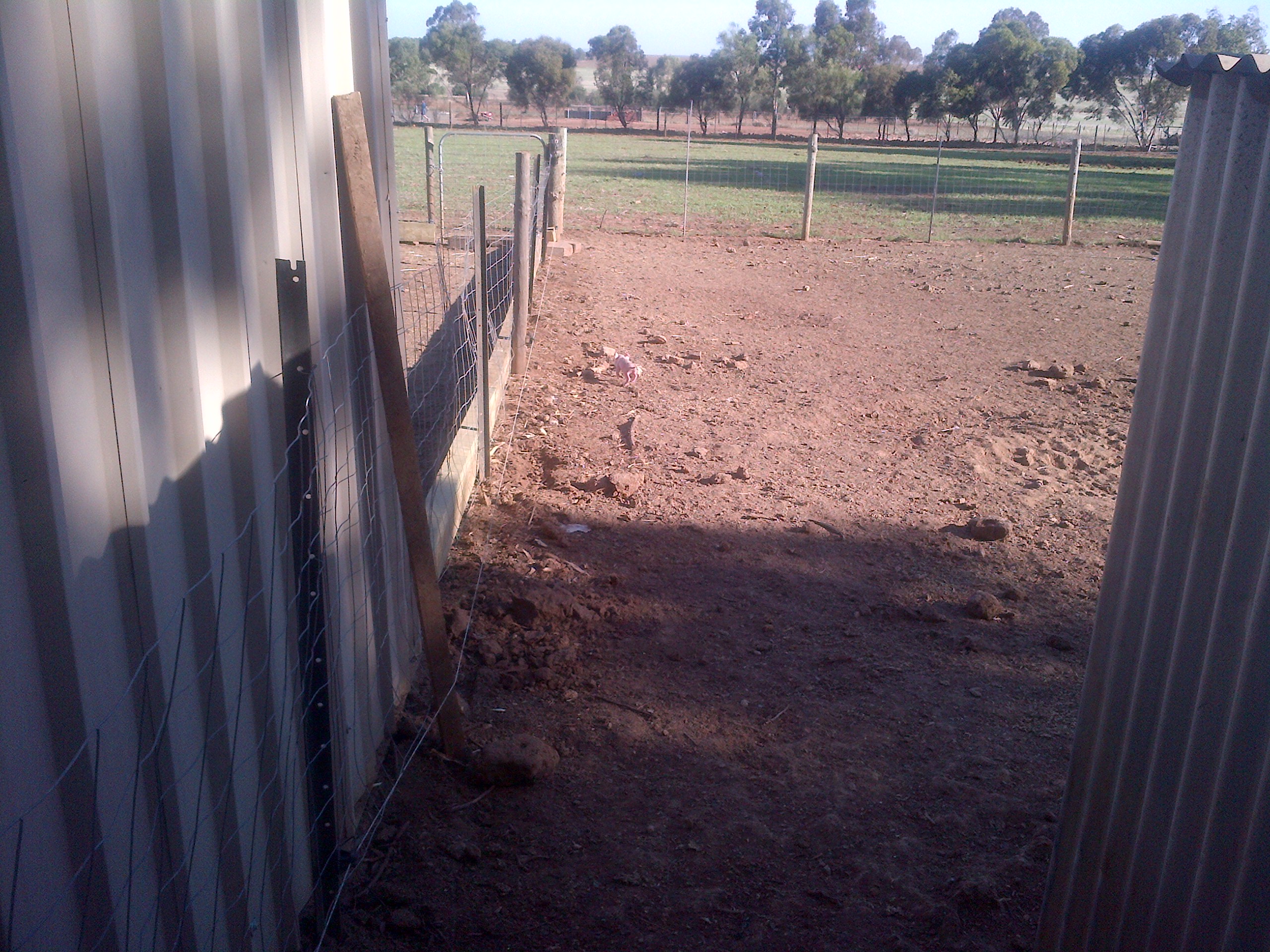
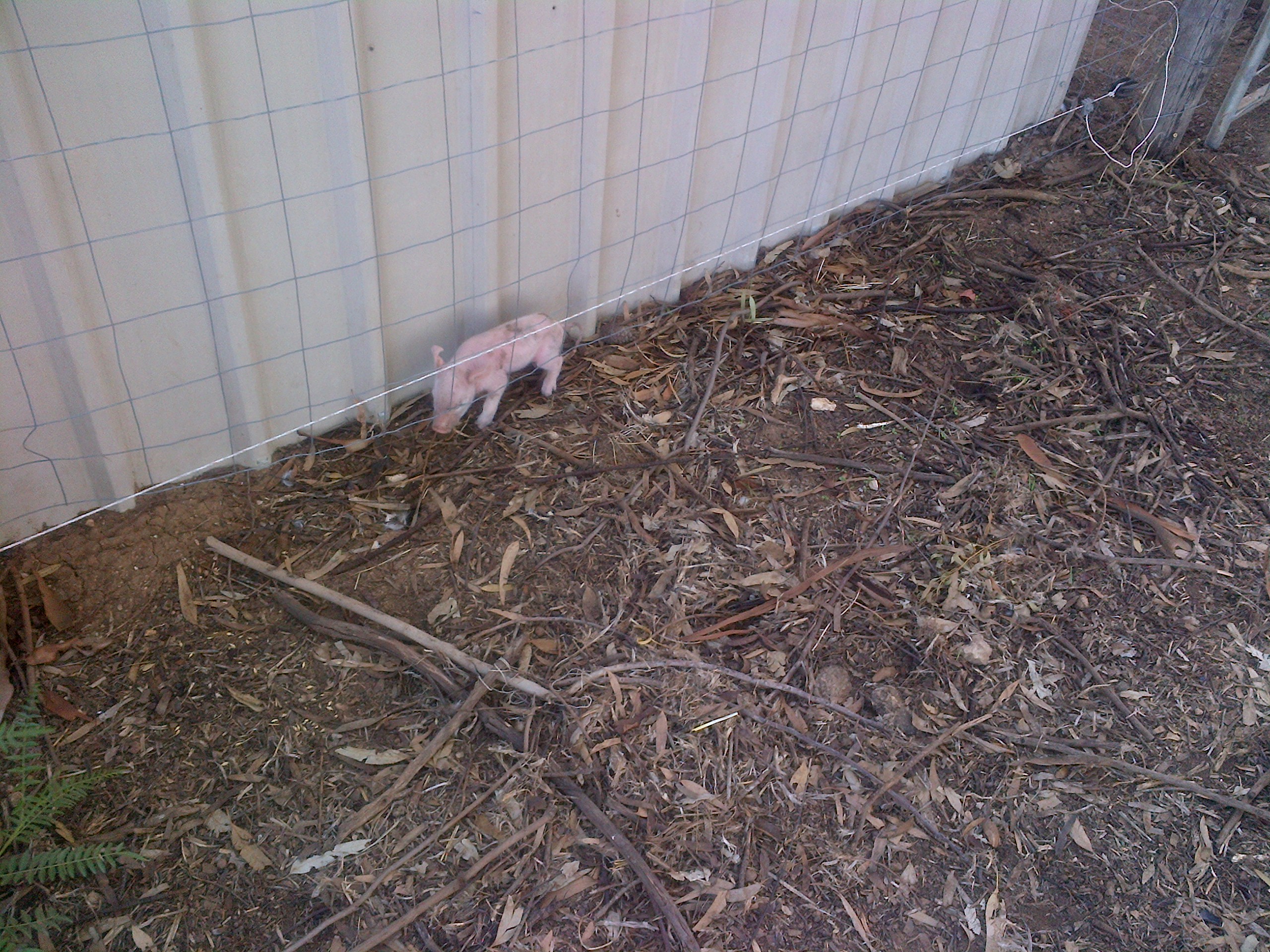
Struggle escaping!

Struggle escaping!

All-in-all, the piglets were successful. We need to work on our husbandry to reduce the squashing incidences, and I want to work on our runt management, maybe with fostering and supplementary feeding. For the most part, however, this is going very, very well.

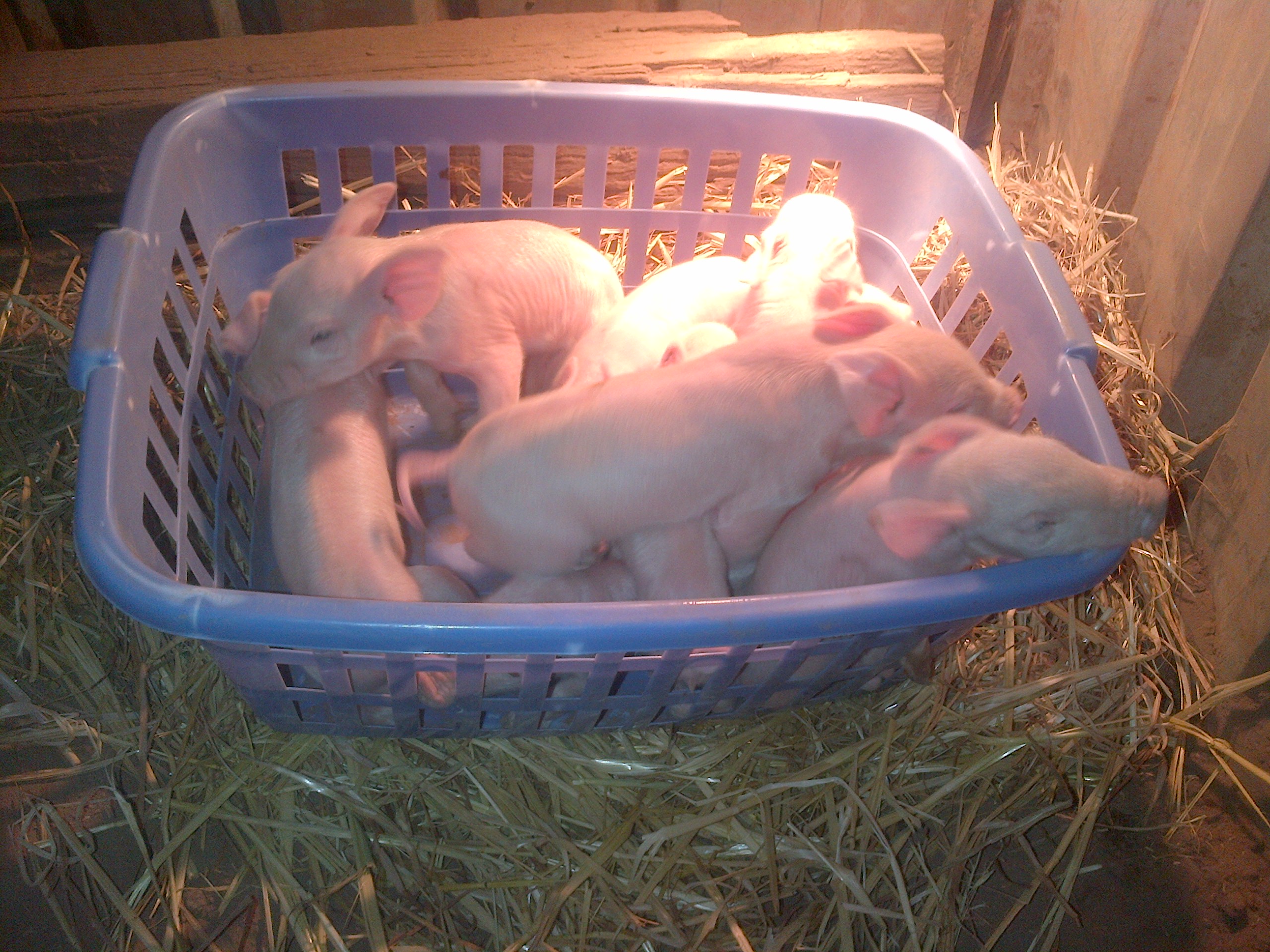
A basket of piglets.

A basket of piglets.

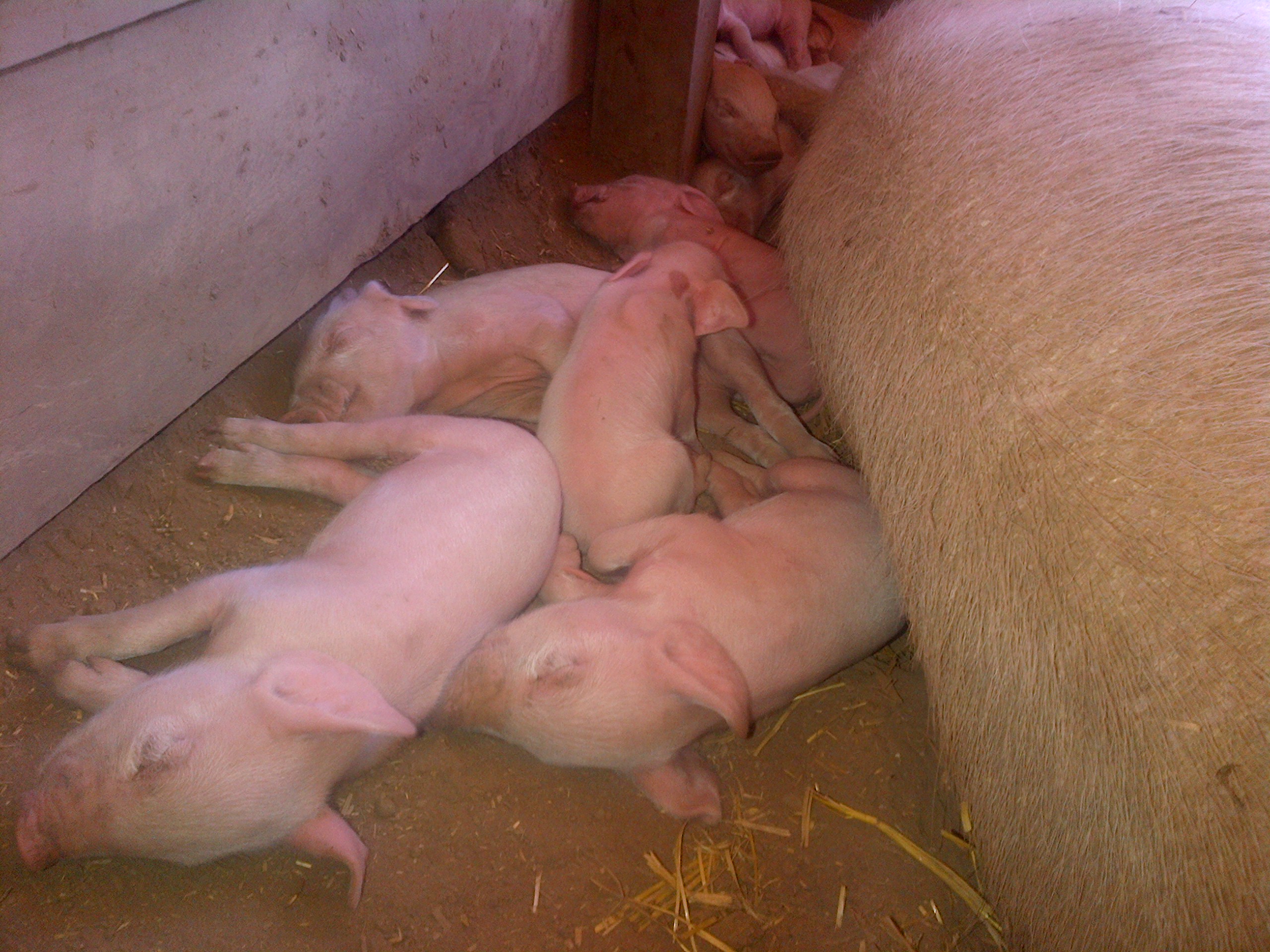
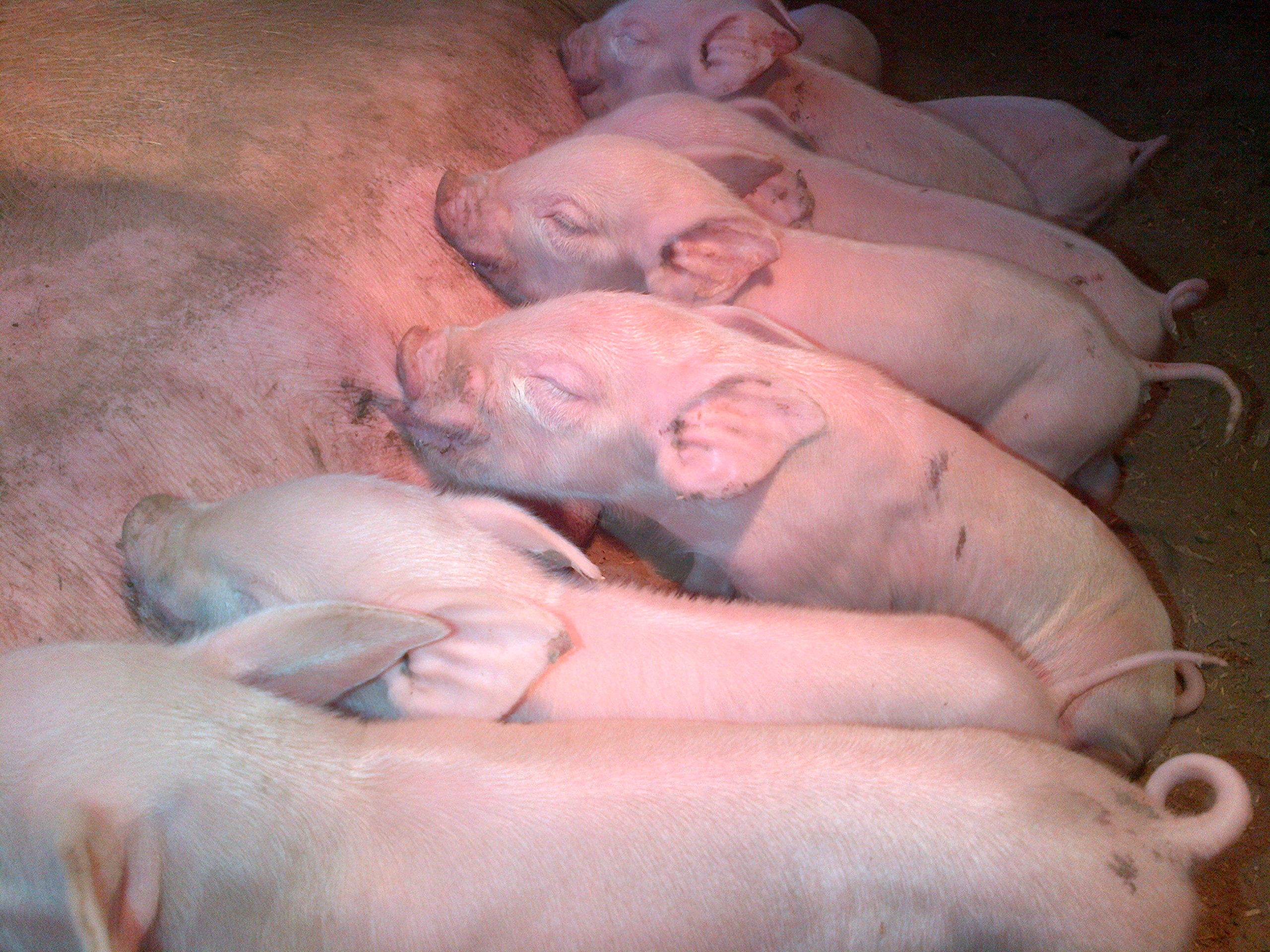
Blissed out on mum's milk.

Blissed out on mum’s milk.

Of course, the biggest news for the month was that Linhda and I got engaged. I organised a special anniversary night away, and got all of the family together as a surprise. It might not be farm news, but it’s still blog-worthy… 🙂

Yup, I put a ring on it... :)

Yup, I put a ring on it… 🙂


January 2014 Facebook Farm Statuses

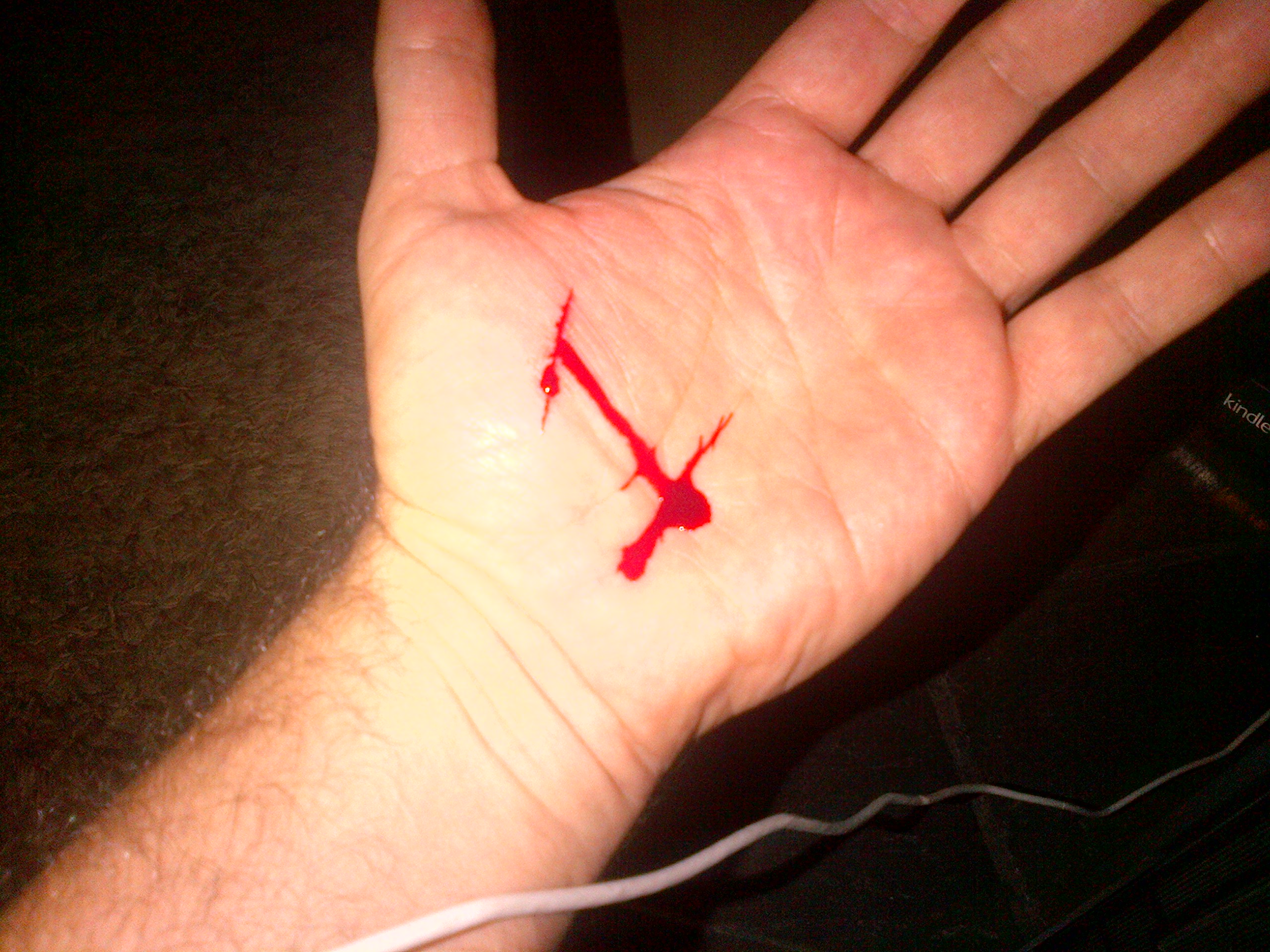
  • We’re off this morning for our first fishing foray! Yay!!!! We’re not even packed yet and I’ve already put an inch-long gash in my palm while sharpening a fishing knife. I’m interpreting that as a good omen.
  • Got home after being away for a few days of record-breaking heat, expecting to find the garden and animals the worse for wear. However, everything has done pretty well. No wilty veggies. No dead poultry. No distressed pigs. Well done Linhda, David, and Peyton! You guys are officially Farmtastic!

  That doesn’t mean you can rest on your laurels though. It also doesn’t mean that I won’t be bugging you all day every day when I’m gone.

  • It’s dropped nearly 20 degrees in the last 2 hours, and I just busted a rooster having sex with a duck. I’m not sure which of those made me smile the most.
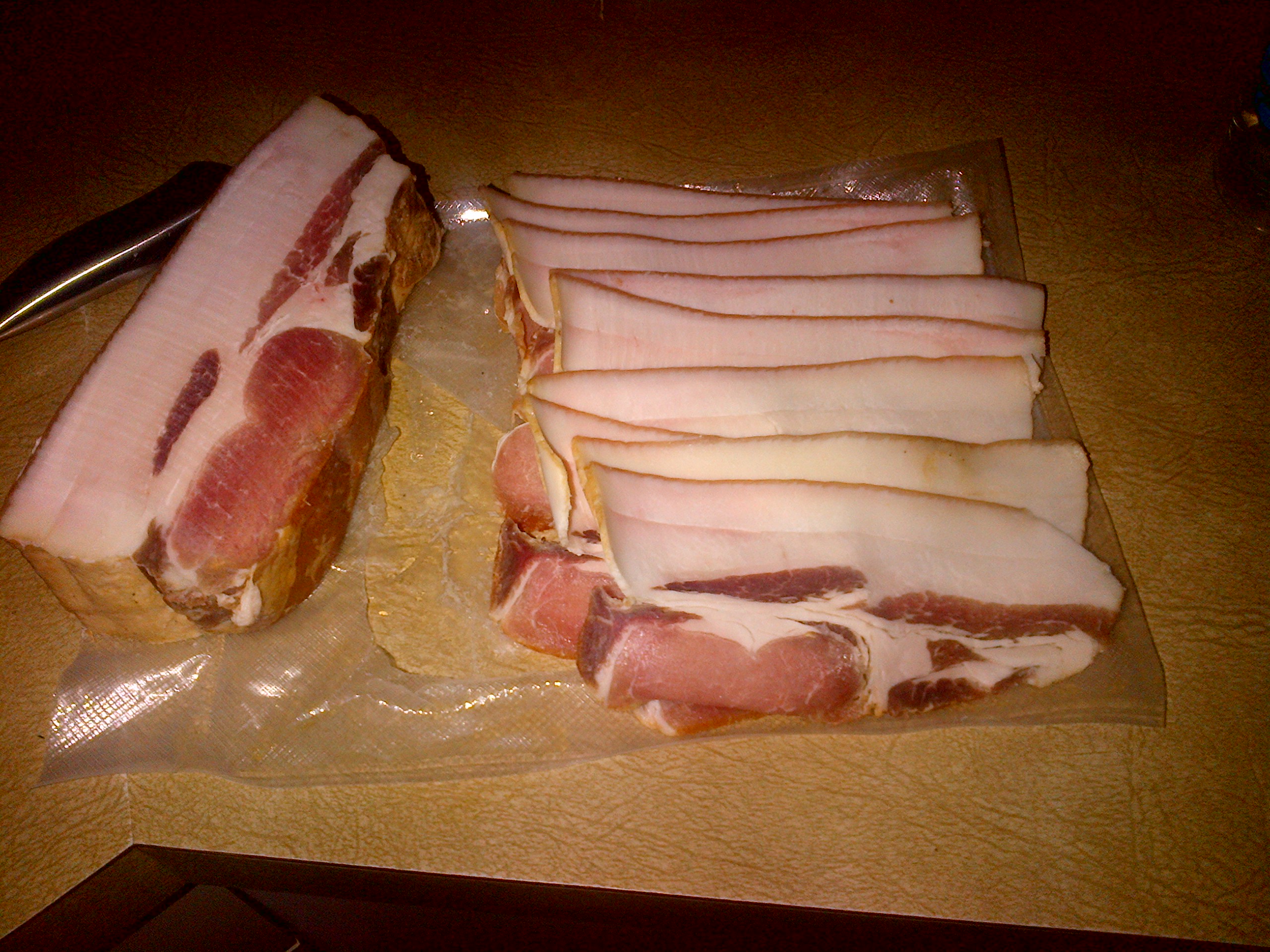
Bacon makes everything better!

Bacon makes everything better!

Lesson Learned: Januarys Are A Write-Off!

January 2014 was hot. No, that’s an understatement. January 2014 was ridiculously hot! There wasn’t a single weekend that we could go out during the daylight hours and do much that was productive. The entire month was taken up with keeping plants and animals alive, and being frustrated that we couldn’t get out and get things done. Early in the month we did go on our first fishing foray. We like seafood, and according to our self-sufficiency philosophy we should either be catching or growing it ourselves. With that in mind, we thought we’d have a shot at fishing. We have some friends with a nice-sized boat, and we spent a weekend on the Yorke Peninsula.

The morning of our first fishing foray and I did this sharpening my knife.

The morning of our first fishing foray and I did this sharpening my knife.

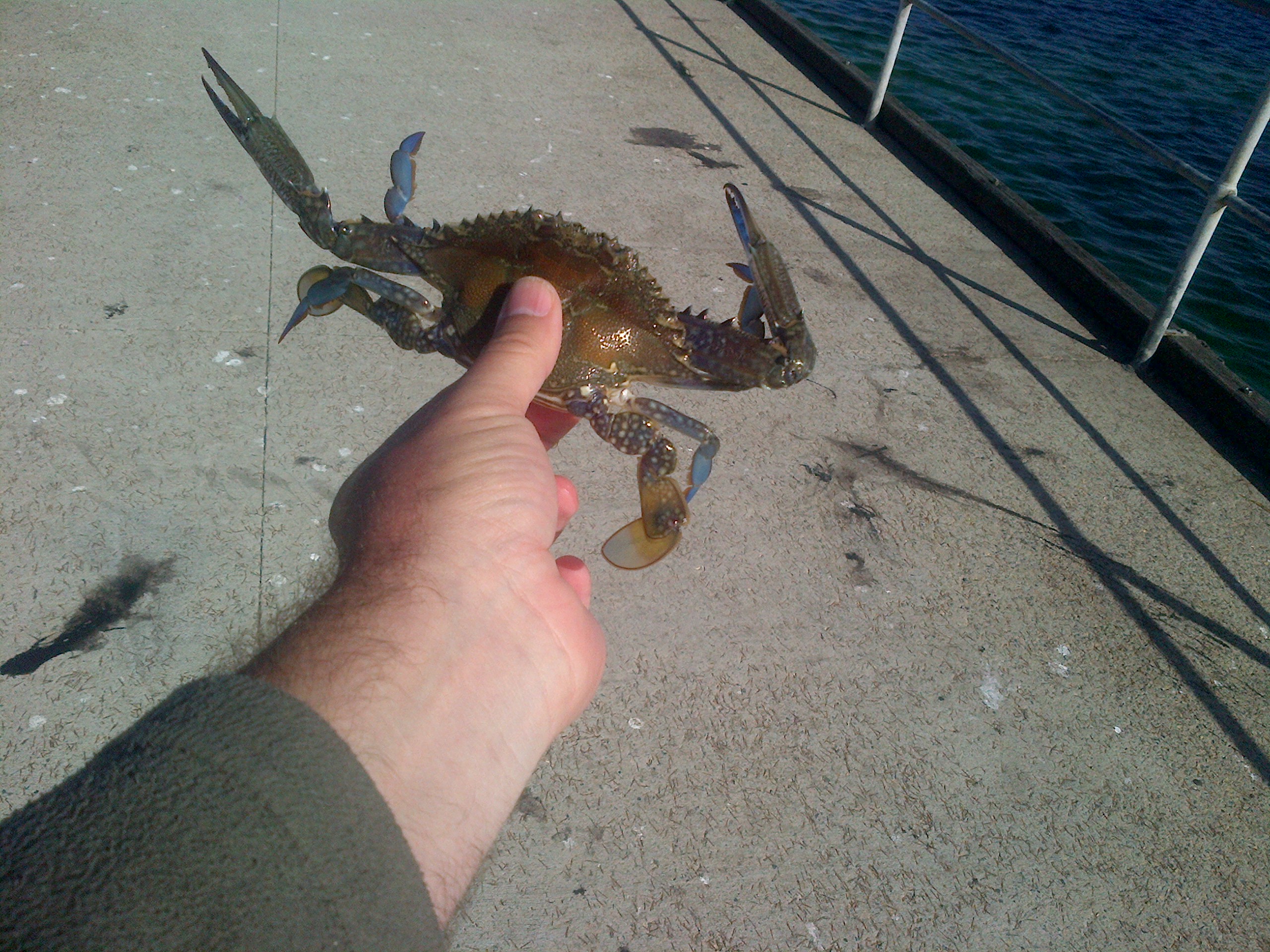
It was a good weekend, though we didn’t really catch much that was edible. We did catch a fair few fish though, and it showed us the potential. Personally, I think I’ll give aquaponics a go before I buy a boat, as it has the added benefit of helping me grow plants. However, I think we’ll become regular fisher-people inside the next few years.

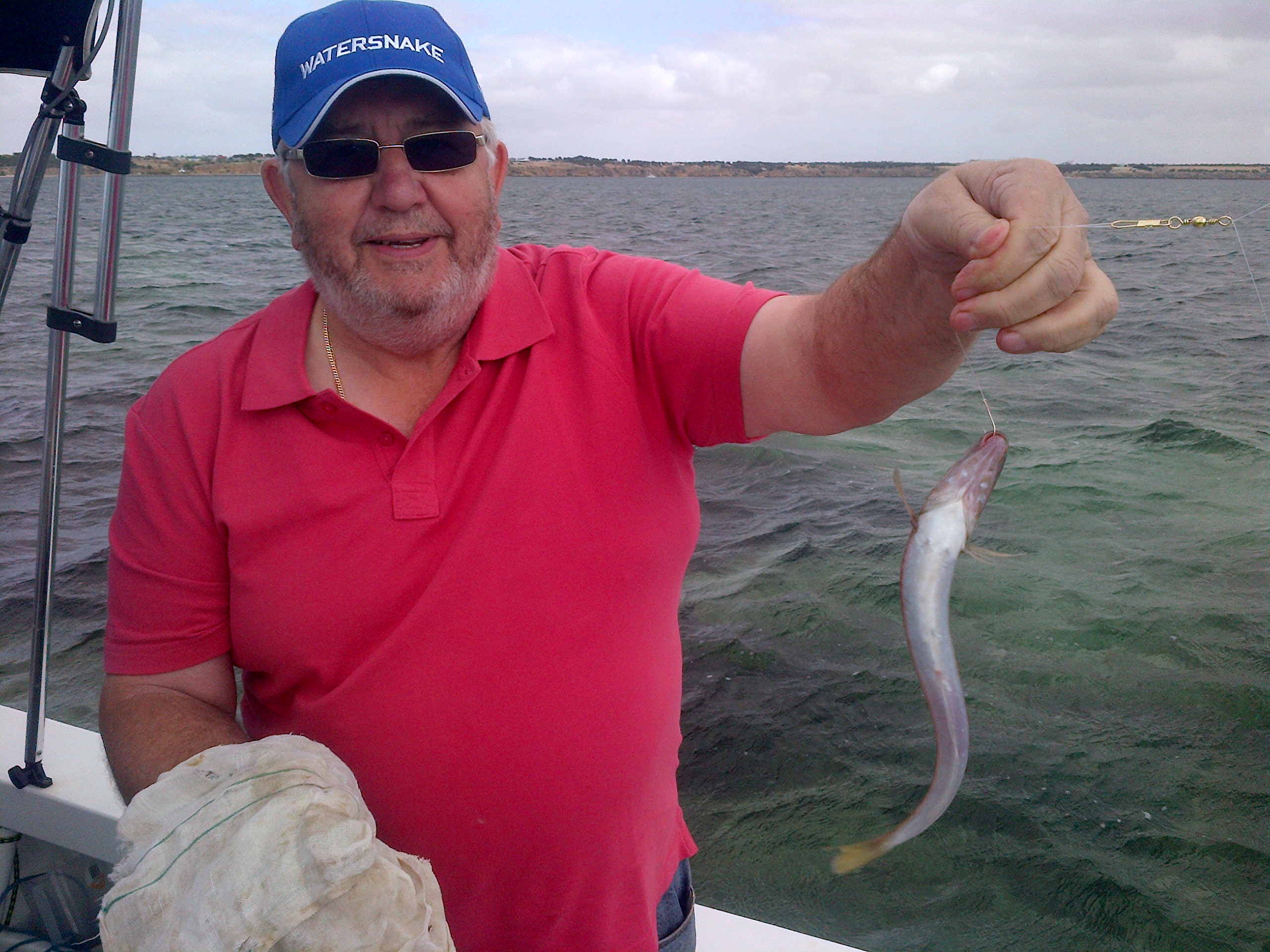
Our first fish!

Our first fish!

It was too small, but was still exciting to catch.

It was too small, but was still exciting to catch.

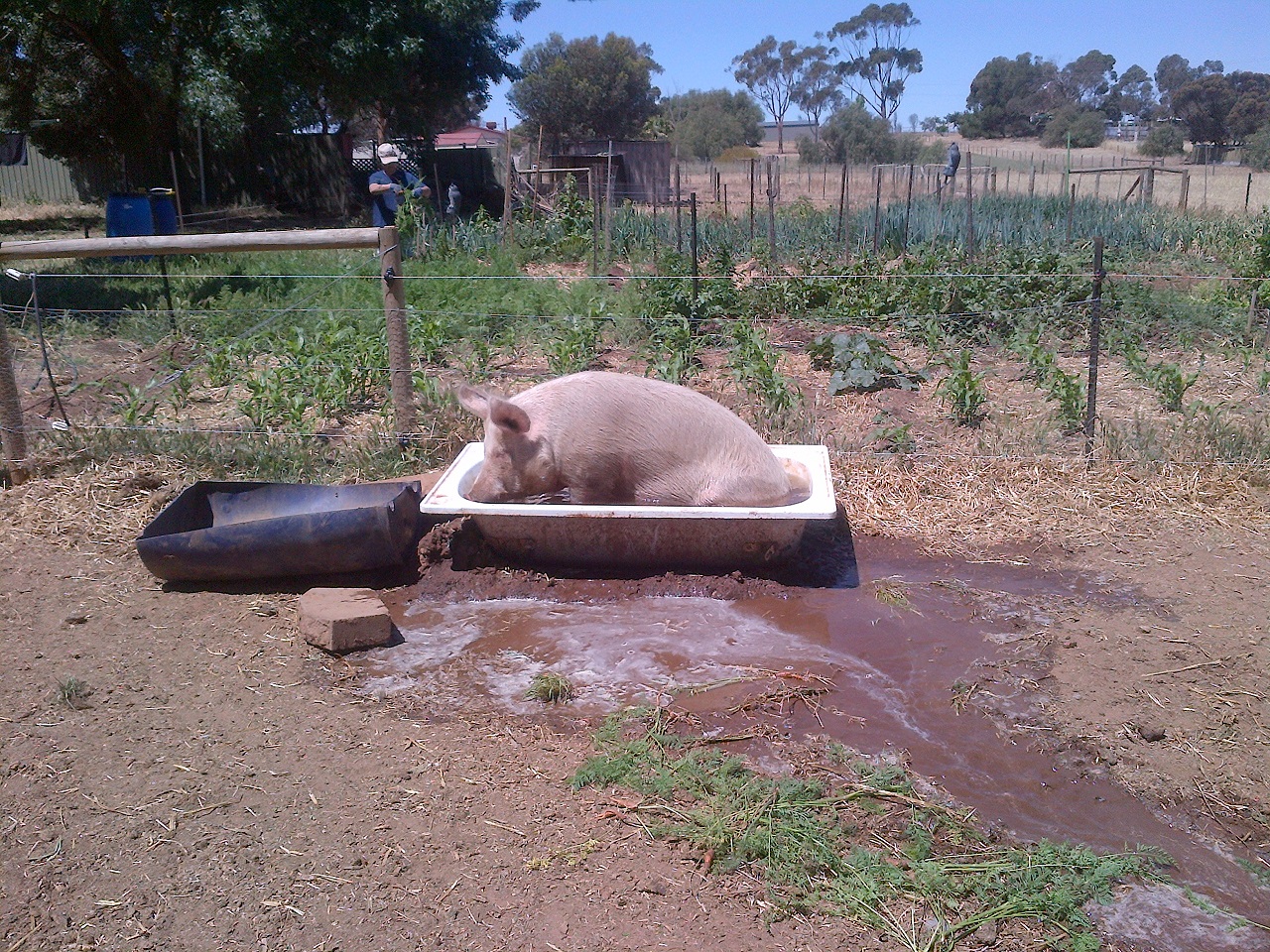
The stock animals fared pretty well over January, though we went to great lengths to keep them cool.

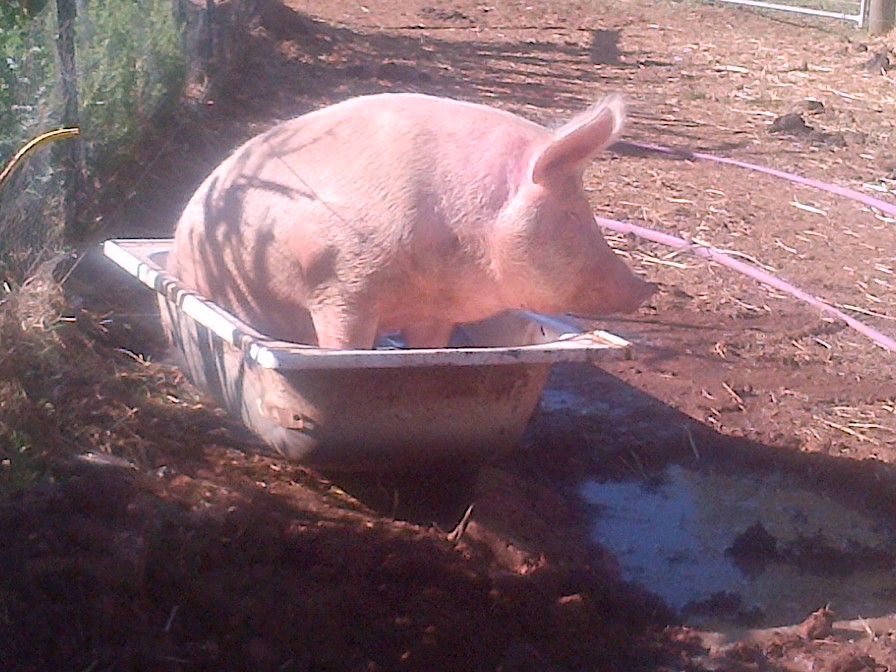
This is one way to stay cool in Summer...

This is one way to stay cool in Summer…

... and this is another.

… and this is another.

It's just like a shower, only nobody really ends up any cleaner.

It’s just like a shower, only nobody really ends up any cleaner.

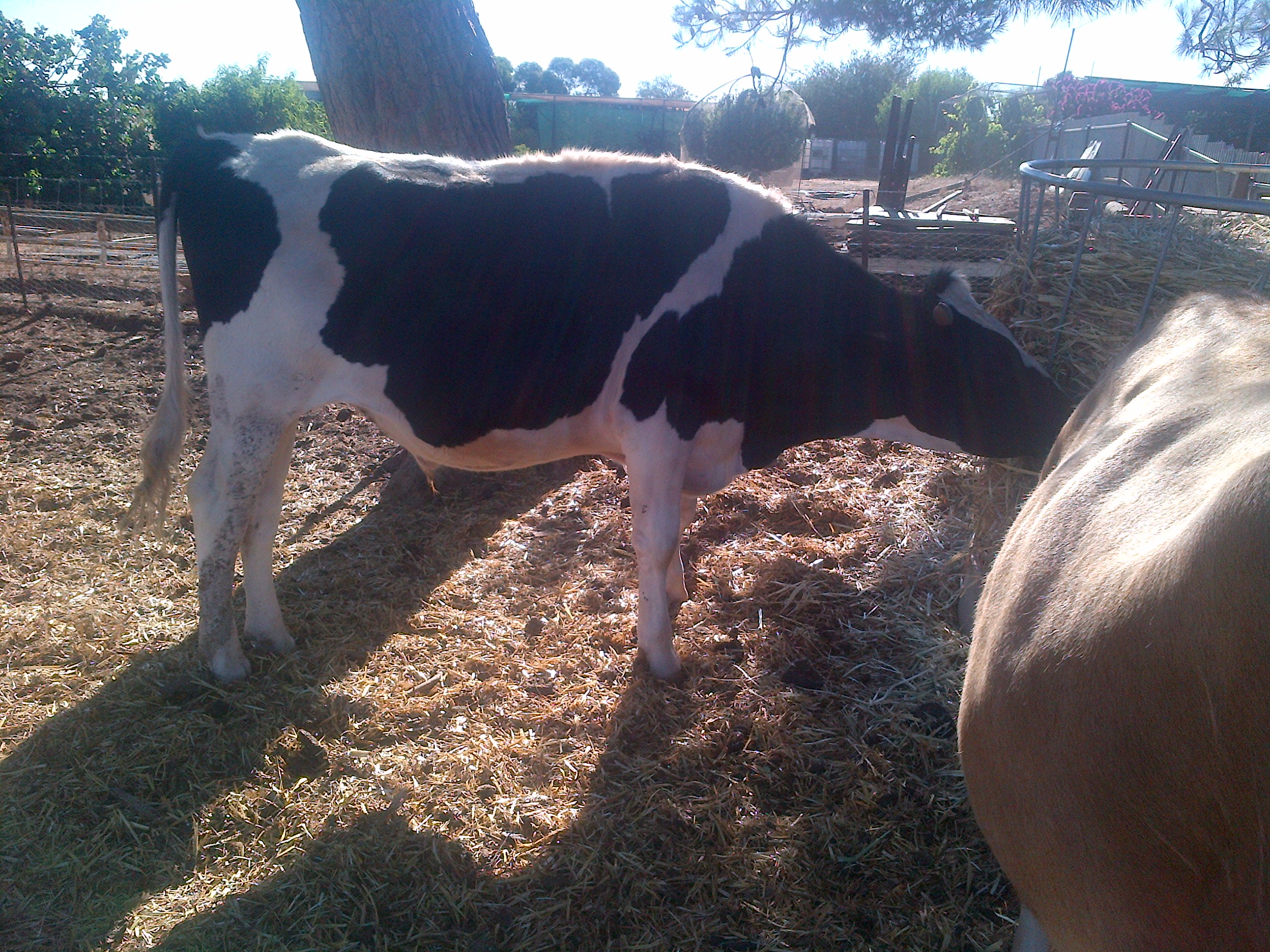
Steak, our Friesian steer, and the babies were all getting bigger too.

Steak was getting bigger.

Steak was getting bigger.

The piglets were growing.

The piglets were growing.

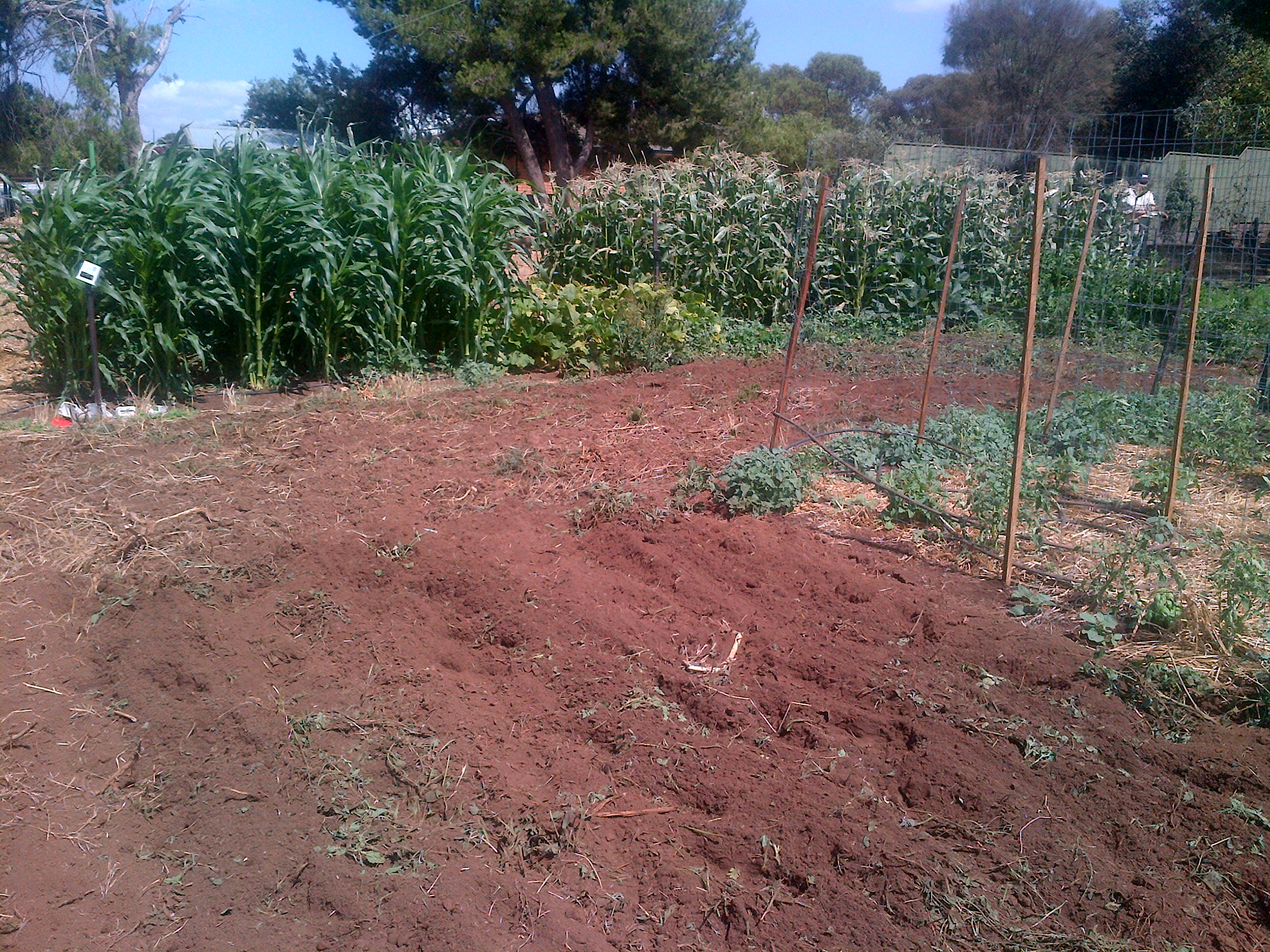
We’d changed our veggie garden a little, based on the heat from last year. We reduced the number of things we grew, limiting it to the plants we knew would do well – tomatoes, corn, carrots, pumpkin, zucchini, squash. We completely avoided leafy greens or anything else that takes a battering in the heat. That meant that The Patch was only 2/3 full, as compared to completely full at this time last year, but we had a much easier time keeping it all alive. Not to mention the fact that we would have used a lot less water this year too.

Empty space because many of the things we'd like to grow can't handle Summer out here.

Empty space because many of the things we’d like to grow can’t handle Summer out here.

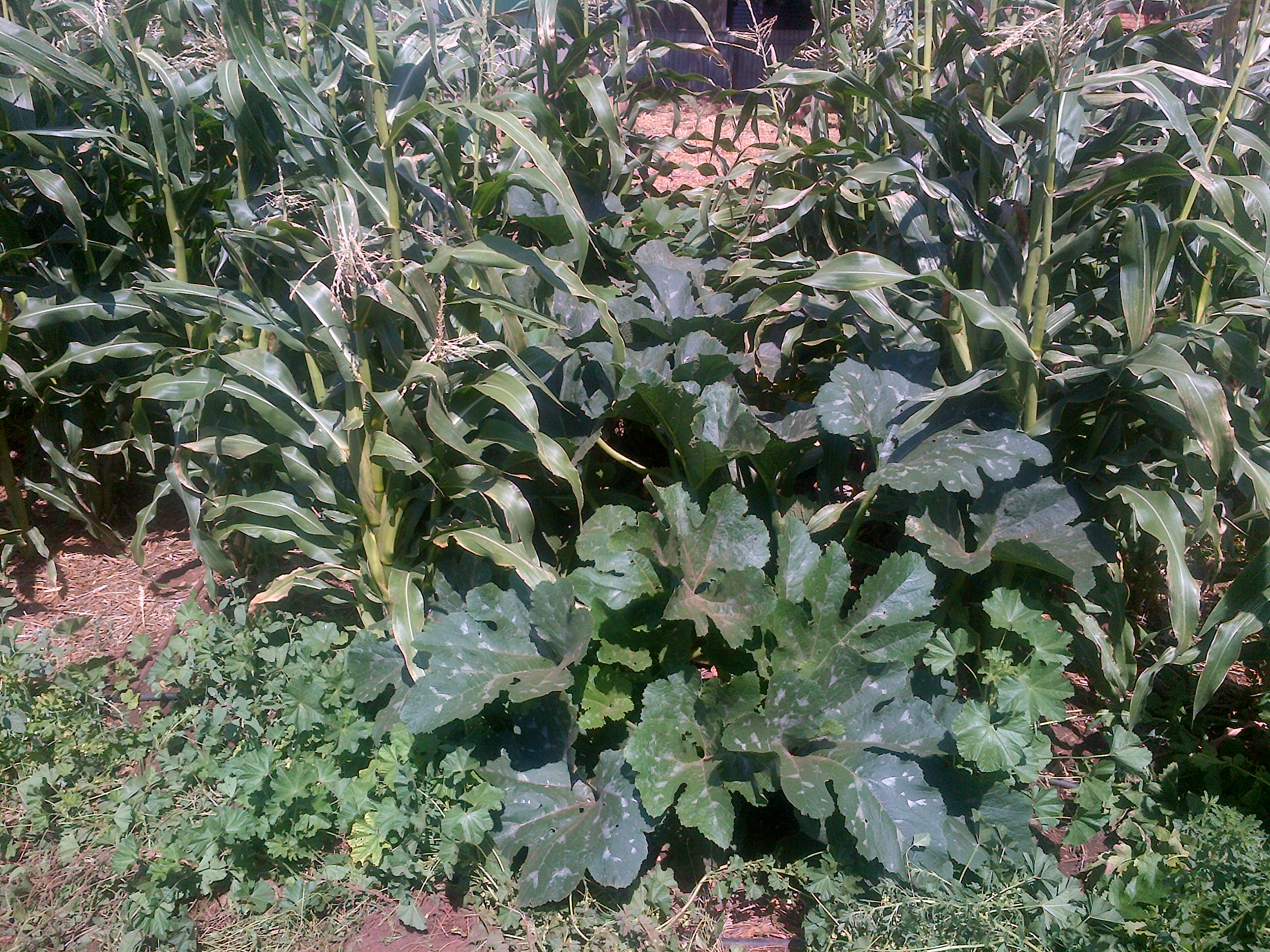
Growing zucchini and squash between the corn rows works amazingly well.

Growing zucchini and squash between the corn rows works amazingly well.

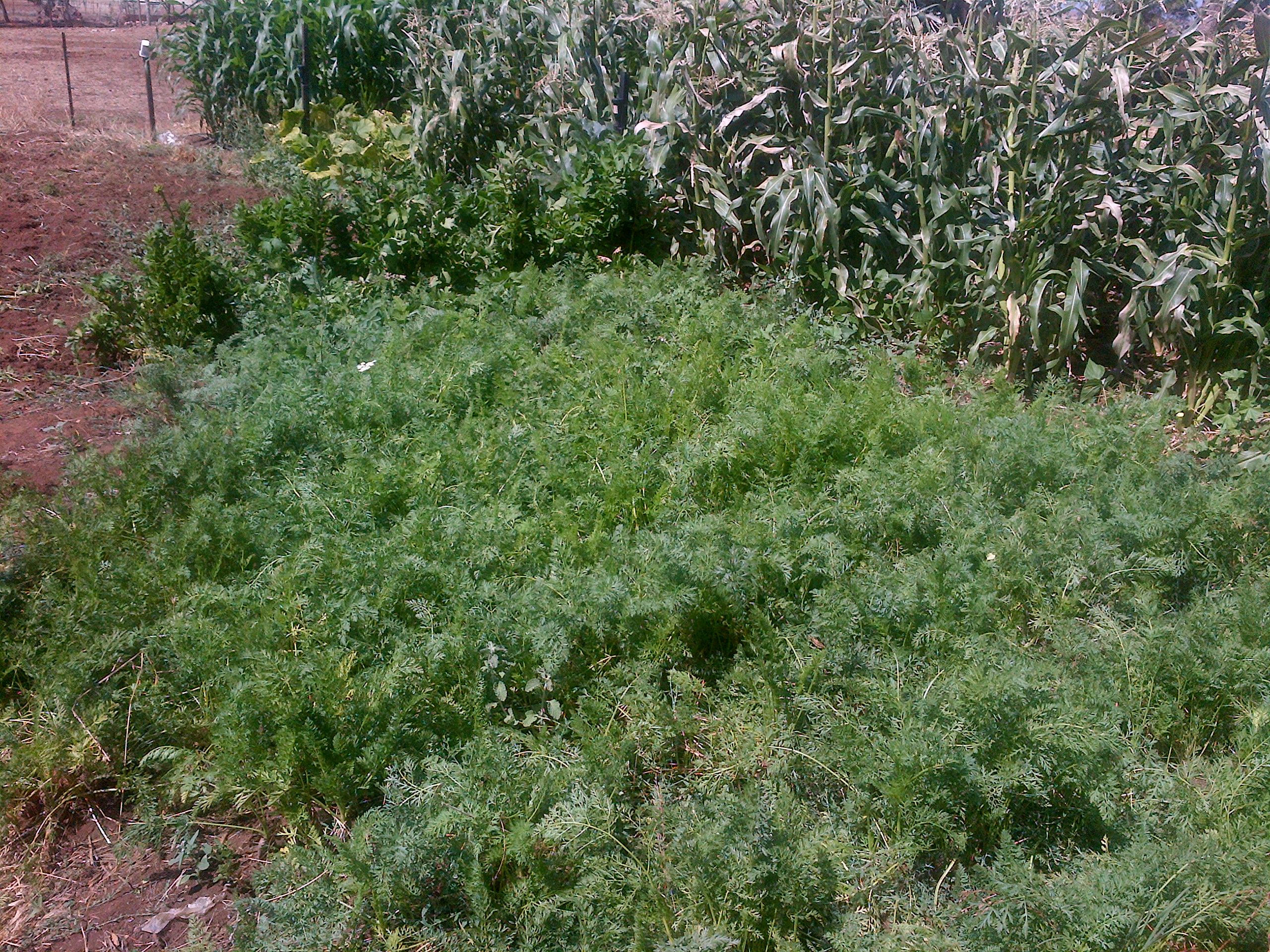
The best carrots you'll ever taste. EVER!

The best carrots you’ll ever taste. EVER!

I think I’ll change it a little next year too. For one, I’ll get the tomatoes and corn in a little earlier. I think I’ll also grow more of the limited number of veggies. That is, rather than one bed of corn and one of tomatoes, I’ll maybe go one-and-a-half of each. That’ll make the rotation a little more tricky, and the irrigation may have to be tailored a bit, but I think it’ll work well.

We tried using sheep panel fencing to grow the tomatoes, rather than stakes, as it meant less work. I normally spend hours every weekend tying up the tomatoes and nipping off the lateral shoots. This year we just grew them up rows of fencing panels, which meant no tying, and I let the laterals go. However, they still need some tending, and we weren’t able to do that due to both the heat and my work schedule. The results were still good, but they could have been better. I think next year we’ll nail it.

About the only productive veggie thing we did was harvest. I’m not complaining about that part though…

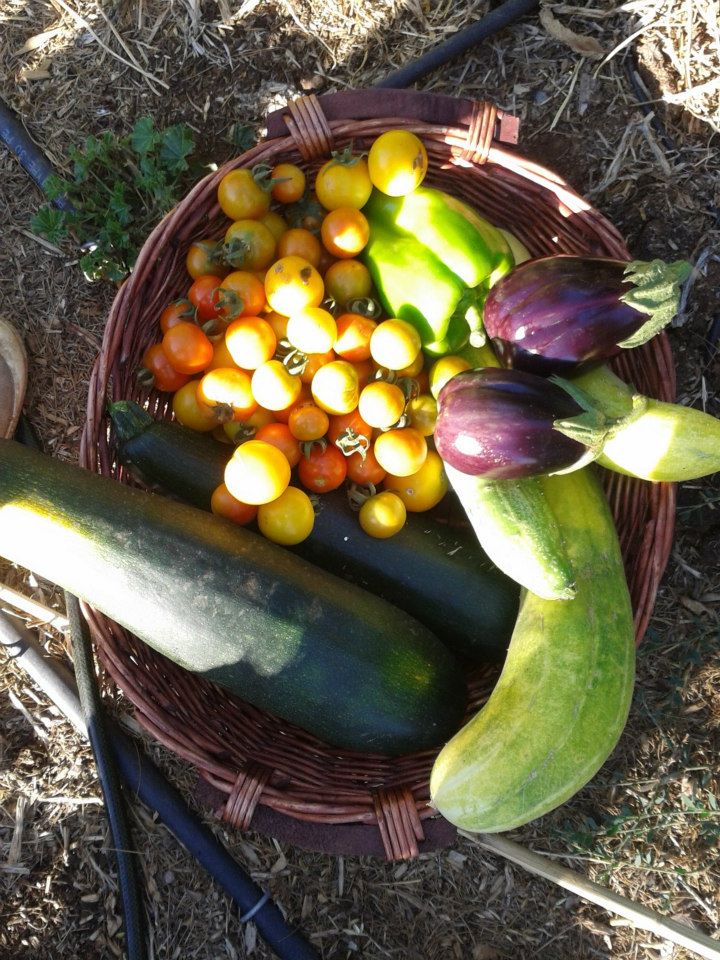
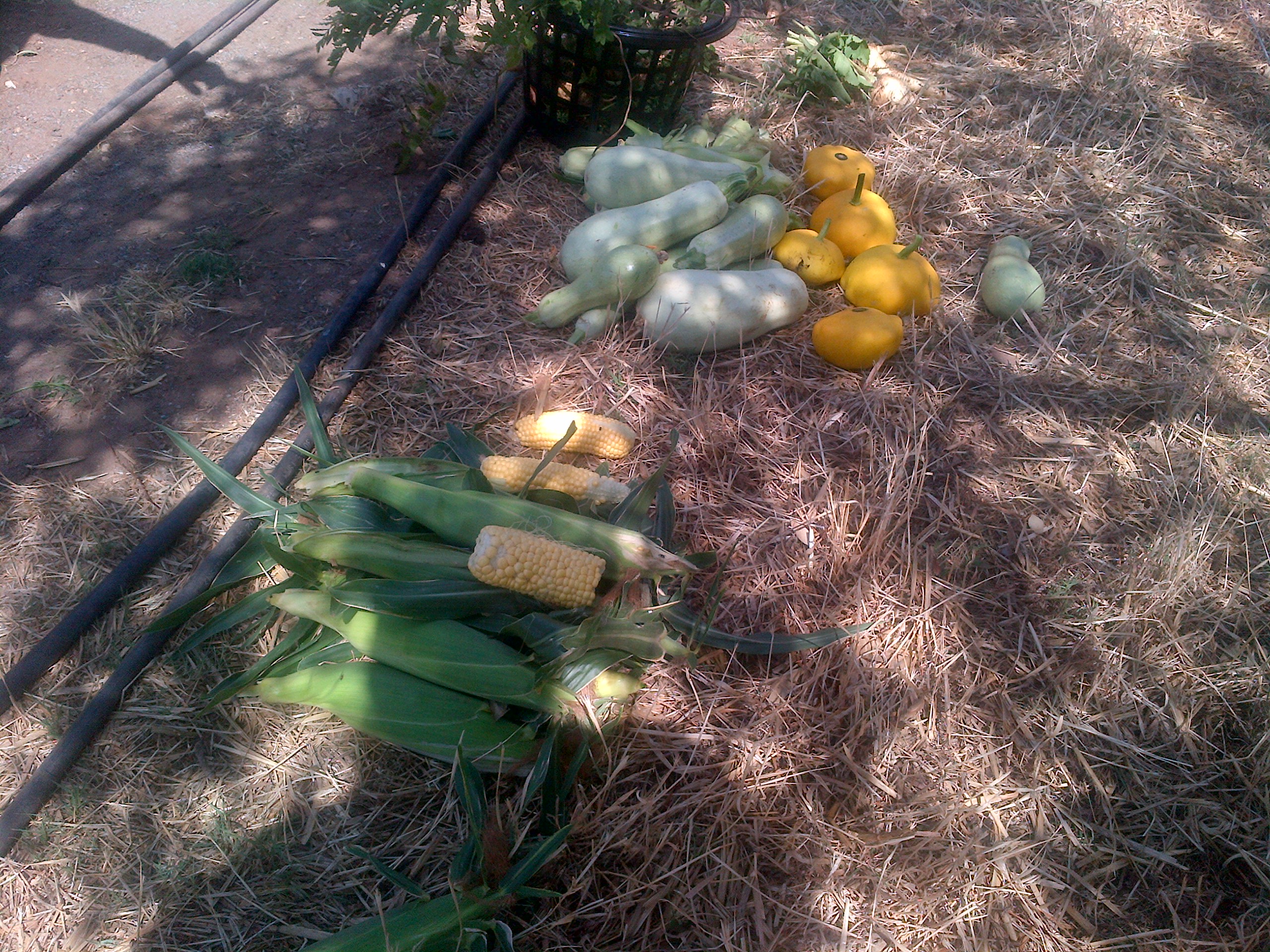
Summer harvest.

Summer harvest.

January was pretty much us treading water, waiting to get the opportunity to get out and be productive. We’ve been here 2 years now, and while we’ve come much farther much faster than we thought possible, there are still things that need to be built or tweaked. The lesson that our 3 Januarys here have taught us is that we should plan to do nothing much outside, and basically write the entire month off.

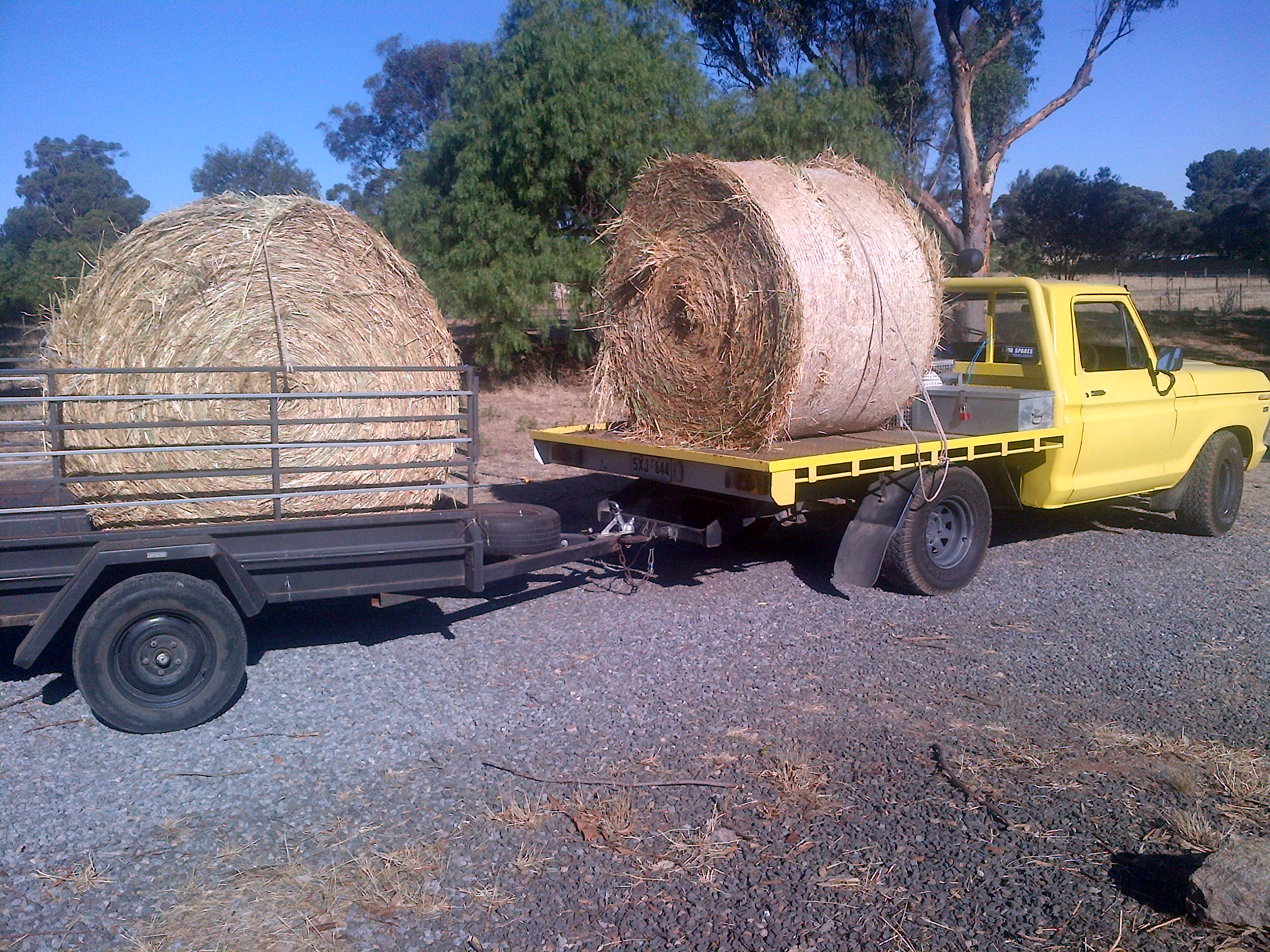
Effy carrying two half-tonne rolls of hay for us. Like a boss!

Effy carrying two half-tonne rolls of hay for us. Like a boss!

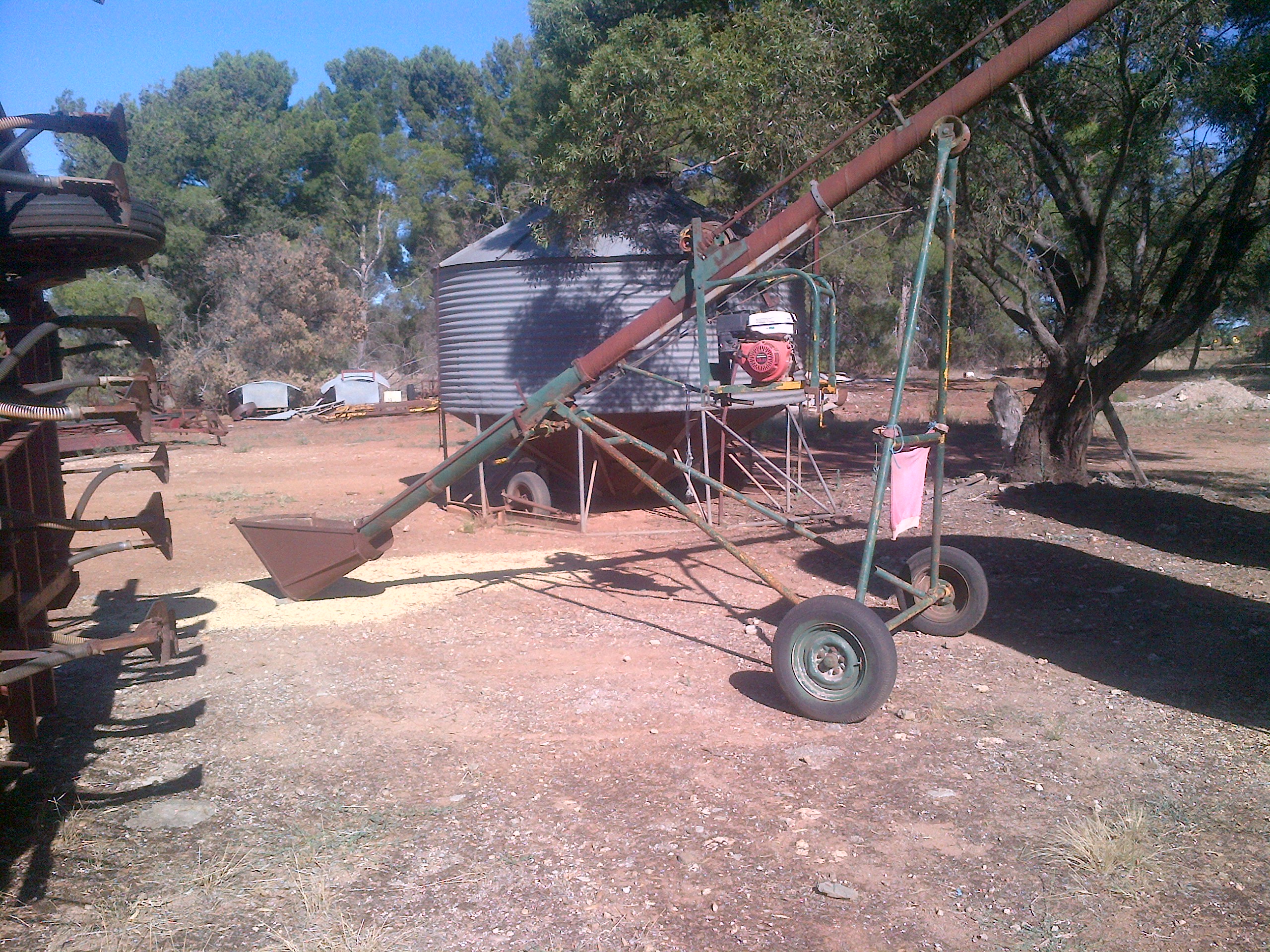
This is what we use to store our grain...

This is what we use to store our grain…

... and this is what we use to get the grain out.

… and this is what we use to get the grain out.


The Start of Our Second Year

Our first full year in the property was a huge learning experience, not to mention more work than I’d ever imagined. Nothing I’ve ever experienced has come close, but the sense of accomplishment made it all more than worth it.

I think the biggest lesson of the first year was that we have to be adaptable. I had planned and replanned our veggie patch, and we’d all put our heads together to plan things like stock yards and the orchard area. However, it’s all changed multiple times and ended up better for it.

I like to think things through, research them, make plans, and then execute those plans. It’s my nature to tackle problems, find solutions, and make things work.  I can apply that to the farm, but have had to be much more adaptable. Basically, the things we do create a continual feedback loop into the plan, constantly refining it.  We find something that doesn’t grow so well in the hot weather, and so change the plan to grow and preserve enough over the cooler months.  Or we find that we actually don’t need to grow as much of something as we first thought, allowing us to change the rotation.

To my mind, the best thing about this is that it’s only just beginning. Being here a full year means we’ve seen all of the seasons and variations, and that’s the first iteration of our plan adaptations.  That cycle will continue every year, and each iteration will fine tune our processes. That means that, as well as we did this year, each subsequent year will get better and better. The work probably won’t become any easier, but the results will be even more impressive.

Most weekends end with me physically exhausted, but emotionally elated.  Combine a year of those weekends and I can’t imagine ever being happier.  I’m looking forward to the second year more than I can express.

Summer Harvest! BooYa!!!!!

December 2013 Facebook Farm Statuses

  • Fun Farm Fact #41: If your cat catches and eats a mouse in the middle of the night, and then vomits said mouse up just a step outside your bedroom door, the chances of you stepping in it have been mathematically calculated at 100%. True story.

    That’s not me talking. That’s science.

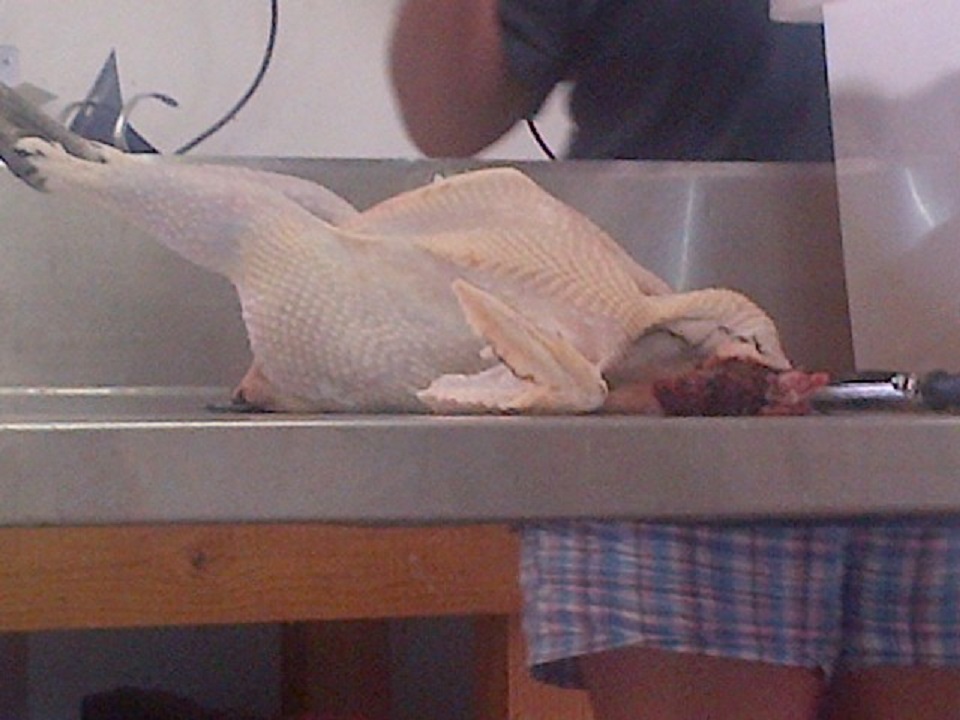
  • Today we processed our own birds for the first time. We’ve had something like 60 poultry done, but all professionally. The advantage of doing it ourselves it that every single bit of the bird is used – blood, viscera, feathers on the compost, organs to the dogs, meat in our bellies, bones dried and ground for the garden. The disadvantage is that it’s gross and we’re not very good at it yet. Still, I reckon that with some planning and patience we can become pros.
    In related news, I’ve been banned from posting pics from today on FB. The blog is fair game though… 🙂
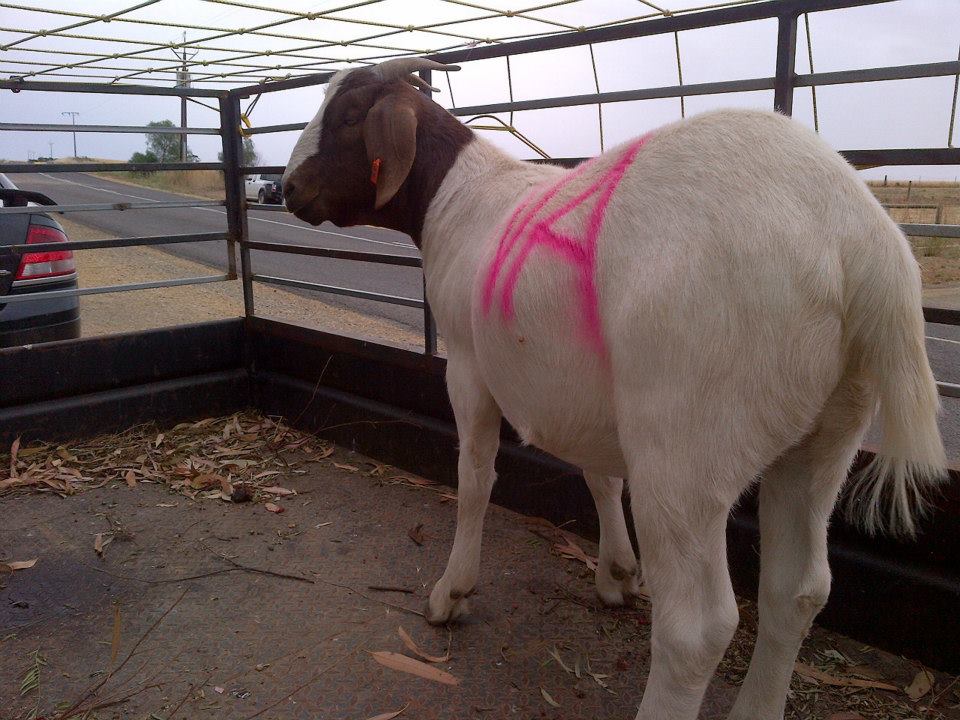
  • Picked up our latest goat, Howard, from “The Other Farm” yesterday, and one of the butchers carried out two boxes full of meat. The conversation was a little awkward:

    Guy: “This isn’t just one goat. It’s too big.”
    Me: “No, it’s just the one.”
    Guy: “He was a big goat then?”
    Me: “Ummmm, no. He was just… a little fat.”
    Guy: <raised one eyebrow at me judgementally>
    Fat goat conversations aside, this is, hands-down, the best goat/sheep meat we’ve ever raised. It’s perfect.

  • Not only have THEY made me come inside early, THEY made me shower the poop-water off (it’s fertilizer day in The Patch) AND put deodorant on. Next THEY will ask me to wear pants at our family lunch. NEVER! A man has to draw the line somewhere…
  • Linhda tonight at dinner: “I really like pork fat. Is that bad?”

    No baby, no it is not.

  • Just picked up our guns, after 6 months of paperwork, theory and practical tests, and paying fees to get our licenses, and then 6 weeks of more paperwork, fees, and waiting to get the guns. In hindsight, the 2,400 rounds of various ammunition may be a little overboard…
  • Two years ago we were buying stock feed by the bag and small bale. A year ago we started getting it a tonne-at-a-time. A few weeks ago we bought 14 half-tonne rolls of hay and yesterday we bought 8 tonnes of barley.
    That escalated quickly…
  • Tried to fix the bees for the 10th time and only got one sting! I call that an epic win.

    Of course, the hives are still messed up, and I’m beginning to suspect poor quality advice and equipment from the apiarist. It’s either that or I don’t understand what he was telling me, and that clearly can’t be the case…

  • First snake of the Summer. Even worse in this weather is that it’s too hot out so they want to come in.
  • Pickling a metric butt-load of onions and listening to Barry White. Smelling oniony, but feeling sexy!
  • The dogs caught and killed a mouse in the shed! That might now sound like news, but normally the 3 of them catching a mouse is like watching the English cricket team try and take a catch in the outfield – lots of running around, wanting it early on, and then leaving it for somebody else. It’s a proud day. For the dogs. Not the English cricket team.
  • Linhda: “You know how I’m a good girlfriend who is always thinking of your needs?”
    Me: <looks up expecting something bad> “Yup”
    Linhda: “Well, I was in the shed, and saw you had a 6-pack of Fat Yak on the bench…”
    Me: <starting to panic a little> “Okay..”
    Linhda: “I thought I’d put it in the fridge for you…”
    Me: “Why are your socks wet Linhda?!”
    Linhda: “Ummmmm”
    Me: “WHY ARE YOUR SOCKS WET?!?!?!?!?!?!”
    Turns out she dropped the 6-pack. Three bottles broke. I’m off to lick my shed floor. BRB.
  • Get a call from our old farmer neighbour to meet him by the back fence. Get there and he’s got a freshly (still warm) killed and cleaned rabbit for me! I LOVE living in the country.

    Now I need to work out how to cook rabbit.

  • Had a bit of a ‘sup? moment with a brown snake in The Patch this afternoon. I was harvesting, he was moving through, we shared a quick nod, and then went our separate ways.

    In related news, gumboots are compulsory footwear in The Patch now, even in Summer.

  • Pigs are smarter than dogs, argument in the negative #1:

    Boris, our boar, was just stuck with insulated electric wire (for the zappy fence) stuck behind his giant tusks. He was pulling back, stuck hard, bloody spit everywhere, when a quarter step forward would have freed him. My plan was to push him forward that quarter step when I realised that a quarter tonne of super-pissed-off-and-in-pain boar may not like that, so I cut him free.

    The moral: bolt cutters may, literally, save your fingers.

  • About to get my first confirmed starling kill when Clarisse comes up behind me and nudges me in the back with her quite sharp horns. I’m calling interference! Even a navy seal would miss a shot in those conditions!
    Also, the starlings are pretty safe. The best I can manage is to scare them off with the noise of the air rifle, which in reality achieves the goal we’re after.
  • Linhda had a nightmare (her word) where she was surrounded with ripe tomatoes but didn’t have time to preserve them all.
    Yes, her “nightmare” is having too much food. FWFP (First World Farm Problems).
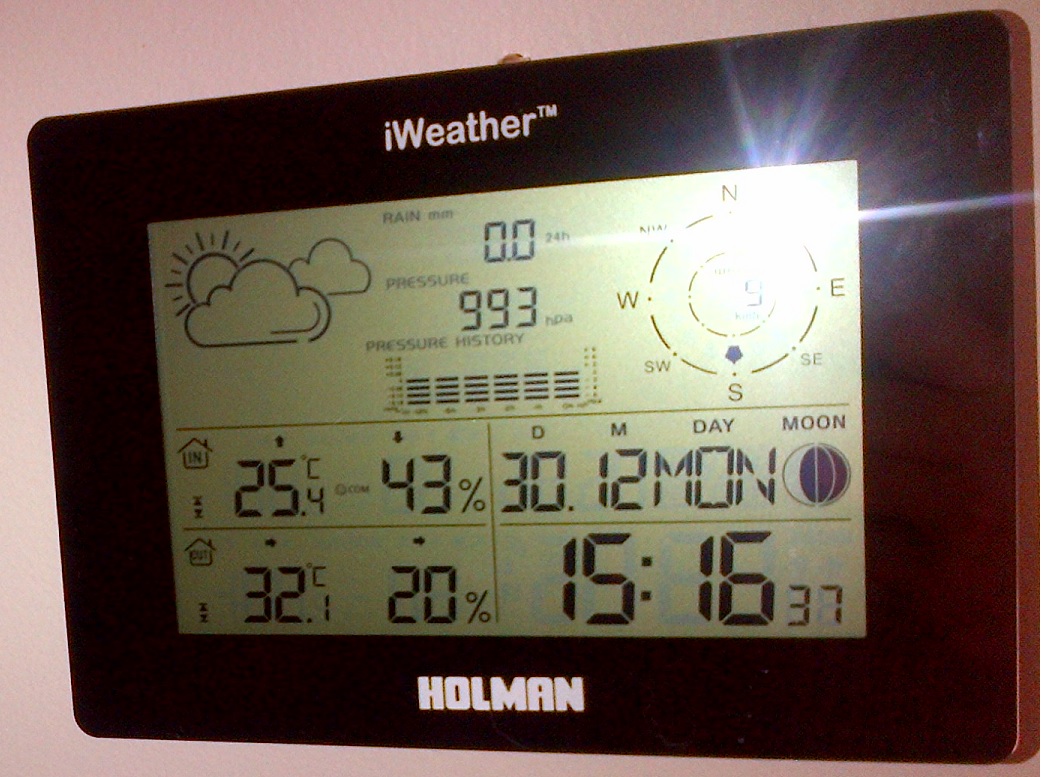
  • My new weather station says it’s 40.8 degrees and 20% humidity outside, but 26 degrees and 53% humidity in the house. I love both my new weather station and my evaporative cooler.


Miss December

Miss December

Big self-sufficiency steps were made!

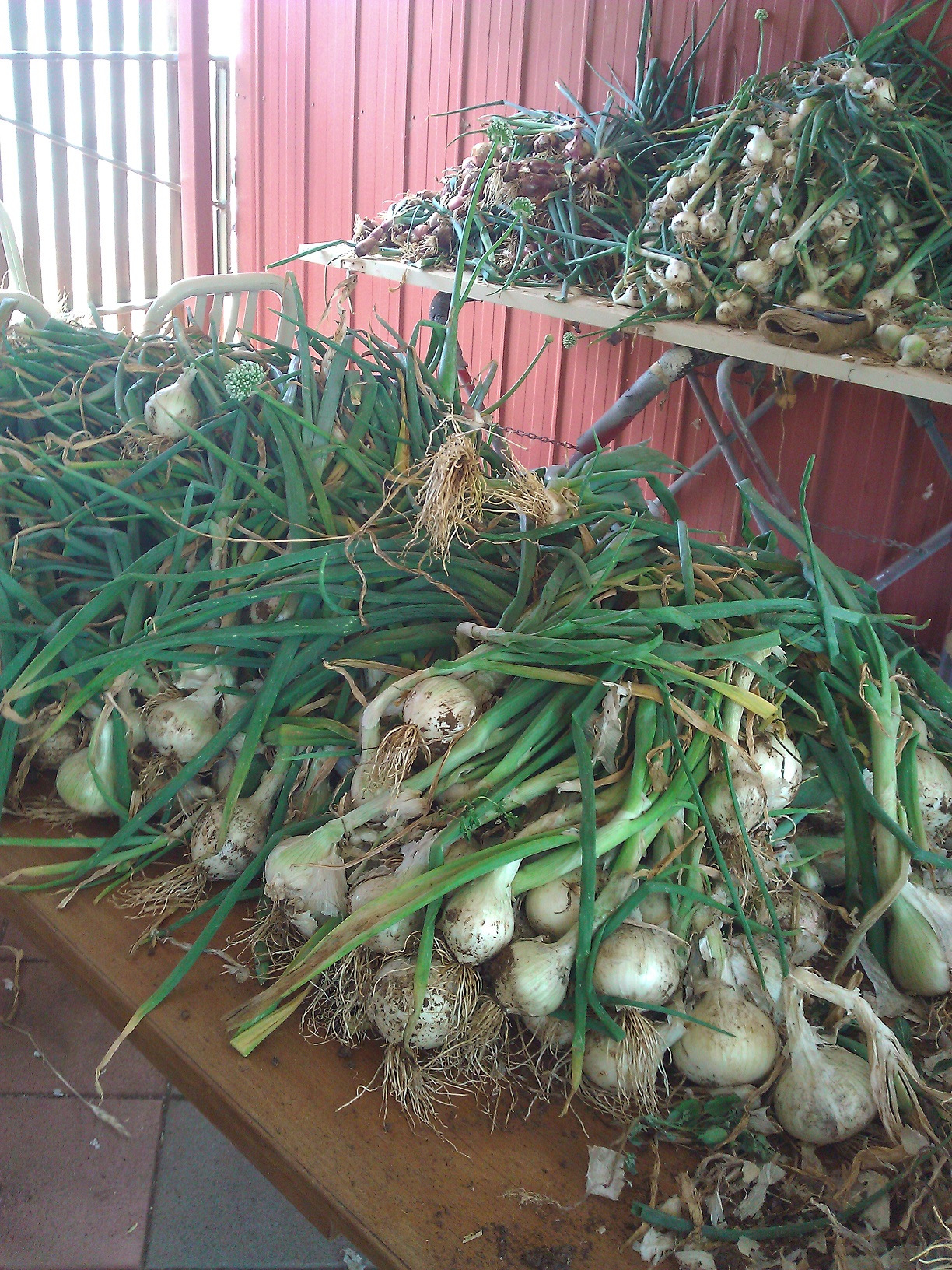
We had a huge allium year, as evidenced by our garlic harvest last month, which taught us a valuable lesson about harvesting garlic in dry conditions.  We continued this with our onion harvest in December.

Our vegetable growing ethos is a combination of eating seasonally and also growing staples that we can either store or preserve.  Alliums are a big part of that.  For one, they’re used in most things we cook.  For another, if stored correctly, they can last nearly a full year.

Last year we did well with our onions and garlic, but underestimated just how much we’d need. This year we went a little nuts, the theory being that we’d try and grow too much, which will give us a good idea in future exactly how much we’ll need.
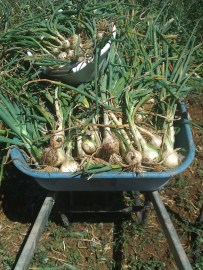
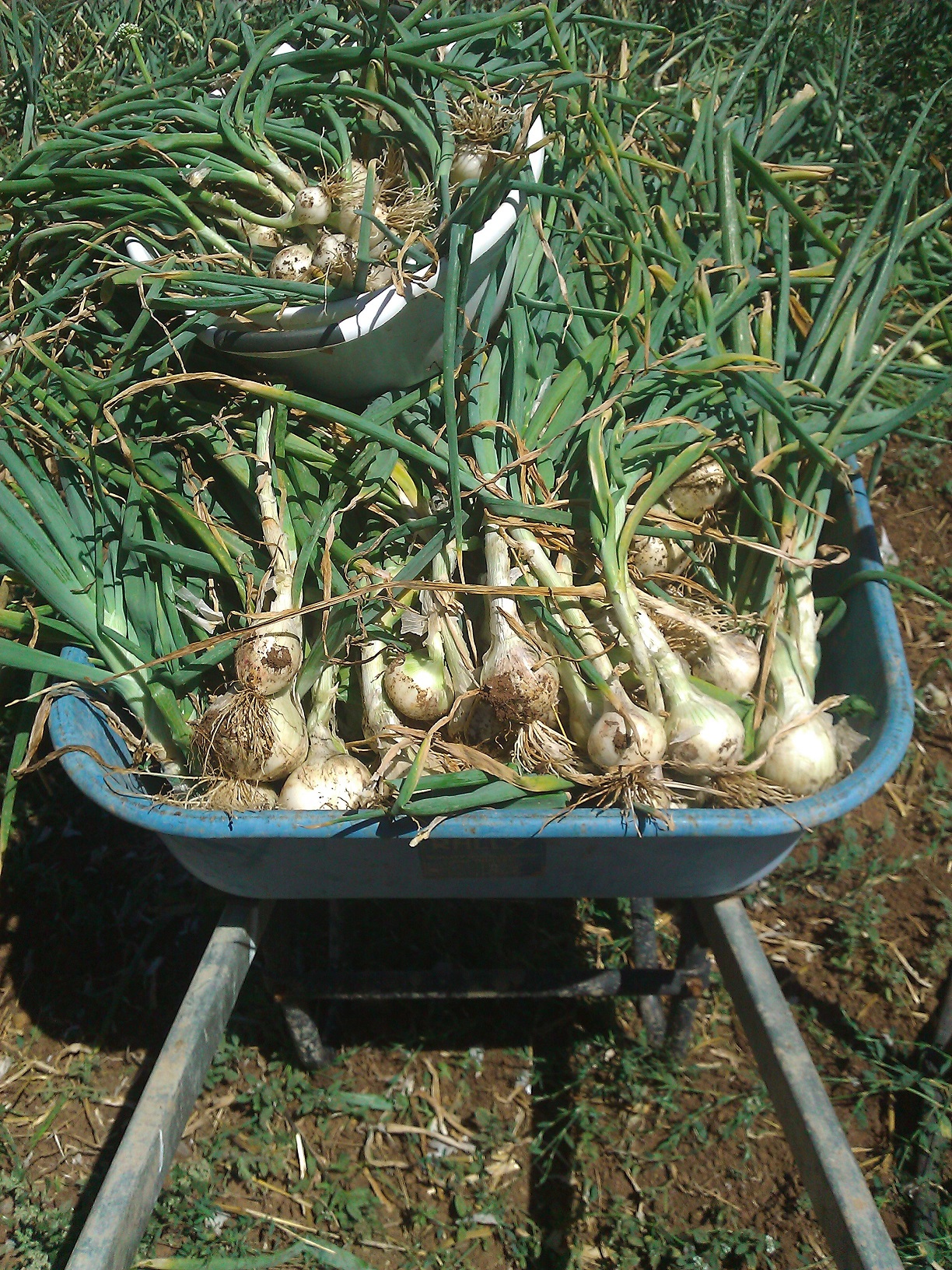
You know you might have a lot of onions when you need a wheelbarrow to harvest them...

You know you might have a lot of onions when you need a wheelbarrow to harvest them…
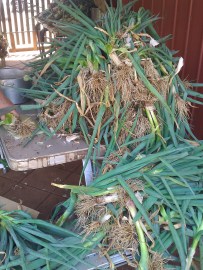
These are mostly shallots.
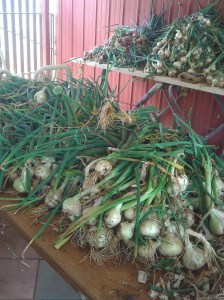
These are mostly shallots.

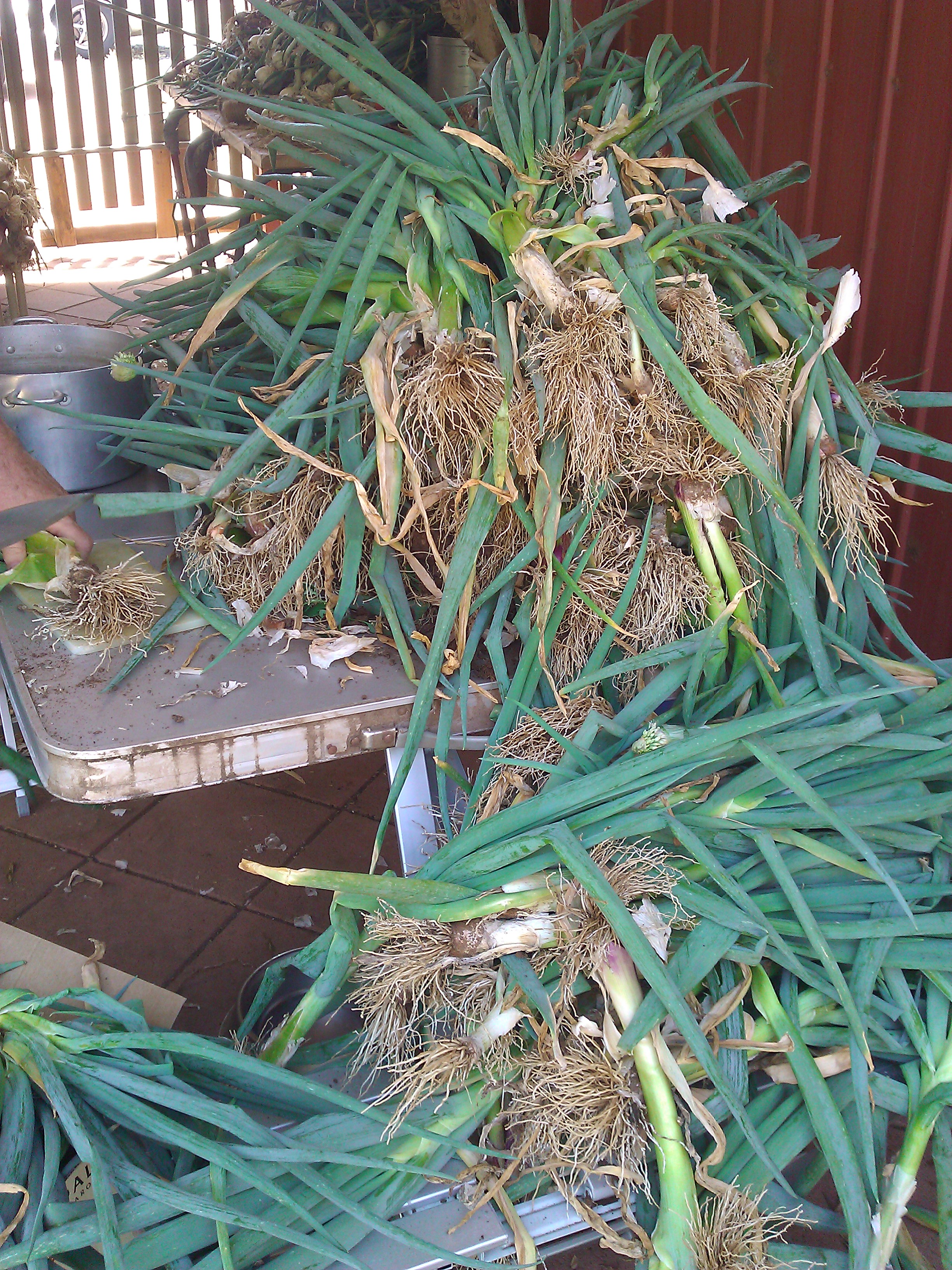
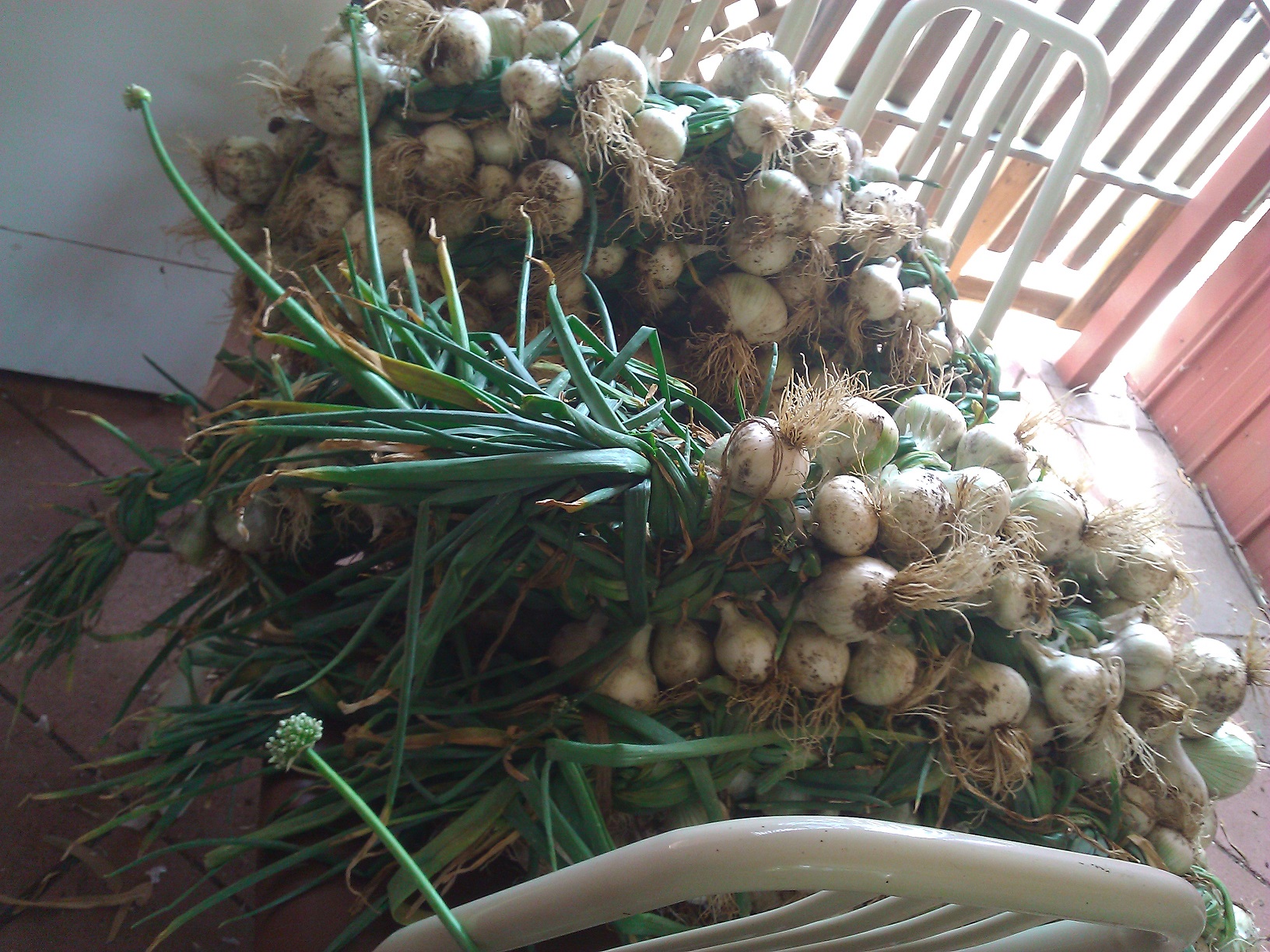
Stacking them up for Linhda to plait.

Stacking them up for Linhda to plait.

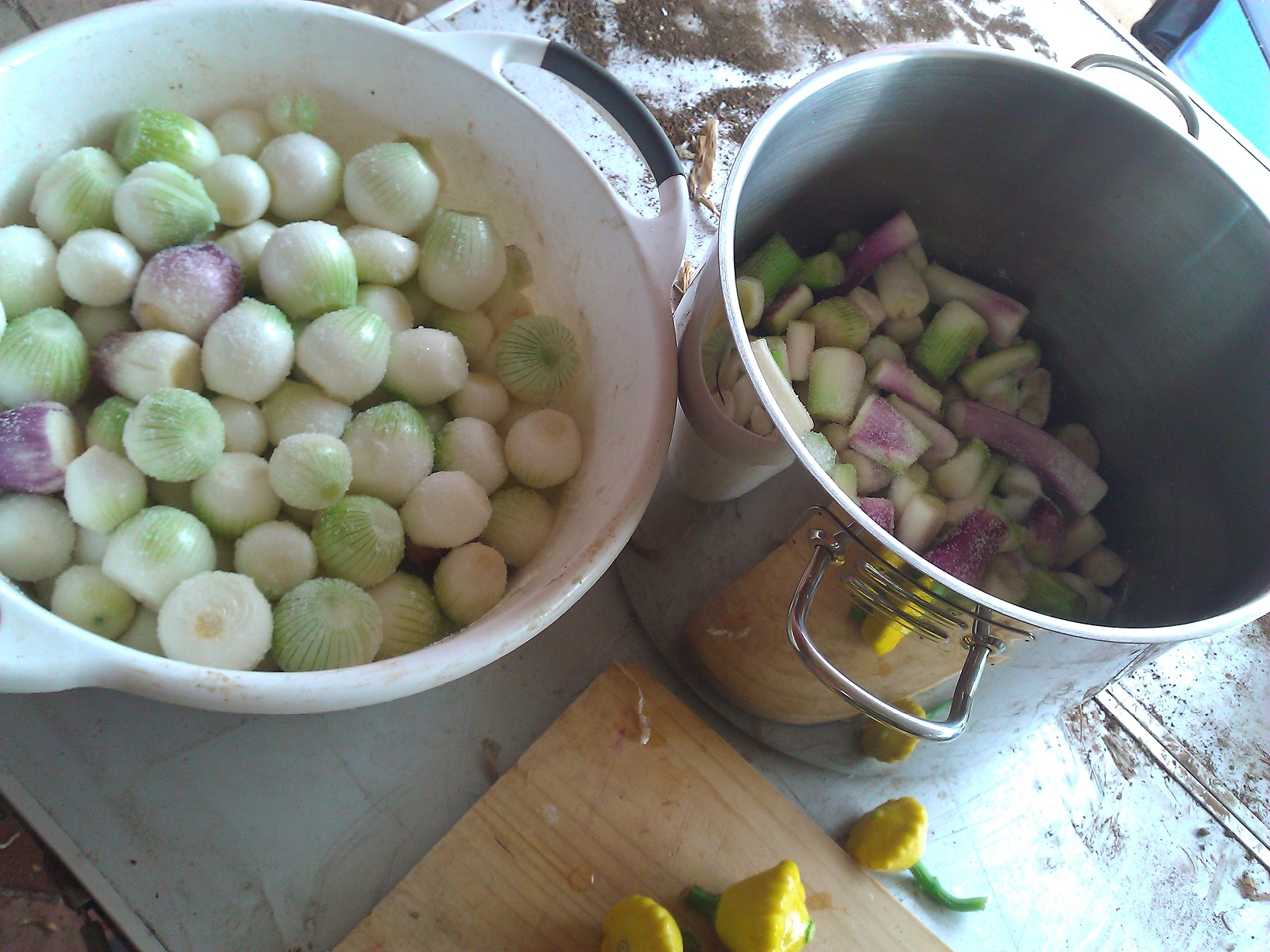
Our onion harvesting and processing took a full week.  We spent a weekend harvesting and plaiting it, and then the evenings of the following week pickling it.  We don’t grow onions specifically for pickling, but rather just choose the smaller ones.
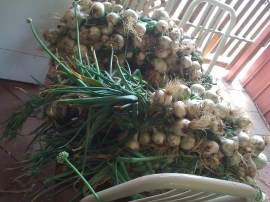
These plaits are the best way to keep them.
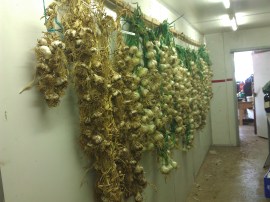
These plaits are the best way to keep them.

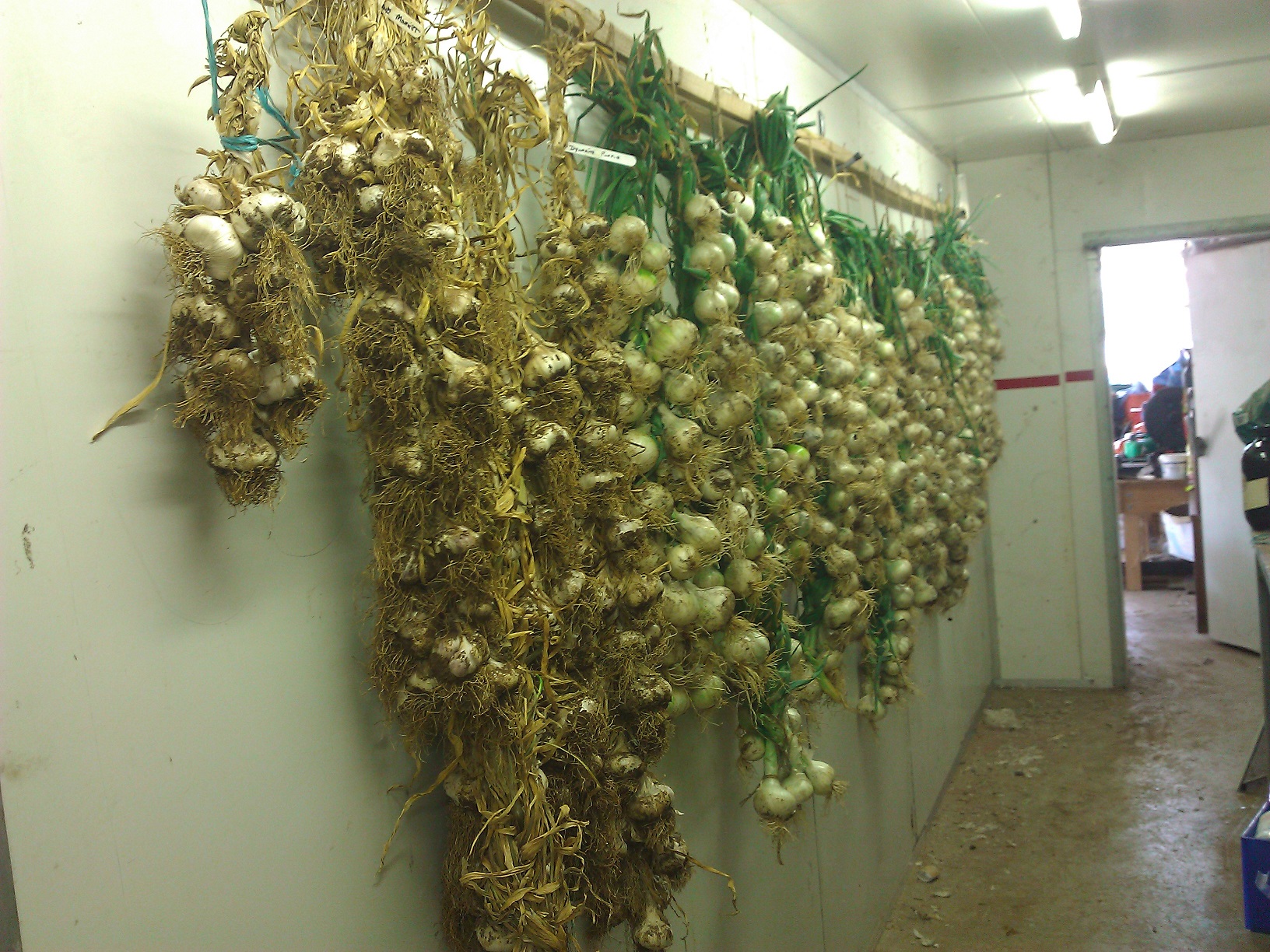
This is about half our garlic and less than half the onions hanging in our preserve area in the big shed.

This is about half our garlic and less than half the onions hanging in our preserve area in the big shed.

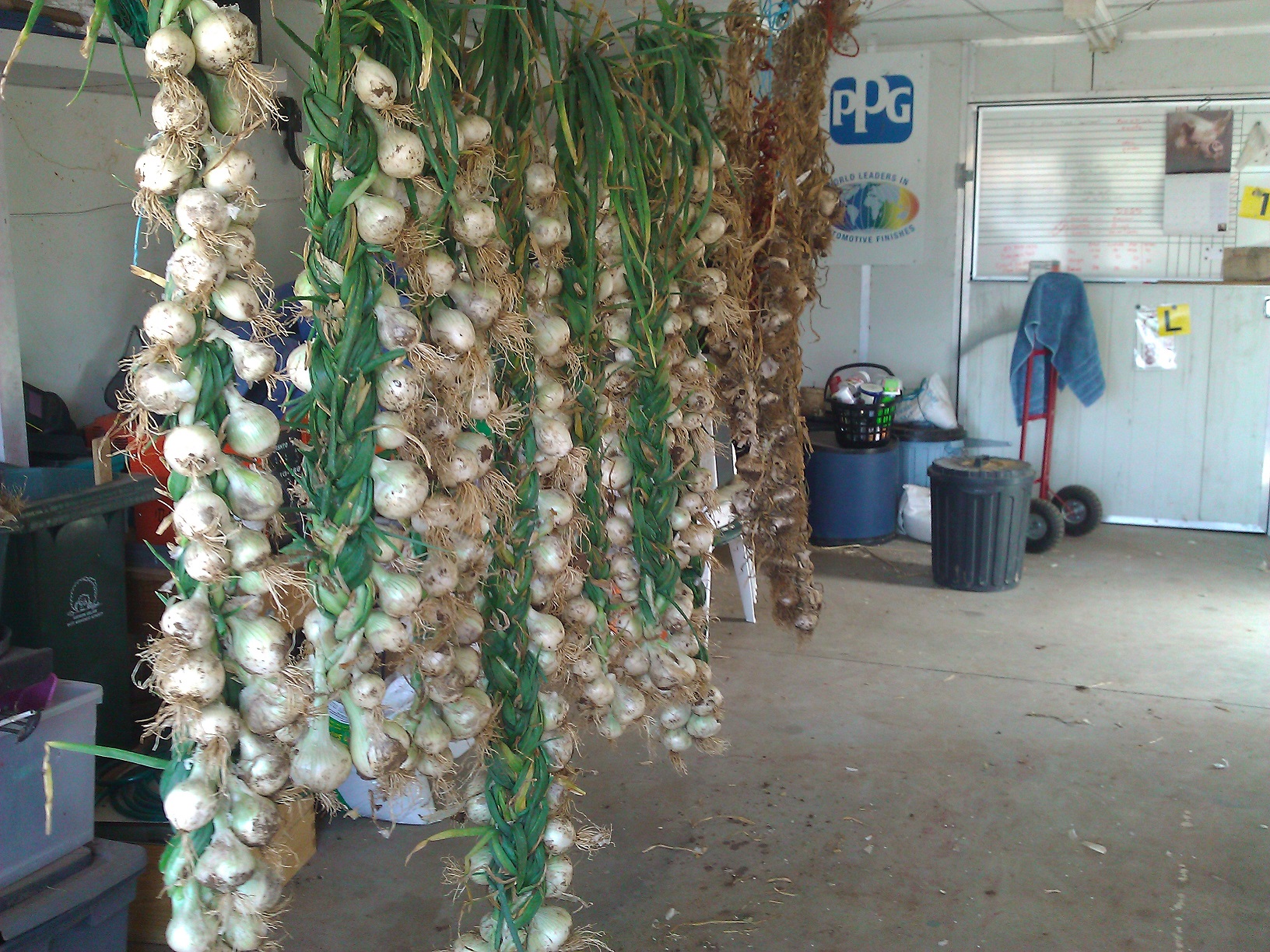
This is the rest of the garlic and most of the rest of the onions hanging in the main part of the big shed. We were running low on hanging room.

This is the rest of the garlic and most of the rest of the onions hanging in the main part of the big shed. We were running low on hanging room.

As a family, we love pickled onions.  In the past we’ve been able to put down a handful of jars, but this year I’m confident that we have a full year’s worth.  We also tried a slightly different method where we salted the onions over night at first, the aim being crunchier pickled onions.
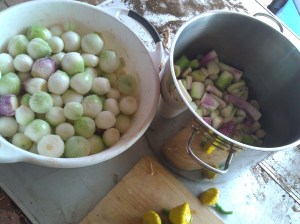
This is about a third of the pickling onions, salted and ready for pickling tomorrow.

This is about a third of the pickling onions, salted and ready for pickling tomorrow.

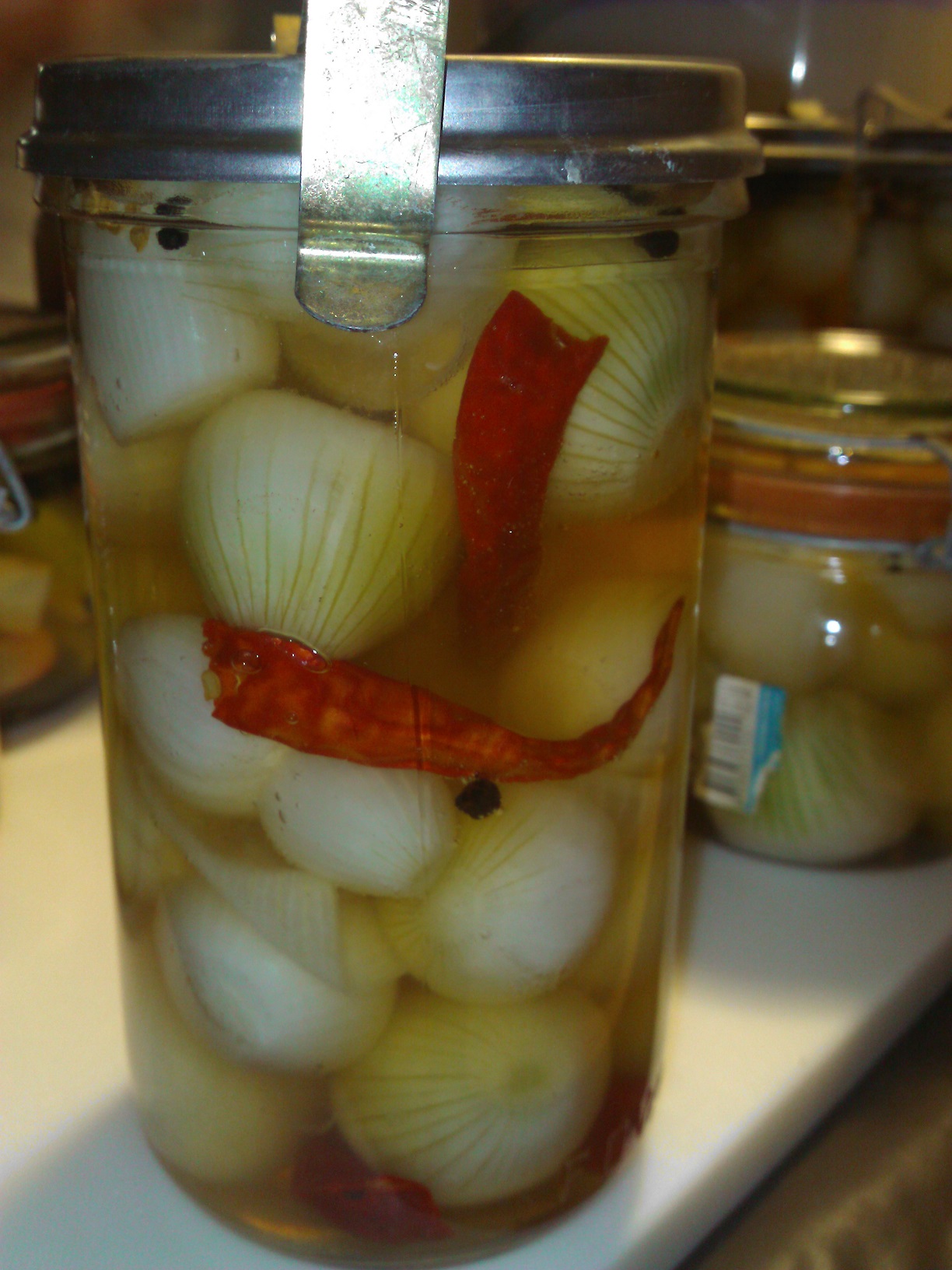
I processed 2 or 3 batches of pickled onions, and like to experiment with flavours, especially chillies.  The rest of the family is less enthusiastic about this…

One of our pickled onion runs.
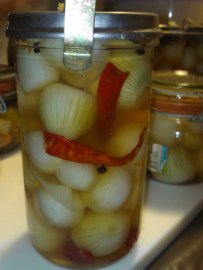
One of our pickled onion runs.

I love me some chilli pickled onions.
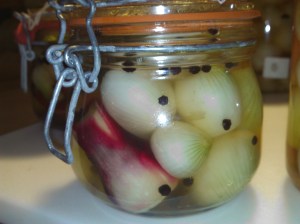
I love me some chilli pickled onions.

The purple shallots make them even prettier.

The purple shallots make them even prettier.

We also are experimenting with some other onion-type products.  About 50 or so onions had gone to seed, which leaves a bit of a woody stem part in the middle.  We saved a stack of those and hung them in hessian to use as stock onions.  The rest we cut in half and have put in our dehydrator.  The idea is to see if we can make our own onion powder, or maybe onion flakes.  From there we might be able to make our own BBQ seasoning. Yum!

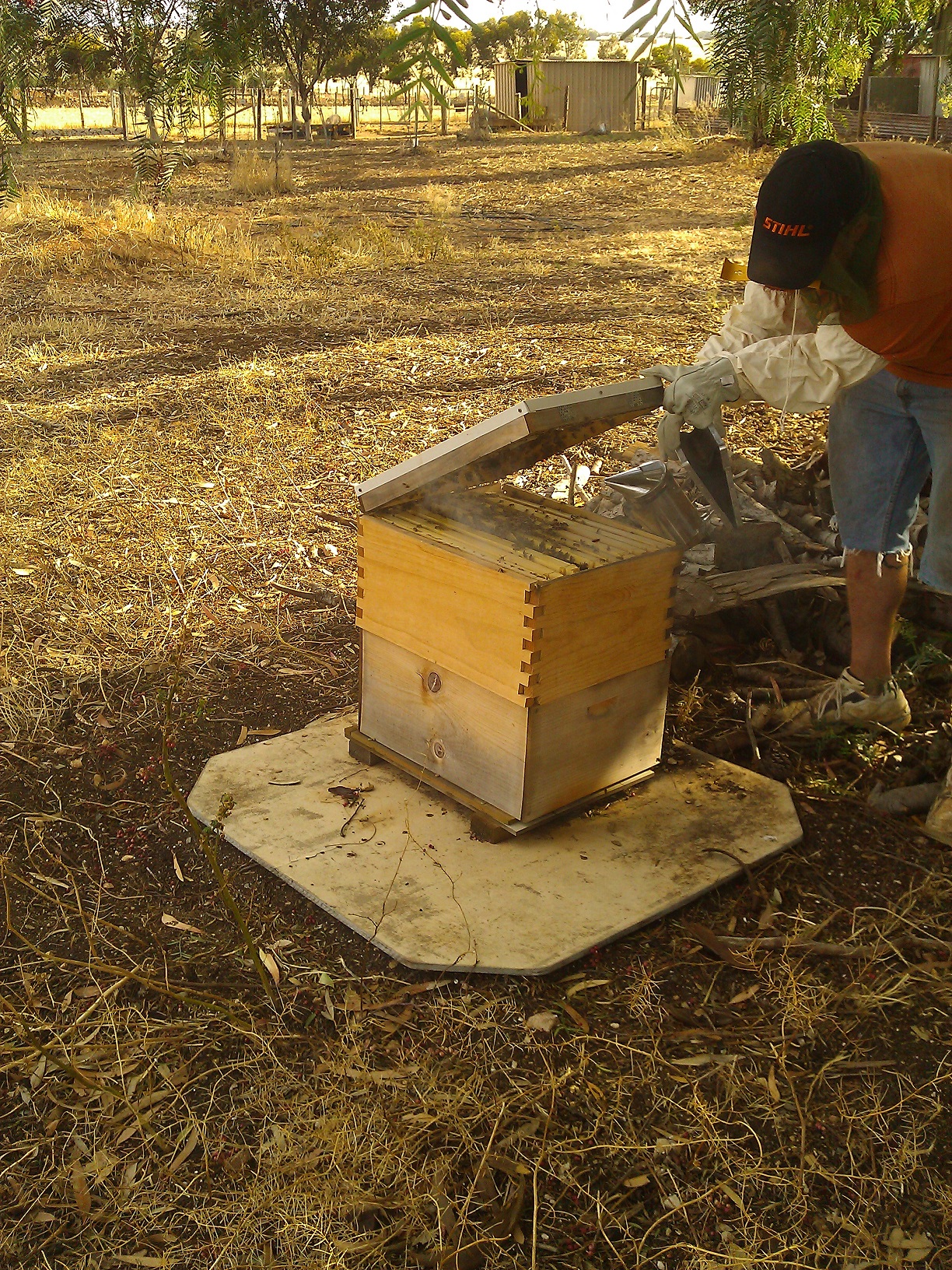
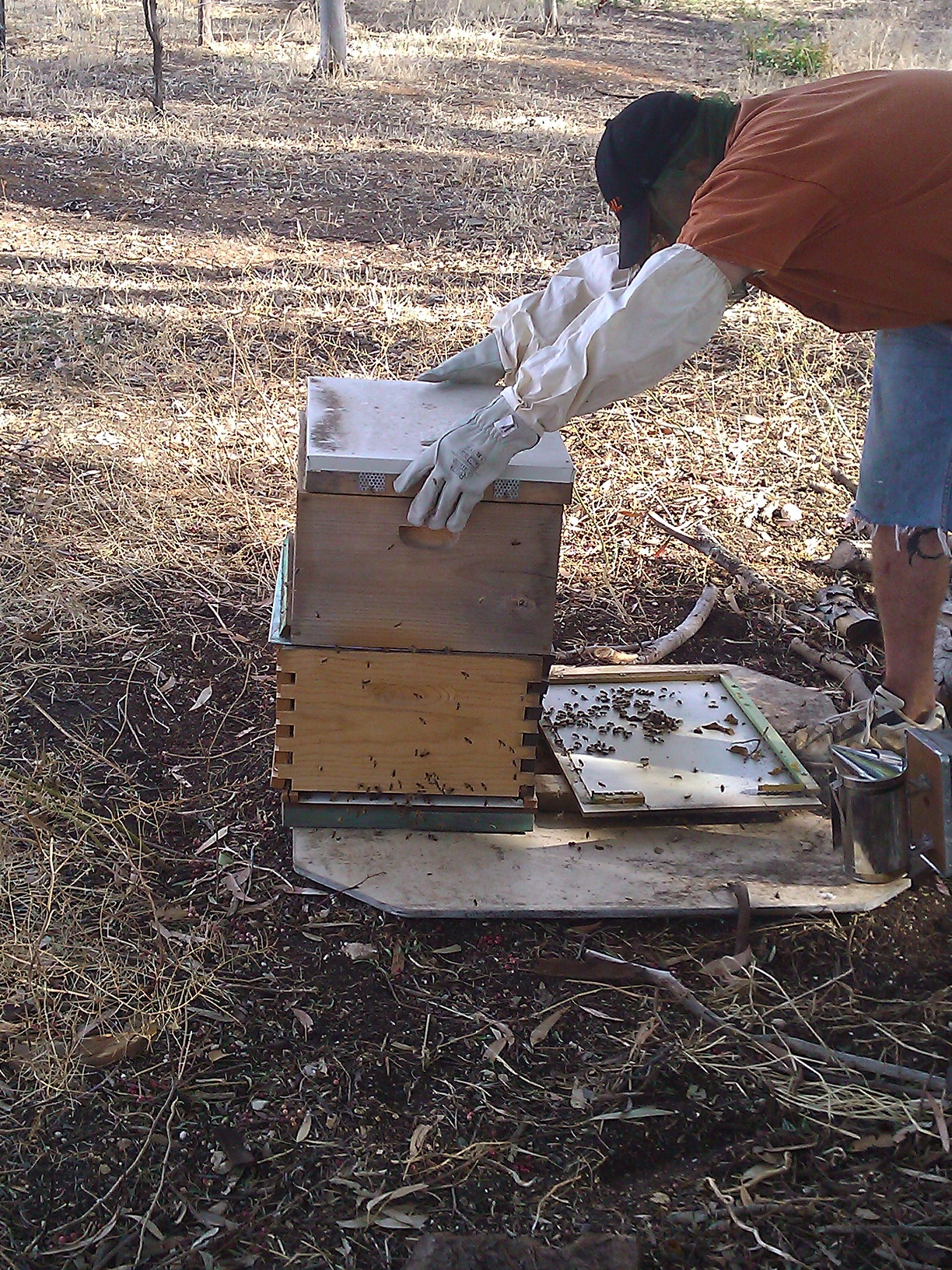
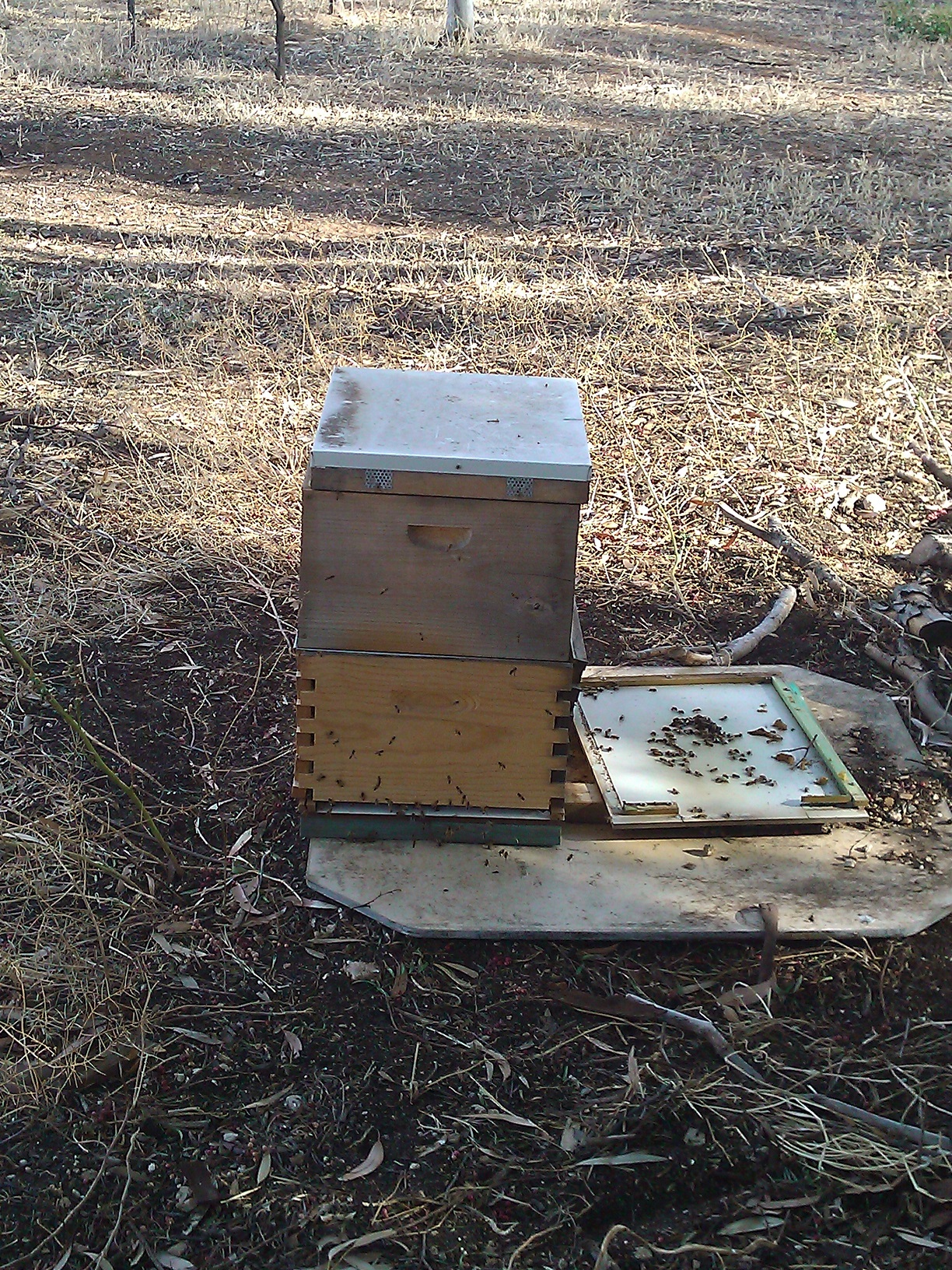
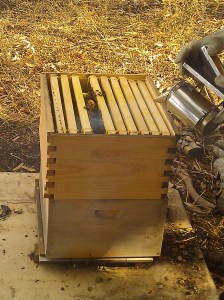
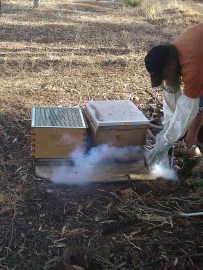
We had a go at fixing our beehive up too.  The advice we’ve received from the local-ish apiarist may be leading us astray though.  We’ve set things up exactly how he suggested, and this month the theory was that we swap the two supers around with a queen excluder between them – the bulk of the bees, with the queen, should be in the lower one at that stage.  They seem to be everywhere though, and I’m not at all sure it’s worked.
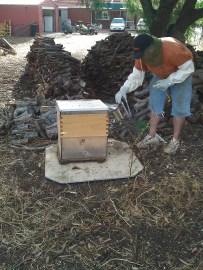
Getting started. And I know how paradoxical the super long gloves are with shorts...

Getting started. And I know how paradoxical the super long gloves are with shorts…
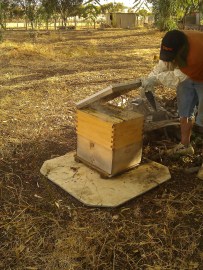
This is me at my most careful.
This is me at my most careful.

Even with the new super you can see the problem where they start to explode out of the frames.
Even with the new super you can see the problem where they start to explode out of the frames.

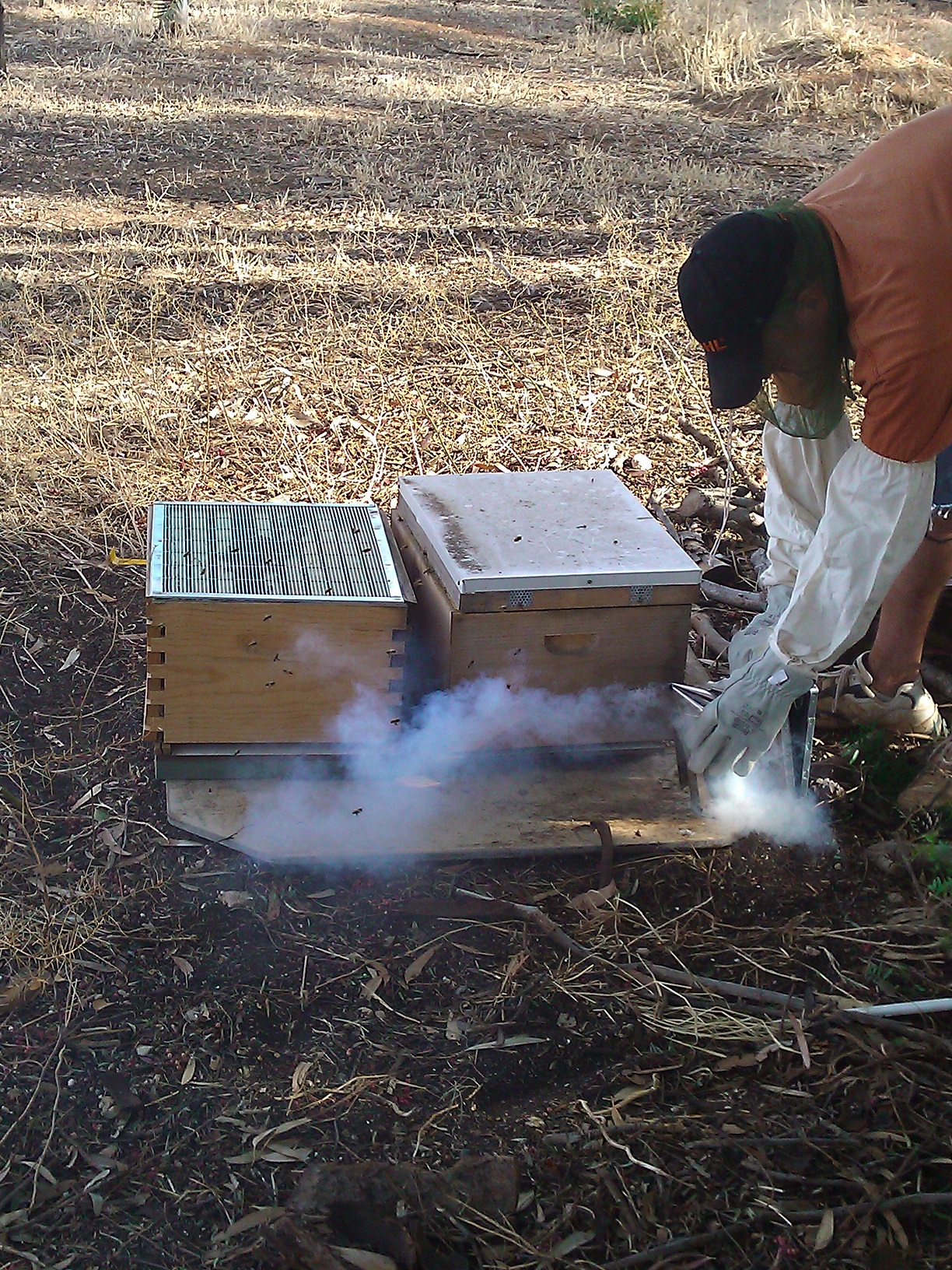
More smoke! WE NEED MORE SMOKE!

More smoke! WE NEED MORE SMOKE!

Swapping the supers. Very. Very. Carefully.
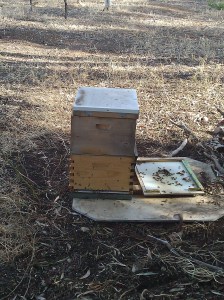
Swapping the supers. Very. Very. Carefully.

The finished product, looking decidedly wobbly.

The finished product, looking decidedly wobbly.

We may be at the stage where I try and get a professional out, as much as that pains me.  Once we get this right, I might also look at getting more hives, and placing them around the property.  My main interest is the bees and the massive amount of good they do.  We know enough people who like honey that we should be able to offload it. Hopefully.

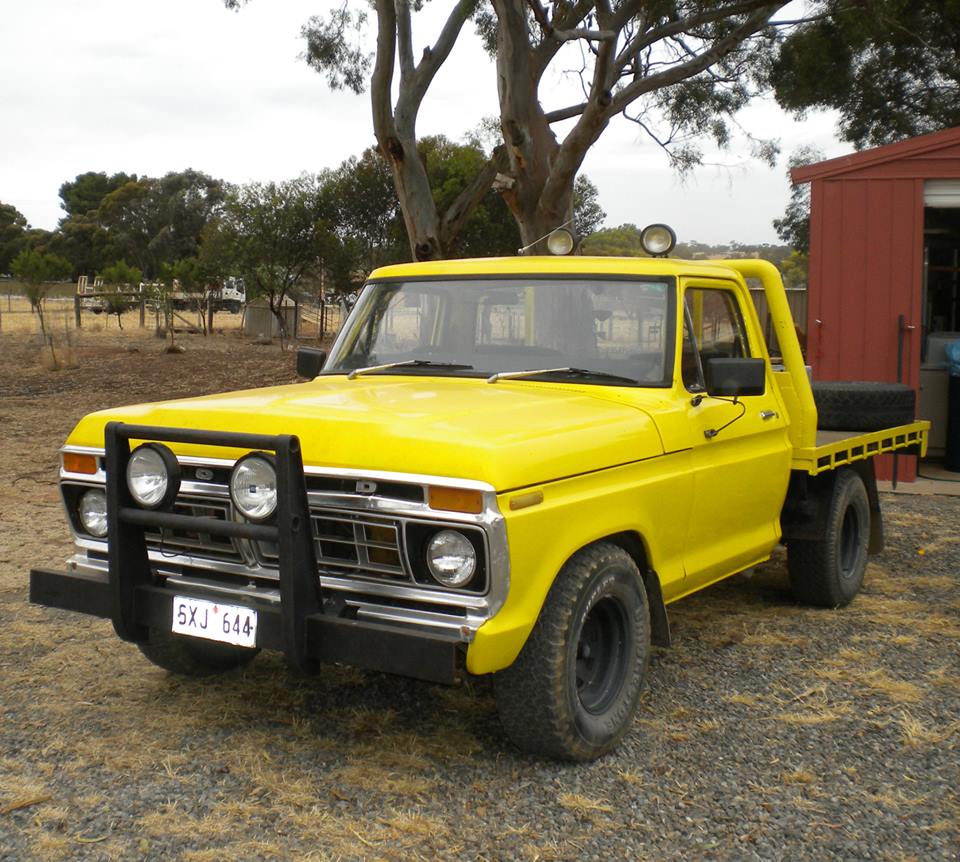
Dad got himself a F100, which is just beautiful. She’s not easy to drive, but she sure is fun to drive.  We’ve named her “Mellow Yellow”, which of course Linhda has shortened to “Melly”.
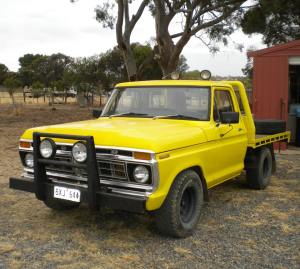
Mellow Yellow!

Mellow Yellow!

Our neighbour also shot us a rabbit.  I’d mentioned to him that I was keen to try rabbit, and part of the reason I got my guns was to control that kind of pest.  I don’t want to waste them though, and so would try and eat them.  I got a call one afternoon to meet him by the back fence, and he had a fully dressed rabbit for me. It was so fresh that it was still warm, much to Linhda’s disgust.  🙂

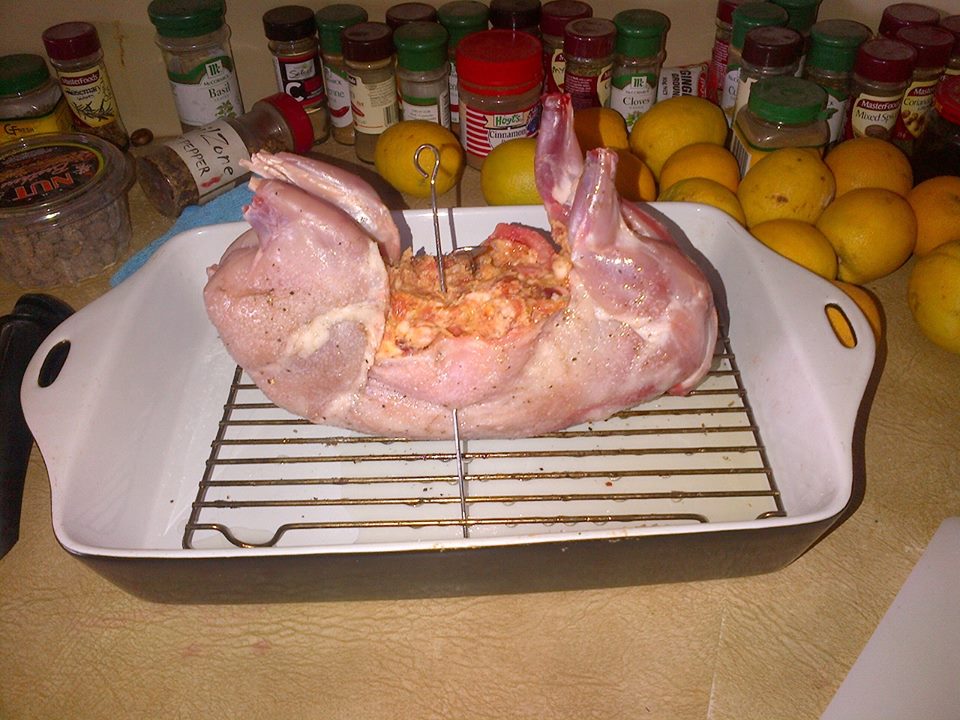
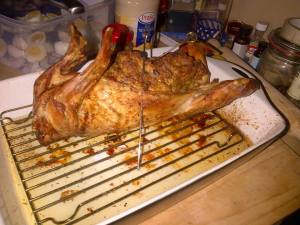
I made up a stuffing using our sausage meat and roasted the rabbit. It turned out surprisingly well.  To me it tasted like strong turkey.
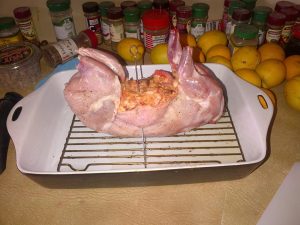
This is the before shot of my rabbit experiment.
This is the before shot of my rabbit experiment.

The end result was actually pretty good.

The end result was actually pretty good.

Of course, the piglets were growing, both in size and cuteness.
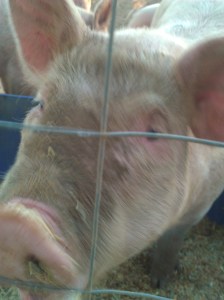
This is Brutus. He's a beast!

This is Brutus. He’s a beast!

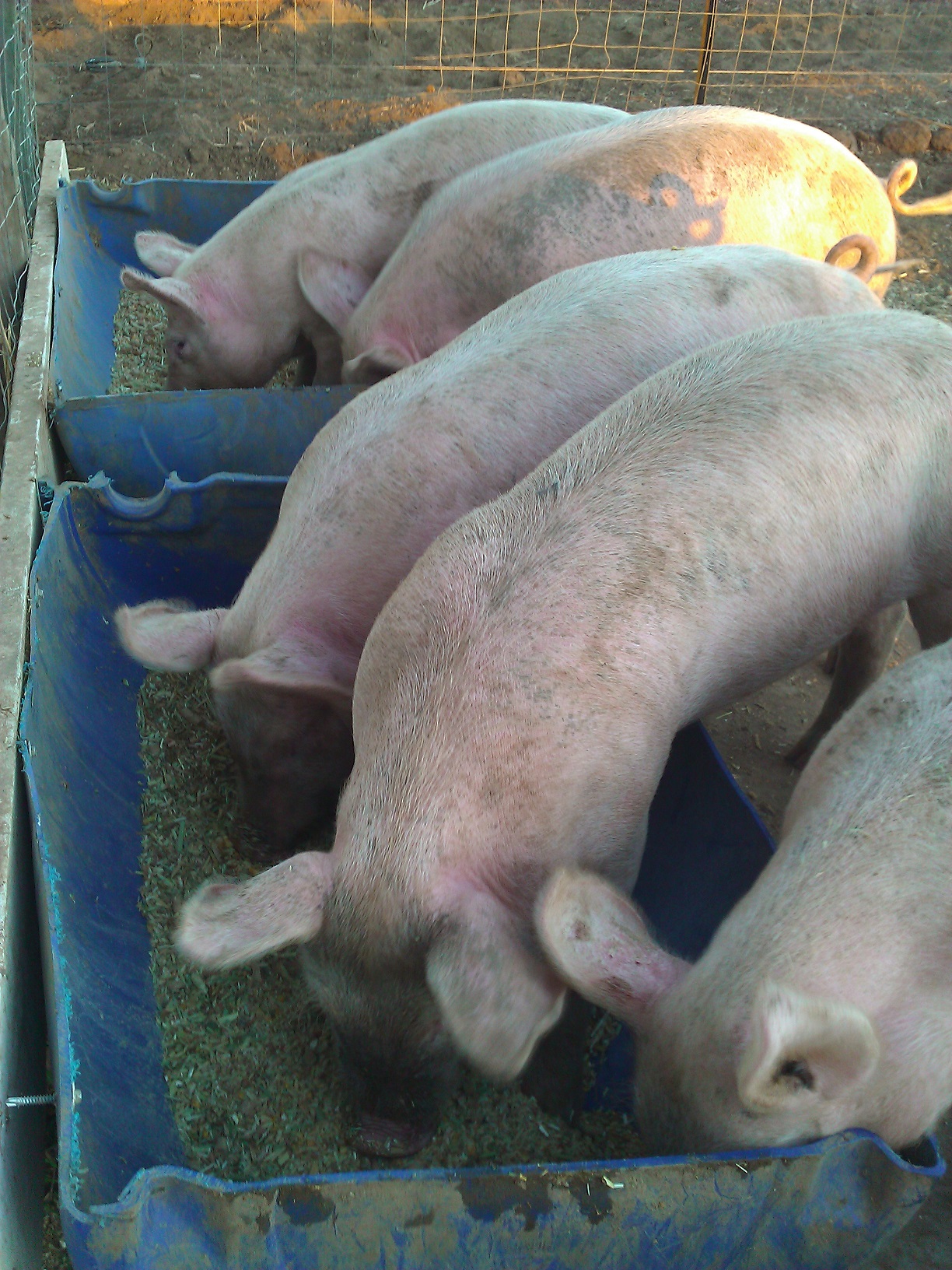
Fat piglets are getting fat.

Fat piglets are getting fat.

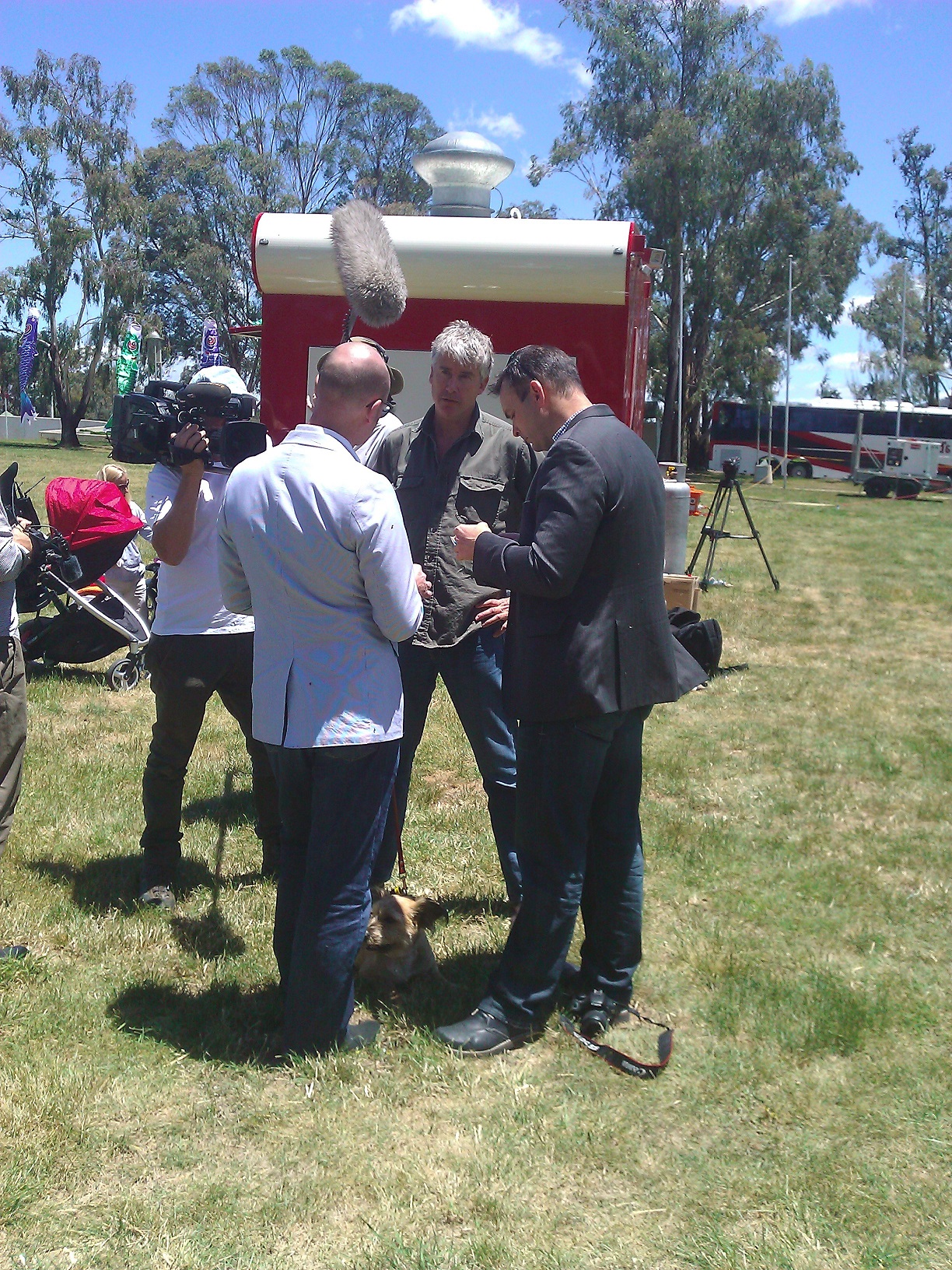
I was in Canberra for 2 or 3 weeks of December.  In the middle somewhere Linhda sent me a message that Matthew Evans, of Gourmet Farmer fame was in Canberra promoting sustainable fishing. He was set up outside Parliament House, so I headed down to see him.  I really wanted to just meet him, say hey, and maybe chat about our common interest in growing our own food. I did meet him and chatted, but it was mostly about his fishing message.  That was cool though, and the fish was delicious!

Matthew Evans speaking to the media in Canberra.

Matthew Evans speaking to the media in Canberra.

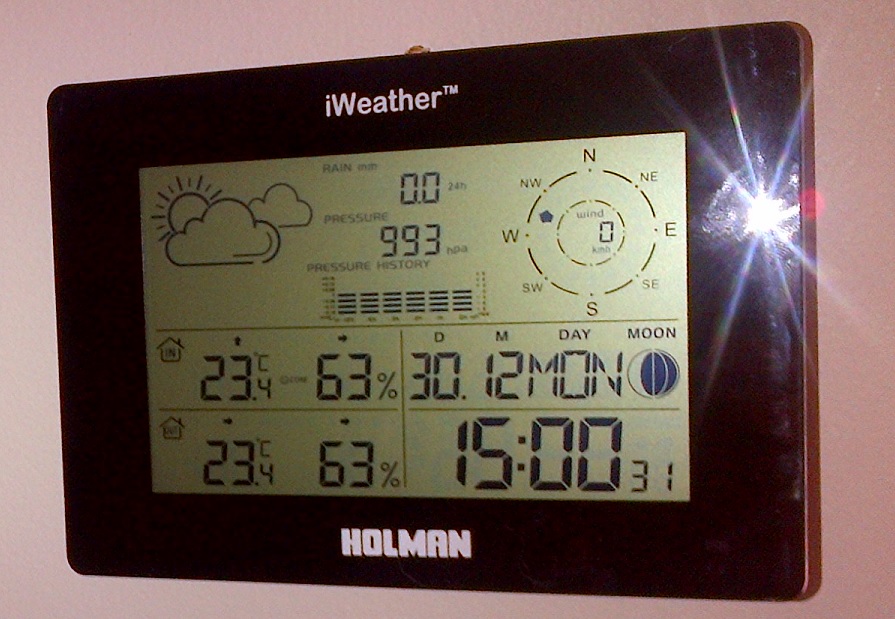
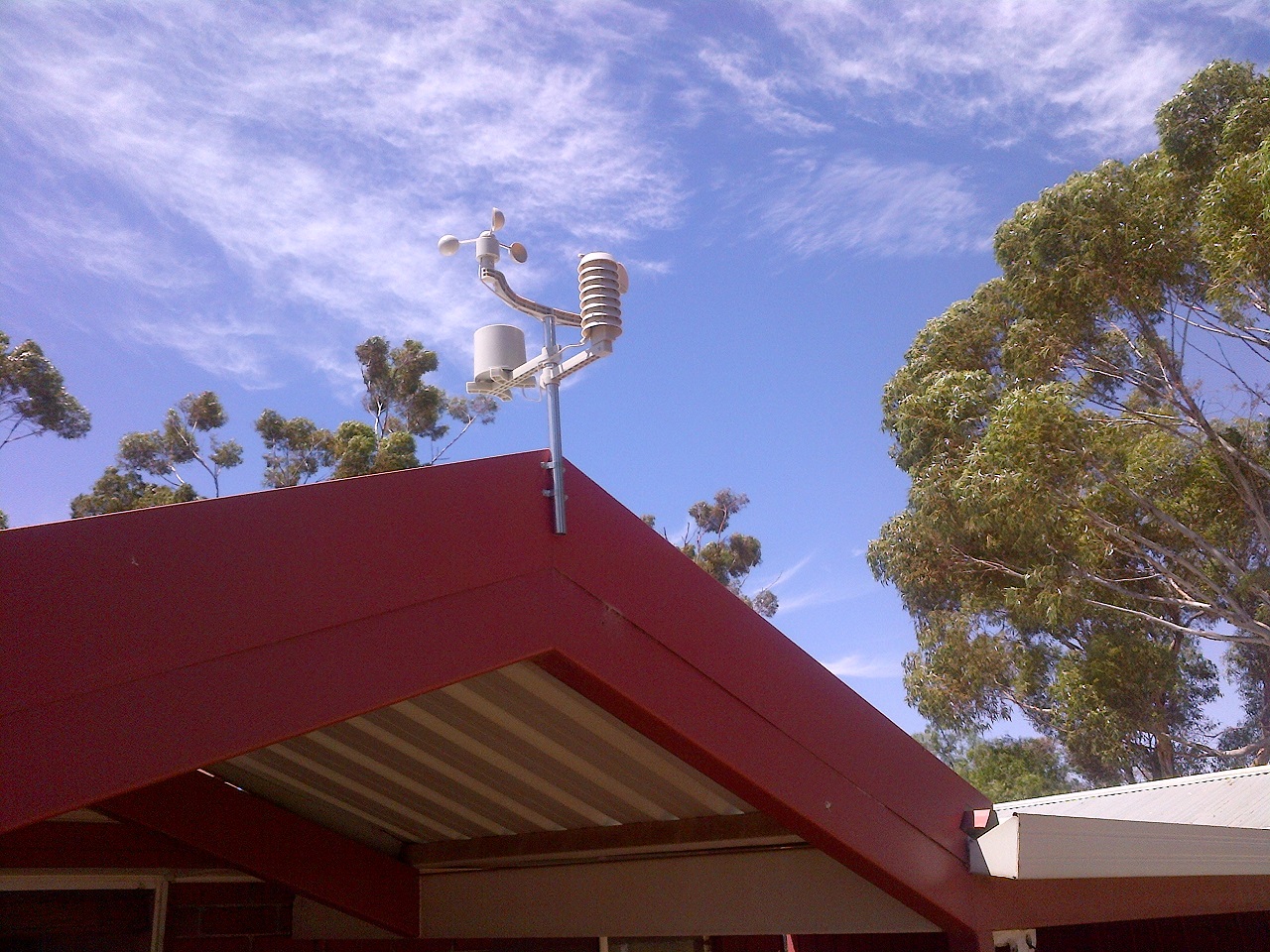
Right at the end of the month I got a weather station from dad as an early birthday present. It’s awesome! One of the things that has struck me since moving here is how tied to the weather and seasons we are.  We’re always looking at forecasts, and plan much of our venture around the weather.  This station is just the next step in that obsession.
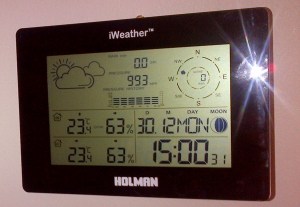
The first reading from my new weather station, before the outside sensors were installed.

The first reading from my new weather station, before the outside sensors were installed.

The outside sensors, collecting data on barometric pressure, wind speed, wind direction, rainfall, temperature, and humidity.
The outside sensors, collecting data on barometric pressure, wind speed, wind direction, rainfall, temperature, and humidity.

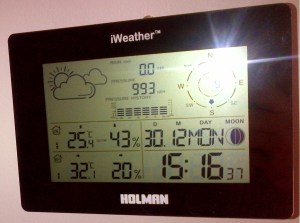
Our first reading!

Our first reading!

We also did a heap of maintenance to the veggie patches.  In fact, we’re still planting out, which is quite late in the year for us.  Normally I’d have all of my tomatoes in by now, and would be busy harvesting.  However, due to work commitments, and maybe poor planning, our tomato bed is only two-thirds planted out, and we only started harvesting right at the end of the month.  In fact, we still have seedlings in the hot house, ready to plant out in January.  Hopefully this just extends our harvest, rather than cuts it short.  Fingers crossed…

One other thing we noticed was the presence of snakes again.  Our first summer saw a few snakes around the place, but we saw none last summer.  I think that’s because last summer was record breakingly hot, and our slithery brethren had gone to ground. This year is much milder, and they’re out-and-about.

We had one super-hot day, and had a snake in our big shed.  That happens on those days, as they need to get out of the heat.  However, I also had one in The Patch.  That’s never happened before.  I’ve only seen snakes in the sheds, or chook runs, or under the carports before, basically taking shelter.  This month I was in The Patch on a high 20’s day, which is the perfect snake temperature, and had a big brown snake motor on past me.  I heard him first – there’s really nothing quite as distinctive as the sound of snake moving through dry vegetation.  I was taking a step when I heard it, but immediately stood still.  He saw me.  I saw him.  He kept moving, on through my tomato bed, and I let him go.  I’ve not see him since, and so am hoping he’s moved on.

We also had our latest goat processed in the middle of the month. This Howard was about 14 months old, and quite plump.  We’ve found the trick with the goats and sheep is to let them go on a bit, and to keep the feed up to them.  You can take that too far of course, but I think this time we got it exactly right.  The butcher commented on how plump he was (I’m not using the “f” word out of respect for Howard), and the meat is absolutely amazing.  We’ve had loin chops and ribs, and they are hands-down the best goat/sheep we’ve raised.
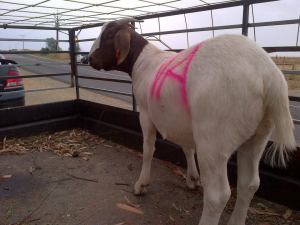
This shot shows Howard's... plumpness.

This shot shows Howard’s… plumpness.

I’ve saved our biggest news until last: We processed our own chooks!  That probably doesn’t sound as impressive as it is, but this is a huge step for us.  I was going to go into gory detail about the process here, but think I’ll save that for the stock -> chook area.  Future me will come back later and leave a link to that post.  I’ll still describe some of it here though.

I’ve wanted to breed and process our own meat birds for a while.  Buying the day-olds that we’ve used in the past works well, as does taking them to the local poultry processing place.  However, that’s not ideal to me for a few reasons.  For one, it’s not entirely self-sufficient, which bothers me.  For another, it involves a few trips in the car, which adds to the carbon footprint.  I think the most important thing to me, however, is the fact that we don’t get to use all of the bird.  I’m determined to make the absolute most out of every animal we raise, and processing our own birds means we use 100% of the body – the blood, feathers, and viscera go on the compost, the organs go to the dogs, we eat the meat, we make stock out of the bones, and we even dry the bones to make meal for the garden.  Literally, every atom of those birds stays on the property, and not a single part is thrown away. That is pretty much a metaphor for our entire meat raising philosophy.

The dressed result. A little leaner than we're used to.

The dressed result. A little leaner than we’re used to.

We did learn some awesome lessons both on how to process them and how to raise them.  I’ve mentioned before that chooks need 3 things in order to develop the nutritional value for us – time, exercise, forage. These chooks had all of that, but as we’ve found in the past with the Cobbs, too much exercise can be a bad thing.  The Australorps are a leaner breed to start with, and letting them range over 3 acres made them even leaner.  These weren’t small birds, each dressing out to something over 1.5kg, but they tended towards toughness.

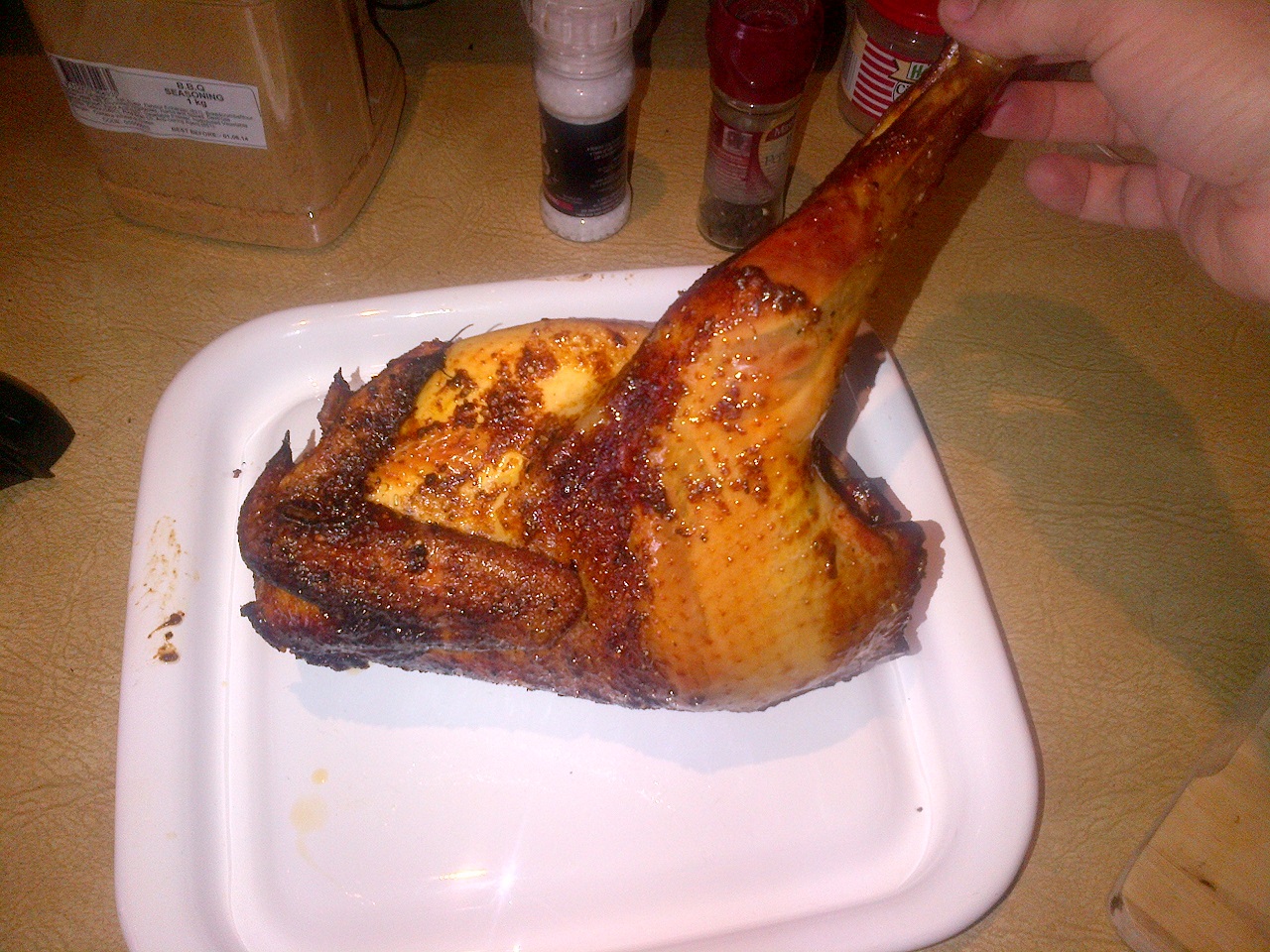
We roasted one right away.
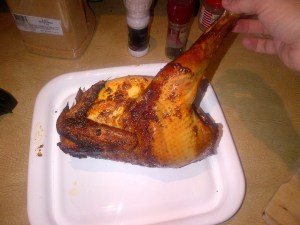
The roasted product. Delicious!

The roasted product. Delicious!

It was delicious, but a little tough.  Linhda boned out most of the others, and we’ve had them both in a chicken-and-leek pie and in a curry. The toughness wasn’t noticeable in those culinary contexts, and they were super tasty.

The lesson here is to contain the meat birds a bit, and probably to avoid growing them on at this time of year.  We are planning on expanding our orchard significantly come winter, and will put in a couple of large runs.  They’ll let the meat birds range and get the exercise and forage they need, while containing them and letting us keep the food up to them.  The result should be plumper birds without compromising on the nutrition or their well-being.

Much of this flock wasn’t pure Australorp, despite the breeder’s assurances of “show quality birds”.  One of the 4 boys we processed looked pure, but the others were crosses.  We also had 4 cross-breed pullets.  I want to avoid eating the girls where possible, as their real potential is in their egg-laying. With that in mind, we gave those 4 girls to a couple of people from the produce share we attend.  They’re now happily giving eggs to those families. 🙂
And I forgot to mention the guns…

We decided a while ago that we needed a gun or two on the farm. I’m not a big fan of hunting, or of killing things really, but there are times when a gun may be necessary.  For one, we had a problem last year with starlings eating our corn, and I’d been thinking of getting a slug gun to keep their numbers down.  Apart from that, however, we have nearly 50 assorted animals living with us on our little patch of paradise, and there is potentially going to be a time where we need a gun to either protect them (e.g. fox predation) or put them down.

With all of this in mind, dad and I went out and got our gun licenses.  I’m a huge proponent of gun control, and didn’t mind the fact that we had to go through a lengthy process, but I was still surprised at just how lengthy that process was.

We had to go through police checks and then pass a course with both theory and practical sections.  It took over 6 months from start to finish, and cost several hundred dollars.  Then, after you get your license and buy your guns, you have to wait a minimum of 4 weeks, and in our case it was over 6 weeks, to actually get the permits to be able to pick them up.  Then you need to register them and pay more fees.  I think that process alone, along with the expense, is enough to weed out a lot of people.  Maybe that’s part of the theory behind it?

Anyway, we ended up buying two guns in November, though we didn’t officially take possession of them until December.  We got a nice air rifle and a little rim-fire .22.  We found a great gun shop in Pooraka, and they had a deal on the .22, with a gun safe, bag, gun cleaning stuff, and a bucket ‘o bullets.  Seriously, it’s called a “bucket ‘o bullets”, and it’s literally a bucket containing 1400 high-velocity bullets.

It's not much of an arsenal, but it's pretty much essential for most farms, even the little ones...

It’s not much of an arsenal, but it’s pretty much essential for most farms, even the little ones…

There’s apparently a gun club in Kapunda, which isn’t that far from us, and we might got and check it out.  I enjoy target shooting, and really, really need the practice. Right now, the starlings are pretty safe…

November 2013 Facebook Farm Statuses

  • So there’s a pig farm for sale – 2 properties, stall-free breeding, 185 acres, the capacity for a couple of thousand pigs, both fulltime and part-time staff. Linhda thinks it’d be too much work for us. Spoil sport.
  • Family pickling night done! And I didn’t burn myself once, though there were two near misses. Yay for no second-degree boiling water burns!
    For the record, “family pickling night” doesn’t involve pickling the family. Just in case there was any grammatical confusion.
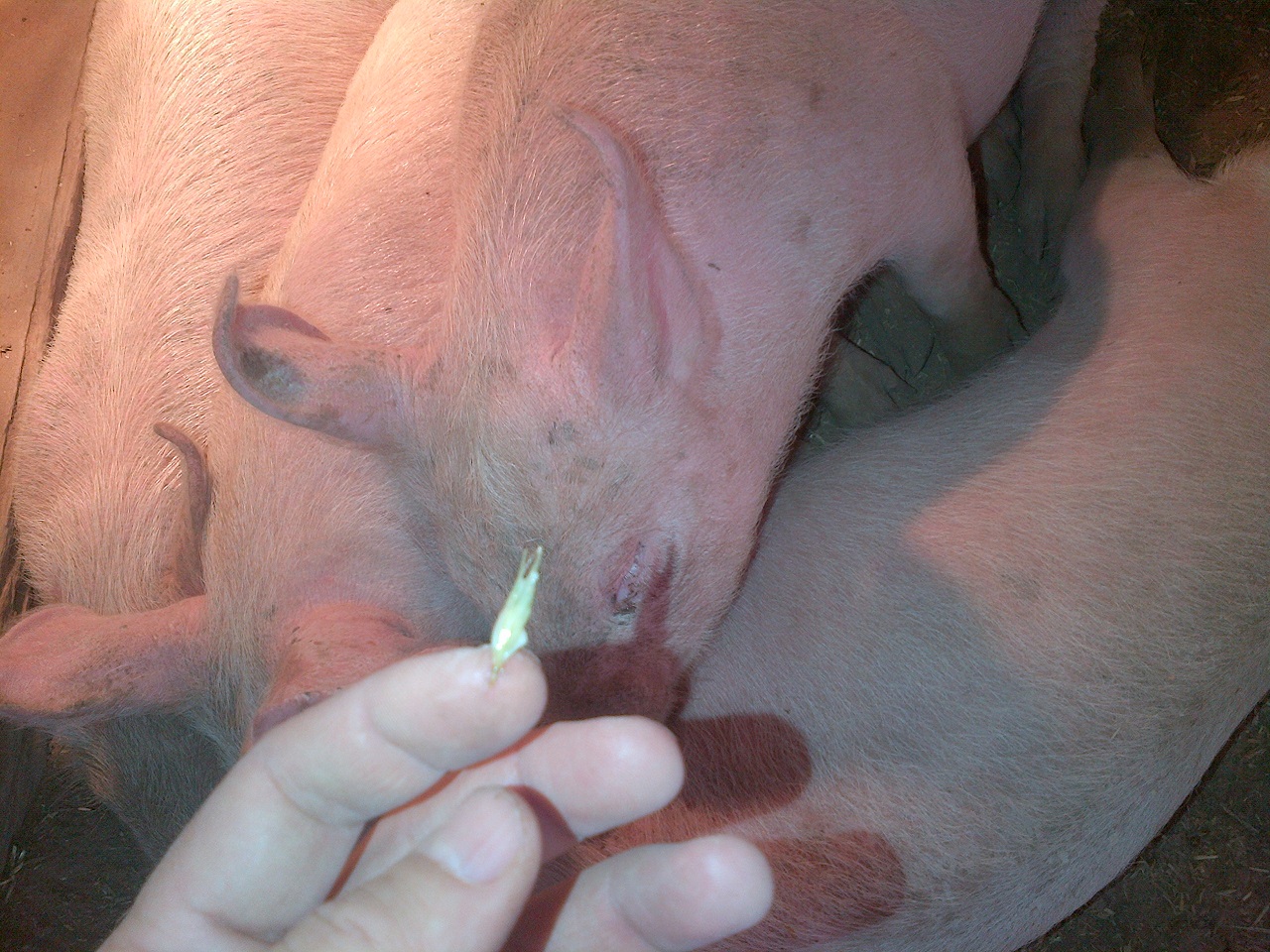
  • Farm Lesson #92: Don’t plant rye in your crop mix if piglets will be grazing on it. Rye seeds and little piggy eyes don’t mix.
    This morning I’ve picked 4 rye seeds from 4 different piglets. They lay there as I rub their bellies, let me pick mud out of their eye, pry their eyelids open, and claw out buried seeds. There’s probably another Farm Lesson in there about tame piglets…
  • Time to make the place pretty for our BBQ with The Duregons! Any by that, I mean I’ll spend a few hours playing with the piglets while David drives the ride-on mower around.
    In summary: Piglets!
  • Went on an aquaponics farm tour today – saw a fish farm with a horticultural aspect, a hydroponic farm, and then commercial aquaculture set ups. It doesn’t look that difficult. If I can get a poly-tunnel set up in the next month or three, we should be eating Atherton-bred fish by Christmas next year.
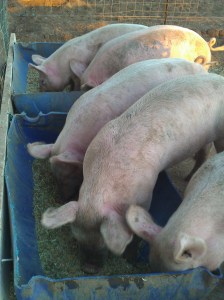
  • Today, on top of their normal grain feed and greens from the veggie patch, the pigs have eaten prawn heads/tails, yabbie heads/tails, stale bread, egg shells, leftover stock full of garlic, onions, and chillies, and stale chocolate cake. Seriously, there is nothing they won’t eat, and eat with obvious gusto!
  • Our little breeding flock of Astralorps range from 12/13 weeks to 17/18 weeks (two batches). The interweb, which has never let me down before, says they start laying somewhere around 24 to 26 weeks, but maybe as late as 30 weeks. That doesn’t explain why I picked up 7 tiny eggs from their coop this morning…
Miss November

Miss November

November, it’s all about the maintenance, harvest, preserving… oh, and guns…

It seemed like all we did in November was tread water. We did a heap of work, but it was mostly maintenance without a lot of things that felt like progress.  Looking back, however, we did okay.

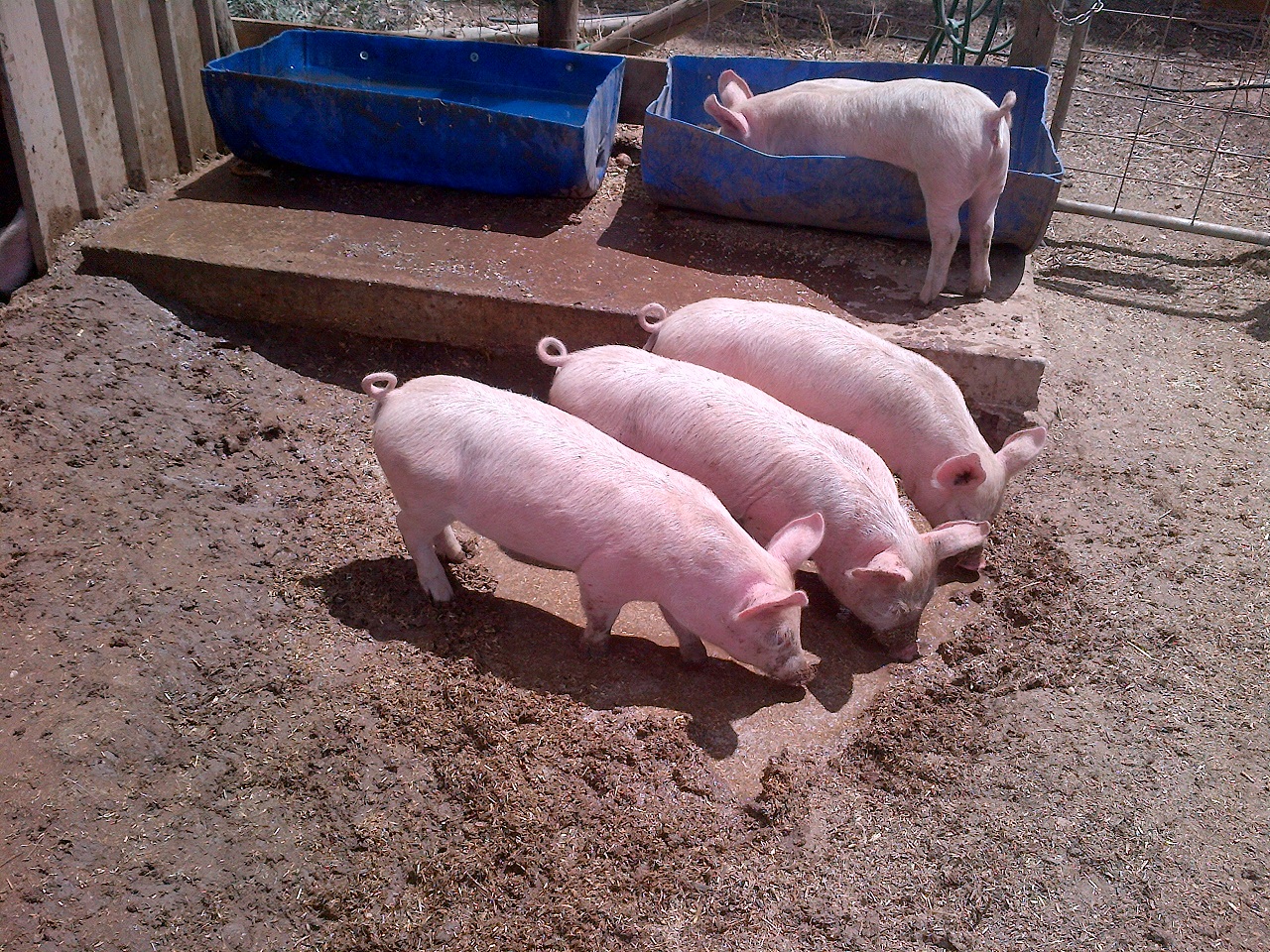
The piglets grew a heap.

The piglets are getting huge!

The piglets are getting huge!

They needed their own kind of maintenance though.  We planted out the back paddock with a mixture of barley, peas, and rye, and we found that the rye seeds get stuck in little piglet eyes.  One of the advantages of having super-tame pigs though, is that they stand still when you pick that stuff out.

That rye seed came out of that piglet's eye.

That rye seed came out of that piglet’s eye.

There were a few days where I’d pick out 2 or 3 seeds from various piglets. The lesson here is to avoid rye next year.

We also had some good friends come out for a BBQ, and to meet their piglet in person.  To me, that’s about the biggest win we could ever hope for.

Pete meeting Gianna, his piglet.

Pete meeting Gianna, his piglet.

Probably our biggest pig progress was the fact that we put Honey back in with Boris.  We had 11 piglets left, and didn’t need both mums in with them. We want to control how often we have piglets, mainly aimed at getting spit pigs at just the right time for birthday celebrations. 🙂  We want a spit pig for May, and so put Honey back with the big man. I think they may have been together for maybe 5 minutes before they were… consummating their undying love. By porking. Pun fully intended.
Boris and Honey having complete disregard to the fact that some of their kids are watching from the other side of the fence.

Boris and Honey having complete disregard to the fact that some of their kids are watching from the other side of the fence.

And just in case it wasn't clear, here's a close-up.

And just in case it wasn’t clear, here’s a close-up.

This is Boris' post-coital mud bath. It's the porky equivalent of having a cigarette, or rolling over to go to sleep.

This is Boris’ post-coital mud bath. It’s the porky equivalent of having a cigarette, or rolling over to go to sleep.

Lastly in pig news, here is a gratuitous pig shot, because Boris doesn’t get enough attention.

This is why we can't have clean water. Ever.

This is why we can’t have clean water. Ever.

We did a heap of maintenance on the veggie patches, which takes a surprising amount of time.

We're getting better at growing potatoes, but I think we still have a long way to go.

We’re getting better at growing potatoes, but I think we still have a long way to go.

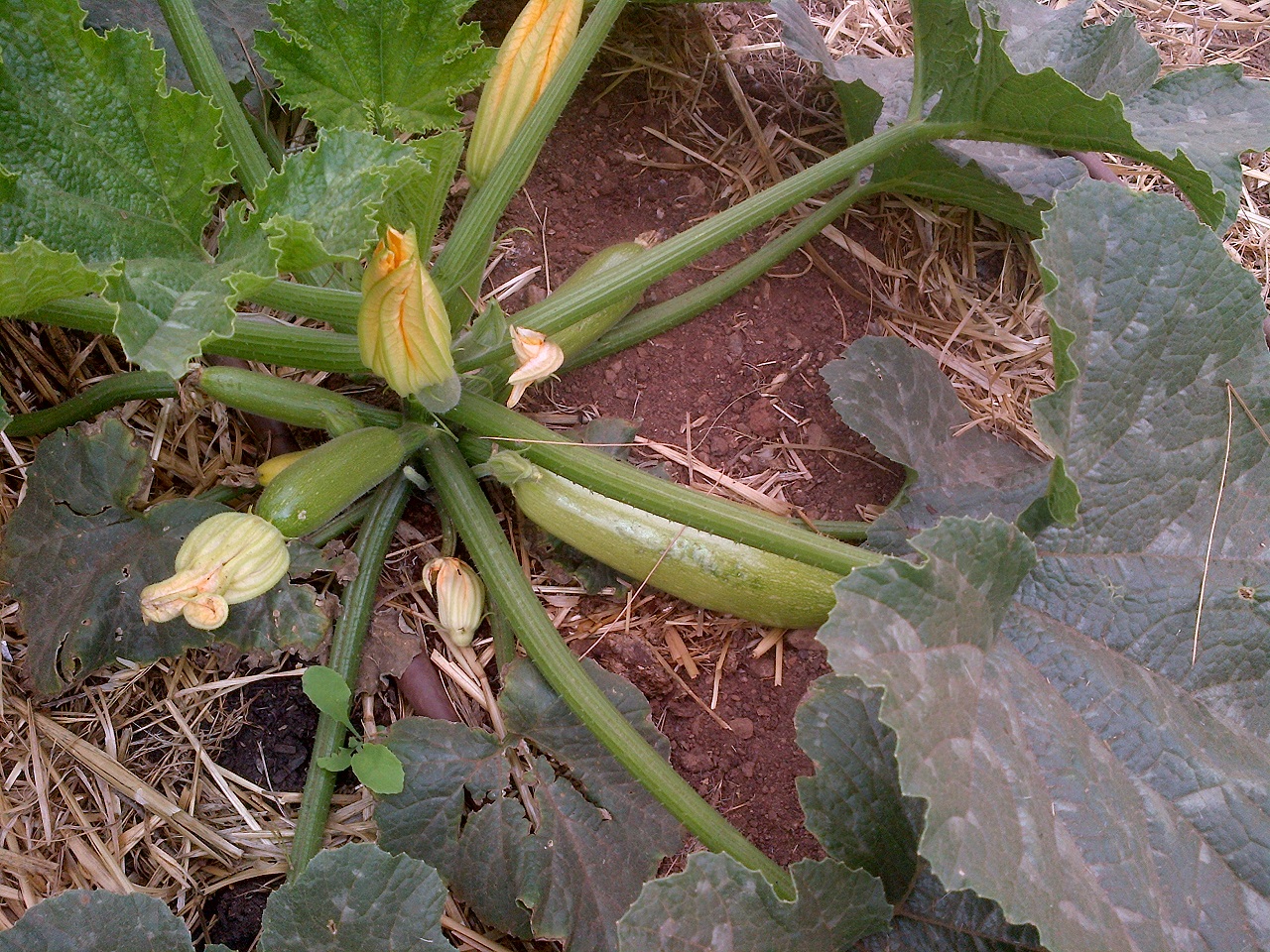
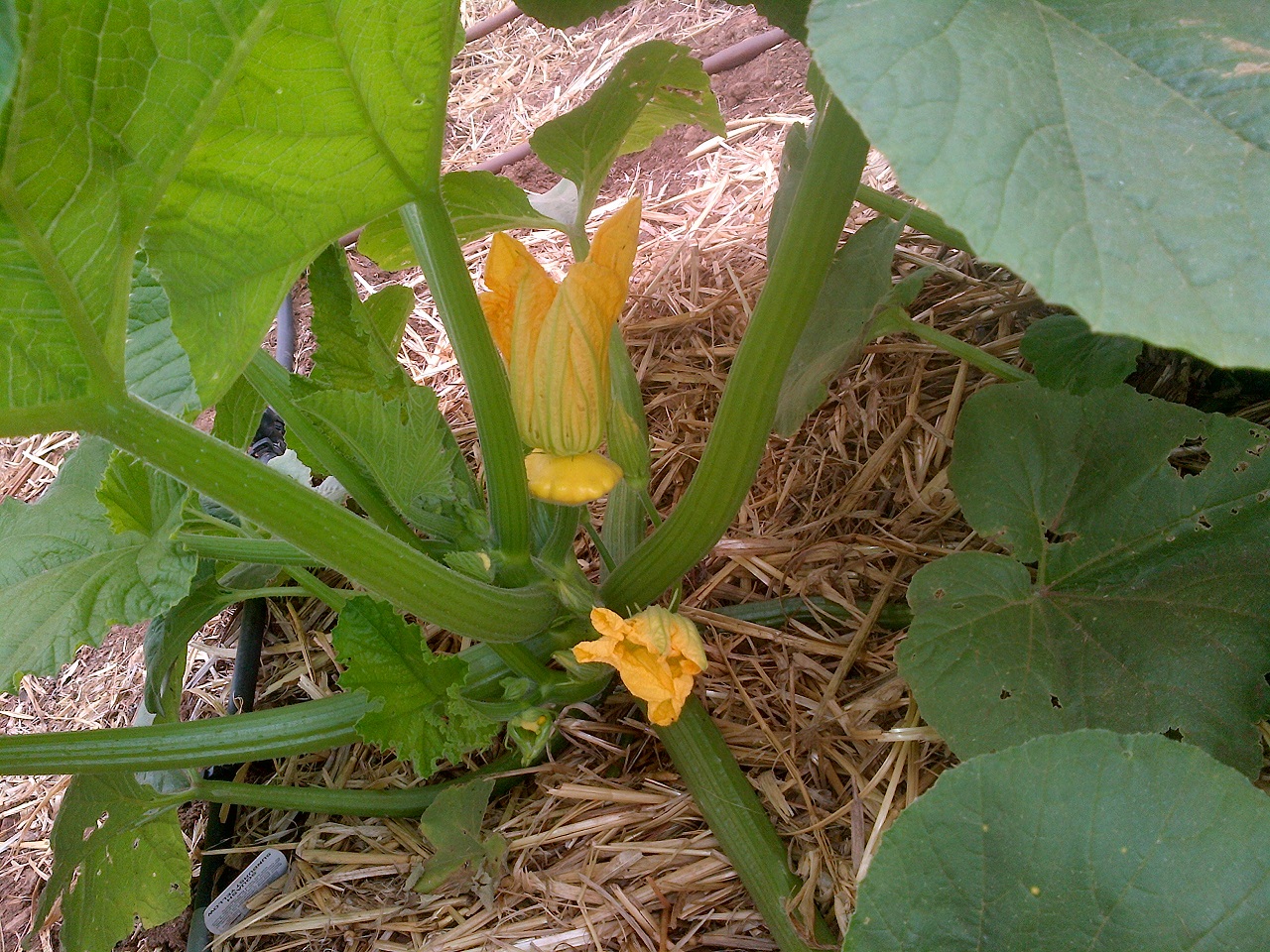
The zucchinis were coming on nicely.

The zucchinis were coming on nicely.

We learned to pick the squash when they're maybe palm-sized, rather than dinner plate sized like last year.

We learned to pick the squash when they’re maybe palm-sized, rather than dinner plate sized like last year.

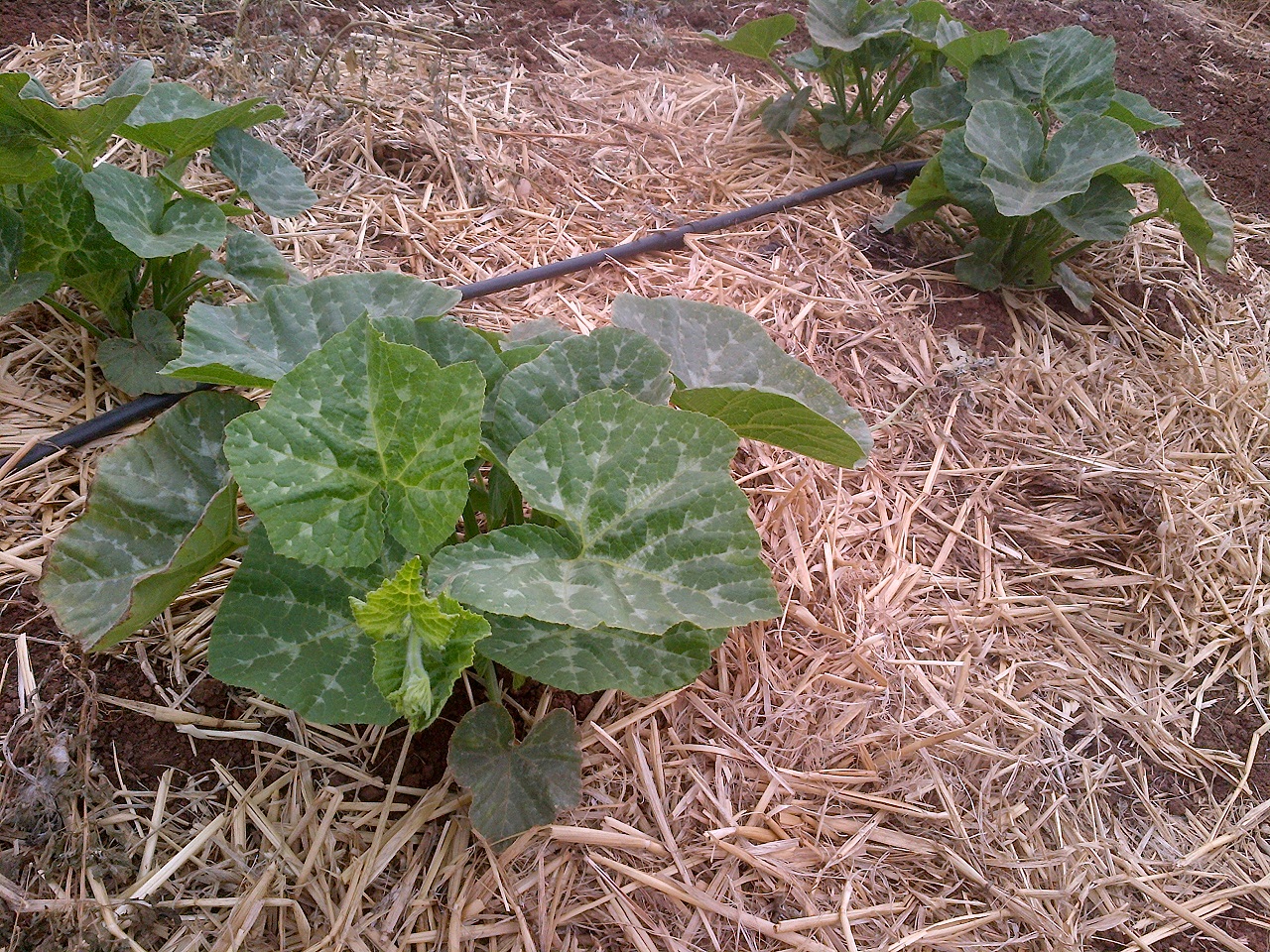
The pumpkins are loving life.

The pumpkins are loving life.

We were also able to harvest quite a bit. We had a big win, and also learned a valuable lesson.

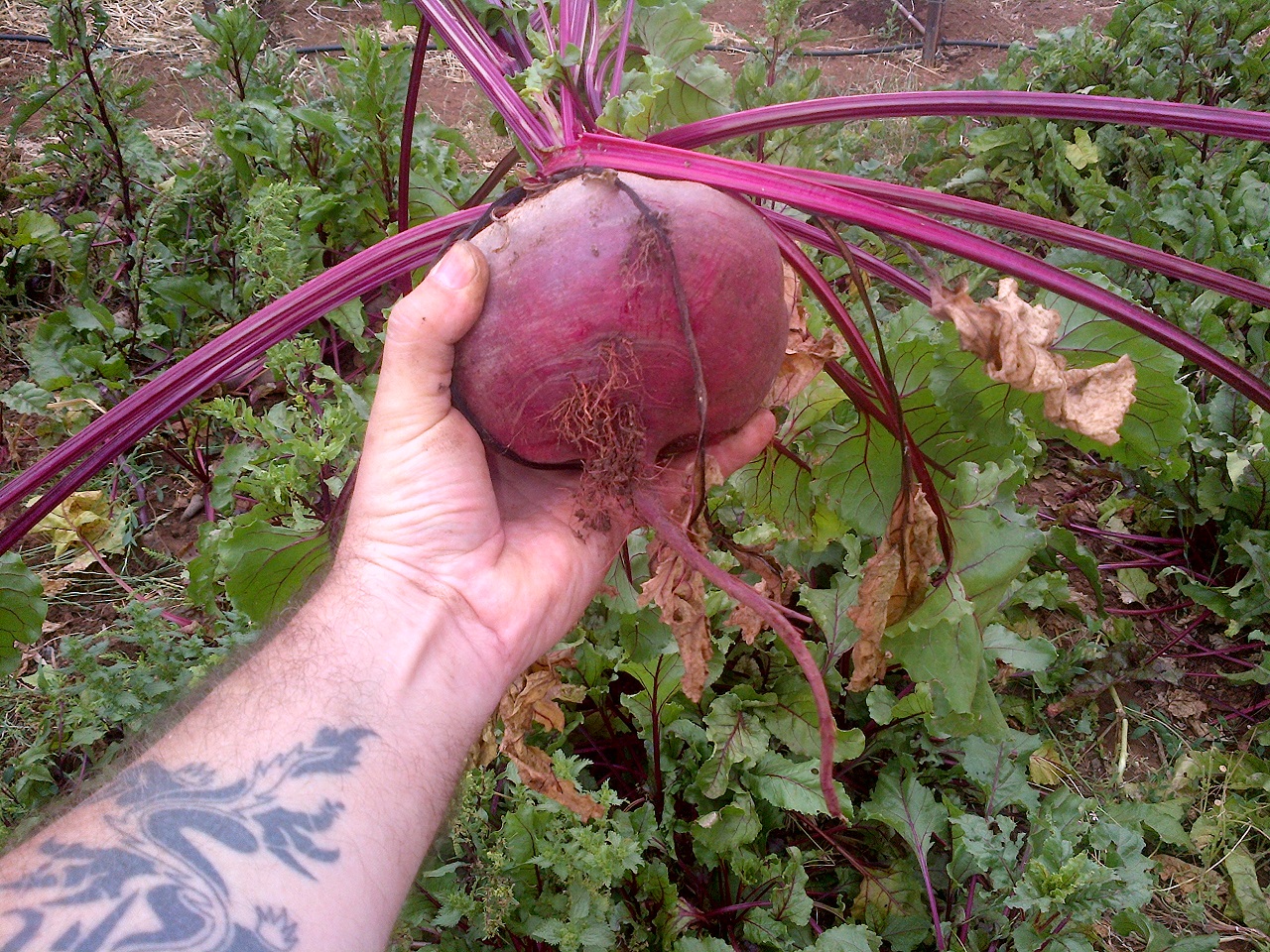
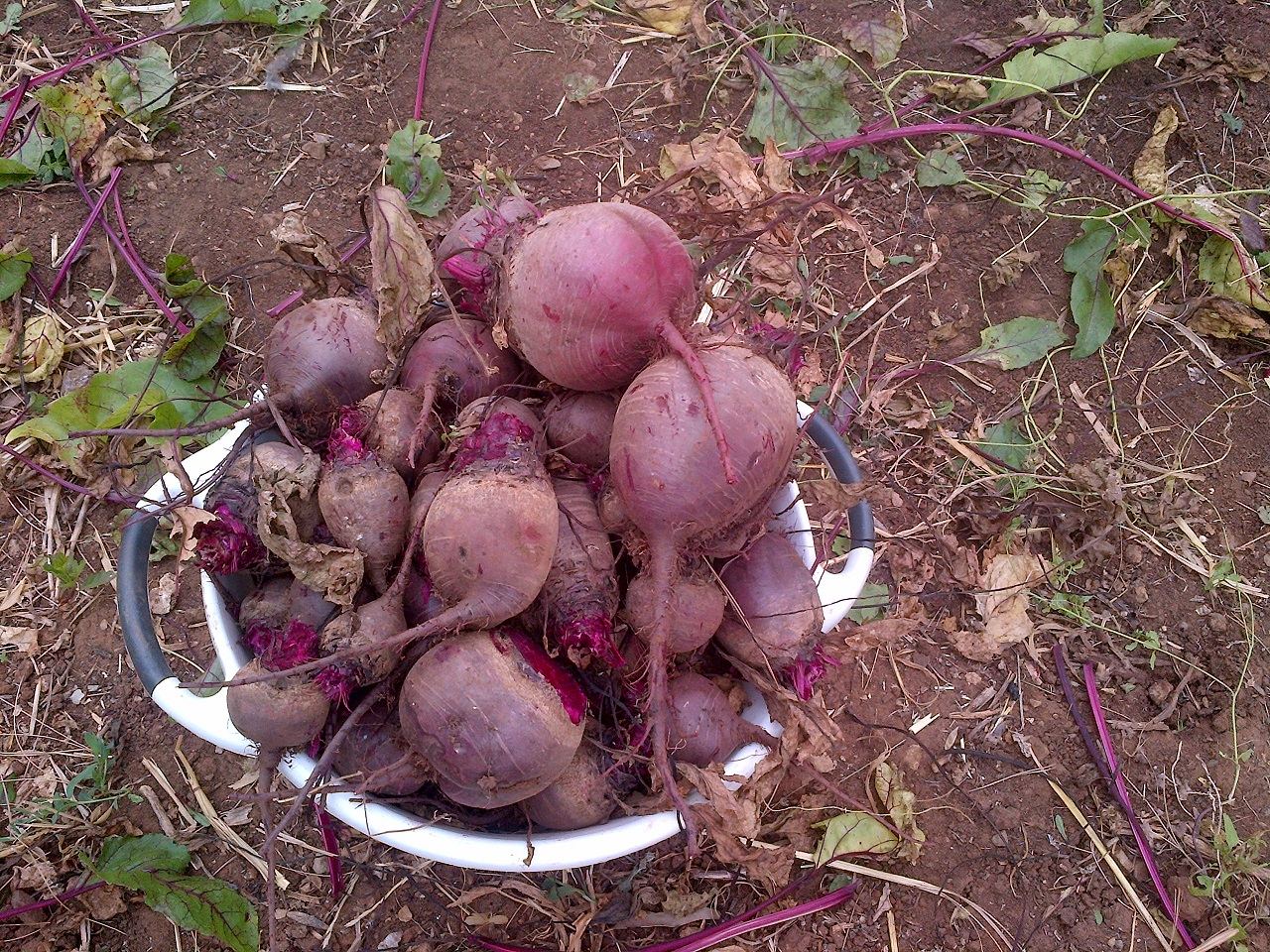
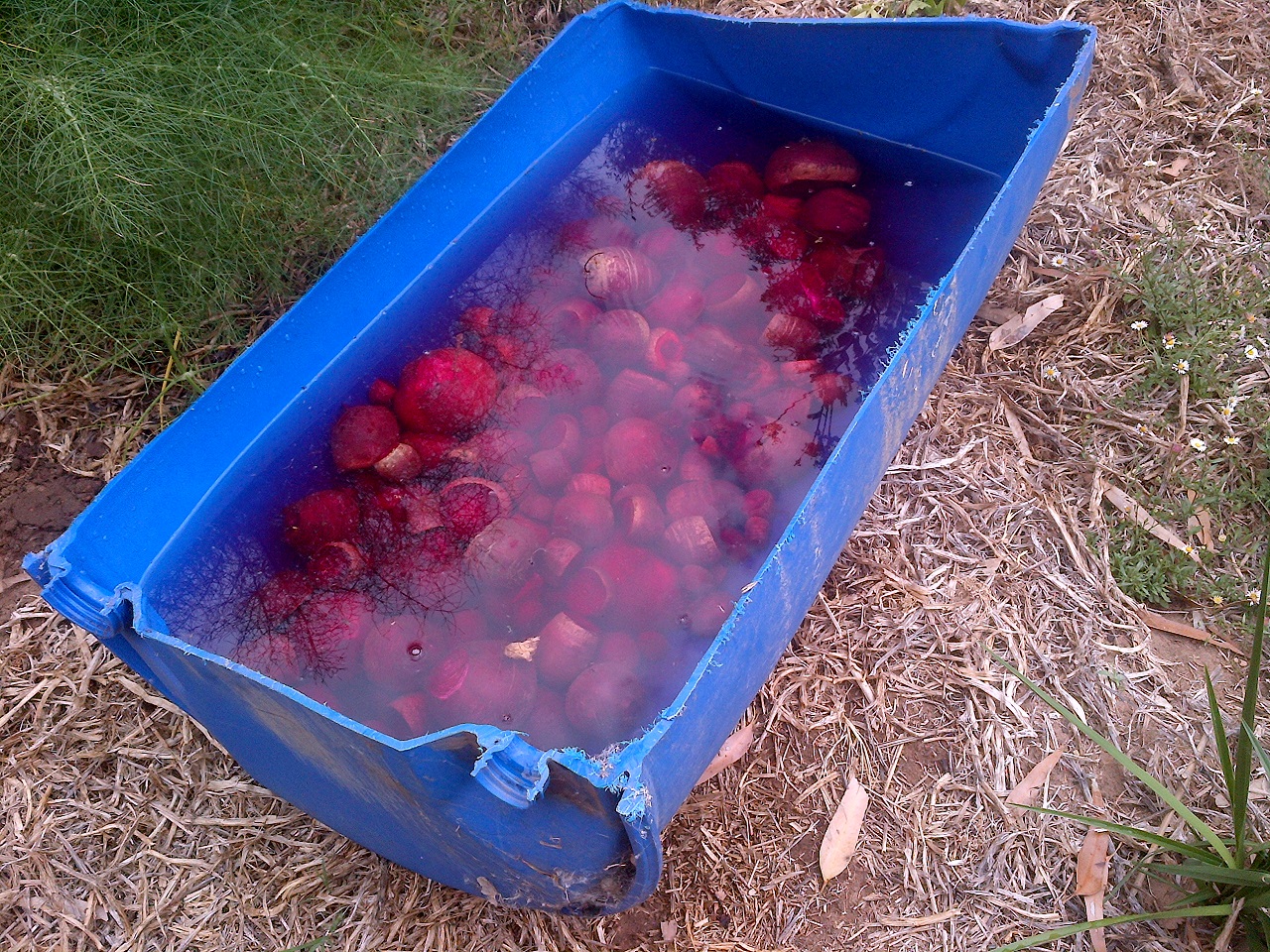
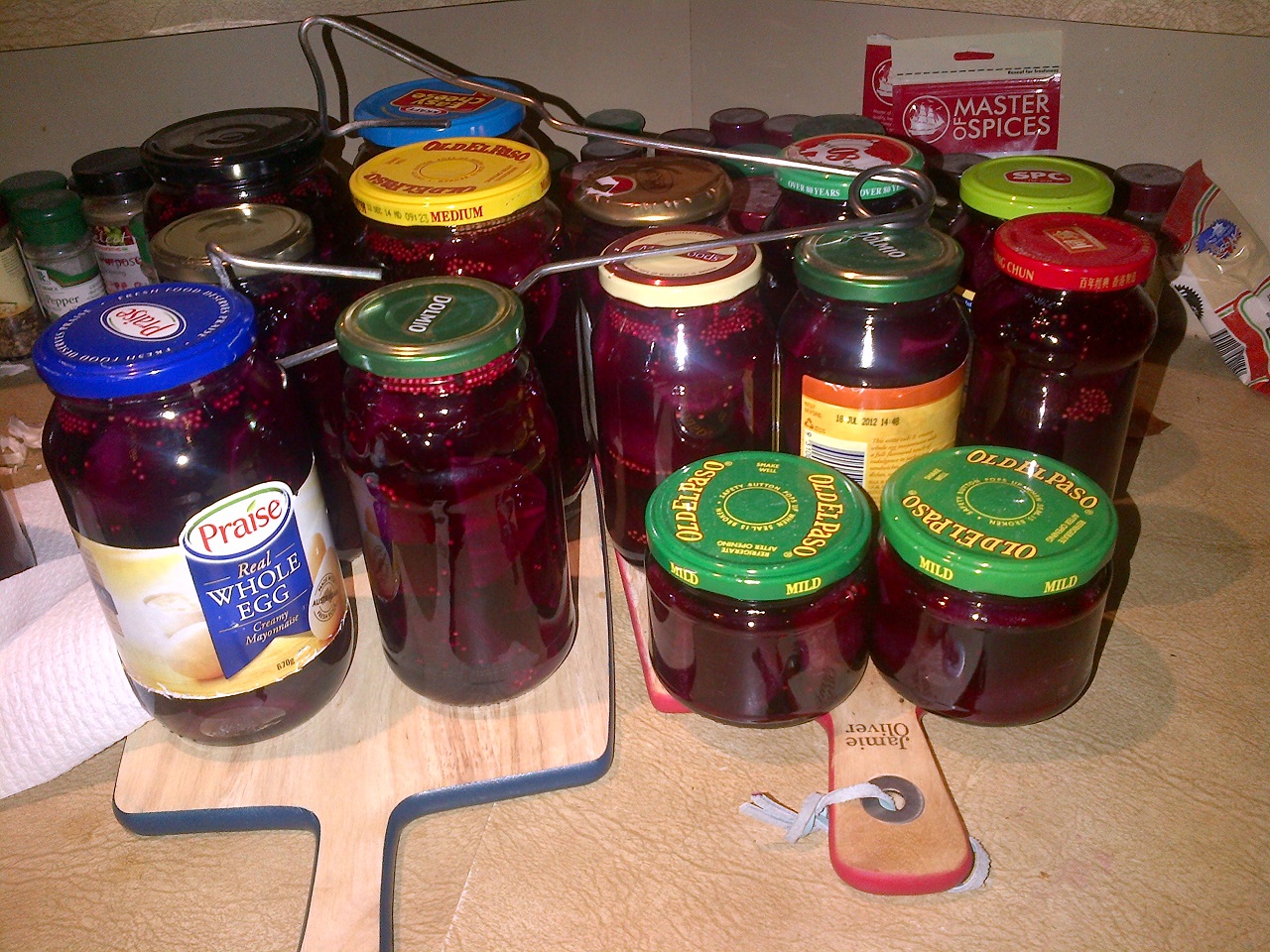
Firstly, our beetroot harvest was amazing.  We’ve found that we use beetroot in hot meals like roasts, but also cold meals in a couple of awesome salads. We also preserve it in the form of relish and pickled beetroot.  I grew a heap more this year, wanting to see how much we could use, and we’ve ended up with a couple of dozen jars of relish and about four dozen jars of pickled beetroot.

Sometimes size really does matter...

Sometimes size really does matter…

We were harvesting this much pretty much whenever we wanted.

We were harvesting this much pretty much whenever we wanted.

Bulk beetroot processing!

Bulk beetroot processing!

This has given us a good idea on exactly how much we should grow next year.  We’ve also learned that we prefer the globe-shaped beetroot, and the Derwent Globes in particular.

This is one of our batches of pickled beetroot. Between the pickled and relish forms, we probably did this 6 or 7 times over the October to December period.

This is one of our batches of pickled beetroot. Between the pickled and relish forms, we probably did this 6 or 7 times over the October to December period.

We had over an inch of rain over a couple of days in the middle of the month. Our garlic was done, in fact potentially a week past done, and I decided that would be a good time to harvest it.  We planted 7 different varieties, and something like 150 plants. Linhda did her normal stellar job at plaiting it, but we found a week later that some had gone soft.  It turns out that you need to harvest it in dry conditions, or at least let it dry before hanging it.  We lost maybe 10% to 20% of the harvest, though we’re using it to make an organic insecticide and we’ll still have more than enough for the year.  It’s a good lesson though.

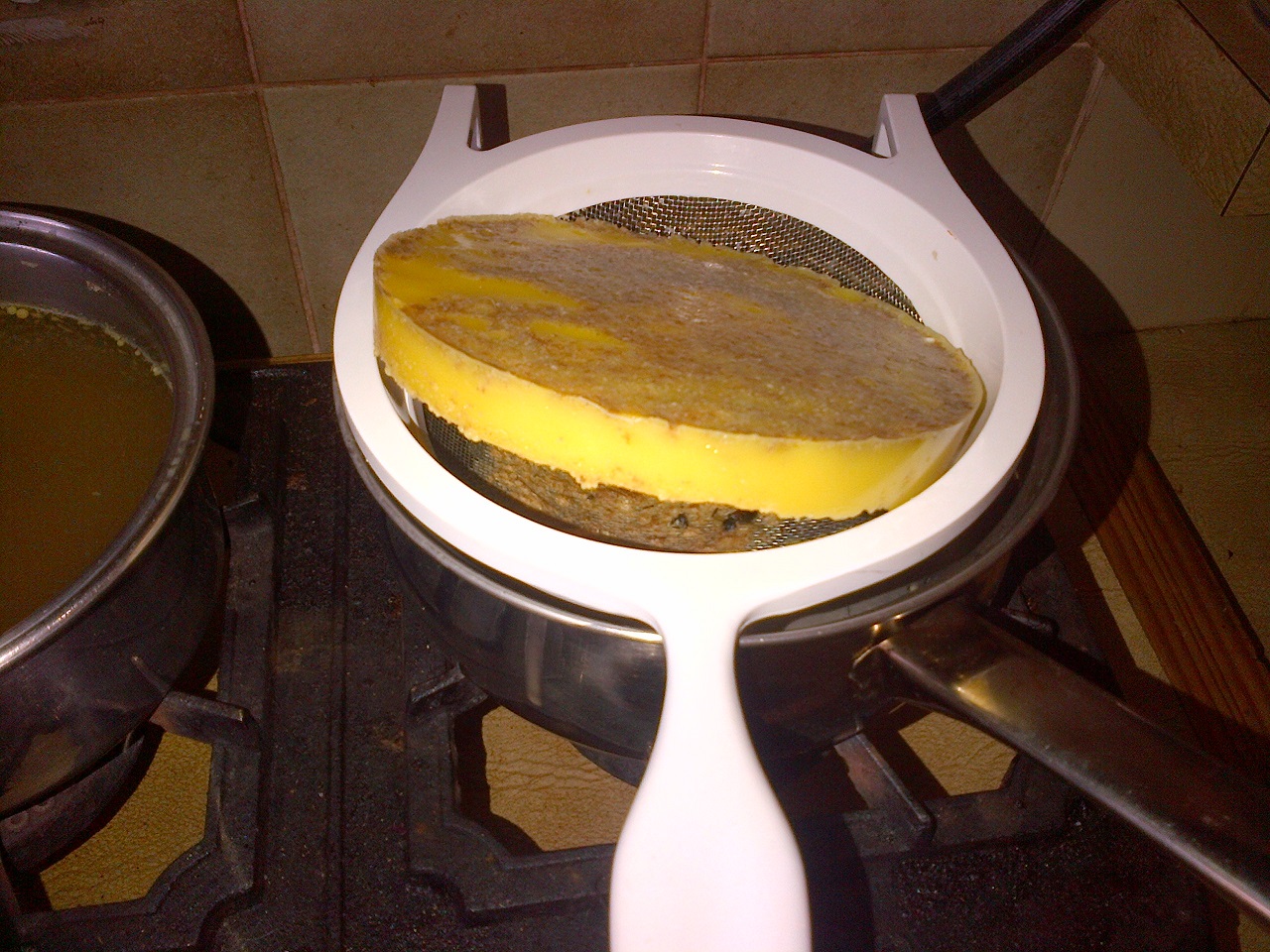
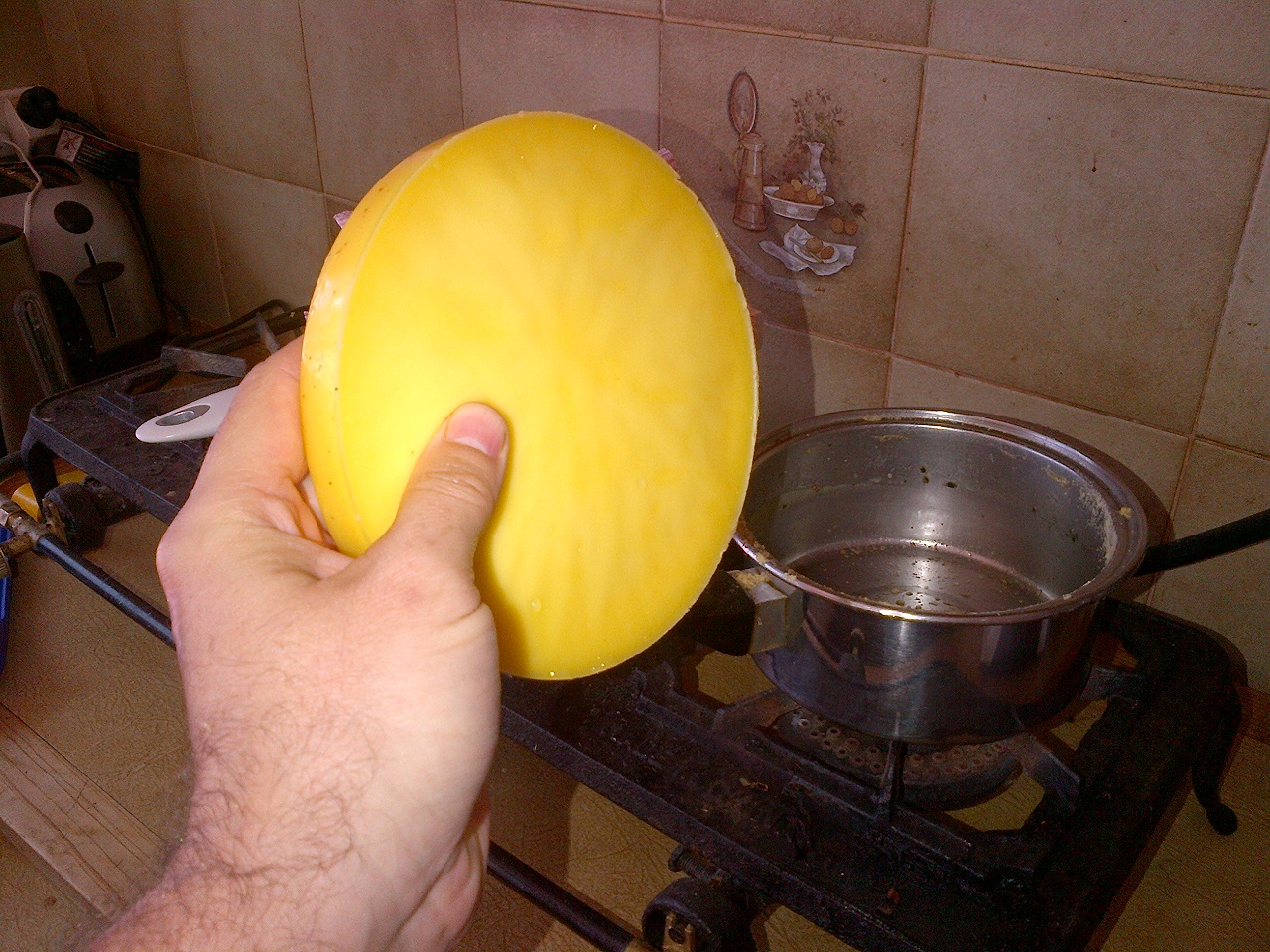
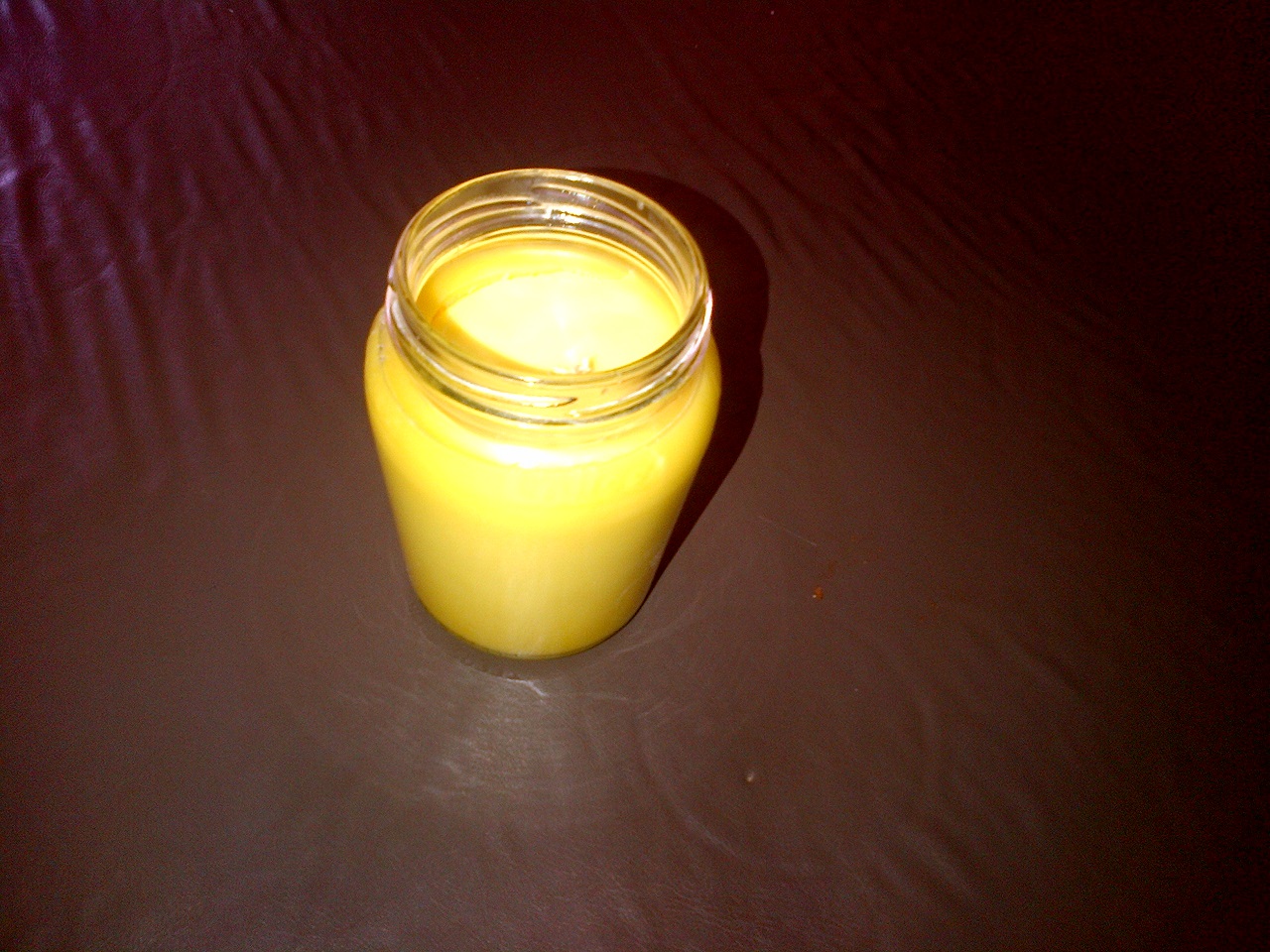
I had some beeswax sitting in a jar for a while, and couldn’t quite find the right way to melt and use it.  I did a heap of research and found a method that has you basically boil it in water, sieve, let a disc of wax form, and then repeat but sieve it through cloth.  This was super-simple and gave us gorgeously pure wax.  I think it’s slightly more dangerous than the other methods though, as the wax is apparently quite flammable. However, it worked like a champ, and I made a candle!

This is the first time around, when the bigger impurities have been filtered out.

This is the first time around, when the bigger impurities have been filtered out.

This is the second time around, when the second filtering removes the rest of the impurities.

This is the second time around, when the second filtering removes the rest of the impurities.

And I made a candle! Seriously, I am oddly proud of that candle, and show it to pretty much anybody who visits.

And I made a candle! Seriously, I am oddly proud of that candle, and show it to pretty much anybody who visits.

We also started to get eggs from the Australorps.  By our calculations they were 17 weeks old, and maybe 19 weeks at the absolute outside, where we weren’t expecting eggs for another 5 to 10 weeks! The eggs are small, but they’ll get bigger.

We’ve been looking at aquaponics, the method where you grow fish and use a hydroponic set up to filter and recycle the water.  We found a local-ish guy who has tertiary qualifications in that area, and who sells the equipment. We booked one of his tours, which took us to commercial aquaculture and hydroponic set ups, and then to his place for the aquaponics set ups. It’s fascinating, and is definitely something we’ll look at once I have a poly-tunnel organised.  My aim is to grow our own barramundi and yabbies, though it might take a while to perfect the method.

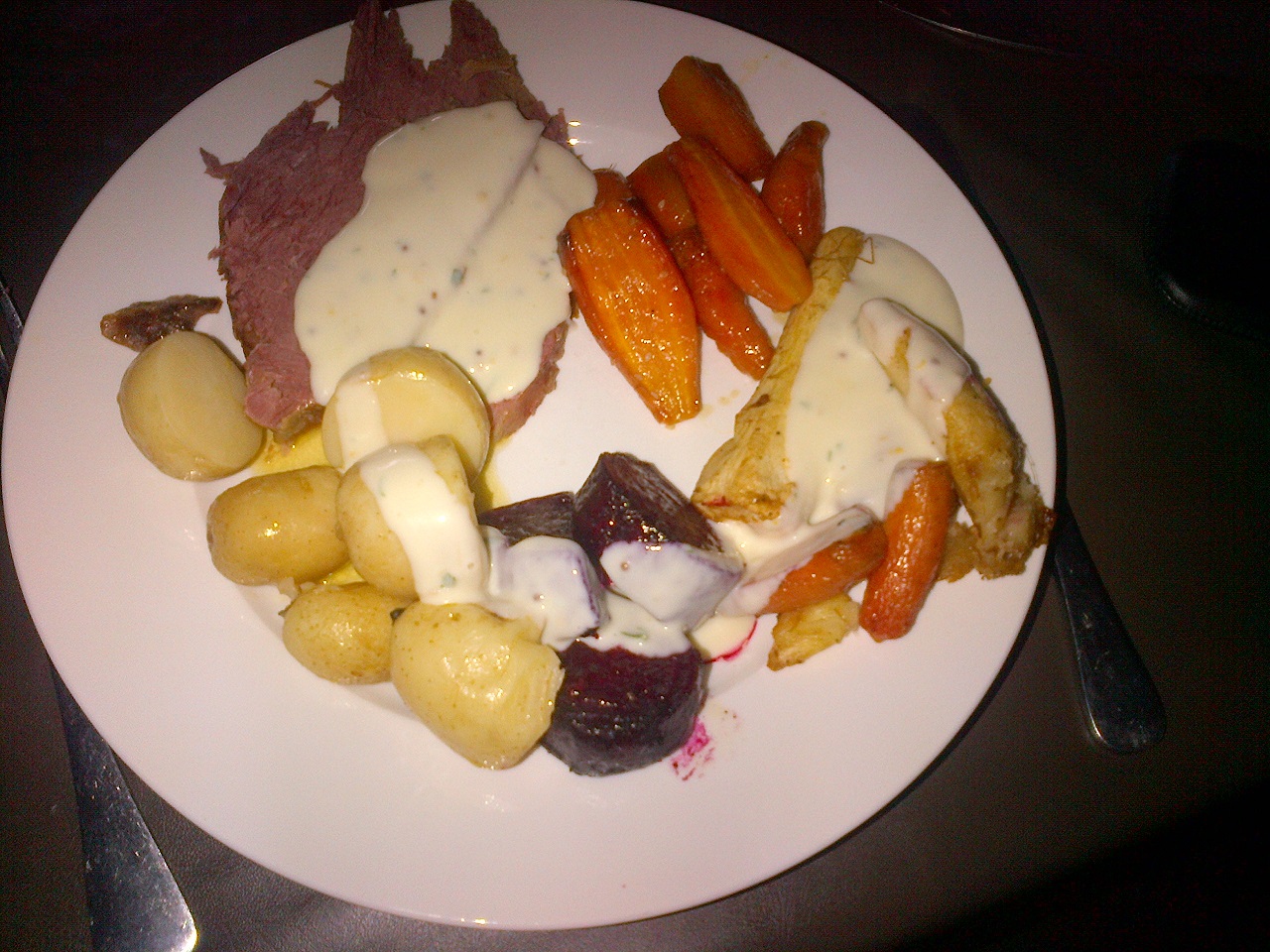
I think the best way to get a sense of the progress we’re making is to look at the amount of food we eat that comes from our property.  We have entire meals where the ingredients were grown by us.  We have a heap of other meals where only one or two things (e.g. sweet potato or mushrooms) come from the supermarket. It really does give you a huge sense of achievement, especially in those months where it doesn’t feel like you’re doing much that leads you in a forward direction.

Everything on this plate came from my property...

Everything on this plate came from my property…

... except the cheese sauce.

… except the cheese sauce.

Lastly, we had some wild life in our sheds. One morning I found a blue tongue in our big shed. It was a cool night and he’d come in to get warm. He was beautiful, and I made sure he slipped away safely.

This guy was in the shed and a little cold one morning. I made sure he got safely away. I've got a soft spot for our scaled brothers and sisters...

This guy was in the shed and a little cold one morning. I made sure he got safely away. I’ve got a soft spot for our scaled brothers and sisters…

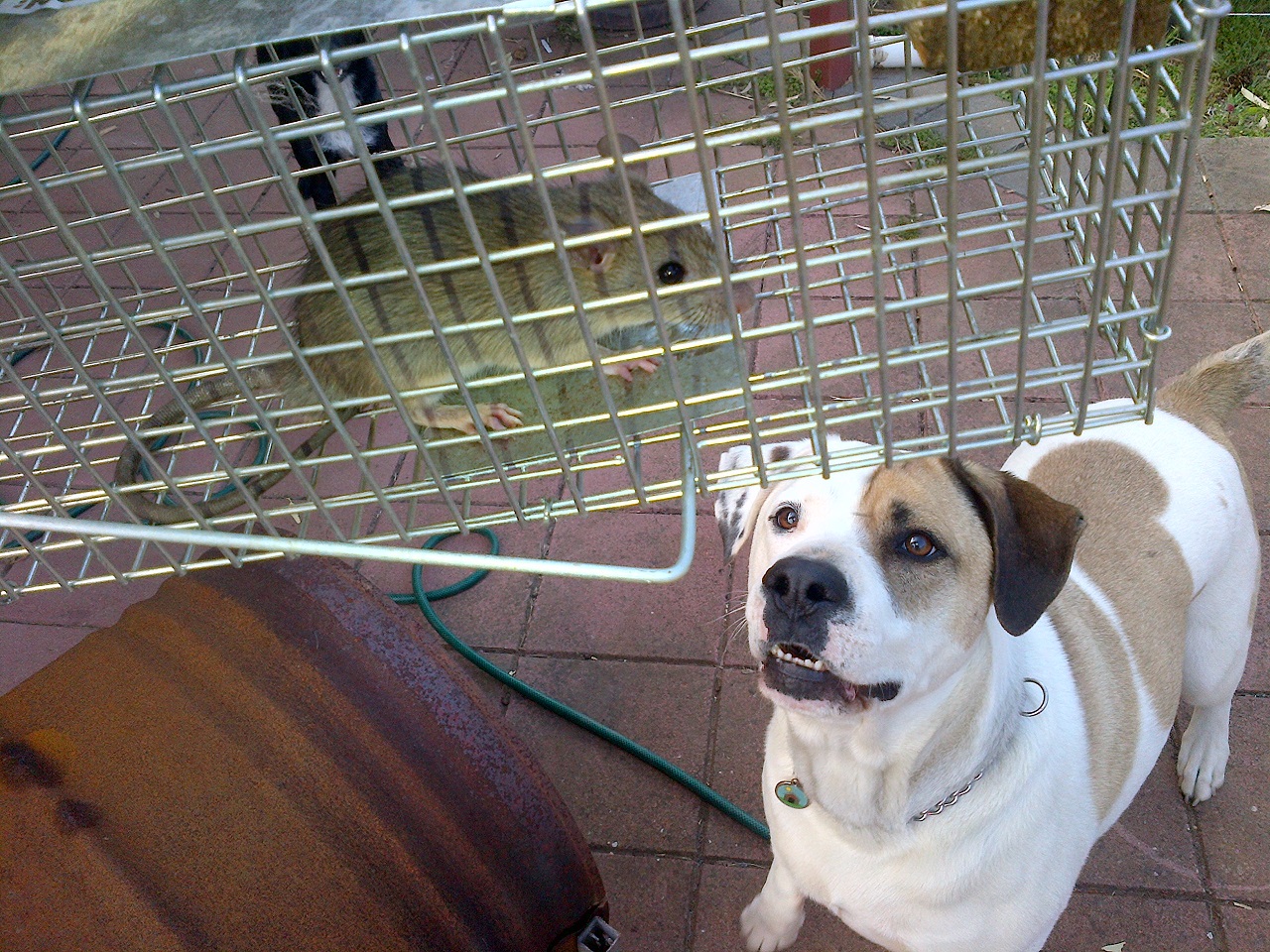
Later in the month we had a rat in the little shed, which is only one of the few we’ve been able to catch. I actually really like the rats, but we need to control their numbers. It’s one of those uncomfortable necessities of farm life… 😦

At least Bruce is impressed with my masterful rat catching skills.

At least Bruce is impressed with my masterful rat catching skills.